From over 100,000 films, discover the handful you'll love.
Free or premium access to the world's largest documentary library.
43 films
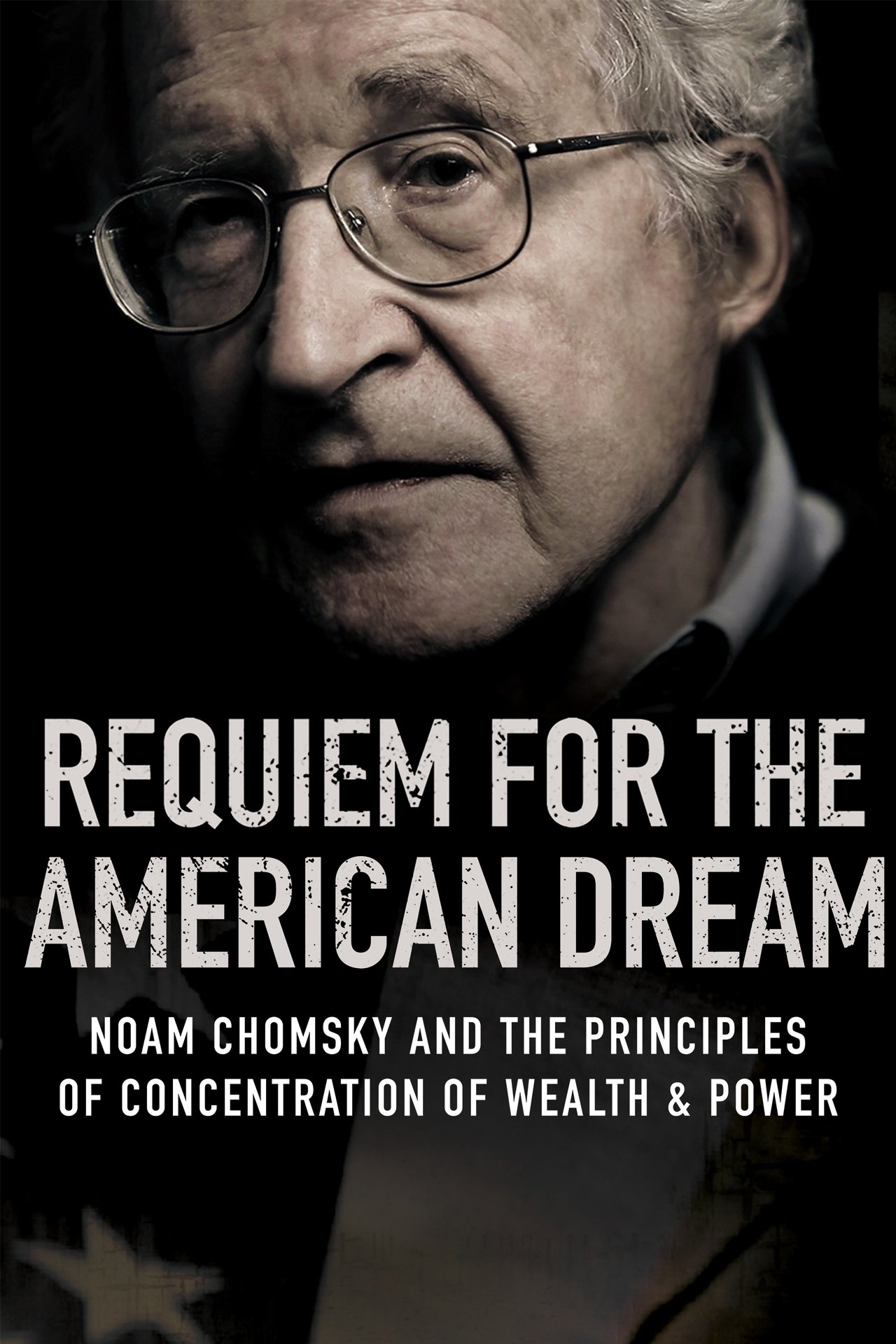
The top 1/10th of a percent in the United States holds a disproportionate amount of wealth, contributing to unprecedented levels of inequality.
Children today face challenges like cyberbullying and addiction, as parents express concerns about their mental health and safety in a digital world.
Four out of ten leading killers in the United States are food-related chronic diseases linked to the industrial food system's practices.
By the end of 1938, Hitler had won the hearts and minds of many Germans, who began to embrace his violent anti-Semitic policies.
Seven million men became unemployed in Germany during the Great Depression, paving the way for the National Socialist Party's rise to power.
New York's Wall Street crashed in October 1929, marking the beginning of the Great Depression that left many struggling to survive.
On December 7, 1941, over 180 Japanese warplanes attacked Pearl Harbor, leading to significant losses for the U.S. Pacific Fleet and marking the start of the War in the Pacific.
Unemployment in the United States exceeded 20 percent in 1932 as Franklin D. Roosevelt implemented policies to address the Great Depression.
More than 26 million tourists visit Hollywood each year, while many residents face homelessness and unemployment amid California's economic crisis.
In 1931, Chicago lost an estimated $2 million in wages each day, contributing to the conditions that allowed fascist regimes to rise in Europe.
On December 7, 1941, the Japanese attack on Pearl Harbor killed thousands of soldiers and marked the end of American neutrality in World War II.
2 million lives were lost during the Pacific Theater of World War II, including 1.74 million military personnel from Japan and nearly half a million Americans.
Doug Huffman has spent between $30,000 and $40,000 on preparations for a potential economic collapse and the next great depression.
September 2018 saw an F-18 approach the USS Ford, where a triangular-shaped object sparked claims of US military collaboration with aliens.
Katherine Johnson was born on August 26, 1918, and her mathematical skills were crucial to NASA's early manned space flights and the Space Shuttle program.
By 1933, the Nazi Party had risen to become the most popular political party in Germany, with Hitler now serving as Chancellor.
Over 15,000 soldiers landed at Omaha Beach on June 6, 1944, facing heavy fire during one of World War II's most critical battles.
The first Triumph motorcycle rolled off the production line in 1902, marking the beginning of a legacy that would shape motorcycle culture for over a century.
Franklin D. Roosevelt's leadership during World War II is examined, highlighting D-Day and his unexpected death amid crucial wartime negotiations.
King Edward VIII abdicated the throne in 1936, choosing to marry Wallis Simpson, which triggered a major constitutional crisis in Britain.
A quarter was thrown on the table to buy milk after a father returned from a failed attempt to earn money during the Great Depression.
Edward VIII abdicated the throne in 1936, stating he found it impossible to carry the heavy burden of responsibility without the support of the woman he loved.
Jimmy Hoffa organized his first strike in 1932, during the Great Depression, at the age of 19 while working as a warehouse laborer in Detroit.
100,000 people attended the funeral of Camillien Houde, Montreal's mayor, marking the largest such gathering in the city since the death of Brother André.
A satiric skit featuring a paper mache sculpture of a sphinx with Franklin D. Roosevelt's head delighted him and became part of his presidential library.
Longacres Race Track, built in just 33 days in 1933, became a significant venue for Thoroughbred racing in the Pacific Northwest.
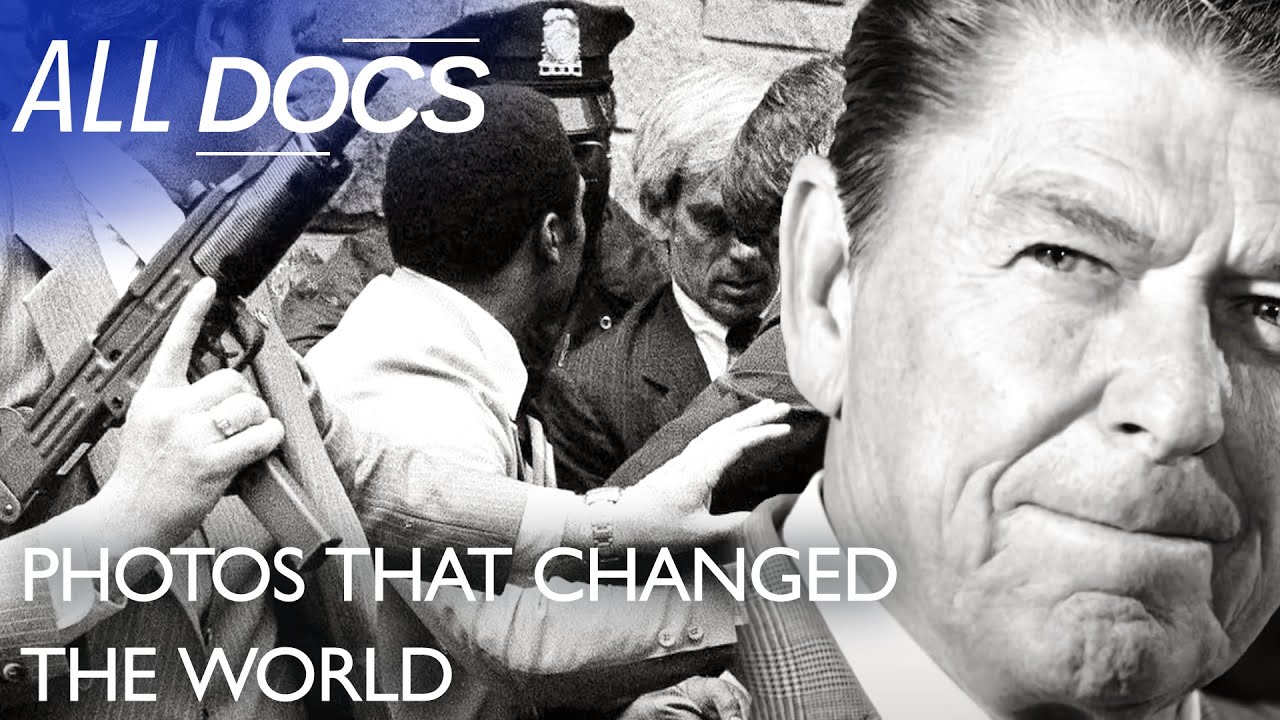
On March 30, 1981, a photographer captured the moment President Ronald Reagan was shot, marking a significant turning point in American history.
In June 1940, President Franklin D. Roosevelt appointed Henry Stimson and Frank Knox to key cabinet positions, marking a rare bipartisan effort during World War II.
Dr. Rebecca Sharpless discusses the 1940 census during a presentation at the National Archives in Fort Worth, Texas, detailing its historical context.
Paul Krugman argues that a 15 percent increase in military spending during World War II was necessary to restore full employment, a scale not seen in current economic responses.
Joe Kennedy's net worth rose from just under $2 million to over $180 million by betting against the market during the Great Depression.
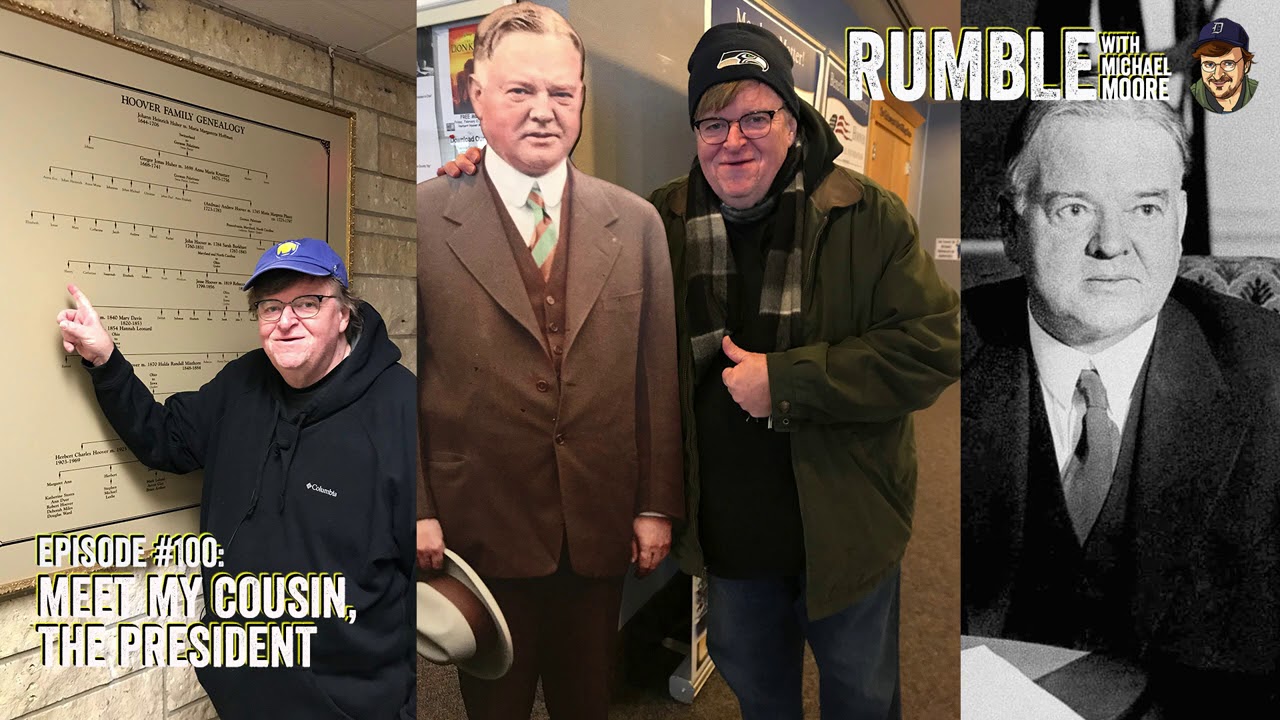
Michael Moore learns about his familial connection to Herbert Hoover while exploring the former president's legacy at the Herbert Hoover Presidential Library in Iowa.
Over 33 million Reichsmarks were invested by the Nazi government in the development of high-performance racing cars during the 1930s.
More people attended Barack Obama's inauguration in 2009 than Donald Trump's inauguration in 2017, according to strategist Frank Luntz.
Covid-19 caused the worst recession since the Great Depression, with many sectors unlikely to return to previous output levels.
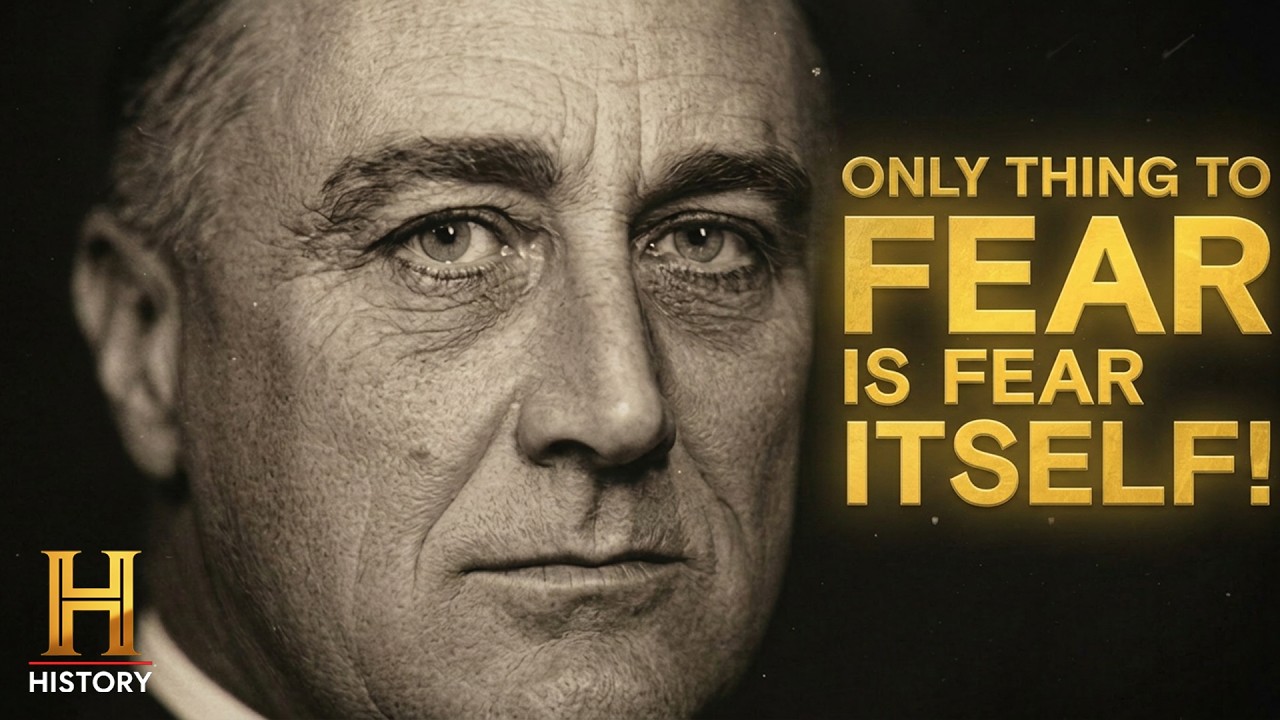
Franklin Roosevelt's first fireside chat reassured Americans during a banking crisis, as thousands of banks had already closed and the economy was in freefall.
More than 15,000 people are homeless in Detroit, where vacant houses and abandoned buildings mark the decline of a once-thriving city.
Oysters were a primary food source for Native Americans in Louisiana long before commercial harvesting began, with traditional methods using sails to pull dredges.
At least 96 workers died during the construction of the 726-foot Hoover Dam, which was completed on March 1, 1936, two years ahead of schedule.
Greece's unemployment rate has surpassed 25%, higher than the United States during the Great Depression, as citizens face a crippling financial crisis.
In 1947, Christian Dior re-established French haute couture as the leading force in fashion with his first collection, which transformed women's silhouettes.
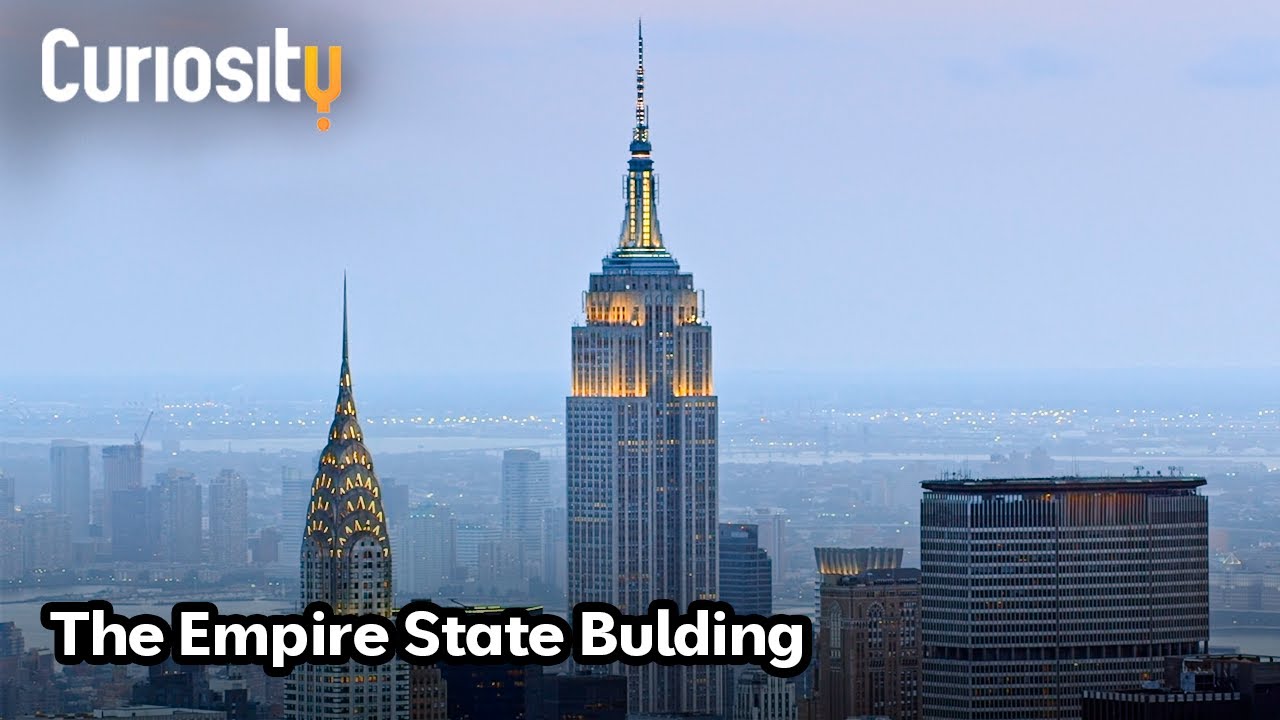
10 million bricks were used to construct the Empire State Building, which has become a defining symbol of New York City since its completion in 1931.
In March 1941, the Tuskegee program faced financial trouble, prompting First Lady Eleanor Roosevelt to fly with instructor Charles Alfred Anderson.