From over 100,000 films, discover the handful you'll love.
Free or premium access to the world's largest documentary library.
25 films
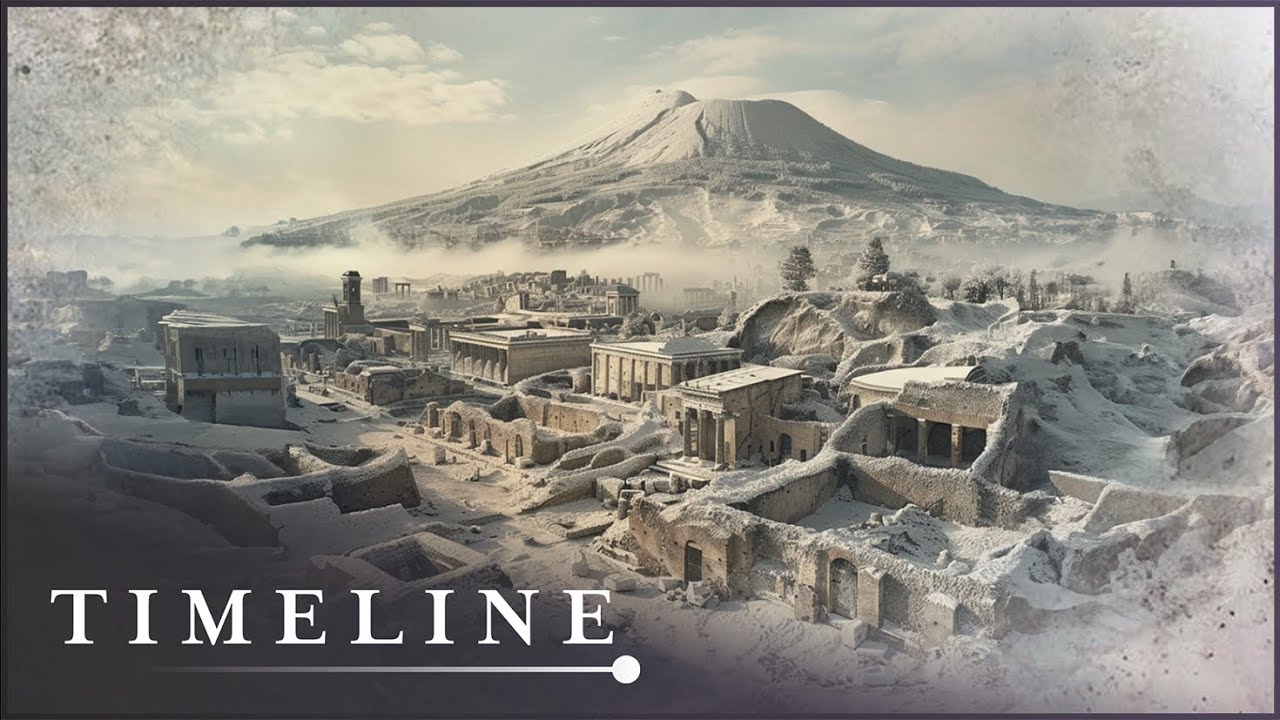
Pompeii, a Roman city preserved by the eruption of Mount Vesuvius in 79 AD, faces threats from tourism and geological instability as experts strive to protect it.
Rome depended on 150 to 300 million tons of grain annually to feed its population of 1 million, the largest city in the world by the first century AD.
Pompeii expert Dr. Daisy Dunn evaluates the historical accuracy of the 2014 film, examining key events like the eruption and gladiatorial games.
A marble block weighing one ton is hoisted 150 meters up the rocky slope of the Acropolis for the restoration of the Parthenon.
Roman artefacts from the British Museum, including a rare gladiatorial helmet and figurines, illuminate life in Roman Britain through an upcoming exhibition.
300,000 people lived in Athens at its peak in the fifth century BC, a city that significantly influenced the development of democracy and philosophy.
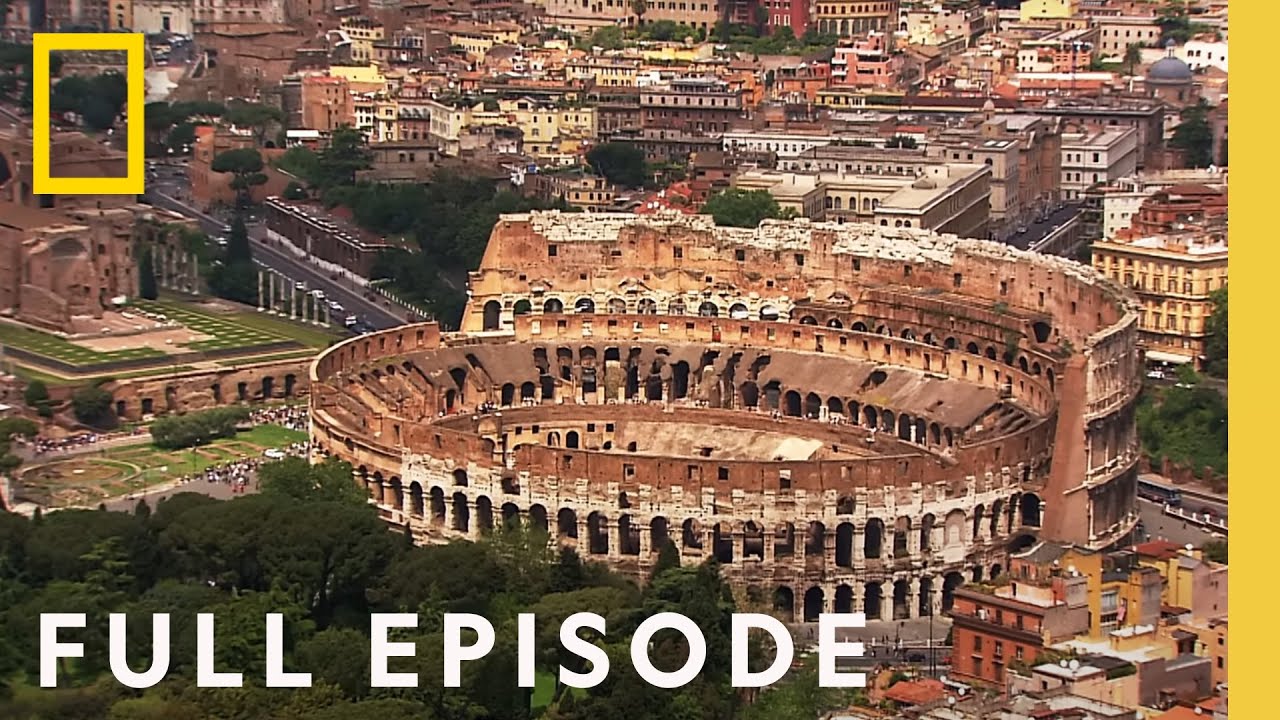
The Colosseum, completed in 80 CE, could seat up to 50,000 spectators and hosted brutal games that lasted for three months, resulting in thousands of deaths.
Ancient Rome's sexual culture is examined through the writings of Roman authors and erotic art, revealing societal norms and the allure of gladiators.
Spartacus, a gladiator in ancient Rome, led a massive rebellion of former slaves against the Roman Republic, challenging the military might of Marcus Crassus.
The series reveals the savage truth of gladiators and Rome's Emperors at the Colosseum.
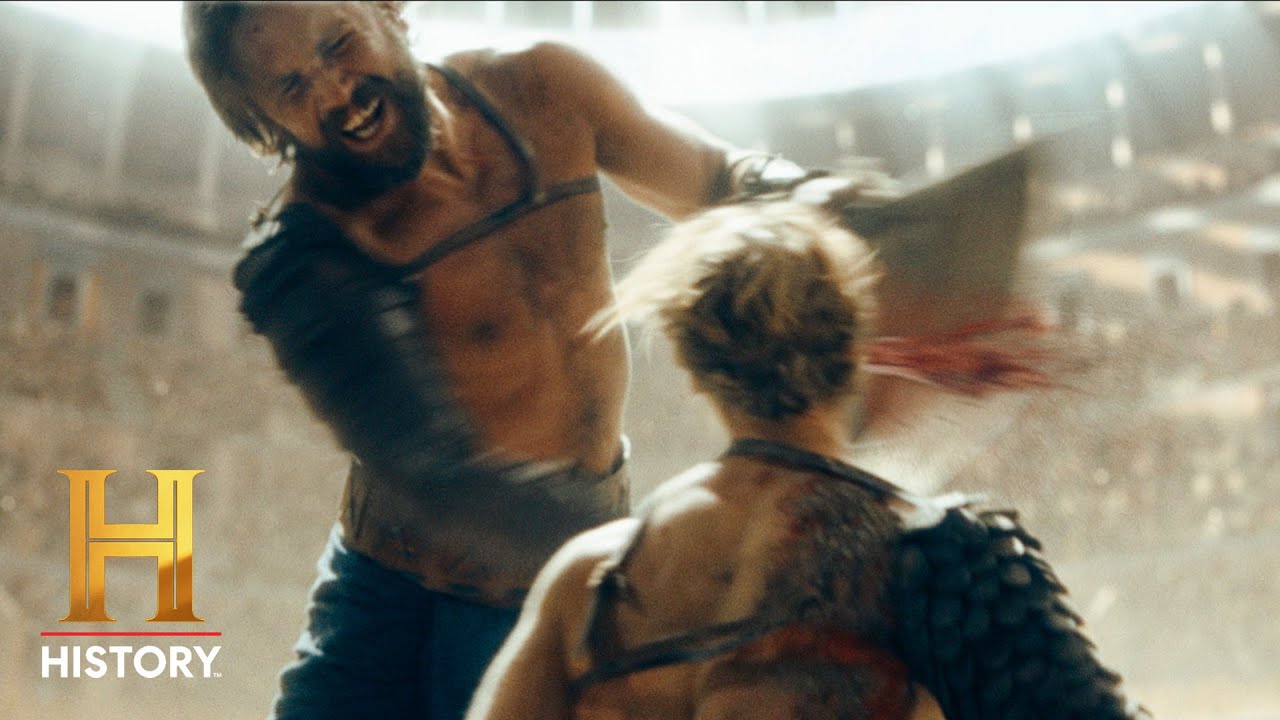
Two gladiators, Verus and Priscus, fought to the death in the Colosseum's inaugural games in 80 AD, marking a significant moment in Roman history.
Rome's emperor orders a major renovation of the Colosseum to demonstrate his power.
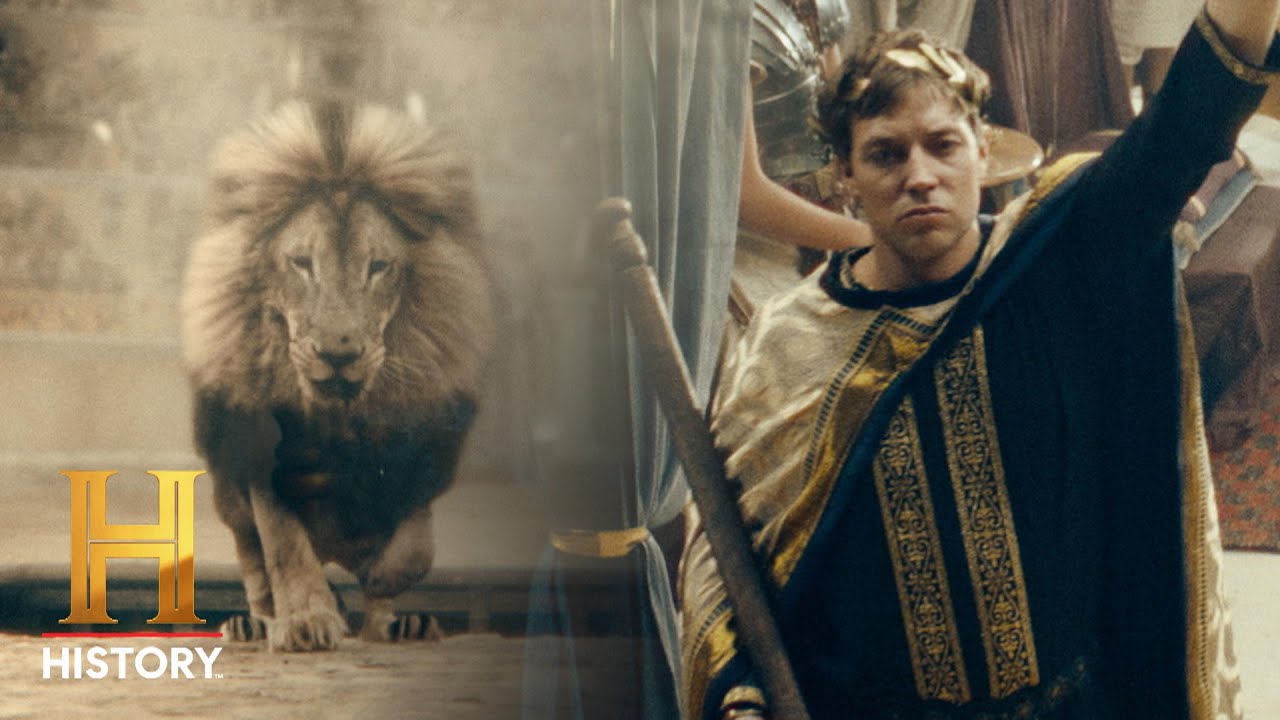
Commodus transformed the role of emperor by becoming a gladiator, using the Colosseum to assert Rome's power and redefine the brutal life of slave-warriors.
Beastmasters clash in a historic rivalry within Rome's iconic Colosseum.
Barbadian invaders threaten Rome, marking a new era in Roman history during Season 1, 'The Pagan.'
Two gladiators, Varus and Priscus, fought to the death in the Colosseum during a spectacle attended by Emperor Titus in 80 A.D.
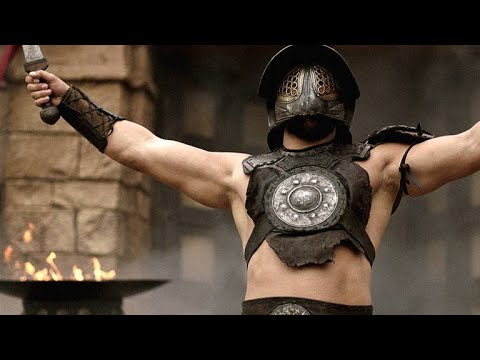
Roman gladiators were rock stars but often faced malnourishment and stress in childhood.
Galen aids in a major health crisis during Season 1 of 'The Scientist' in Rome.
Commodus transformed the role of emperor in ancient Rome by becoming a gladiator, challenging traditional norms and showcasing imperial power in the Colosseum.
Rome’s emperor orders a major renovation of the Colosseum to demonstrate his power.
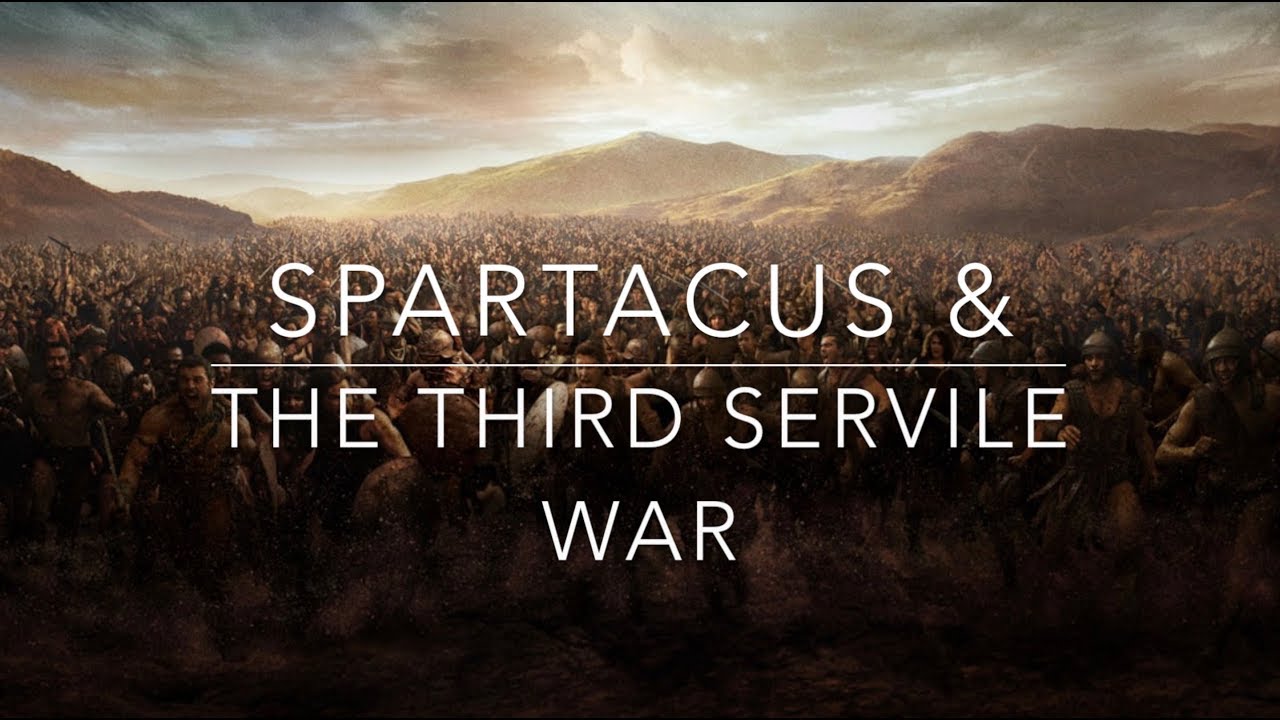
Watch the history documentary about Spartacus and the Third Servile War in Italy.
Gladiators primarily consumed a vegetarian diet consisting of beans and barley, which provided essential protein and carbohydrates for their training.
Ancient gladiators had remarkably white, hard teeth that showed no signs of decay, suggesting a diet and lifestyle that supported their dental health.
On the opening day of the Colosseum, the gladiatorial fight between Priscus and Verus ended in a draw, surprising the audience of thousands.
Barbadian invaders spark a new era of Roman history in this clip from 'The Pagan.'