From over 100,000 films, discover the handful you'll love.
Free or premium access to the world's largest documentary library.
12 films
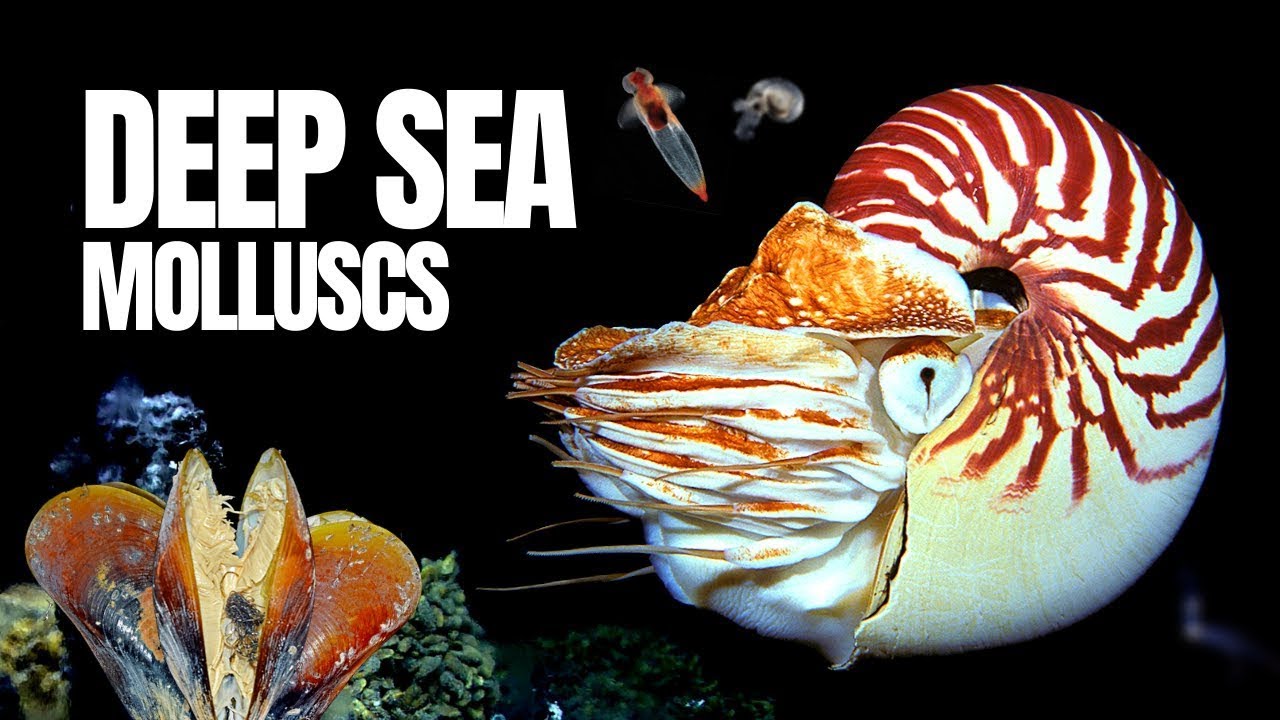
Molluscs, including cephalopods and gastropods, represent nearly 25% of marine organisms, showcasing remarkable diversity and adaptability across various ecosystems.
A giant squid can grow up to 24 feet long, with tentacles measuring six feet each, and possesses a beak capable of severely wounding its prey.
The Coordination Centre for the Study and Protection of Marine Species in Luarca houses the world's largest collection of giant squid, totaling 19 specimens.
Over half of Earth's surface remains unexplored, with the Kraken project aiming to capture images of the elusive giant squid in its natural habitat.
The ocean absorbs nearly a quarter of the carbon dioxide emitted each year, playing a vital role in regulating the planet's climate.
Three oceanographic ships set sail to search for the giant squid in the Carrandi trench, utilizing advanced underwater cameras and technology.
A 50-foot dead sea creature, identified as a globster, was discovered in May 2017 in Indonesia's Maluku Province, prompting expert analysis of its origins.
A team of researchers aims to film the elusive giant squid, Architeuthis, which can grow over 20 meters long, in its natural habitat off the Asturian coast.
A giant squid can grow around 1 cm a day, making it the fastest-growing animal in the kingdom and transforming tiny larvae into the largest invertebrates.
A giant squid measuring 6 meters was caught just 300 meters from the outer limit of the first buoy during an oceanic expedition in the Cantabrian Sea.
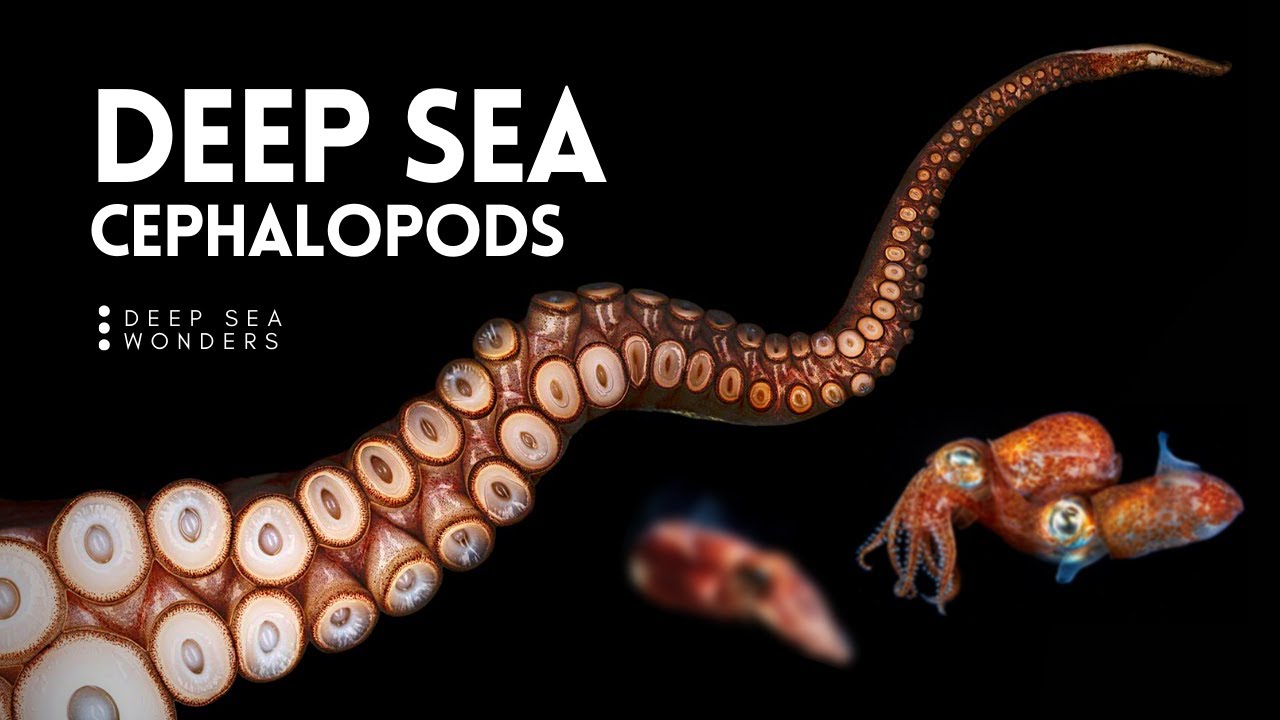
Cephalopods, including octopuses, squid, and cuttlefish, showcase remarkable intelligence, unique adaptations, and diverse biology that play crucial roles in marine ecosystems.
In the depths of the ocean, unique adaptations of marine life reveal how certain species become increasingly bizarre and unsettling as depth increases.