From over 100,000 films, discover the handful you'll love.
Free or premium access to the world's largest documentary library.
31 films
Hitler's position worsens as the Germans fail in the Battle of the Bulge in France.
On April 9, 1917, four Canadian divisions advanced up Vimy Ridge, employing new tactics that would change trench warfare during World War I.
A German division of 250,000 soldiers advanced on Stalingrad in 1942, facing heavy bombardments and fierce urban combat.
A flamethrowing tank could fire a jet of flame for up to 50 yards, designed to force enemy infantry out of fortified positions during World War II.
Hitler's invasion of Britain fails due to Germans not achieving air superiority in 1940.
The Polish Jews in the Warsaw Ghetto resist German oppression during World War II.
This premium documentary reveals life in the Third Reich through personal films and diaries of Germans.
Herman Hoppe's diaries reveal the strategic and personal experiences of a German engineer involved in the intense mine warfare centered around a small French town during World War I.
Home movies and personal diaries from 1937 to 1941 reveal the experiences of ordinary Germans during the Third Reich, including early WWII victories and emerging atrocities.
Adolf Hitler's refusal to retreat costs millions of Germans their lives as he seeks advanced weapons.
In the 1920s, the implementation of the 'Strength through Joy' program by the National Socialists transformed travel in Germany, making it accessible to a wider population.
The video details the June 26, 1944 bombing during the Battle of Normandy in WWII.
Hasan Azeemi discusses the directness of Germans and cultural perceptions in Germany.
Rachel Stewart shares tips for making small talk in Germany on Meet the Germans.
The documentary reveals the unrecognized suffering of Germans in Russian gulags during WWII.
The video explains the difference between 'affect' and 'effect' using examples from history.
Gerhard Prange reveals his illiteracy, a struggle faced by six million Germans today.
Dave Arnold explains popcorn science and cereal history at the Museum of Food and Drink.
German wedding traditions include church bells ringing and unique customs like breaking porcelain.
Chancellor Angela Merkel urges Germans to unite against the pandemic in her New Year's speech.
The German battleship Bismarck plays a central role in the intense naval confrontations between British and German forces during World War II.
Lupe and Sean highlight the importance of order in German culture and daily life.
On July 10, 1941, over a thousand Jews in Jedwabne, Poland, were locked in a barn and burned alive by local residents, not Nazis.
Angela Merkel urges Germans to follow COVID-19 restrictions ahead of Christmas.
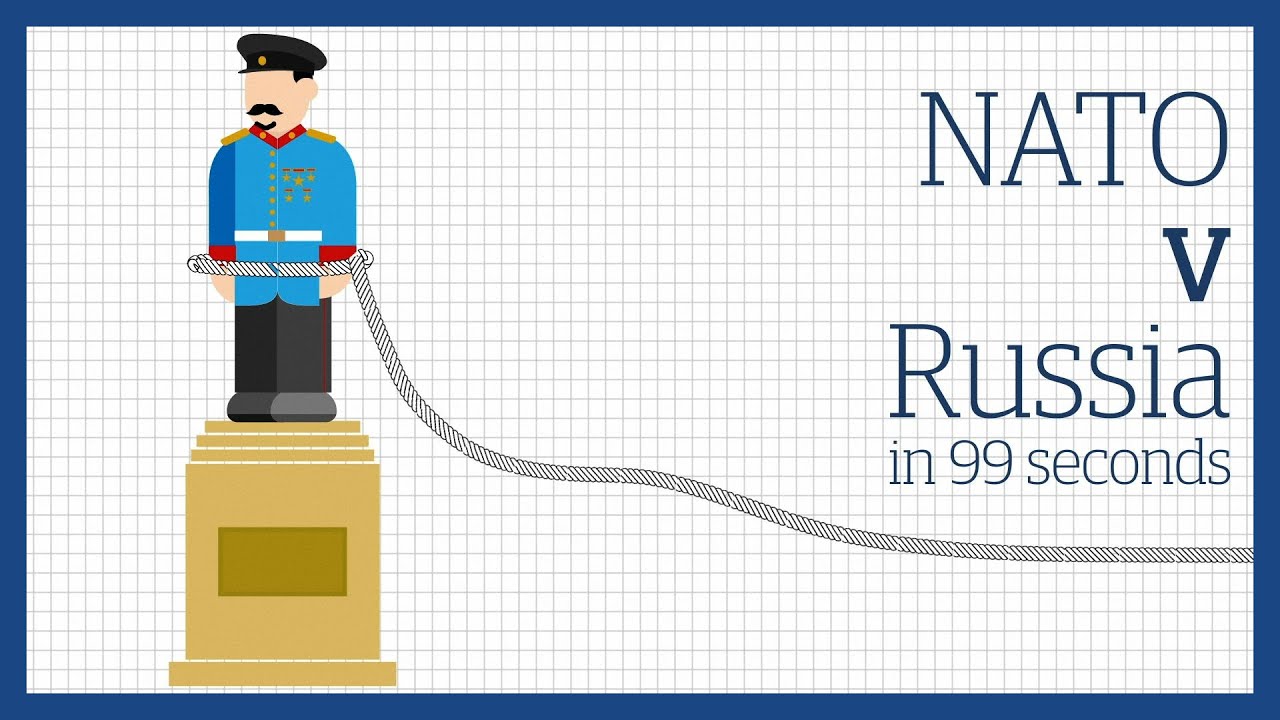
NATO expands from the North Atlantic to include Turkey and Greece, focusing on Russian threats.
Rachel discusses the complexities of the German language and its unique words.
In July 2006, Estonia faces a new siege from sex tourists drawn to its nightlife.
Karen and Teddy Sadaka discuss the decline of New York's garment district and its workforce changes.
John Cleese shares how laughter became his gift for acceptance in school.
Germans embrace sauna culture at 90 degrees Celsius, focusing on community and liberation.
In the 20th century, German migration to Rocket City was driven by economic opportunities and the promise of a new life in the United States.