From over 100,000 films, discover the handful you'll love.
Free or premium access to the world's largest documentary library.
17 films
Ecuador's Amazon rainforest covers the eastern third of the country at an average elevation of 300 meters, while the Andes rise to nearly 6,000 meters.
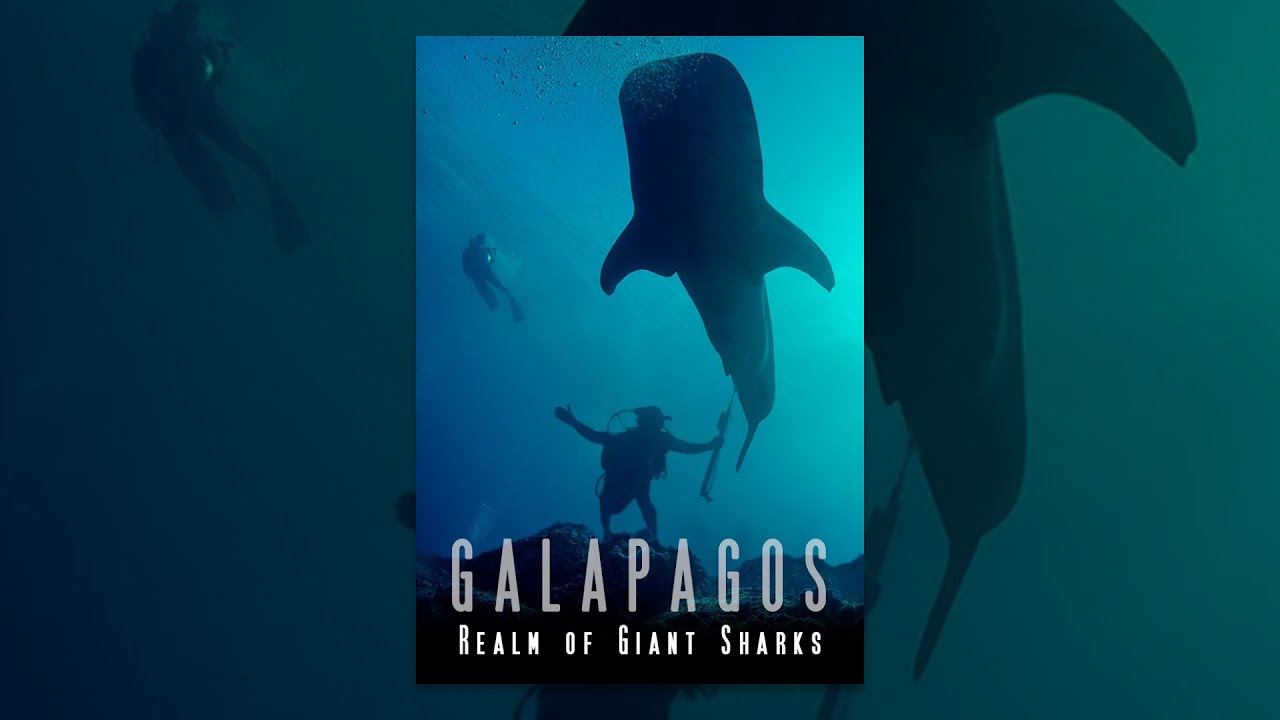
In the Galapagos archipelago, researchers track pregnant female whale sharks at Darwin Island to understand their migration patterns and ecological significance.
Liz Bonnin travels over 7,000 miles to the Galápagos Islands, where she encounters unique wildlife and emphasizes the need for conservation efforts.
Six months of no rain on Santa Cruz Island force giant tortoises to migrate in search of food, pushing them to their limits.
True rainforests along the Equator, from Africa's gorillas to Borneo's orangutans and Ecuador's jaguars, highlight critical conservation efforts amid biodiversity loss.
500,000 citizens in the Maldives welcome 600,000 visitors each year, while rising sea levels threaten their island nation and its coral reefs.
1,600 nautical miles from land, Adventure Aaron survived after his ocean rowboat capsized and he was surrounded by sharks in the Pacific Ocean.
A family traveled to ten countries over five years to examine how different cultures perceive and interact with wilderness and wild nature.
In remote regions such as the Namib Desert and Patagonia, ecosystems thrive in their natural state, largely untouched by human activity.
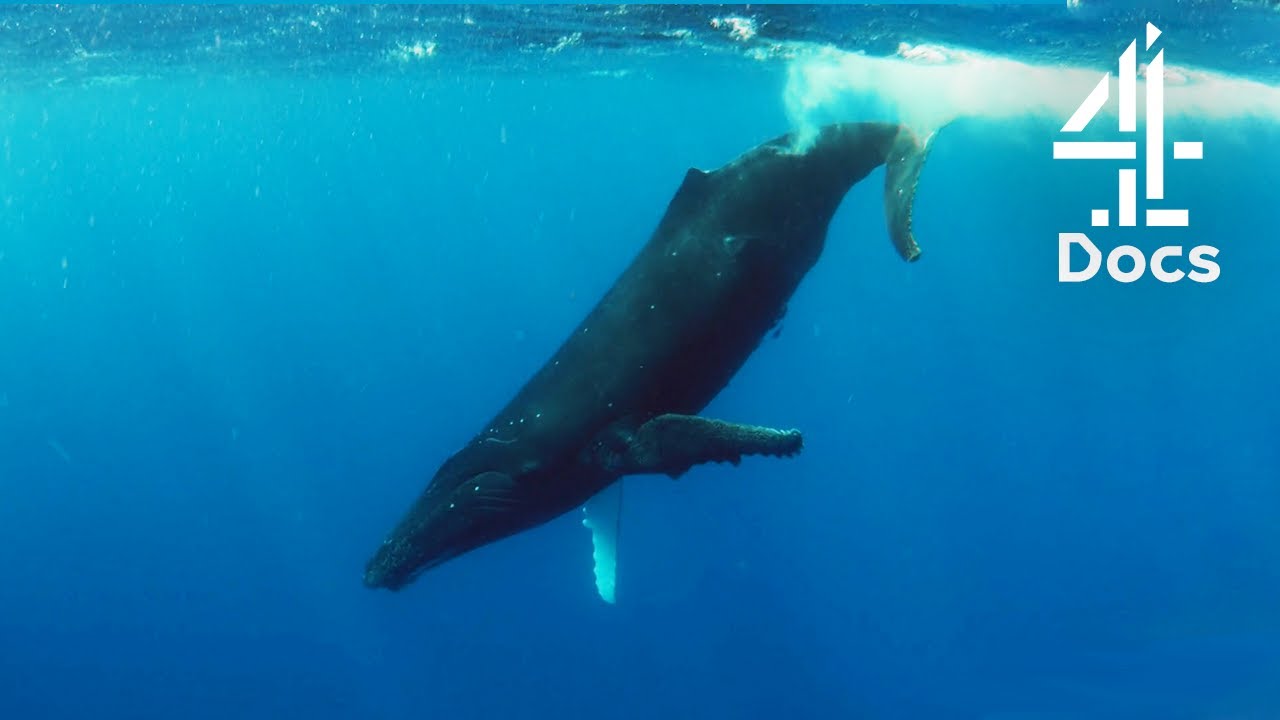
Monty Halls explores the sounds of the Galapagos ocean in this Channel 4 documentary.
In the Galapagos Islands, world-class scientists and filmmakers from National Geographic explore unique ecosystems, ancient civilizations, and conservation efforts.
The Galapagos host The Giant Galapagos Tortoises, which can survive a year without water.
Oceanic islands, comprising a sixth of Earth's land, host unique ecosystems shaped by volcanic activity and tectonic forces, as seen in locations like Hawaii and the Maldives.
The Galapagos Marine Iguana, the only lizard that can live in the sea, showcases unique adaptations that enable it to thrive in marine environments.
Marine reptiles, including sea turtles, marine iguanas, and sea snakes, exhibit unique adaptations for survival in ocean environments.
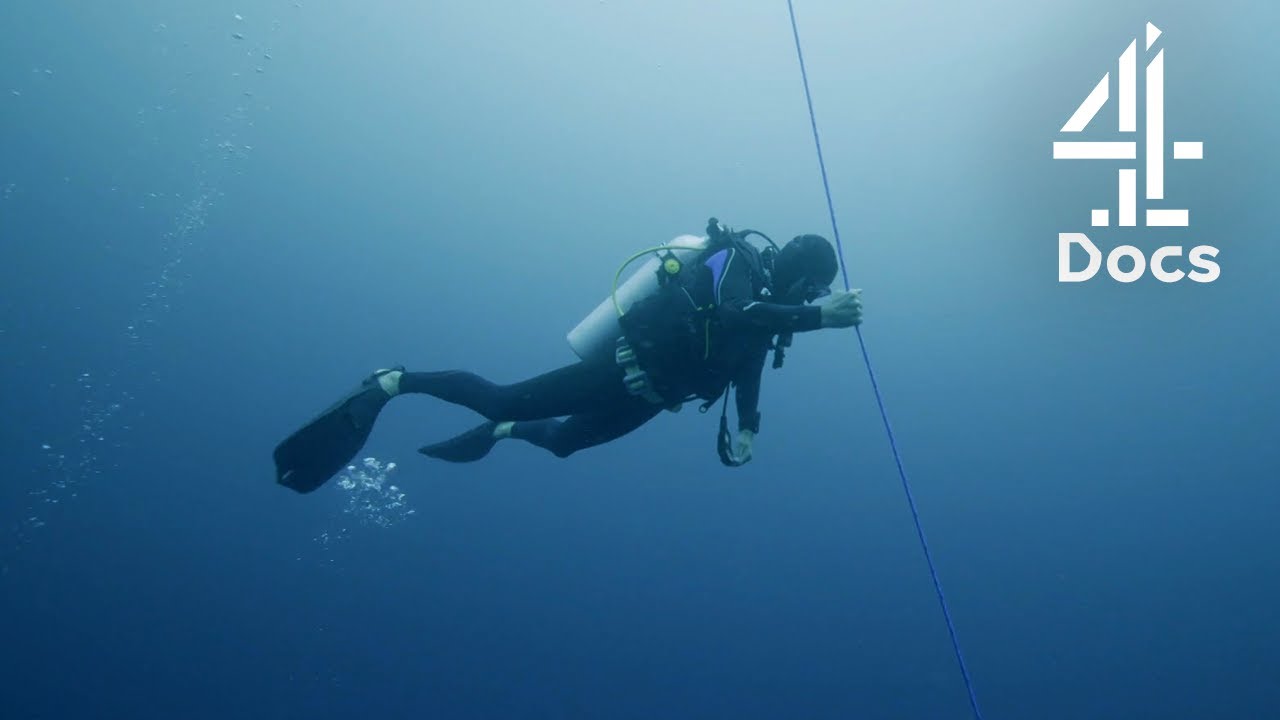
Monty Halls dives 55 meters deep in the Galapagos Islands for a Channel 4 Documentary.
The finch's beak in the Galapagos is different from ones in Australia, showcasing evolution.