From over 100,000 films, discover the handful you'll love.
Free or premium access to the world's largest documentary library.
14 films
Nearly 60,000 British troops were killed or wounded in just 12 hours during the first day of the Battle of the Somme in World War I.
In the French Foreign Legion, new recruits undergo intense training and selection processes, facing elimination at every turn as they strive to become elite soldiers.
More than 300,000 Soviet soldiers died during the battle for Berlin, which marked the end of the Third Reich in May 1945.
Nearly 40,000 fighters from the Wagner Group serve on the front lines in eastern Ukraine, operating outside of Russian law.
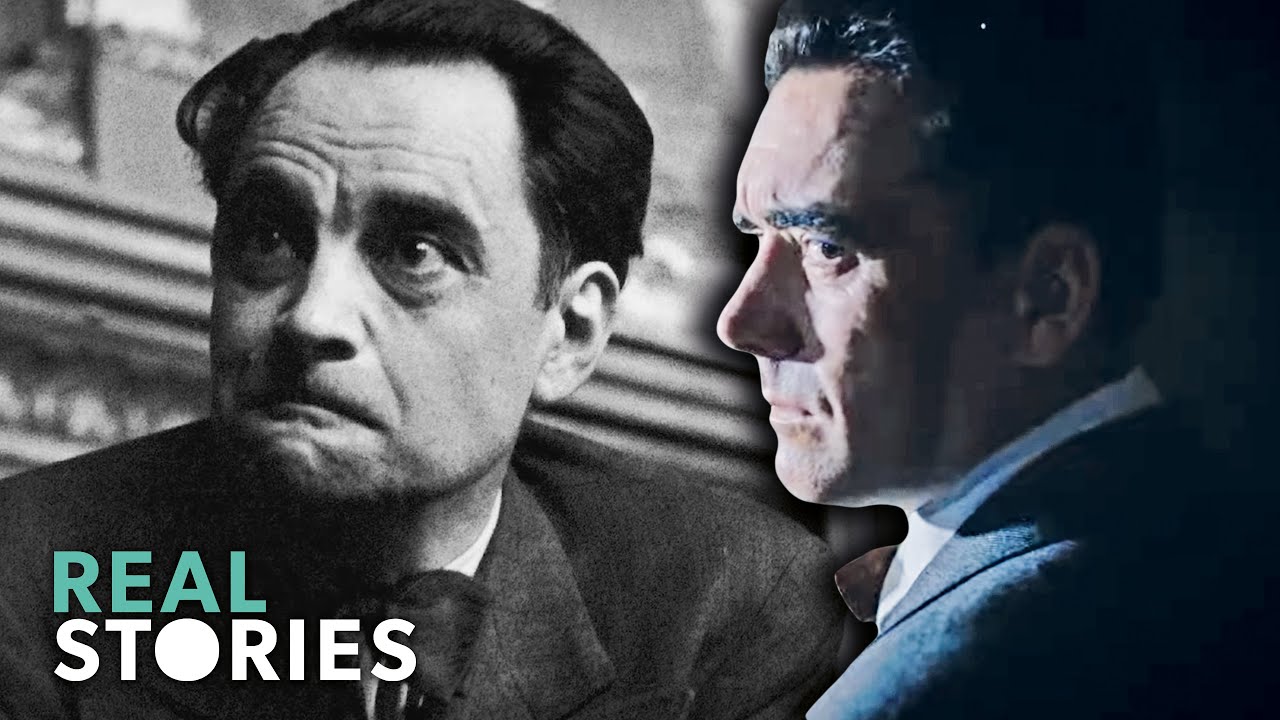
Ten million people fled from northern France to the south in 1940, creating chaos that a serial killer named Marcel Petiot exploited for his own gain.
France's secret use of chemical weapons during the Algerian War, including the 1959 Ghar Ben Shatouh attack, violated the 1925 Geneva Protocol and remains largely undocumented.
More than 10,000 illegal gold panners work in Guyana, contributing to severe environmental damage and health risks from mercury contamination.
Jean-Baptiste Bernadotte was born on January 26, 1763, in Pau, France, and rose from private to Marshal of France and ultimately King of Sweden.
General Douglas MacArthur received a bronze oak leaf cluster from Secretary of War George Dern in 1930, recognizing his service as Army Chief of Staff.
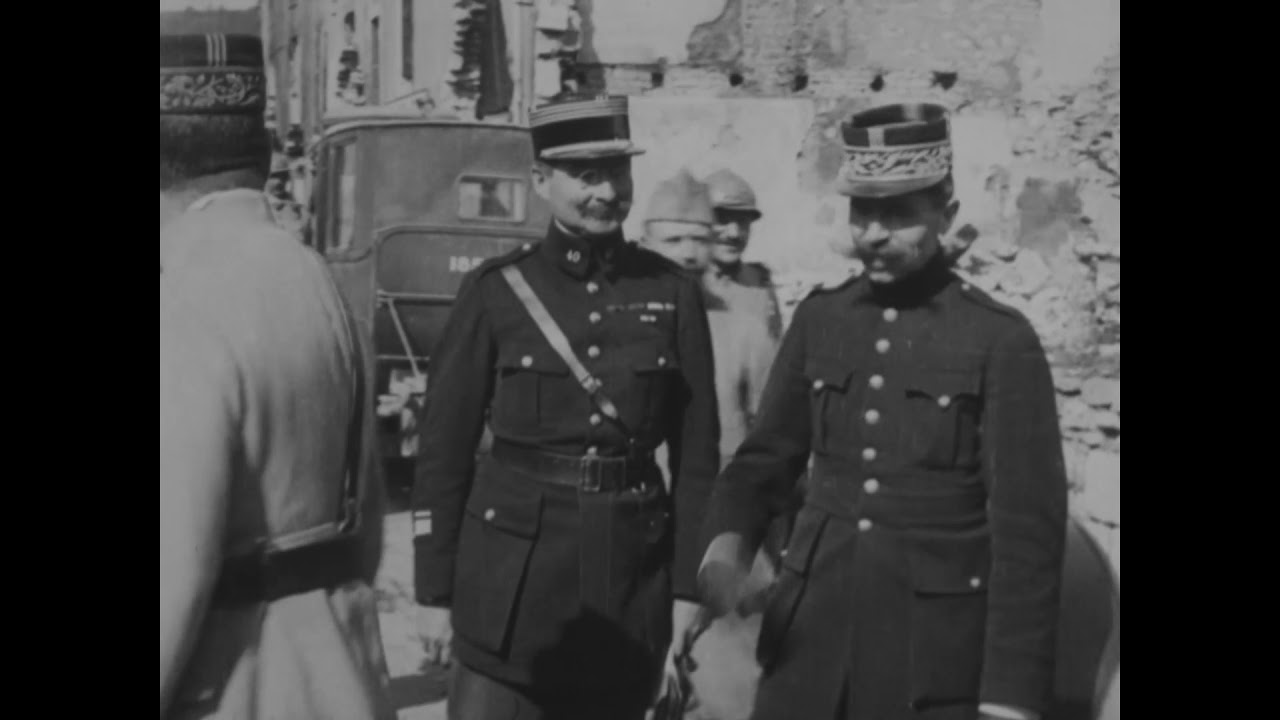
A pontoon bridge spans the Meuse River as French officers inspect the battlefield following the St. Mihiel Offensive from September 10 to 25, 1918.
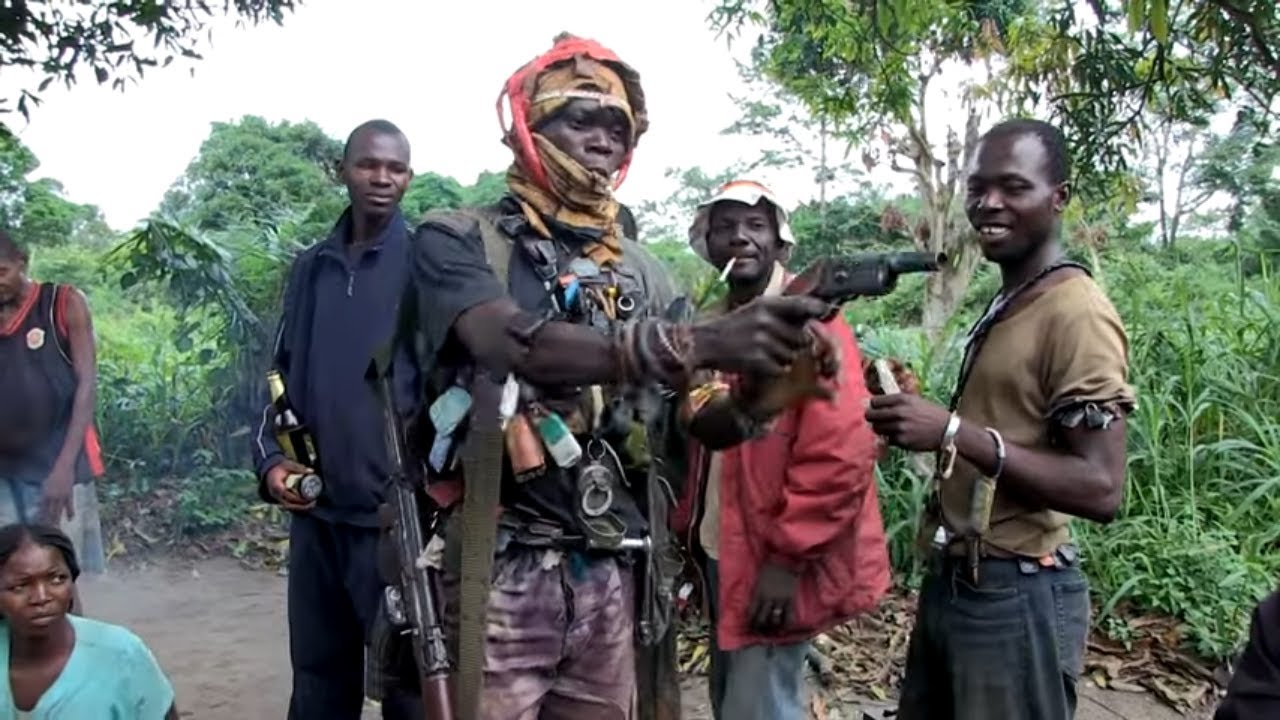
Two French soldiers died during a clash with militias in Bangui, marking the first casualties for the French military since Operation Sangaris began.
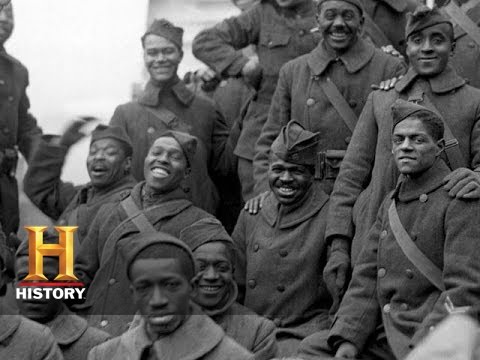
Henry Johnson fought off a German raid in World War I using a rifle as a club and a knife, despite being wounded and receiving no recognition upon returning home.
Troops from the 1st Division advanced through Seicheprey during the St. Mihiel Offensive, which took place from September 10 to 25, 1918.
Winston Churchill delivered his first address as Prime Minister on May 19, 1940, during a critical moment in World War II, as German forces advanced in France.