From over 100,000 films, discover the handful you'll love.
Free or premium access to the world's largest documentary library.
11 films
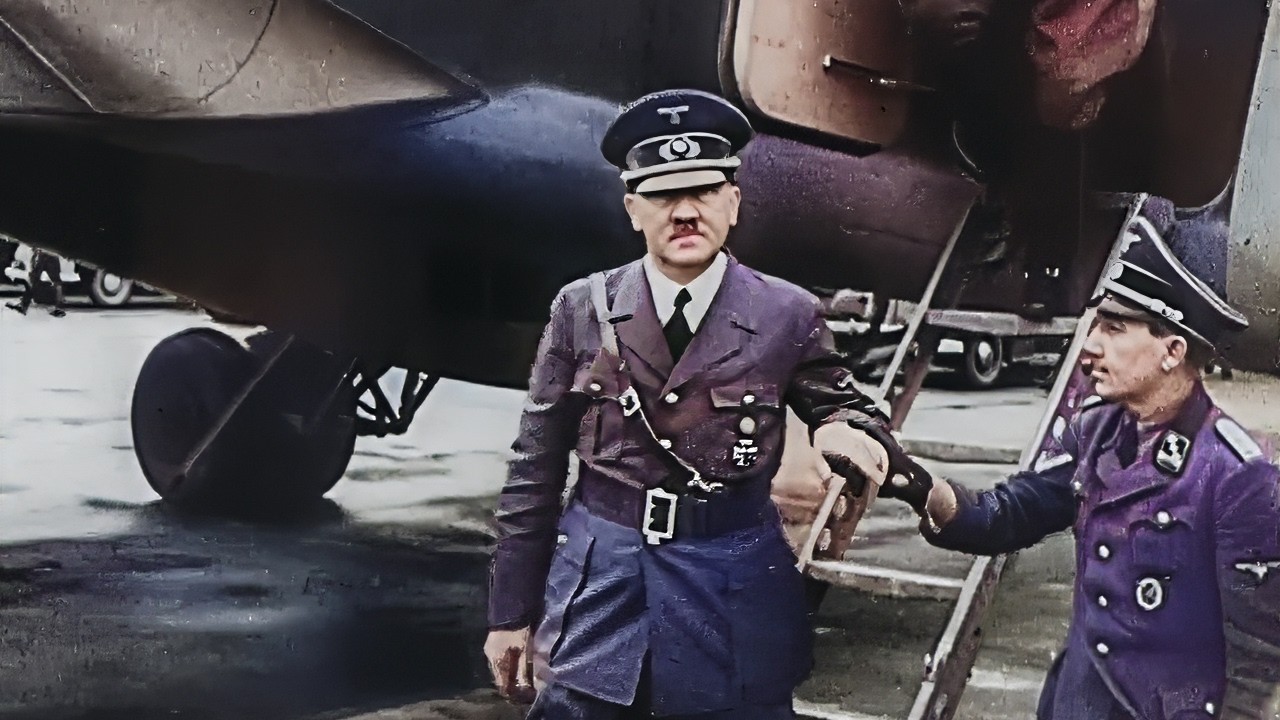
Hitler declared war on the USA following the Japanese attack on Pearl Harbor, escalating the global conflict during World War II.
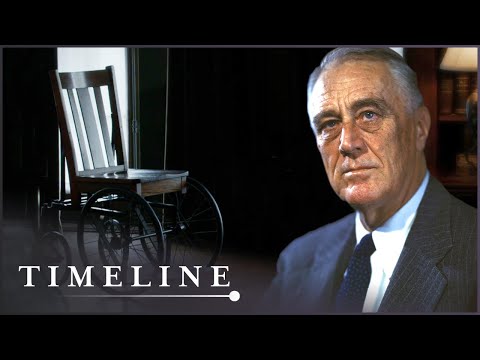
Franklin D. Roosevelt was diagnosed with chronic heart disease and lived as a secret paraplegic during his 12 years in office.
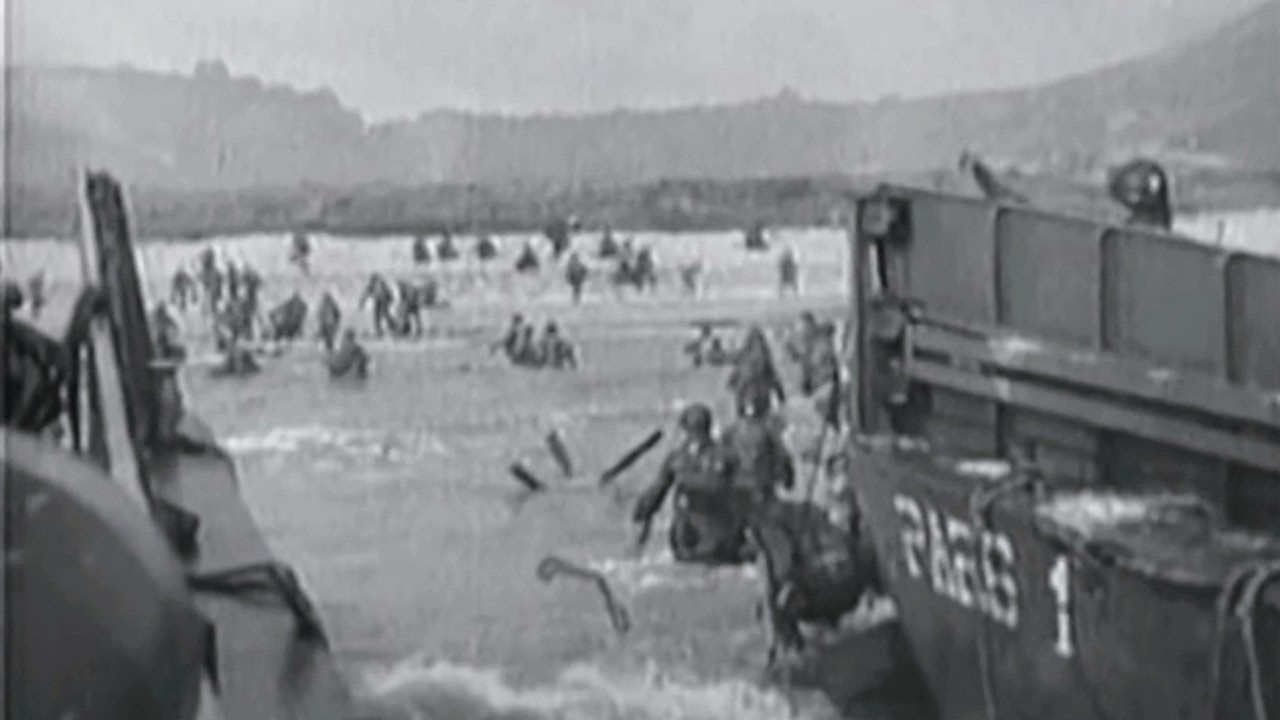
On June 6, 1944, Allied forces launched the largest seaborne invasion in history, landing on five beaches in Normandy to liberate France from Nazi occupation.
On December 7, 1941, Japanese forces attacked Pearl Harbor, resulting in significant losses for the US Navy and prompting America's entry into World War II.
On May 26, 1940, President Franklin D. Roosevelt addressed the American public, urging support for the Red Cross to aid millions fleeing war in Europe.
A year and a half into World War II, President Franklin D. Roosevelt declared that the "first crack in the Axis has come" during a fireside chat on July 28, 1943.
On October 5, 1944, Franklin D. Roosevelt addressed the nation, urging all Americans to register and vote in the upcoming election.
In June 1940, President Franklin D. Roosevelt appointed Henry Stimson and Frank Knox to key cabinet positions, marking a rare bipartisan effort during World War II.
On June 4, 1944, American and Allied troops captured Rome, marking the first of the Axis capitals to fall during World War II.
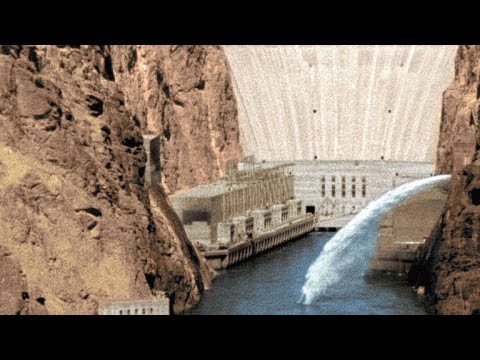
In 1936, the Hoover Dam began operating with 17 turbines, generating over 4 billion kilowatts of power annually for Arizona, southern Nevada, and Southern California.
On March 29, 1941, President Roosevelt addressed Jackson Day diners from the USS Potomac, stating, “The time calls for courage and more courage.”.