From over 100,000 films, discover the handful you'll love.
Free or premium access to the world's largest documentary library.
32 films
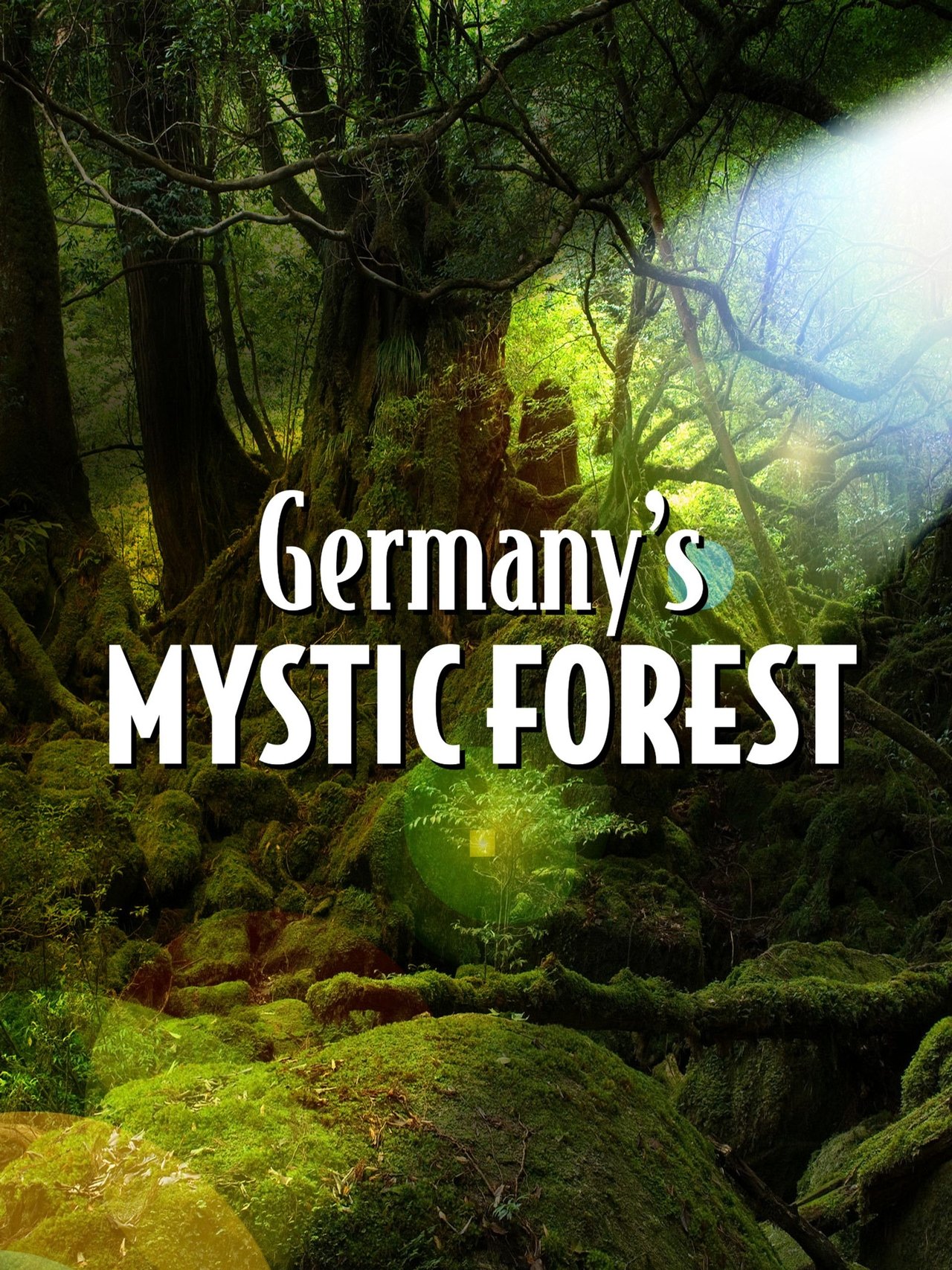
The Upper Middle Rhine Valley, a UNESCO World Heritage site, showcases a rich biodiversity and stunning landscapes, featuring unique flora and fauna along its banks.
2,000 rivers and streams flow into the Wupper, creating a diverse ecosystem that supports wildlife such as wolves, wild boars, and red deer.
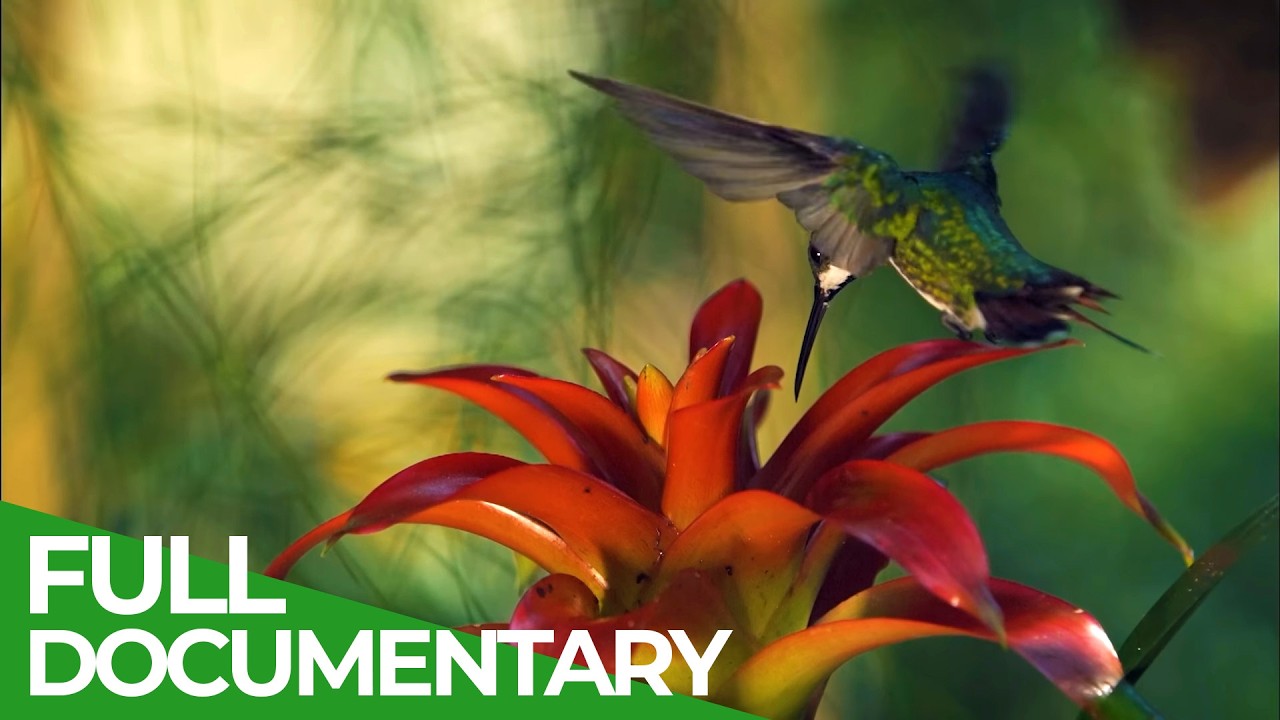
Colombia's diverse ecosystems, from the Andes to the Amazon, host a remarkable variety of unique plants and extraordinary wildlife.
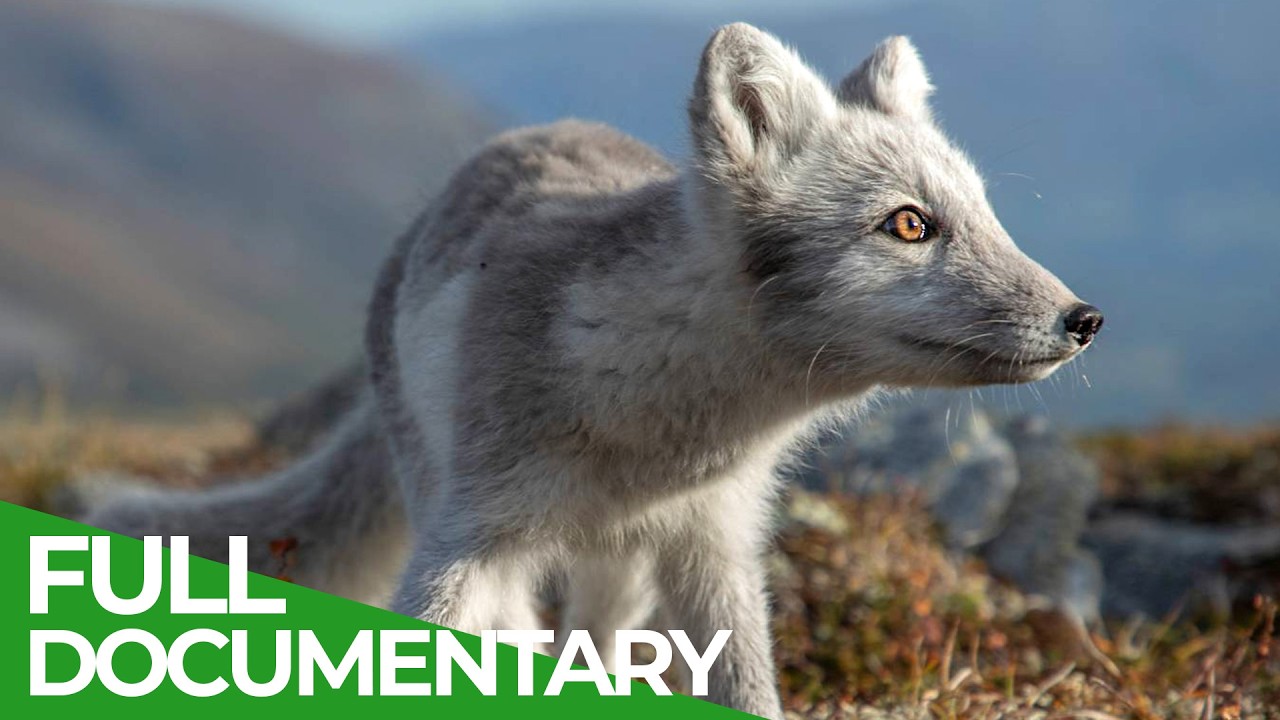
In the Arctic region, extreme contrasts of polar night and day shape the lives of resilient animals and plants that have adapted to survive harsh conditions.
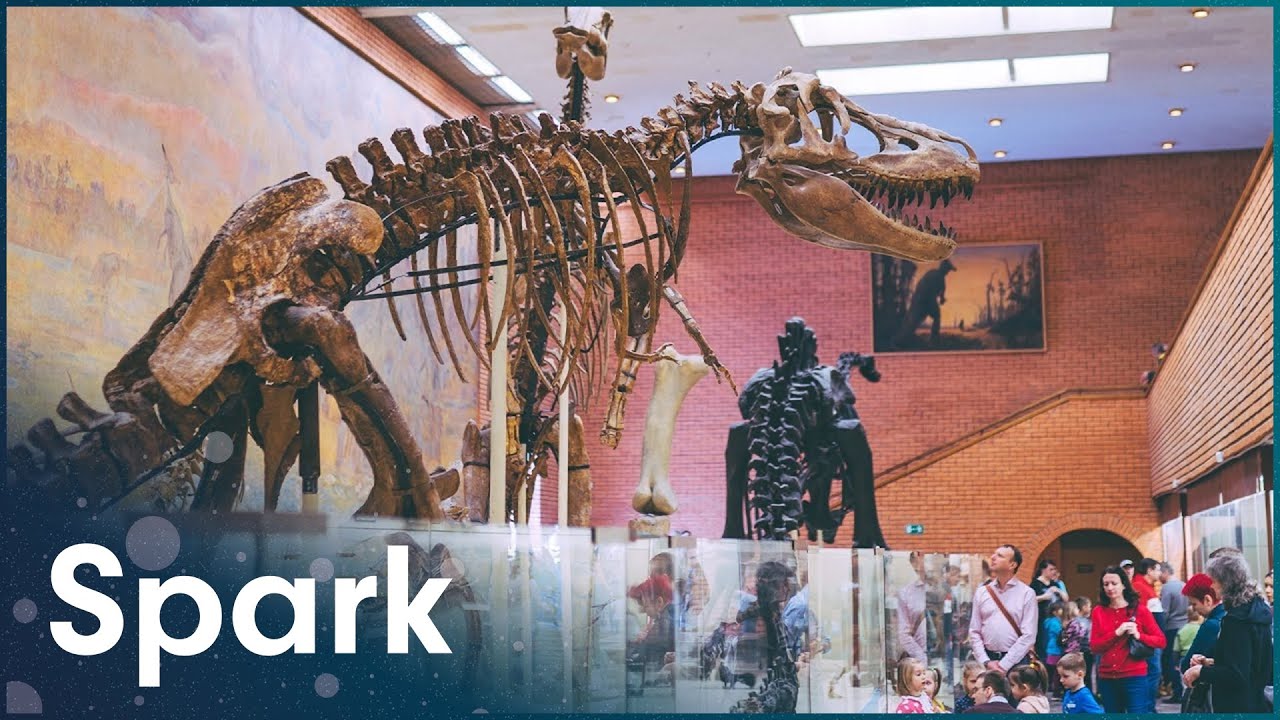
Scientists analyze sediment cores and plant fossils to explore factors beyond the asteroid impact that may have contributed to the dinosaurs' extinction.
Four of the world's eight species of marine turtles lay their eggs at Shell Beach, which attracts up to a thousand turtles each year from April to September.
Less than 500 Ethiopian wolves remain in the highlands, where a young wolf named Megeti struggles to find a new pack after losing her own.
Coastal wolves in the rainforests of Canada's west coast exhibit rare behaviors and interactions within their unique habitat, captured in stunning 4K imagery.
In the Falkland Islands, unique flora and fauna thrive, including diverse penguin species that inhabit this windswept archipelago in the southern Atlantic Ocean.
100 billion tons of water rush into the Bay of Fundy twice a day, creating the highest tides in the world and shaping a unique ecosystem.
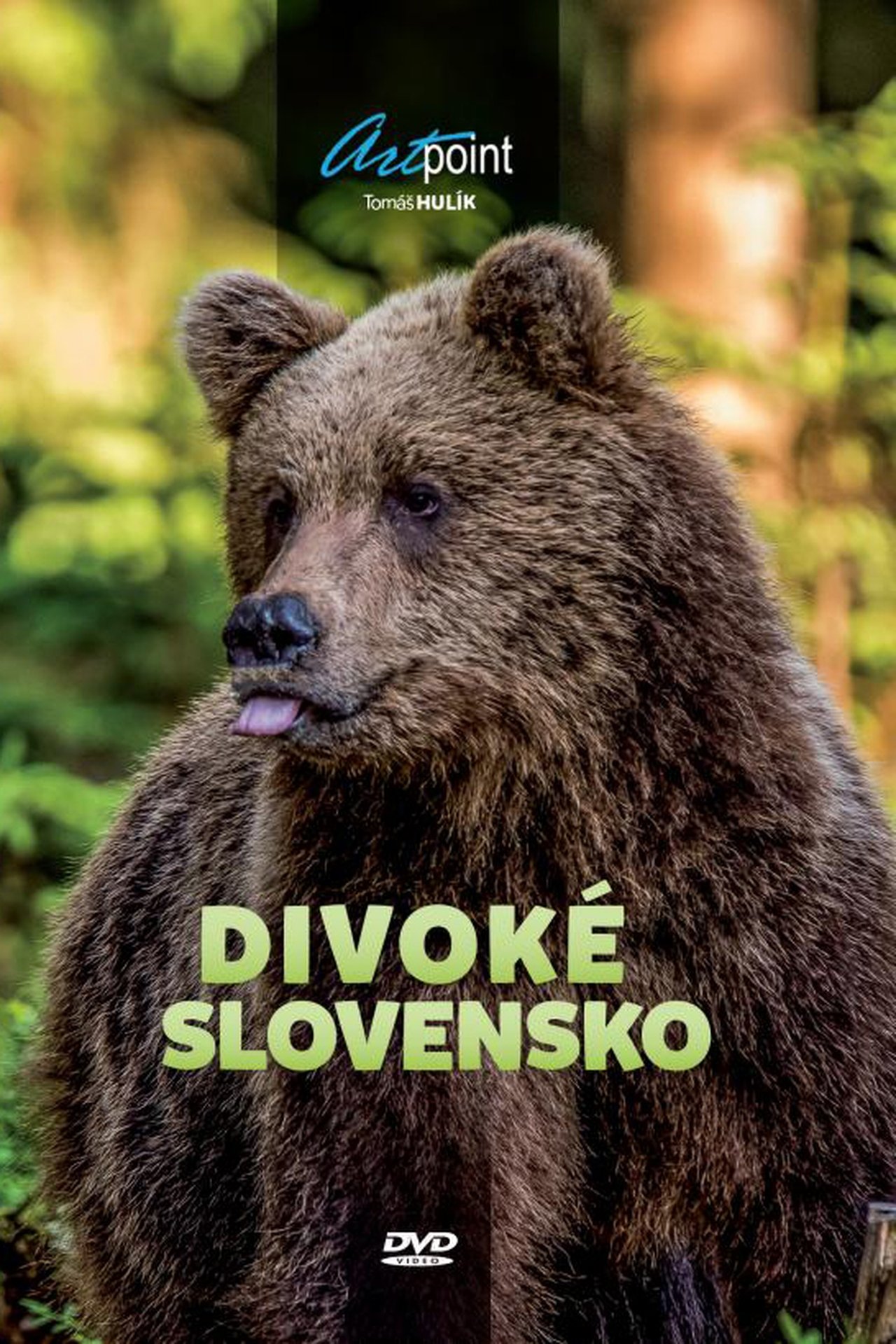
Over 1,000 species of plants and animals thrive in Slovakia's national parks, including Tatra National Park and Slovak Paradise National Park.
In the cloud forests of Sri Lanka, unique species like blue magpies and purple-faced monkeys thrive in isolated microclimates shaped by dual monsoons.
Moorlands are home to unique ecosystems featuring carnivorous plants, vibrant wildlife, and seasonal events like the rutting dance of Great snipes and crane chick hatching.
Ifrane National Park, covering 50,000 hectares, is home to one of the largest populations of Barbary macaques in the world.
Brazil's Atlantic Rain Forest, home to unique wildlife such as the largest South American monkey and intricate ecosystems, showcases the country's unparalleled biodiversity.
Lord Howe Island, situated between Australia and New Zealand, is explored for its unique wildlife and flora in an in-depth examination of this isolated nature reserve.
The Nariva reserve, covering over 7,000 hectares, is the largest swampland and most important freshwater reserve in the Caribbean.
Nicaragua's diverse ecosystems, from volcanic landscapes to lush mangrove forests, host unique flora and endangered species across its varied terrains.
In the polar region above the Arctic Circle, unique animal and plant life has adapted to survive the extreme contrasts of perpetual light and darkness.
Deserts, from the Sahara to the Namib, showcase unique survival strategies of flora and fauna while facing threats from climate change and human activity.
Palaeontology and archaeology reveal crucial insights into human identity and future possibilities by mapping past changes in flora and fauna.
Half a million birds from over 350 species rely on Keoladeo National Park for habitat and sustenance, making it a critical sanctuary for wildlife.
Earth's transformation from a fiery ball to a diverse ecosystem is explored, highlighting the development of its crust, climate, and early life forms.
Jordan is the fourth driest country in the world, where temperatures can rise above 40 degrees Celsius, shaping the survival of its unique wildlife.
520 exclusive species make up 28% of the total flora and fauna found in the Canary Islands, shaped by their volcanic origins and isolation.
Ennedi massif in northern Chad, a hidden oasis in the Sahara, hosts unique flora and fauna, including the last surviving crocodiles from 4,000 years ago.
Half a million birds from over 350 species rely on the 29-square-kilometer Keoladeo Ghana National Park as a vital stop during migration.
Fifteen full viscolaris lemurs were relocated to a reserve in Madagascar last year, with only three returning to their original habitat.
More than 25,000 large mammals inhabit the Ngorongoro Crater during the rainy season, thriving in its unique ecosystems and abundant resources.
Ingaï introduces his grandson Abderahim to camel breeding amidst the stunning flora and fauna of the secret canyons in the Ennedi massif of northern Chad.
Around 24 million feral pigs now roam Australia, threatening the survival of the endangered cassowary in the Daintree rainforest.
Wood Buffalo National Park covers 44,900 square kilometers, nearly one-and-a-half times the size of Belgium, and is home to 47 mammal species.