From over 100,000 films, discover the handful you'll love.
Free or premium access to the world's largest documentary library.
22 films
Cocos Island rises 640 meters from the Pacific Ocean and spans 25 square kilometers, making it the largest uninhabited rainforest island in the world.
Over 1,400 species of reptiles and amphibians inhabit Colombia, with 500 of those species found nowhere else in the world.
5.7 million square kilometers of the Coral Triangle, located between Indonesia, the Philippines, and Papua New Guinea, is home to three-quarters of all coral species.
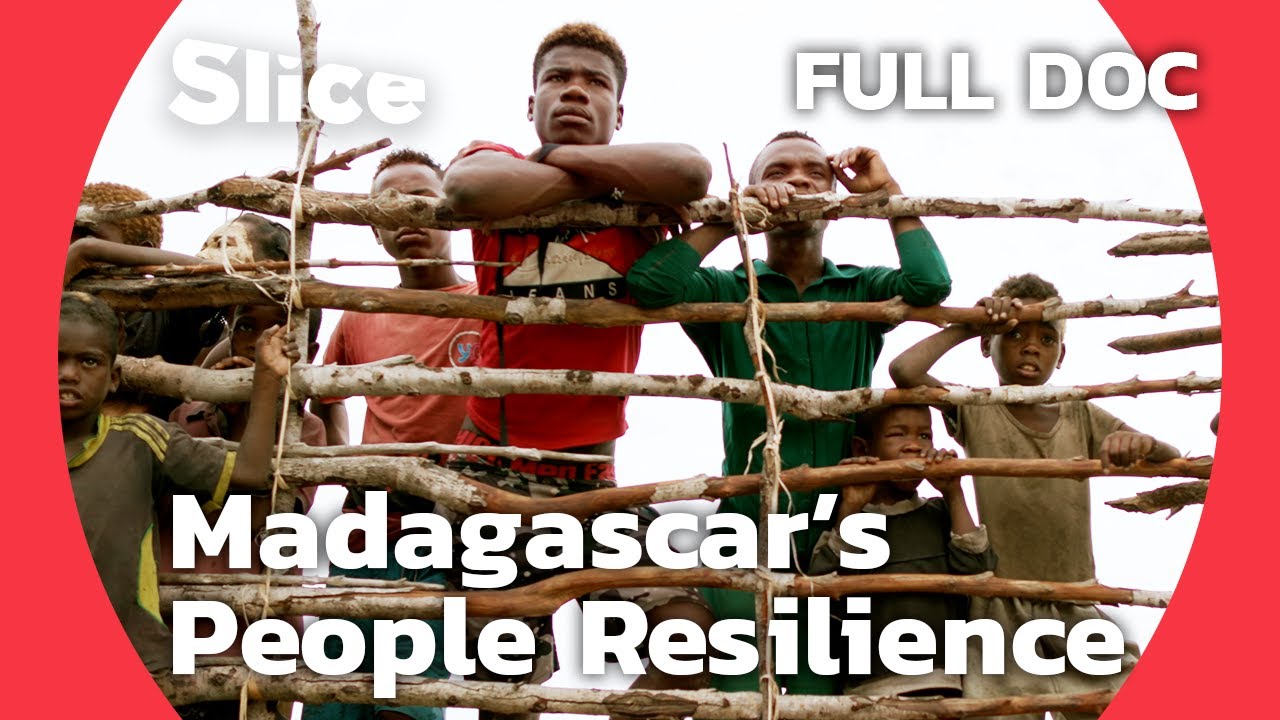
Madagascar's unique ecosystem, home to over 250,000 species including lemurs, chameleons, and the Toliara Reef, showcases extraordinary biodiversity found nowhere else.
Zanzibar, an exotic island chain in the Indian Ocean, is home to unique wildlife such as giant tortoises, red colobus monkeys, and coconut crabs.
New Zealand's unique biodiversity, including the flightless kiwi and kakapo, is explored through its geological history and evolutionary connections to Australia.
In the cloud forests of Sri Lanka, unique species like blue magpies and purple-faced monkeys thrive in isolated microclimates shaped by dual monsoons.
Lord Howe Island, a world heritage site, relies on conservation efforts led by Ian Hutton to protect its unique wildlife and fragile ecosystems.
Marsupials, including Koalas, Wombats, and Tasmanian Devils, showcase their unique behaviors and adaptations in this captivating exploration of these fascinating creatures!
Only about 100 Mikea remain in Madagascar, facing displacement from their ancestral forests as they struggle to preserve their traditional way of life.
Madagascar is home to thousands of endemic species, including lemurs, which evolved in isolation for thousands of years, revealing unique evolutionary paths.
Fenuahu, a remote sanctuary in New Zealand, is the site of urgent conservation efforts to save the critically endangered Kakapo parrot from a deadly fungal outbreak.
700 birds were caught and documented by ornithologists in a month, revealing the rich avian life in Bosnia and Herzegovina's diverse ecosystems.
At the Cape of Good Hope, 70% of the 9,000 plant species are endemic, providing a unique habitat for diverse wildlife during the wet season.
In the Chocó region of Colombia, the world's wettest place, unique biodiversity thrives within rainforests that host numerous endemic species.
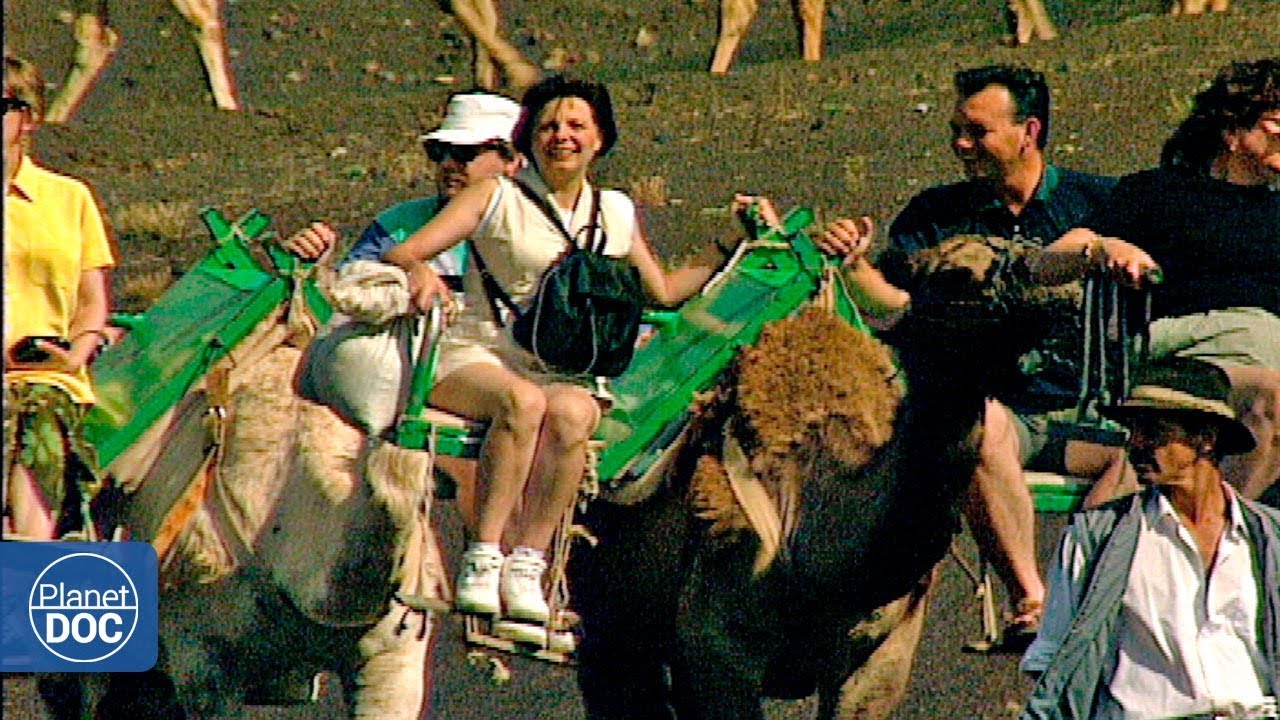
520 exclusive species make up 28% of the total flora and fauna found in the Canary Islands, shaped by their volcanic origins and isolation.
Eighteen eruptions have occurred in the Canary Islands over the last 500 years, shaping the land and creating unique ecosystems.
The Cape Floral Kingdom occupies only 0.04 percent of the planet's land surface but contains more endemic species than the larger floral kingdoms.
Annual rainfall on Cocos Island reaches 8,000 millimeters, supporting a unique ecosystem of endemic species found nowhere else in the world.
400,000 hectares of tropical forest make up La Amistad International Park, a shared area between Panama and Costa Rica that promotes peace and protects biodiversity.
Half of Madagascar's jungles have disappeared since the arrival of humans 2,000 years ago, leading to the extinction of at least two dozen large animal species.
Only about 3,000 wild Cuban crocodiles remain, primarily found in the Zapata Swamp, which is the only place they can live in the wild.