From over 100,000 films, discover the handful you'll love.
Free or premium access to the world's largest documentary library.
22 films
Historian Edna Greene Medford analyzes Abraham Lincoln's evolving views on slavery, family separation among enslaved people, and the impact of the Emancipation Proclamation.
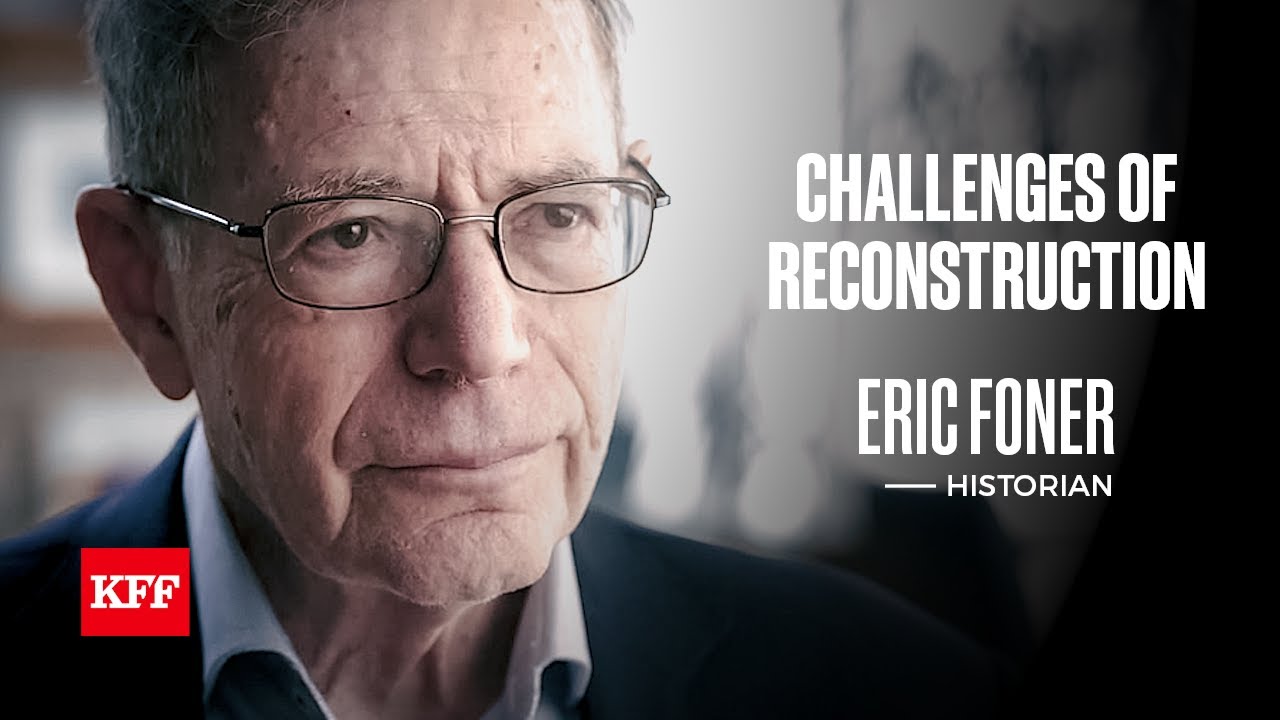
Historian Eric Foner discusses the significance of the four slave states that remained in the Union during the Civil War and the complexities surrounding Abraham Lincoln's evolving views on slavery and Reconstruction.
Historian Michael Burlingame examines Abraham Lincoln's challenges during his presidency, including the Fort Sumter crisis and the path to Emancipation.
Over 9,100 people visited the National Archives over New Year's weekend to view the original Emancipation Proclamation and see Abraham Lincoln's signature.
Frederick Douglass described Abraham Lincoln as "emphatically a Black man's President" shortly after Lincoln's assassination in 1865.
John Quincy Adams warned in the late 1830s that the North could use military necessity to justify the abolition of slavery during a conflict.
Professor Joseph P. Reidy argues that emancipation was a complex process, not solely defined by Lincoln's proclamation or the defeat of the Confederacy.
Todd Brewster discusses Abraham Lincoln's decision to issue the Emancipation Proclamation during a critical six-month period of his presidency.
In April 1865, Black people made up only about 1 percent of the population in Northern free states, complicating their fight for voting rights.
In 1863, the first national Thanksgiving was held on November 26, a date that coincides with Thanksgiving in 2020.
A book signing with author Harold Holzer follows a discussion on the life and work of Daniel Chester French, the sculptor of the Lincoln Memorial.
A court case in New Jersey in 1840 involved white individuals disputing the costs of caring for an enslaved woman named Minna.
Congressman Maxwell Frost, the only Gen Z member of Congress, discusses civic engagement during a conversation moderated by Soledad O’Brien at the National Archives.
Sojourner Truth delivered her famous speech "Ain't I a Woman" at the Women's Rights Convention in Ohio in 1851, advocating for abolition and women's rights.
Forty years after the Supreme Court's ruling in Brown v.
A panel of experts discusses President Abraham Lincoln's musical preferences and the cultural context of music during the Civil War at the National Archives.
On April 16, 1862, the DC Compensated Emancipation Act became law, freeing 3,100 enslaved individuals in Washington, D.C.
Ten years before the Emancipation Proclamation, Frederick Douglass worked tirelessly to influence Abraham Lincoln's views on slavery and freedom.
Dr. Colleen Shogan, the first woman appointed as Archivist of the United States, will interview Yuval Levin about his book on the Constitution.
Juneteenth marks the 156th anniversary of the arrival of Union troops in Galveston, Texas, to ensure the freedom of enslaved people on June 19, 1865.
The National Archives holds over 15 billion sheets of paper, 44 million photographs, and more than 6 billion electronic records.
A recent poll revealed that 48% of Americans were either not at all or not very aware of Juneteenth, a holiday marking the end of slavery.