From over 100,000 films, discover the handful you'll love.
Free or premium access to the world's largest documentary library.
13 films
Two million king penguins return to South Georgia each summer to reunite with their chicks after months spent at sea.
Hundreds of thousands of King Penguins gather on the beaches of Crozet, Marion, Kerguelen, and Amsterdam each summer to mate and raise their young.
Marine mammals, including sperm whales and elephant seals, exhibit remarkable adaptations and survival strategies to thrive in the extreme depths of the ocean.
Less than 250 millimeters of rain falls annually on the Valdés Peninsula, a vital refuge for marine mammals in Argentina.
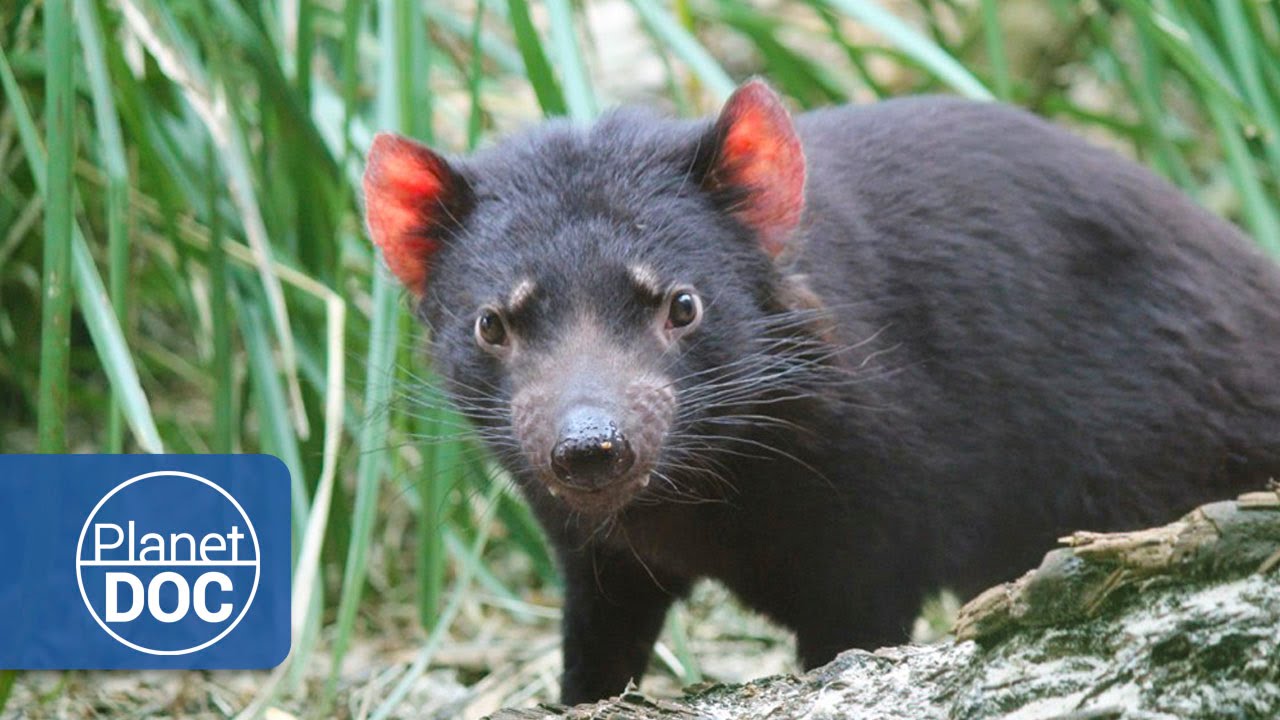
Tasmania separated from Australia around 13 million years ago, leading to a unique evolutionary path and the preservation of ancient ecosystems.
Hundreds of scientists fly from southern Chile to King George Island each summer, where they conduct research in one of the harshest environments on Earth.
Less than 250 mm of rain falls annually on the Valdez Peninsula, where marine mammals like southern right whales come to breed each year.
Dolphins coordinate in groups of three or four to increase their chances of catching prey, demonstrating the role of mutual aid in animal survival.
Along the Pacific Coast, various species of seals and sea lions gather from January to July for breeding and birthing, showcasing their unique behaviors.
Guadalupe Island is home to the northern elephant seal, which has made a comeback after being nearly wiped out by hunters in the 19th century.
In Antarctica, elephant seals and various penguin species rely on isolated islands as critical nurseries for breeding and teaching survival skills.
Up to 40,000 king penguins gather on South Georgia's beaches during the Antarctic summer to breed and raise their young.
In mid February, killer whales arrive in Patagonia to hunt elephant seals during their breeding season, demonstrating their intelligence and hunting strategies.