From over 100,000 films, discover the handful you'll love.
Free or premium access to the world's largest documentary library.
38 films
90 square kilometers of forest are lost worldwide every day, threatening the balance of ecosystems across various climates.
Kilauea's lava lake can reach depths of more than 750 feet, making it one of the most active volcanoes on Earth.
Crab Island, off Northern Australia, serves as a crucial breeding ground for flatback turtles while also being home to predatory crocodiles, as documented by marine expert Ben Cropp.
For the first time in 50 years, jaguars now live in the wild in the Iberá wetlands, marking a significant step in a large rewilding project.
In Malaysia's oldest rainforest, the life cycles of unique species like the proboscis monkey and orchid mantis highlight the intricate survival strategies of jungle inhabitants.
Gibbons, highly intelligent and agile tree-dwelling apes native to the tropical forests of Asia, face extinction due to habitat destruction and hunting.
More than a million pangolins have been poached from the wild since 2000, pushing the species to the brink of extinction.
Madagascar was settled around 700 A.D. by people from what is now Indonesia, later joined by Africans and colonized by the French in 1895.
Costa Rica's rain forests and ocean waters showcase the diverse wildlife and ecosystems that thrive in one of the world's most biodiverse regions.
In the mountains of Chile, a mountain lion mother teaches her cubs survival skills, showcasing the species' vital role in the Andean ecosystem.
As darkness envelops various landscapes, eagle owls, barn owls, and little owls emerge as silent hunters, showcasing the intricate balance of nocturnal life.
In Kenya's Maasai Mara National Reserve, the great wildebeest migration shapes the interactions between herbivores and their predators, highlighting the balance of life and death in the savanna.
In eastern Siberia, a Canadian experiment involving Muskox is revealing insights into their reintroduction and the discovery of the Nickolai Mammoth.
In the Maasai Mara National Reserve, the dynamics of predator and prey unfold during the great wildebeest migration, showcasing Kenya's rich wildlife ecosystem.
Cheetahs can reach speeds of up to 130 km/h, using their speed and camouflage to hunt prey on the African savannah.
Owls, eagles, falcons, and vultures are examined for their lethal hunting strategies and survival tactics in the wildlife kingdom.
In the natural world, tigers and snow leopards utilize camouflage for hunting, while cuttlefish mimic their surroundings to evade predators.
Ancient mountains, dense forests, and winding rivers in the Iberian Peninsula provide a habitat for remarkable wildlife, including Iberian lynx, brown bears, and golden eagles.
In Africa, predators such as crocodiles, lions, wild dogs, and hyenas demonstrate lethal efficiency through coordinated hunting strategies.
Manny Puig hunts wild boar in the wilderness with the assistance of his trained dogs, showcasing traditional hunting techniques.
In Africa's rivers, hippos, crocodiles, and fish eagles dominate the landscape, creating a perilous environment for both wildlife and humans.
Burmese pythons in Florida's Everglades pose a significant threat to native wildlife, prompting biologist Sean Heflick and python experts Greg Graziani and Michael Cole to implement eradication efforts.
The return of wolves to Idaho, Montana, and Wyoming has sparked ecological changes and innovative livestock protection strategies among local ranchers.
Each year, 1.3 million wildebeest undertake a 600-kilometer migration across East Africa in search of fresh grasses that follow seasonal rains.
Naturalist Kevin Van Tighem advocates for the protection of endangered wolves and their ecosystems in the Canadian Rockies through research and community engagement.
A living shark can generate close to $180,000 in a single year and nearly $2 million over its lifetime, significantly boosting Palau's tourism economy.
Biologist Luis Jácome investigates the conservation efforts for the critically endangered Andean Condor along the Andes Mountain Range in Argentina.
By the middle of the century, the global human population is projected to increase by 3 billion, intensifying pressures on ecosystems and wildlife.
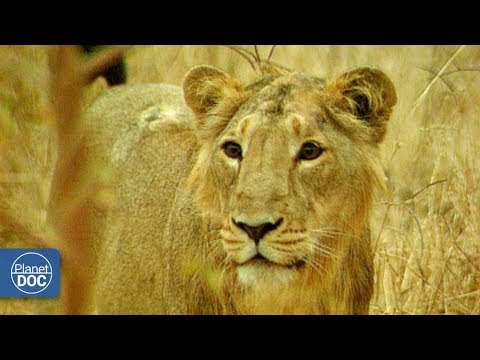
70% of the Asian lions' diet now comes from wild herbivores, as the Maldharis adapt their livestock practices to coexist with these predators.
From 1988 to 1990, Asian lions attacked people 100 times, resulting in 15 fatalities, primarily when livestock was threatened.
Half of Madagascar's jungles have disappeared since the arrival of humans 2,000 years ago, leading to the extinction of at least two dozen large animal species.
Manny Puig and his team work to control the wild boar population in Florida, addressing the damage these animals cause to local farmers' crops and land.
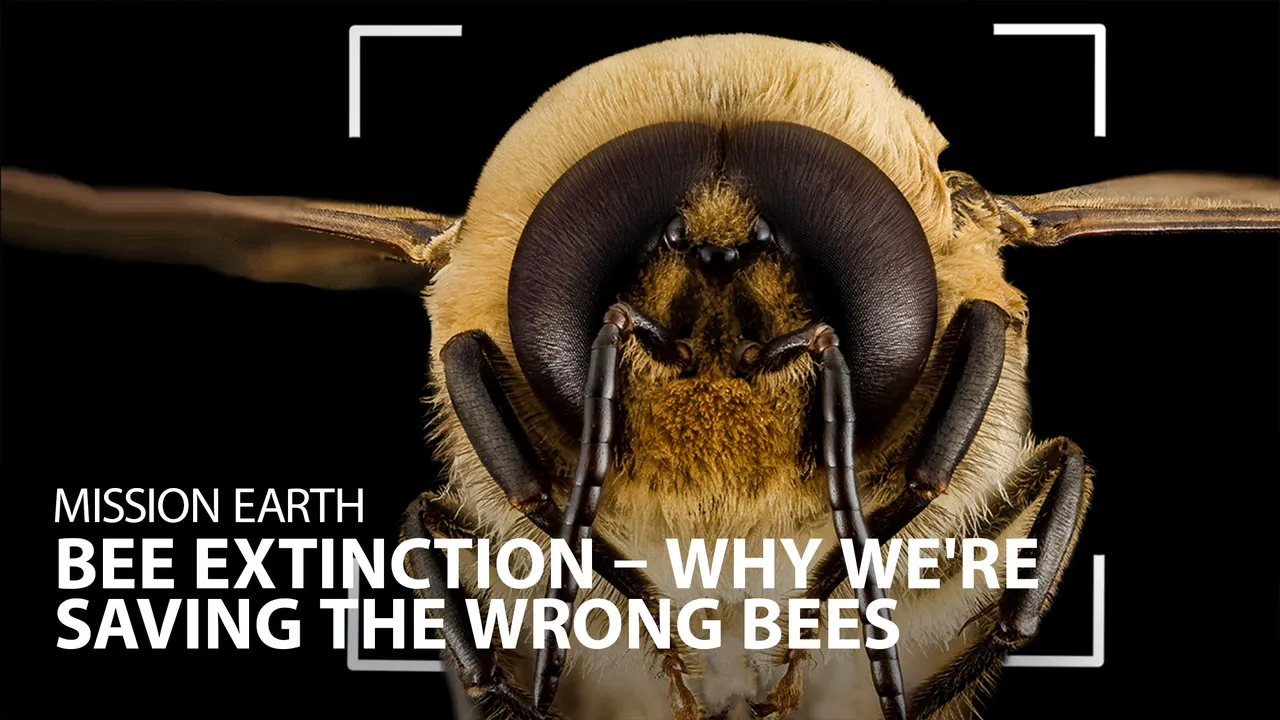
Honey bees are often misrepresented as the primary focus of conservation efforts, while other bee species play a vital role in maintaining biodiversity and ecosystem health.
Over 300 million years ago, limestone deposits formed the foundation of the Picos de Europa mountain range in northern Spain.
Black Bears in Yellowstone National Park are displaying cannibalistic behavior, a significant shift in their natural interactions.
A female salmon lays over 4,000 eggs in a river bed after swimming thousands of miles and overcoming many challenges.
Parasites, which make up nearly half of all living organisms on Earth, play a complex role in ecosystems and can benefit biodiversity and human health.
About 100 wolves now roam Yellowstone National Park, a significant recovery after they were eradicated for over 70 years due to hunting and bounties.