From over 100,000 films, discover the handful you'll love.
Free or premium access to the world's largest documentary library.
24 films
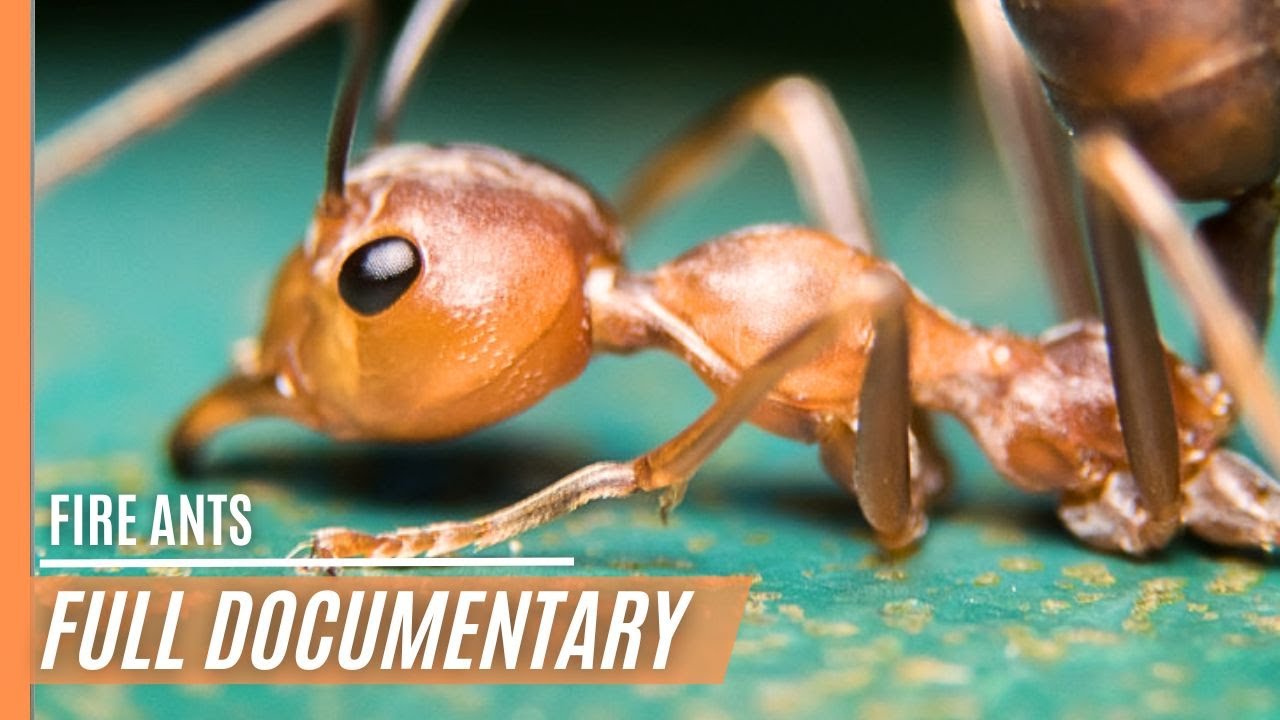
For 80 years, fire ants have caused an estimated six billion dollars in annual crop damage, equipment repair, and pest control costs across the United States.
Two meters deep, villagers in Papua New Guinea dig for megapode eggs, risking suffocation in their self-made holes.
New Zealand's kakapo, the world's heaviest parrot with only 154 individuals remaining, faces extinction as researchers work to preserve its dwindling population.
Scientists analyze sediment cores and plant fossils to explore factors beyond the asteroid impact that may have contributed to the dinosaurs' extinction.
Butterflies, starting life as caterpillars, exhibit remarkable transformations and intricate wing patterns that play crucial roles in their survival and reproduction.
Orca whales along the Pacific Coast are facing extinction due to declining chinook salmon populations, exacerbated by four dams disrupting their habitat.
Only 66 marsh deer remained in Kanha National Park by 1970, but conservation efforts have since increased their population to 550 by 1988.
In the Middle East, diverse habitats host unique wildlife, from Desert Ants in the Sahara to endemic fish species in the Red Sea.
Massive plant-eating dinosaurs are examined through the insights of paleontologist Jim Farlo and track expert Martin Lley, utilizing modern technology to enhance understanding.
The great auk, a flightless bird hunted for its fat, eggs, and feathers, became extinct by the mid-19th century due to overhunting and environmental changes.
Marine iguanas in the Galapagos Islands are facing a mysterious decline in population, prompting experts to investigate the causes and potential solutions.
In Jamaica, the American Crocodile faces habitat loss due to construction and hunting, prompting efforts to preserve its cultural heritage and ensure its survival.
Human impact on biodiversity has led to a significant increase in extinction rates, prompting urgent discussions about the long-term consequences of civilization's expansion.
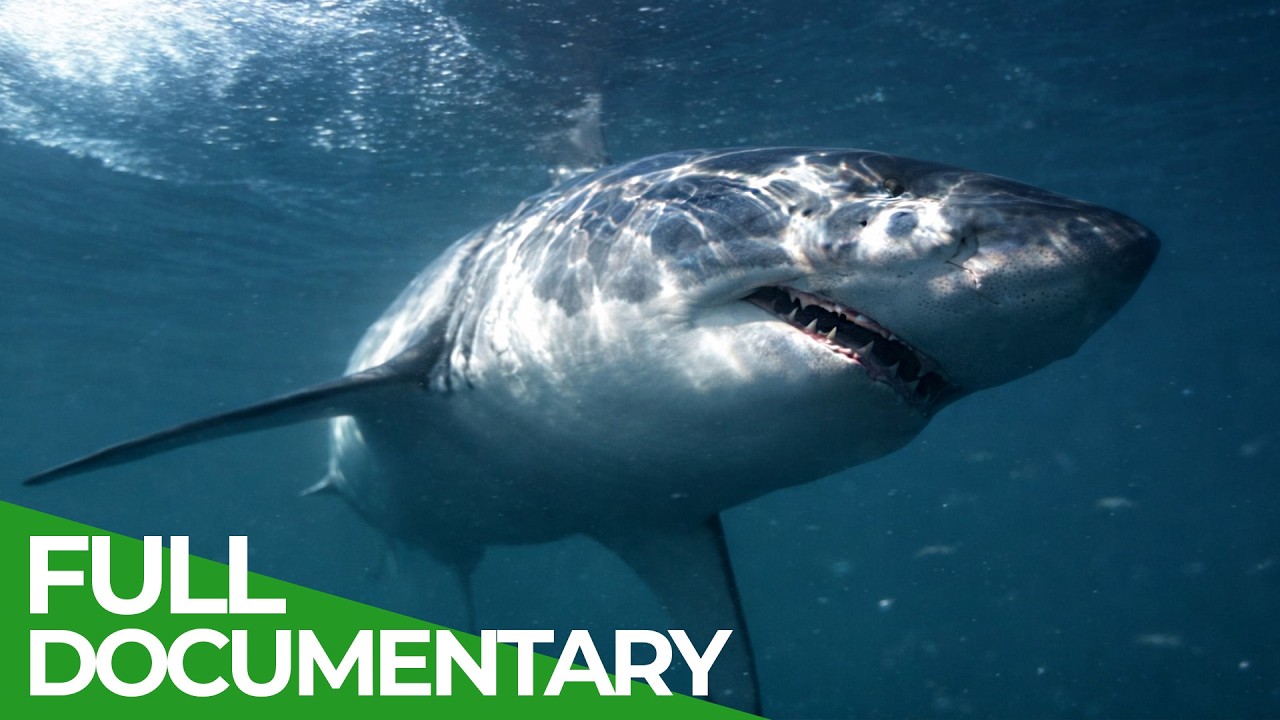
Sharks, having evolved over hundreds of millions of years, exhibit remarkable adaptations and hunting strategies across diverse habitats from southern Africa's rugged shores to tropical waters.
64,660 hectares of the Picos de Europa National Park in northern Spain protect diverse ecosystems and wildlife, including the endangered Iberian bear.
Natividad's fishing community transformed its approach to marine conservation by implementing strict self-regulations, raising critical questions about effective protection strategies.
In coastal Belize, human activity threatens manatees and sea turtles, with pollution and poaching contributing to the decline of these vulnerable species.
Gran Canaria faces ecological challenges due to an invasive snake population, prompting local residents and environmentalists to implement control measures.
Guadalupe Island is home to the northern elephant seal, which has made a comeback after being nearly wiped out by hunters in the 19th century.
Corruption and greed threaten wildlife conservation efforts, as illegal activities like the ivory trade drive endangered species toward extinction.
Rocket launches in French Guiana generate significant revenue for Europe, yet local communities face economic neglect and environmental concerns from the booming industry.
Monfragüe National Park is home to the largest colony of black vultures in the world, with over 250 pairs officially counted.
Plants can't run away if they're faced with danger. They need other ways...to protect themselves..
64,660 hectares of the Picos de Europa National Park in northern Spain protect diverse ecosystems and wildlife, including beech forests and alpine meadows.










.webp)
