From over 100,000 films, discover the handful you'll love.
Free or premium access to the world's largest documentary library.
18 films
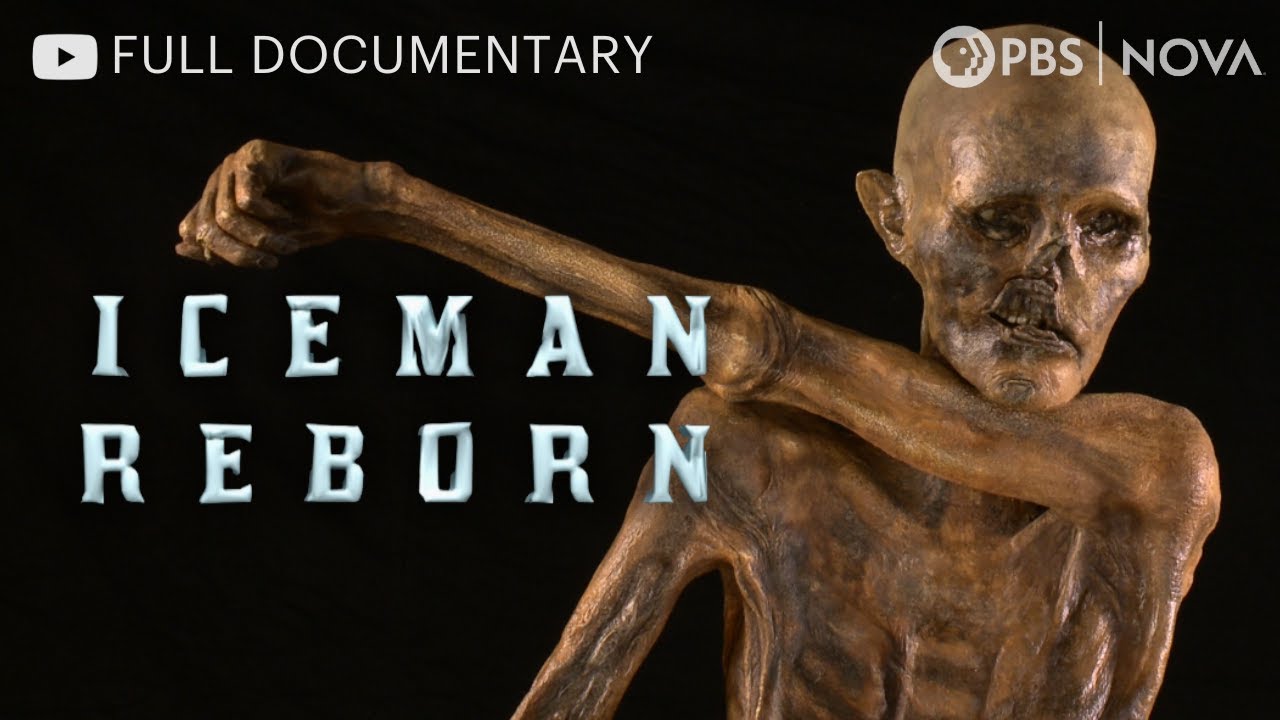
Ötzi, found in 1991 on a 10,000-foot glacier near the Austria-Italy border, is the oldest and most complete human specimen ever discovered.
Neanderthals were physically superior but became extinct, revealing their complex relationship with modern humans.
13.8 billion years ago, the Big Bang initiated the formation of the universe and the building blocks of life found throughout it.
Twelve New Zealanders test their DNA to find surprising family connections, including links to ancestors from 8,000 years ago.
Genetic research and DNA analysis reveal how nations construct narratives about their historical connections to ancient peoples and ancestral lineages.
Triplets Peter, David, and Philip search for their real father using DNA in Belfast.
Neanderthals, our closest extinct human relatives, vanished around 40,000 years ago.
Ageing is a biological process influenced by DNA that affects cellular replication and appearance, ultimately leading to the inevitability of death.
Ophiocordyceps fungus manipulates the behavior of ants, compelling them to act against their natural instincts, as explored through reconstructions by Franz Anthony and Dr. João Araújo.
Michael Skinner's research at Washington State University reveals inherited DNA's impact on health.
Scientists today use DNA to preserve knowledge lost in natural disasters throughout history.
Nick Goldman at the European Bioinformatics Institute explores DNA as a new data storage method.
Mildred Solomon and Josephine Johnston from The Hastings Center engage in a panel discussion moderated by Jill Rosenbaum on the implications of genetic medicine.
This tutorial clarifies how DNA and the genetic code work through practical examples.
The first confirmed remains of King Nastasen were found in his tomb, including a toe cap that may contain traces of human bone.
Ancient astronaut theorists link powerful beings to our DNA in Season 15, Episode 6.
In the 19th century, Charles Darwin faced significant challenges in explaining the evolutionary significance of certain shelled creatures, which puzzled naturalists for over a century.
The video discusses how the universe began with a big bang and connects us to outer space.