From over 100,000 films, discover the handful you'll love.
Free or premium access to the world's largest documentary library.
14 films
In the deep sea, real footage showcases iconic species like sixgill sharks and giant isopods, filmed by the Schmidt Ocean Institute and NOAA.
In 2023, the research vessel Falkor 2 traveled over 39,000 kilometers, mapping 190,000 square kilometers of seafloor and discovering five new hydrothermal vent fields.
Marine mammals, including sperm whales and elephant seals, exhibit remarkable adaptations and survival strategies to thrive in the extreme depths of the ocean.
There are about 10 to the 27th microbes on Earth, which Dr. Peter Girguis argues are essential for understanding potential life on other planets.
Sooty Terns and Alvin Shrimp exemplify extreme adaptation, thriving in the volatile Pacific Ring of Fire, where volcanic eruptions shape their survival.
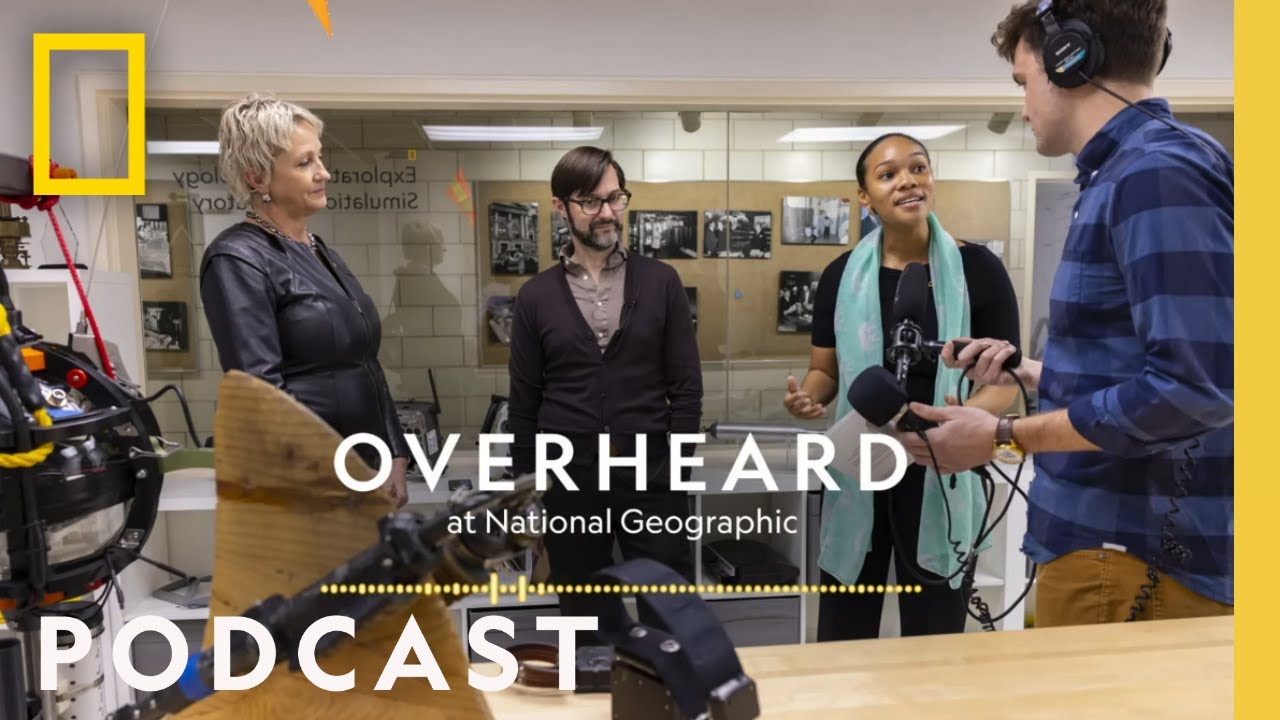
National Geographic celebrates its 135th anniversary with a behind-the-scenes look at the technology and people that drive its ocean research and artistic projects.
Jonathan Bird and his team explore unique underwater environments, including cenotes in the Yucatan, Palau's marine life, and Florida's Jackson Blue Spring.
In the depths of the ocean, sperm whales like newborn Lana and her clan navigate complex social structures defined by memory, care, and survival.
Orcas, known for their intelligence and social behavior, exhibit complex hunting techniques, including coordinated attacks on sea lions and strategic interactions with fishing boats.
Deep oceanic parasites, examined by marine biologist Jaida Elcock and experts, may indicate the health of marine ecosystems rather than being purely harmful.
In the deep sea, various animal aggregations, such as jellyfish blooms and scavenger communities, form vital hotspots of biodiversity that enhance survival and reproductive success.
Advancements in technology and research reveal the complex interconnections of the deep sea food web, highlighting the roles of photoautotrophs, consumers, and unique ecosystems like whale-falls.
Only three people have ever reached the bottom of the ocean, a place characterized by freezing temperatures and immense pressure.
In 1872, the HMS Challenger embarked on a groundbreaking three-year expedition that resulted in the collection of data on ocean life and the discovery of 4,700 new species.