From over 100,000 films, discover the handful you'll love.
Free or premium access to the world's largest documentary library.
33 films
More than 800,000 people are incarcerated in Brazil, with the São Luís Female Prison housing 300 women serving sentences for violent crimes.
Papua New Guinea has one of the highest crime rates in the world, with 80% of the population living below the poverty line.
Prisoners in Japan are required to maintain absolute silence outside of scheduled leisure hours, with strict rules governing their daily routines.
Bangkok, a vibrant metropolis of over ten million, grapples with one of Asia's highest crime rates, revealing deep-rooted corruption within its society.
Bangkok's high crime rate, rampant corruption, and systemic racism reveal a troubling underbelly of Thailand's vibrant capital city.
Every year, 30,000 Americans are shot dead, with 18,000 of those being children, reflecting the dangers of gun ownership in the country.
In Chihuahua City, residents of a makeshift camp face dire living conditions while working as fruit pickers, amidst local tensions and rising crime rates.
In Brazil's largest city, São Paulo, rampant crime, including armed robbery and drug trafficking, challenges law enforcement and community leaders like a pastor fighting addiction.
Property prices in Jaffa have increased nearly tenfold, displacing long-time residents as the city transforms into a sought-after real estate market.
In Chihuahua, Mexico, a camp of fruit pickers faces dire living conditions and local resentment, as residents struggle with low wages and rising crime.
In Rio de Janeiro, heavily-armed gangs and police violence create a state of urban warfare, exemplified by the deadly police operation in Jacarezinho in May 2021.
Guns among South African school pupils have become a disturbing norm, driven by gang violence and drug dealing, escalating crime in educational settings.
Bangkok, a bustling metropolis of over ten million, grapples with high crime rates and pervasive corruption that many locals view as an unofficial tax.
Vancouver's downtown east side, known for its high crime rate and severe homelessness, is explored through Misha Kleider's month-long undercover experience on the streets.
In Asia, a gender imbalance has resulted in 170 million "missing" women, leading to increased crime rates and the commodification of women in countries like China and India.
Dallas, Texas, showcases stark contrasts between its booming economy and significant poverty, with 1 in 5 residents living below the poverty line and the presence of 'Tent City'.
Japan's strict prison system, characterized by harsh rules and treatment of inmates, raises questions about its effectiveness in maintaining one of the world's lowest crime rates.
Half a million serious crimes were reported in New York City in 1990, marking the worst crime year in the city's history.
George W. Bush's tough-on-crime policies in Texas during the 1990s led to a significant drop in crime rates but also resulted in the highest incarceration and execution rates globally.
Antique guns from the USA, classified as legal, have infiltrated the UK, leading to a surge in deadly crimes and exposing significant legal loopholes.
In Johannesburg, gang violence leads to twenty murders a day, with citizen militias emerging in response to police withdrawal from impoverished neighborhoods.
São Paulo's stark contrast between extreme wealth and poverty highlights the urgent need for improved infrastructure and social inclusion in urban life.
The debate over reinstating the death penalty in South Africa intensifies as the main Opposition party argues it could reduce rising crime rates.
Guadeloupe's capital, Pointe-à-Pitre, faces a surge in crime, with high rates of homicides and violence against children, prompting local efforts for change led by Édouard Boulogne.
In Lagos, Nigeria's economic hub, a stark divide exists between the wealthy elite in the oil industry and the impoverished residents of sprawling slums plagued by crime and corruption.
Punishment for minor offenses, such as graffiti, has been shown to impact crime rates in cities like York, where crime has been declining for decades.
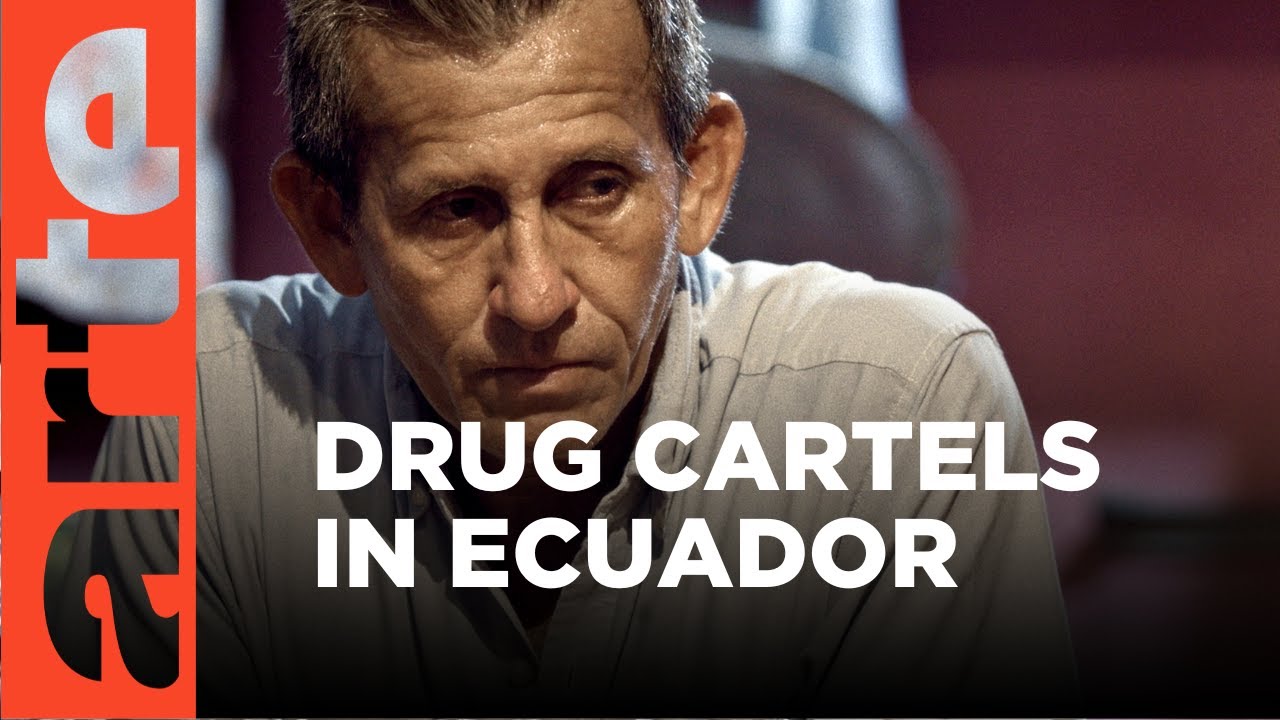
Ecuador, once a stable nation in South America, now faces escalating violence linked to the drug trade due to its geographical position between Colombia and Peru.
In 2011, Puerto Rico recorded over 1,000 murders, marking its highest homicide rate and leading the world in firearm-related homicides the following year.
In Guadeloupe, a dire economic situation and a strengthening drug trade have led to the highest rates of violence in France, prompting local organizations and police to seek solutions.
Around 300,000 people live on Mayotte, an island in the Indian Ocean, where many face inadequate housing and limited access to education.
In Japan, the treatment of foreign prisoners raises questions about the country's strict justice system, which is linked to its remarkably low crime rate.
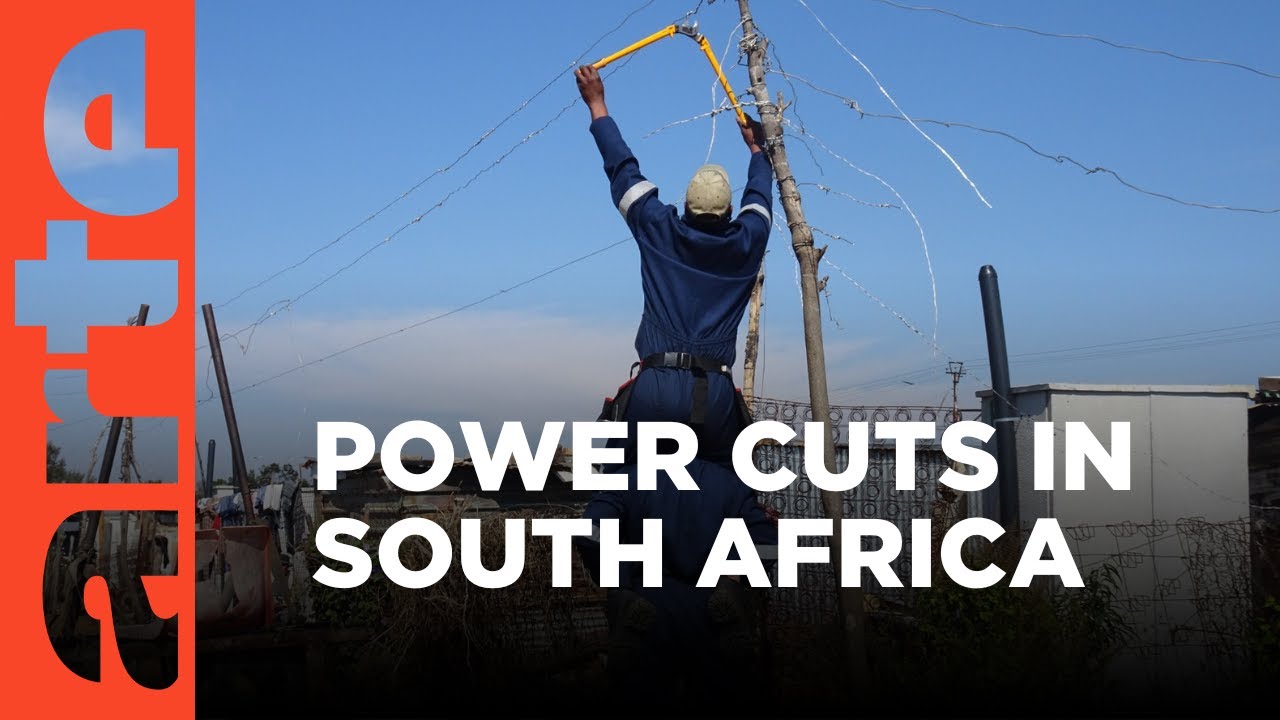
Power cuts lasting 2 to 4 hours disrupt daily life in Johannesburg, affecting households and businesses across the city.
Reynosa, Mexico, with a population of 600,000, is ranked among the 50 most murderous cities by the Mexican government, yet local leaders dispute this characterization.