From over 100,000 films, discover the handful you'll love.
Free or premium access to the world's largest documentary library.
44 films
On August 8, 1988, the military violently cracked down on an uprising in Myanmar, marking a turning point in the nation's struggle for democracy.
A group of people wrote a constitution that established a level of freedom in America not found anywhere else in the world.
On April 1, 1970, the U.S. population reached 204,765,770, reflecting significant demographic changes across urban and rural areas.
Every four years, 538 electors cast their votes for President in December, a process rooted in the U.S. Constitution established in 1787.
Richard Brookheiser discusses 13 key documents from 1619 to 1987 that define America's unique relationship with liberty.
Thirty-six thousand dollars was the cost to create the Faulkner murals in the National Archives Rotunda, a significant sum during the Great Depression.
Akhil Reed Amar's analysis covers decades of debate over governance from 1760 to 1840, addressing issues like slavery and territorial expansion.
The Bill of Rights was put on view in the National Archives rotunda in 1932, long before it was exhibited alongside the Constitution in 1952.
On September 16, 1821, James Madison, portrayed by John Douglas Hall, reflects on his role in drafting the Constitution 34 years earlier.
The National Archives holds approximately 13 billion pieces of paper, including records from 14 presidential libraries, as part of its mission to preserve government documents.
On February 5, 2020, Judge Douglas H. Ginsburg will lead a discussion on constitutional freedoms with Professor William Baude at the University of Chicago.
Dr. Colleen Shogan, the first woman appointed as Archivist of the United States, will interview Yuval Levin about his book on the Constitution.
Alexander Tsesis argues that the preamble to the Constitution should play a central role in understanding contemporary issues like health care and campaign financing.
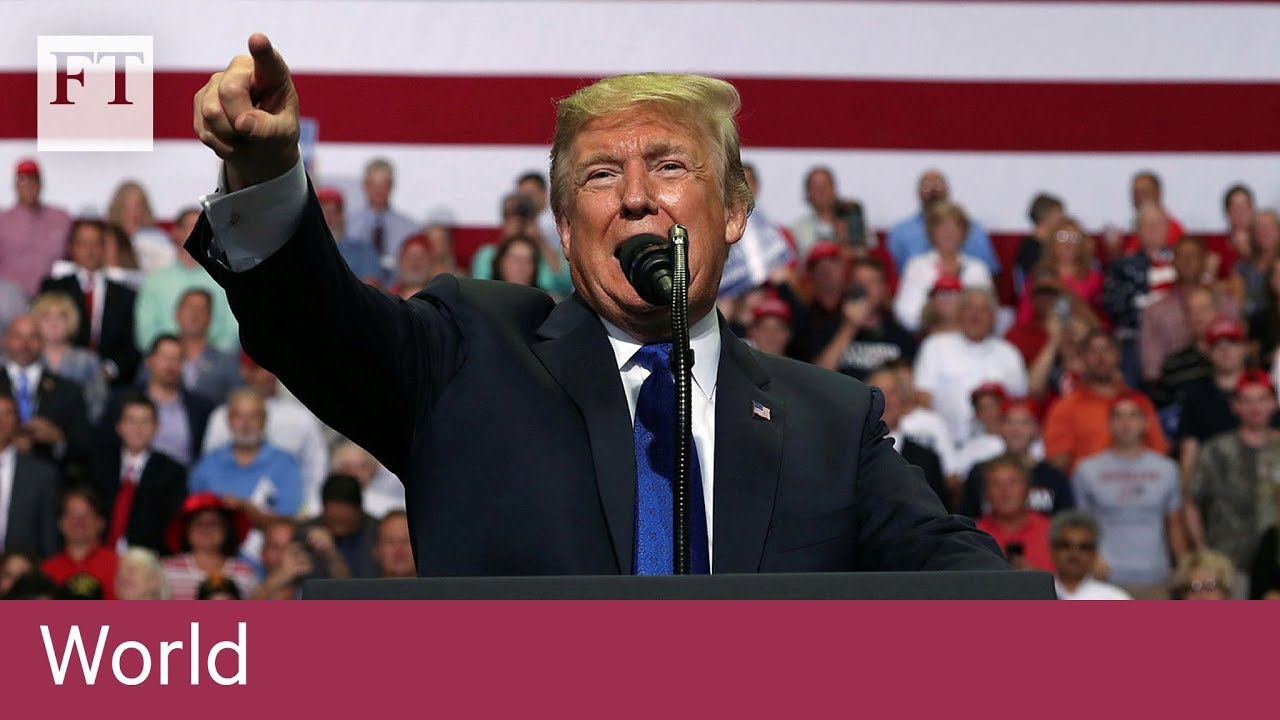
Donald Trump praises Hungary's Prime Minister Viktor Orban for his immigration policies at the White House.
In Kennesaw, Georgia, a law mandates that every head of household must possess at least one working firearm with ammunition, reflecting local attitudes towards gun ownership.
The host humorously inaugurates a PEZ head named Mr. Mancroft, reciting the presidential oath with playful twists on its wording.
Aung San Suu Kyi discusses the 2015 election year, the first free elections in over 50 years, and the military's ongoing influence in Myanmar's politics.
Scott discusses freedom of speech and political uncertainty in America with Sky News.
Jim Morgan protests Congressman Paul Gosar after being blocked on social media for criticism.
Mitt Romney emphasizes the Constitution's role in impeachment and the need for accountability.
Pelosi discusses the Trump administration's violation of law regarding a whistleblower complaint.
170,000 Americans have died during Donald Trump's presidency, which the speaker claims has been treated as a reality show rather than a serious office.
Carlo Lukas discusses the dangers of Boris Johnson's politics and Brexit's impact on democracy.
Pervez Musharraf receives a death sentence for treason in Pakistan while in exile.
Rodrigo Duterte will retire from politics, dropping plans to run for vice president.
Vladimir Putin uses the coronavirus distraction to extend his power in Russia through constitutional changes.
Burkina Faso's revolution in late October ends Blaise Compaoré's 27-year presidency.
Frances O’Roark Dowell discusses her book Shooting the Moon, which follows 12-year-old Jamie as her brother enlists in the army and is sent to Vietnam.
The video discusses the Senate's obligations regarding impeachment of President Trump.
The Army in Thailand declares martial law and takes control after failed negotiations.
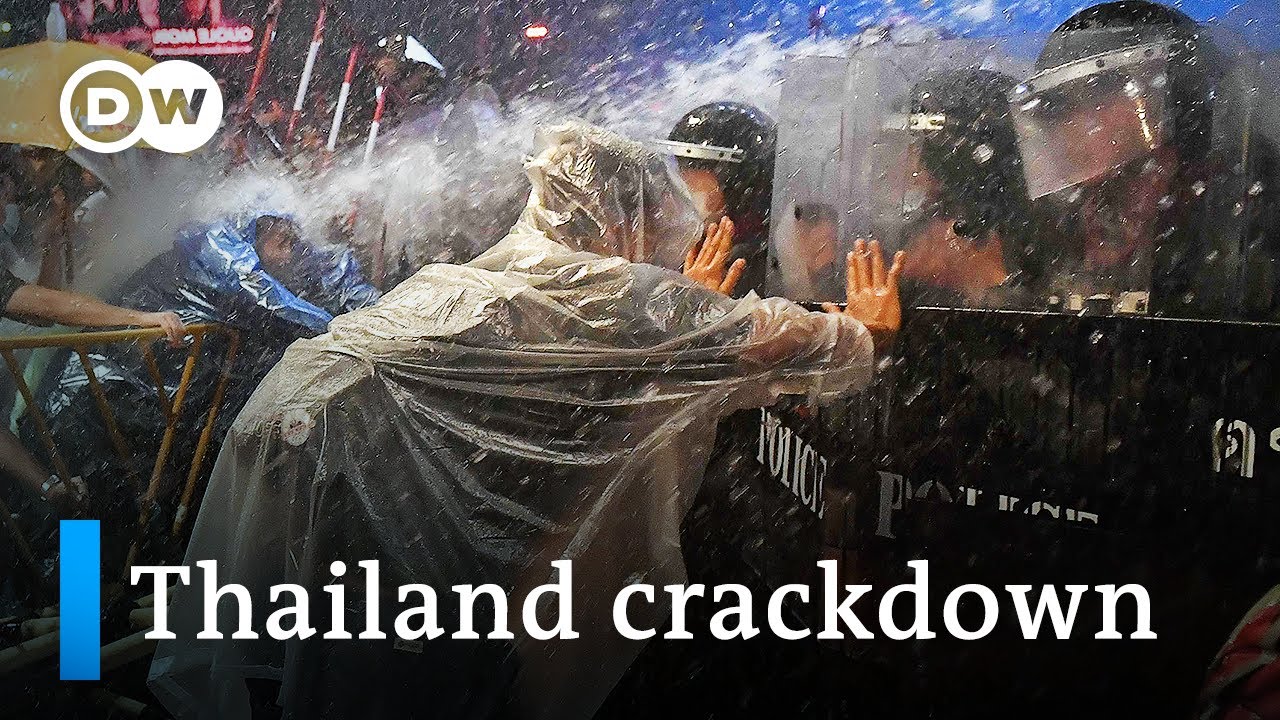
Protesters have clashed with police in Bangkok during ongoing anti-government demonstrations.
The National Archives houses the first Treaty of Paris, signed in 1783, which acknowledged the United States' independence from Great Britain.
On December 13, 1952, the Constitution and the Declaration of Independence were transferred to the National Archives Building in Washington, D.C.
Trump defends Judge Cavanaugh against attacks, citing the destruction of his life and family.
Trump nominates Brett Kavanaugh to the United States Supreme Court, emphasizing his qualifications.
A Japanese American combat team, known for their motto "Go for Broke," is featured among various government films produced over 75 years.
Juan Guaido calls for military support in Venezuela to restore democracy and peace.
Eighteenth-century soldiers from various nationalities gathered on October 19, 1781, as British forces surrendered at Yorktown, marking a turning point in the war.
George Washington reflects on power and the Constitution during Presidents Day weekend.
The Supreme Court hears the case of Border Agent Jesus Mesa and Sergio Hernandez Guereca's death.
The Supreme Court interprets the Constitution and rules on legal matters in the U.S.
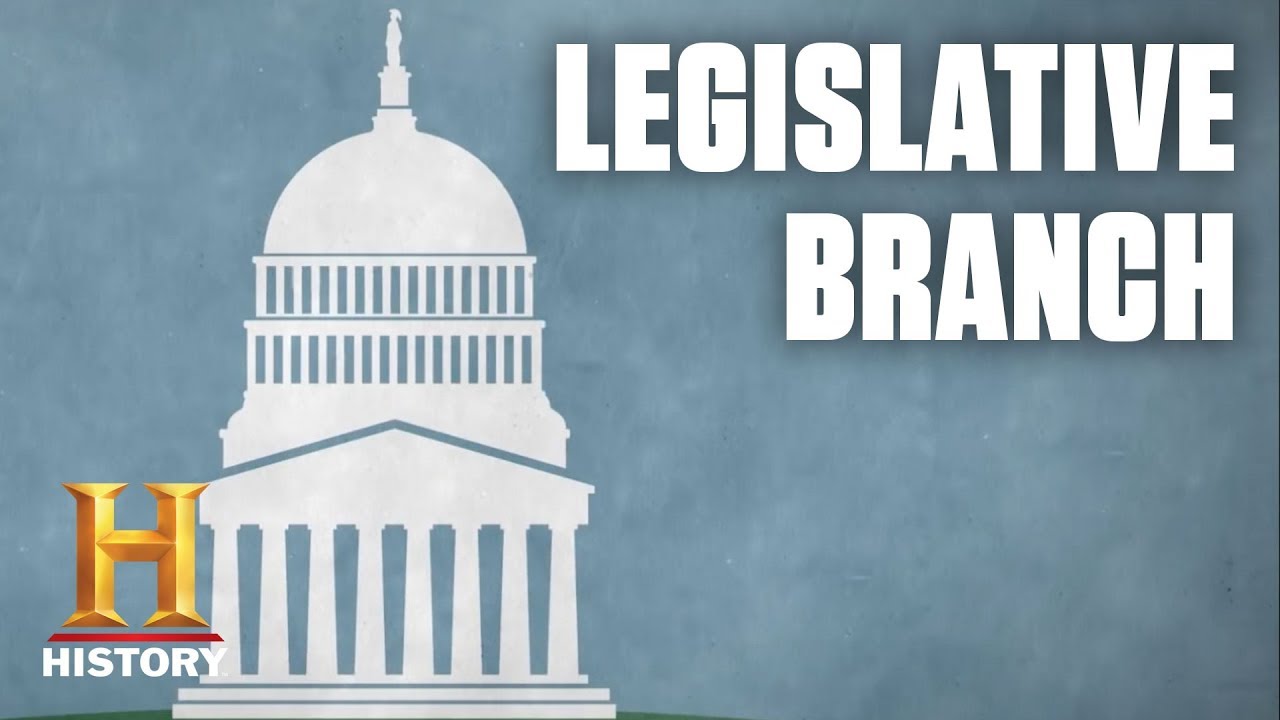
The legislative branch includes the United States Congress and the House of Representatives.
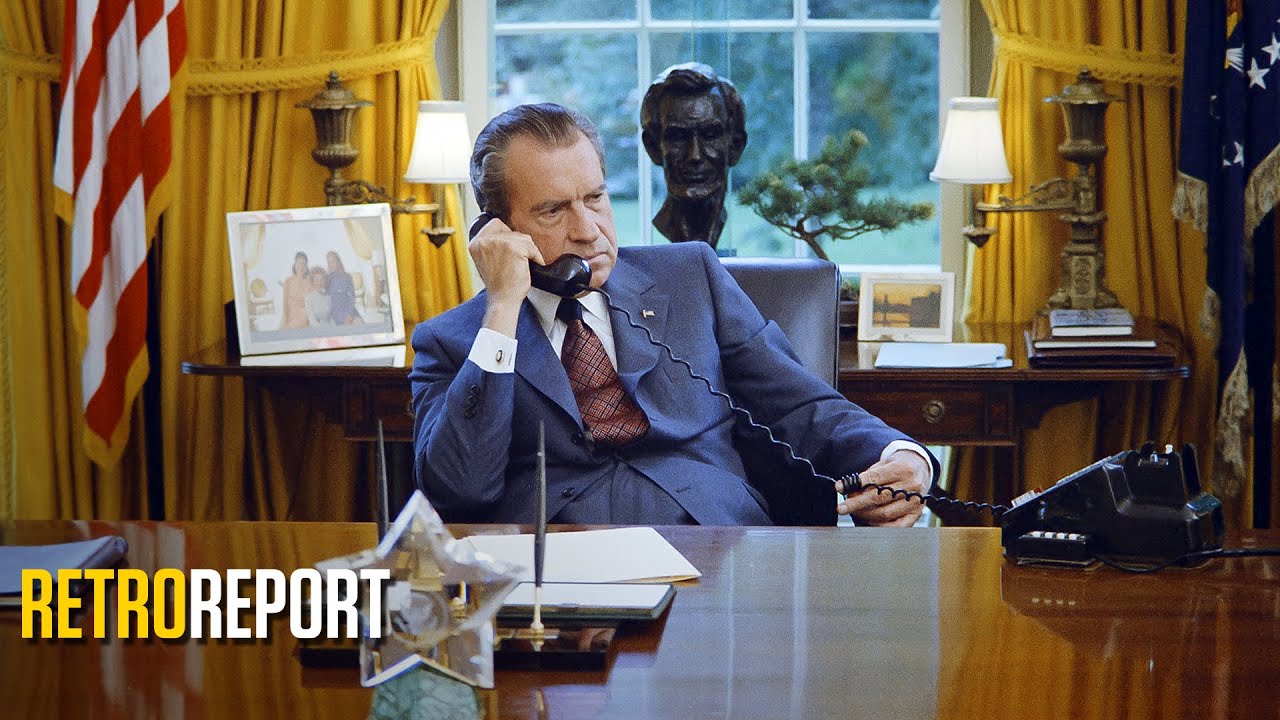
The Trump administration's revival of a Nixon-era budget tactic reignites the debate over presidential power versus congressional authority in U.S. governance.
20 feet beneath the National Archives, a specially constructed vault provides safe storage for the Declaration of Independence, the Constitution, and the Bill of Rights.