From over 100,000 films, discover the handful you'll love.
Free or premium access to the world's largest documentary library.
35 films
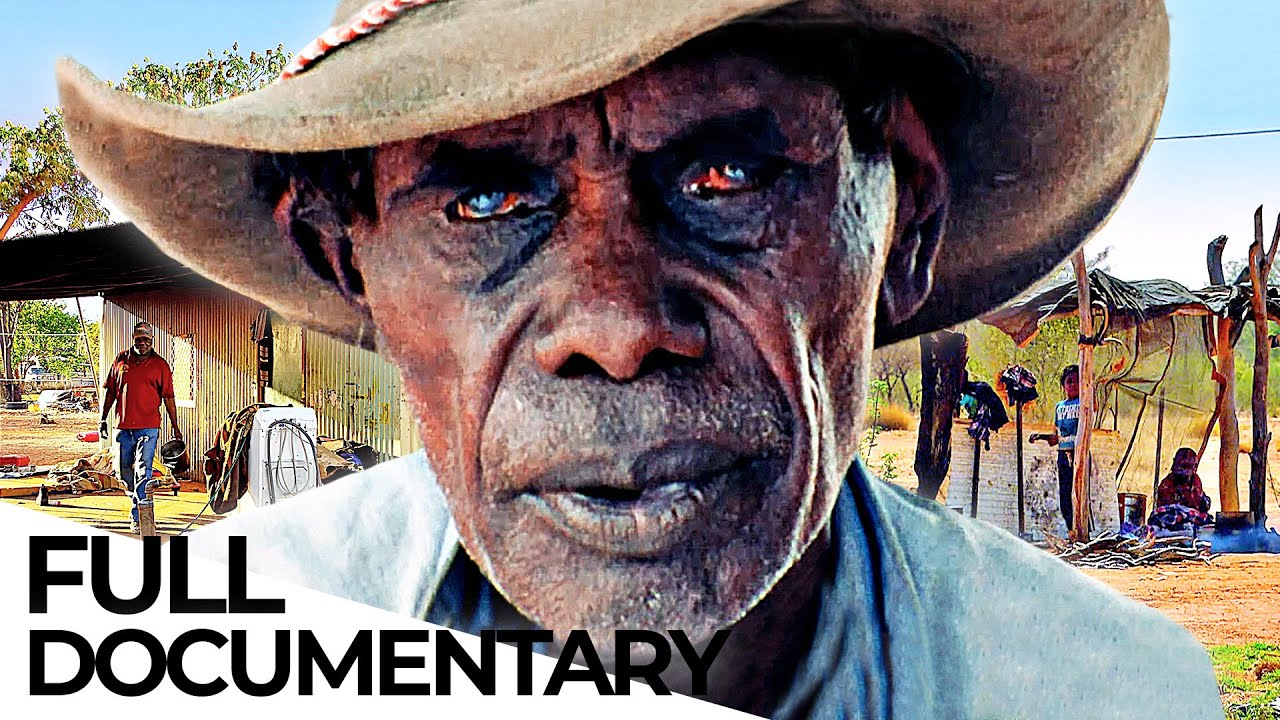
Thirty thousand dollars is the weekly rental price for a holiday home in Palm Beach, contrasting sharply with the living conditions of many Aboriginal Australians.
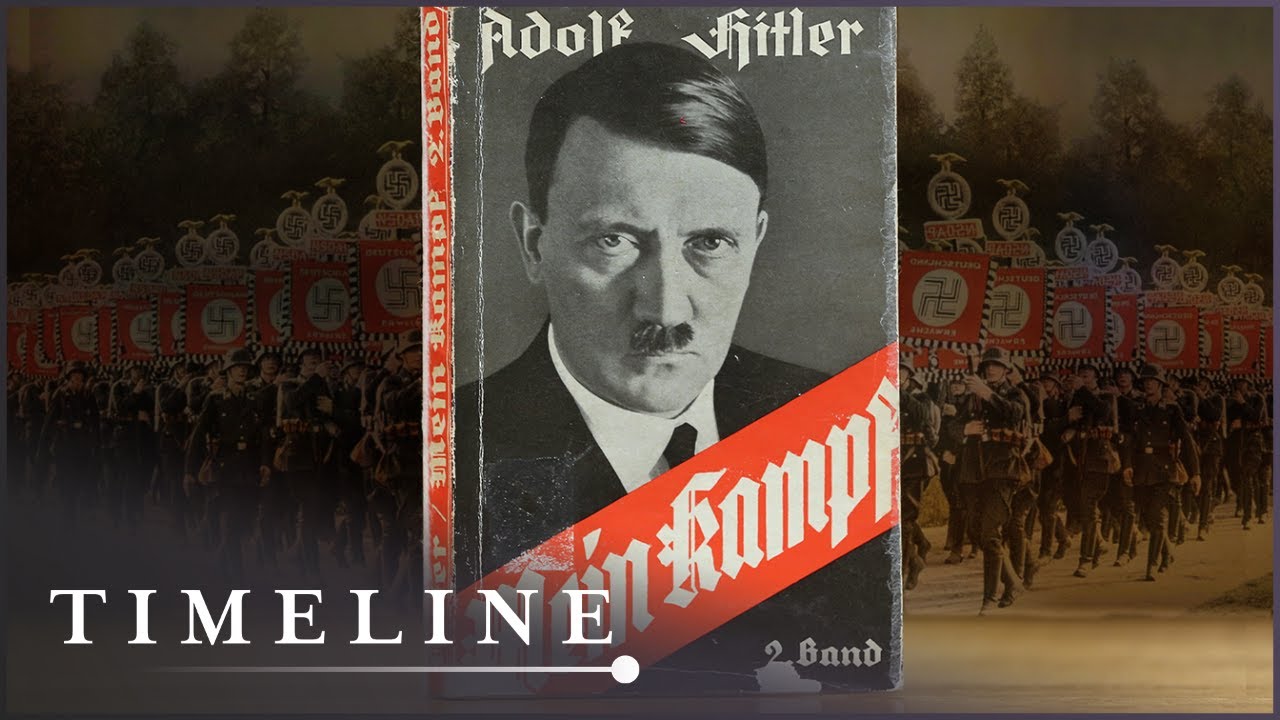
Twelve and a half million copies of Mein Kampf were published before 1944, making it one of the most sold political books in history.
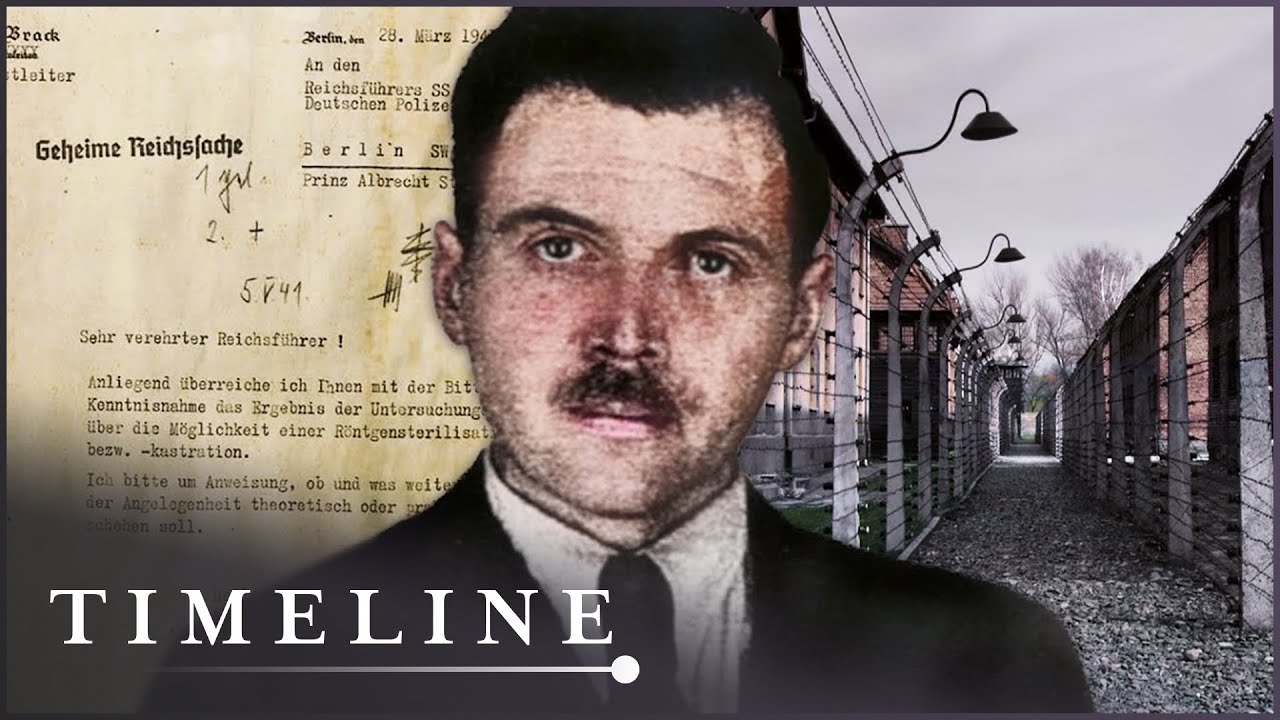
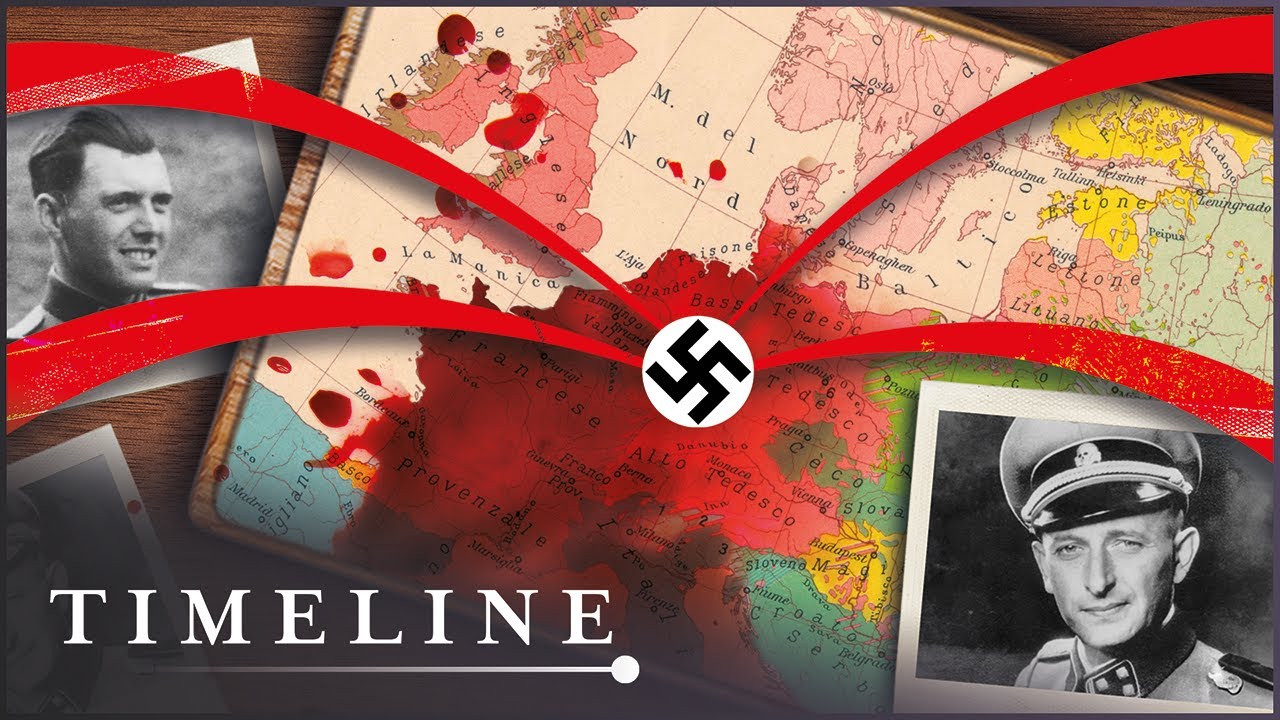
Josef Mengele and other Nazi doctors performed in vivo experiments on thousands of prisoners at Auschwitz to develop sterilization methods for what they called inferior races.
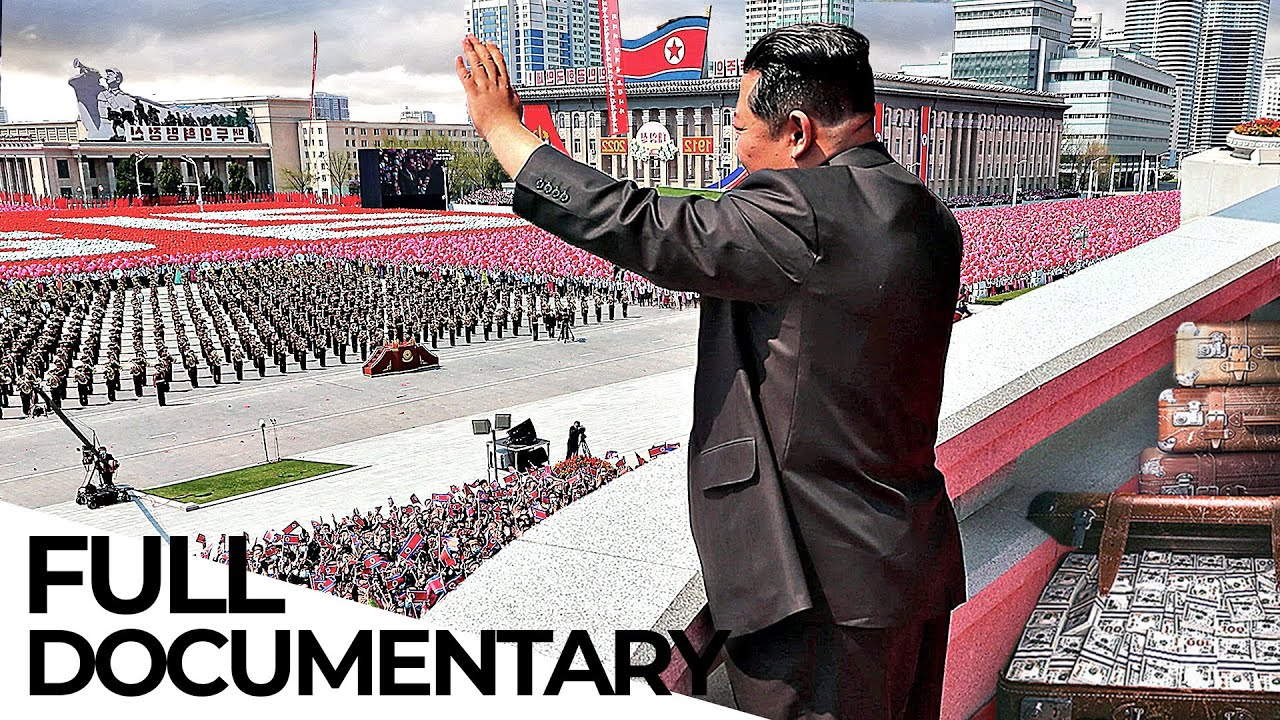
Bureau 39 generates hundreds of millions of dollars a year for North Korea through arms sales, drug smuggling, and counterfeiting U.S. currency.
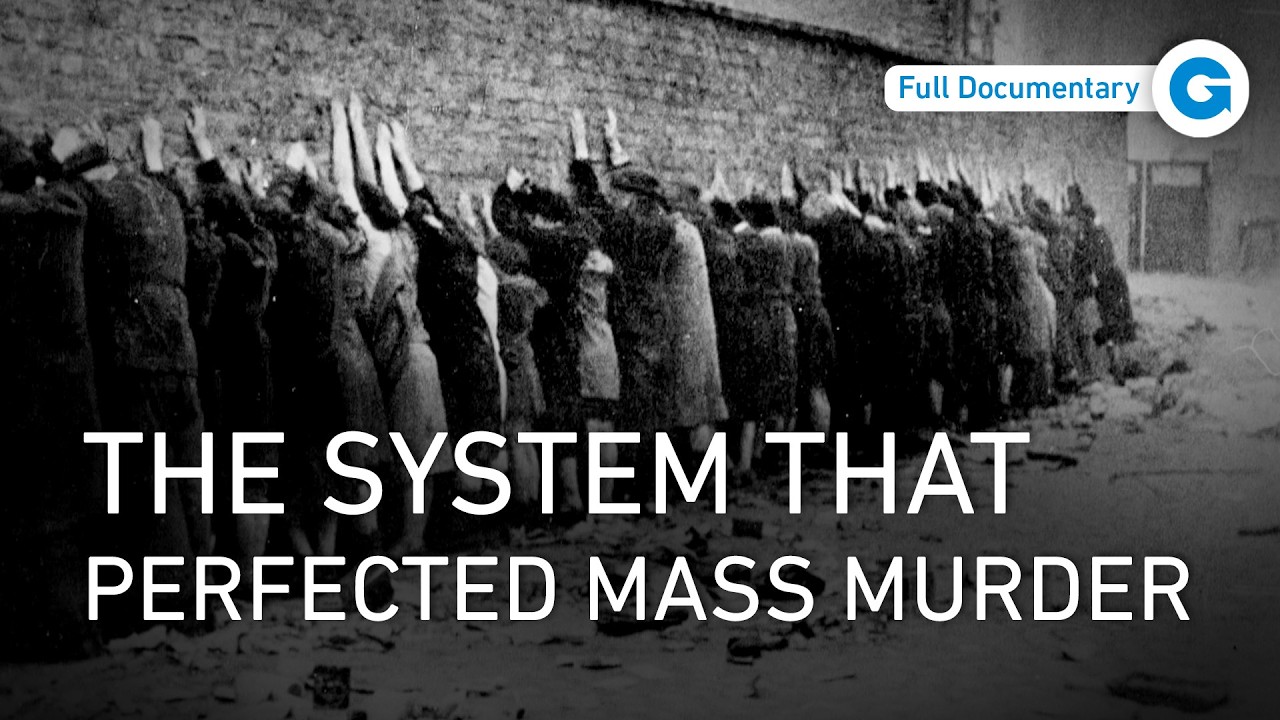
Rudolf Höss administered Auschwitz, where over a million people were murdered during the Holocaust, operating the camp with chilling efficiency.
In October 1943, Allied leaders met in Tehran to discuss military strategies as the war intensified on multiple fronts.
In the months following World War Two, around 50,000 Jewish survivors gathered in southern Germany, facing the challenge of rebuilding their lives.
In October 1943, a formal agreement between the Allies led to the formation of a United Nations commission on war crimes against the Axis powers.
By 1949, British war crimes units had wound up their operations after capturing only a handful of Nazis, leaving thousands still at large.
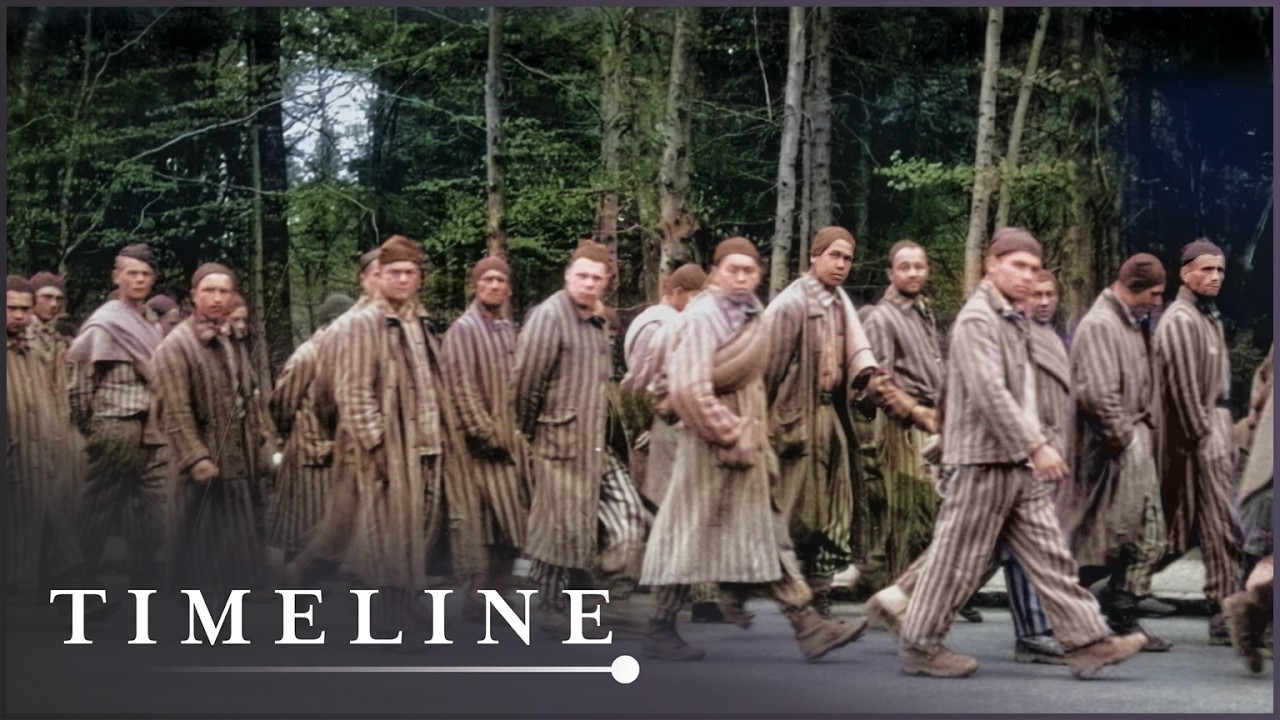
Nazi death marches in the final days of World War II forced nearly 700,000 concentration camp prisoners into brutal conditions, resulting in 250,000 to 300,000 deaths.
At its peak in 1944, the US Air Force had 10,000 aircraft and half a million personnel stationed in Britain during World War II.
A fleet of 75 white buses rescued nearly 20,000 concentration camp prisoners from Nazi Germany in 1945, including Ruth Toronczyk, who spent 18 months in Theresienstadt.
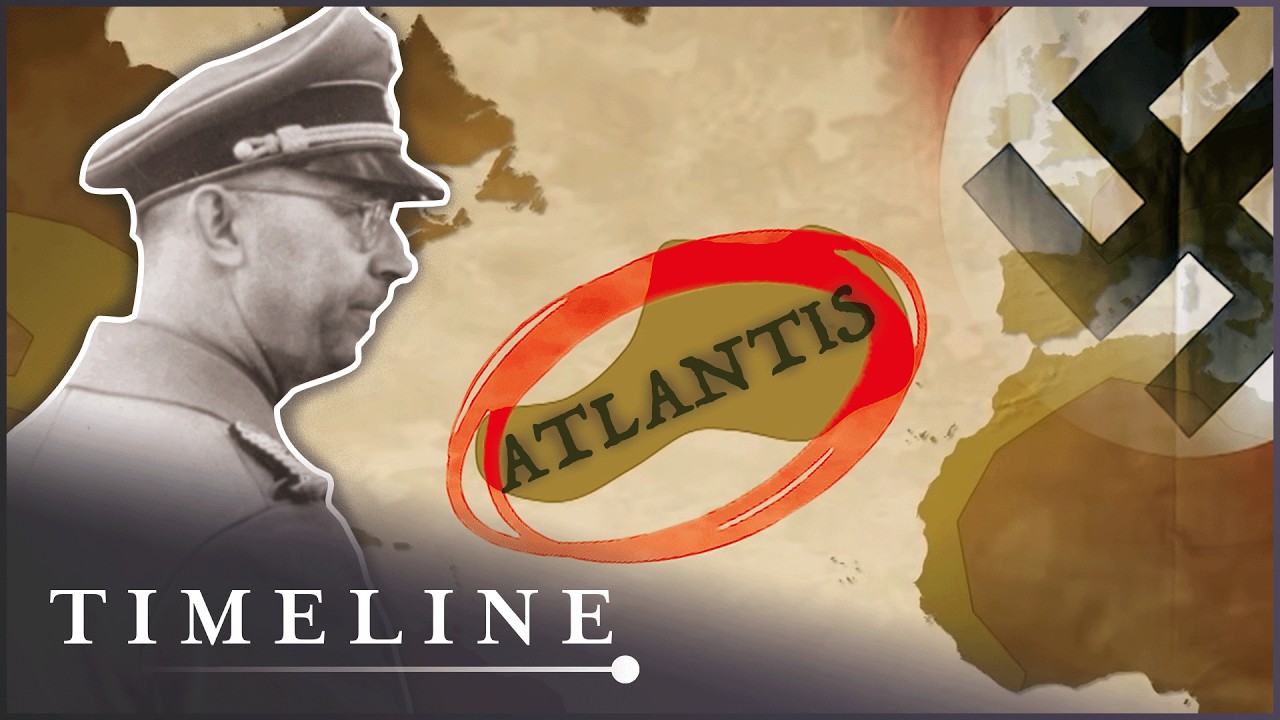
In 1938, a team of elite Nazi scientists embarked on an expedition to Tibet, seeking evidence to link the Aryan race to the lost civilization of Atlantis.
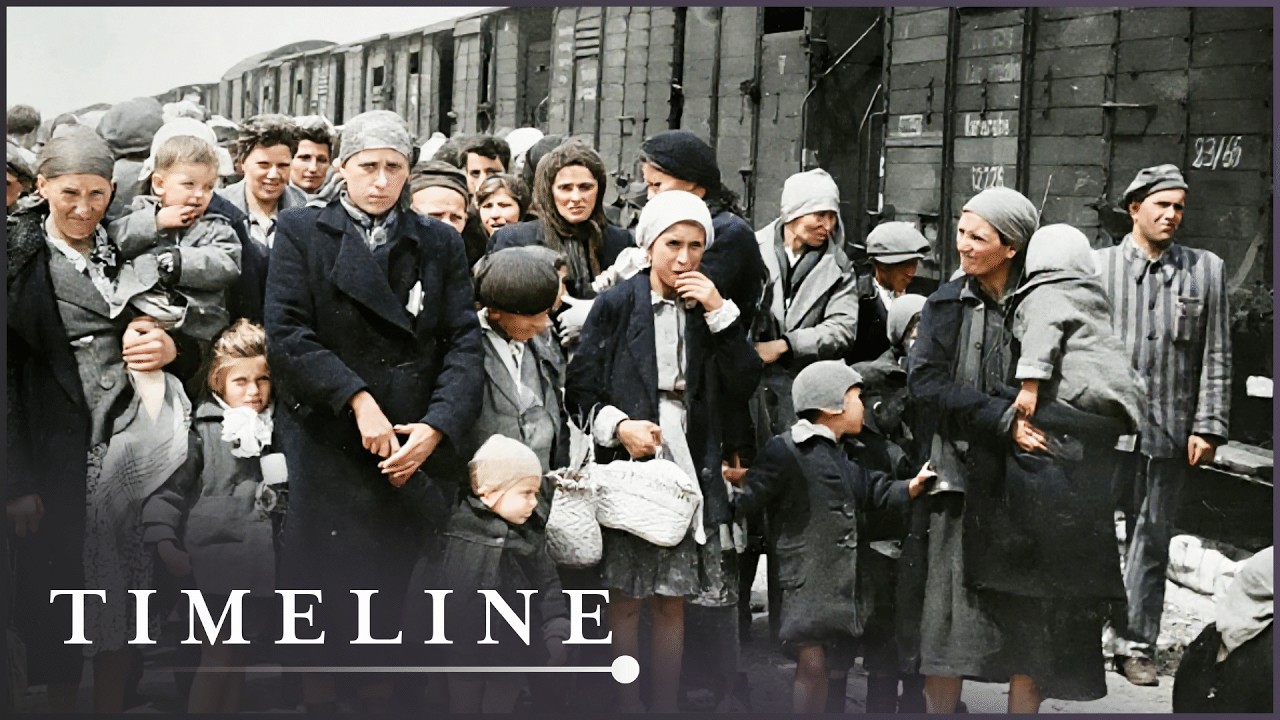
During World War II, railway networks in Germany, the Czech Republic, and Poland facilitated the transport of millions to ghettos and concentration camps, as recounted by survivors and historians.
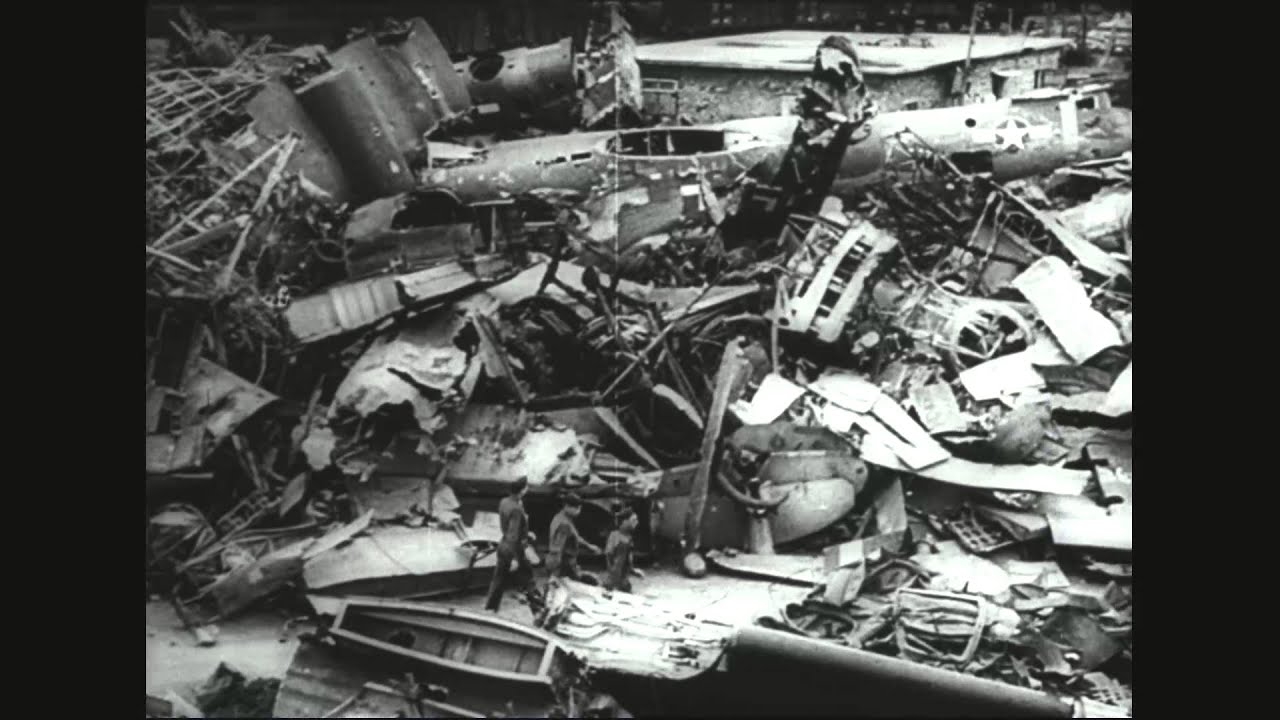
In January 1945, Allied bombers attacked Berlin, resulting in 12 deaths, 23 injuries, and leaving 1,324 people homeless in the city.
Eight people lived in the Secret Annex, where Anne Frank documented her life in hiding from 1942 until her arrest in 1944.
Over 1,300 people were left homeless after a heavy bombing attack on Berlin on January 4, 1945, as the city faced the final days of World War II.
At the height of World War II, the Nazis produced the equivalent of over 3 billion British pounds in counterfeit currency to destabilize the British economy.
In 1944, Auschwitz-Birkenau became the site of mass deportations of Hungarian Jews and brutal "Death Marches" as the Red Army advanced.
In 1945, American camera teams, including Hollywood director George Stevens, documented the final weeks of World War II in Europe, capturing the liberation of concentration camps and the collapse of Nazi Germany.
More than 90% of SS perpetrators went unpunished after the war, remaining largely unaware of their own guilt in the mass murder of millions.
The rise of the Nazi Party, key battles on the Eastern and Western fronts, and the liberation of concentration camps are examined through rare archival footage and survivor accounts.
The final days of World War II in Europe are chronicled through rare color footage and firsthand accounts, highlighting the Battle of Berlin and Germany's surrender.
Nazi Germany's systematic art theft during World War II, driven by Hitler and Göring's ideology, led to a decades-long recovery effort by the Allied Monuments Men.
Adolf Hitler's final year in power is examined through rare archival footage, highlighting the impact of D-Day, the Soviet offensive, and the fall of Berlin.
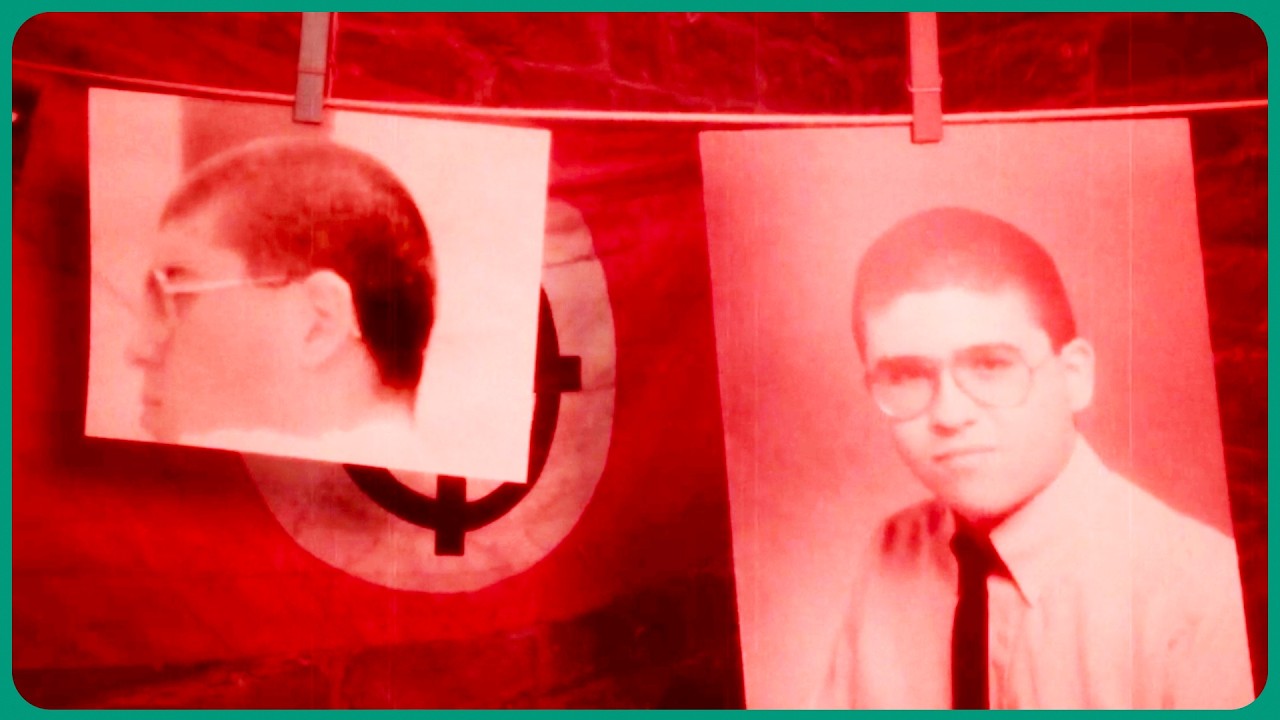
John Daly, an ex-Neo Nazi who fled to Israel after his gang attempted to kill him for being Jewish, revisits concentration camps with an old friend to confront his past.
Ahnenerbe, Heinrich Himmler's SS organization, combined archaeology and pseudoscience to justify horrific medical experiments on concentration camp prisoners.
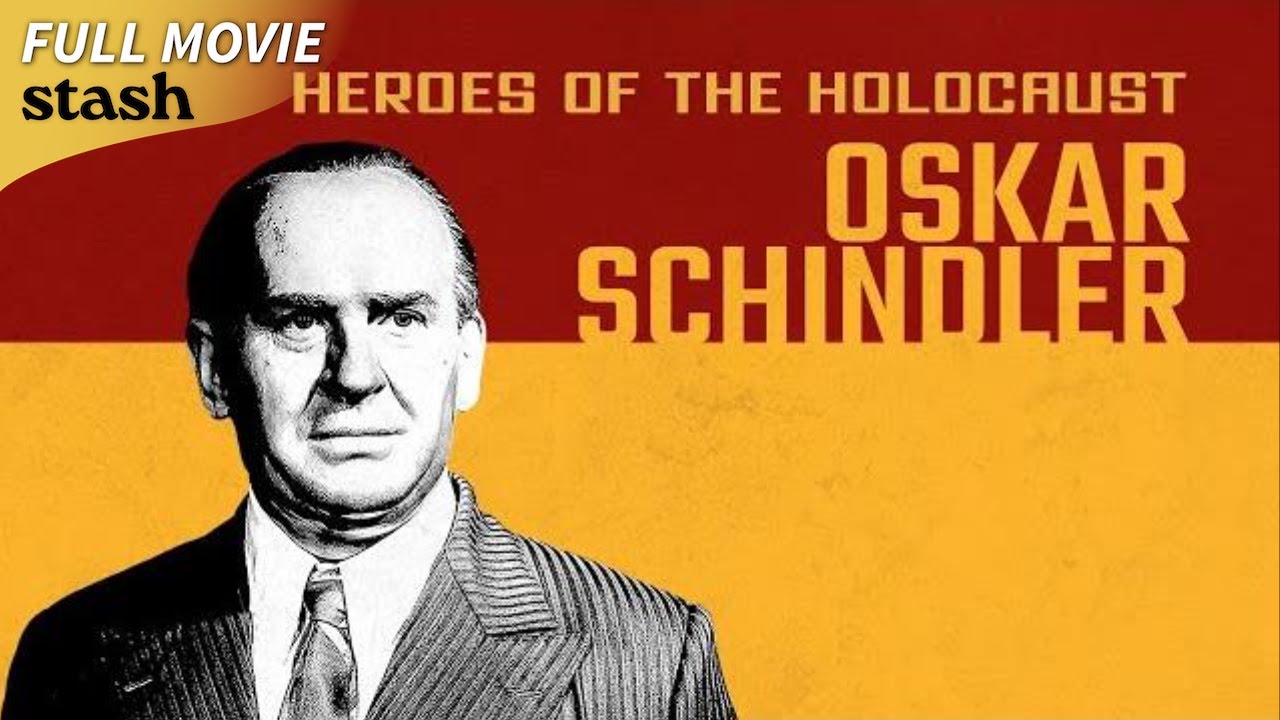
Oskar Schindler saved the lives of 1,200 Jews during the Holocaust by employing them in his factories in Nazi-occupied Poland.
Between 1941 and 1944, millions of people were transported to killing centers via the railway under brutal conditions.
More than one million Uyghurs are detained in what a U.N. panel describes as a massive internment camp in Xinjiang, China.
Germany agrees to pay 1.1 billion euros in compensation over 30 years for the genocide of the Ovaherero and Nama people between 1904 and 1908.
The UN warns that humanity has only 11 years to limit global temperature rise to 1.5 degrees Celsius above pre-industrial levels.
One interpreter at the International Criminal Tribunal for the former Yugoslavia struggles to maintain composure while translating traumatic testimonies of war.
Only 400 of the 10,000 prisoners at Buchenwald survived the death march as they awaited liberation by American soldiers on April 11, 1945.
American soldiers are warned to remain suspicious of the German people, as the film states that trust could cost them their lives.