From over 100,000 films, discover the handful you'll love.
Free or premium access to the world's largest documentary library.
36 films
In October 1957, a Windscale nuclear reactor caught fire, marking the first nuclear accident.
In the village of Muslyumova, the severe health impacts of radioactive pollution from the Mayak nuclear accident reveal a hidden legacy of government negligence.
In the exclusion zones of Chernobyl and Fukushima, individuals confront ongoing challenges and daily routines while living in areas of high radioactivity.
Witnesses reported UFO sightings in the days leading up to the 2011 Fukushima disaster, suggesting possible extraterrestrial involvement in averting a larger catastrophe.
Chernobyl and Fukushima exclusion zones illustrate the enduring impact of nuclear disasters on the environment and the lives of communities in contaminated areas.
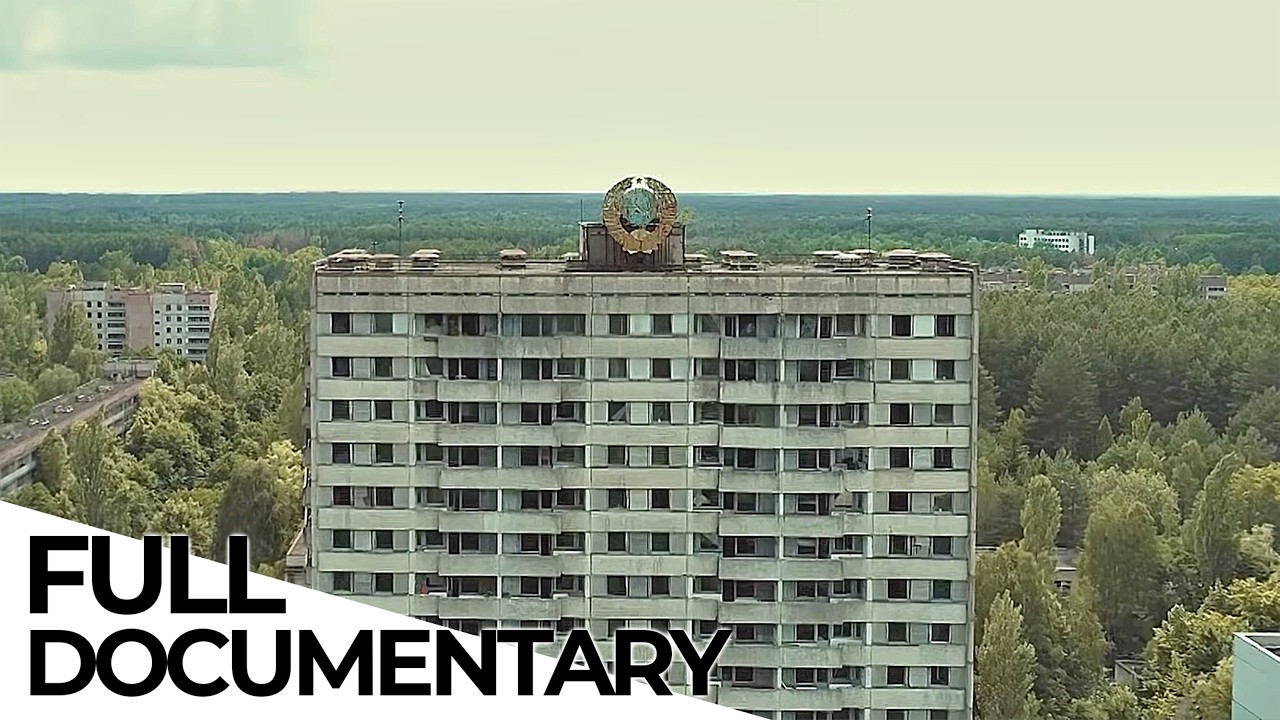
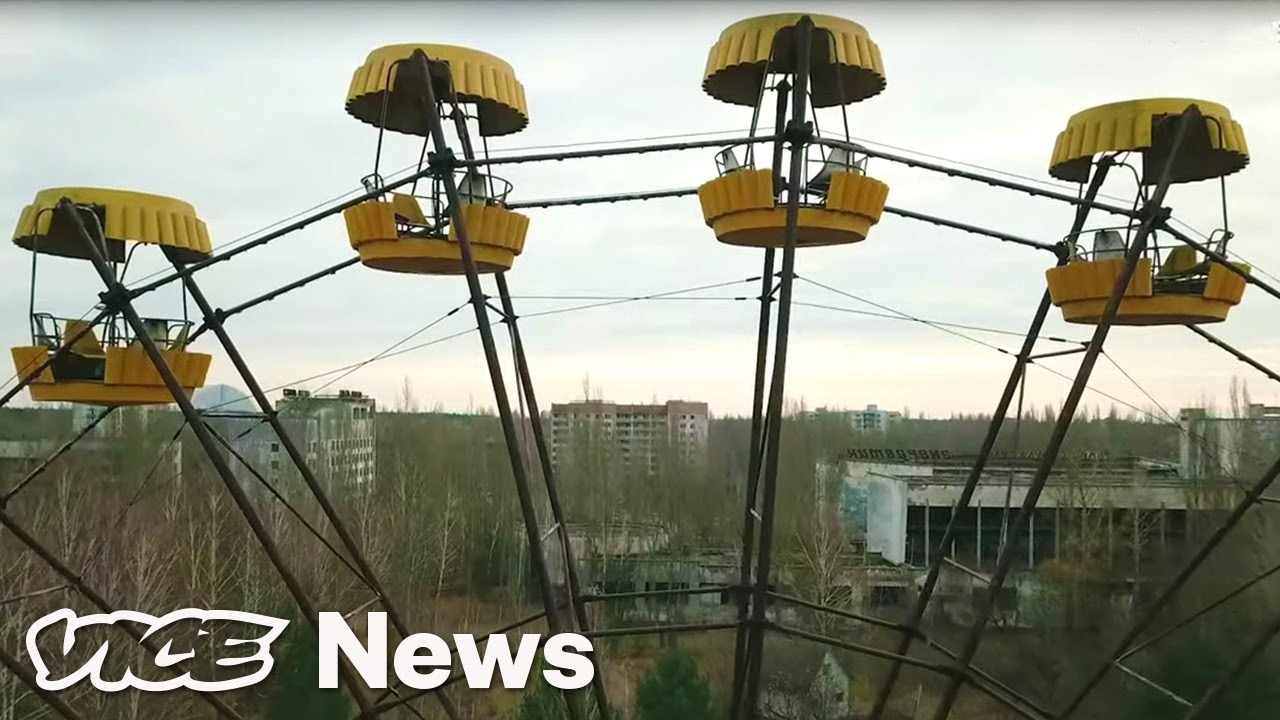
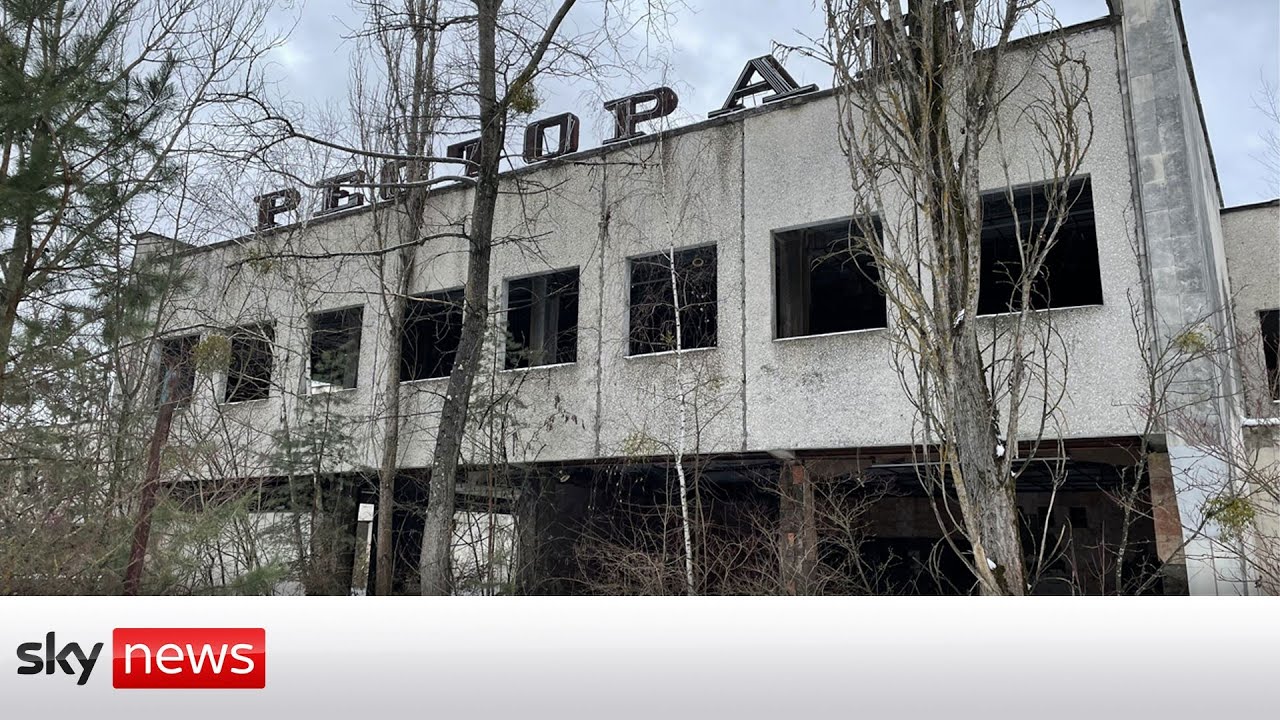
Chernobyl and Pripyat's abandoned landscapes reveal the catastrophic aftermath of the 1986 nuclear disaster, alongside other eerie sites like the Terrifying Asylum.
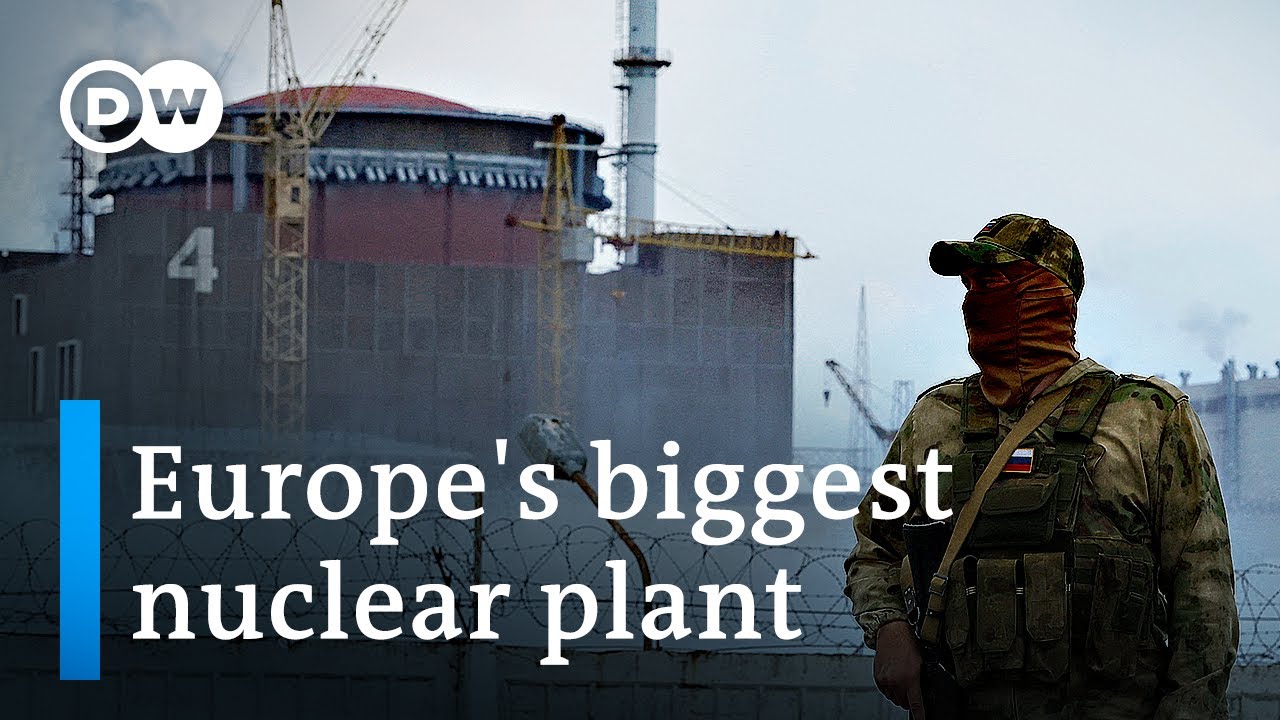
Five nuclear power plants in Ukraine are at risk as the military occupation raises concerns about safety and potential disasters.
In northern Ukraine, personal stories from Chernobyl disaster survivors, including a senior engineer, highlight the ongoing human and environmental impact of the 1986 nuclear accident.
Chernobyl's radioactive fallout has caused an estimated 200,000 deaths across Russia, Belarus, and Ukraine since the disaster in 1986.
Over 100 times more radiation was released during the Chernobyl nuclear accident than the atomic bombs dropped on Hiroshima and Nagasaki.
Survivors recount their experiences from the Chernobyl nuclear disaster in Pripyat, Ukraine.
Technicians move a massive roof over Chernobyl's No 4 reactor to contain radiation.
Fetal stem cell therapy in Ukraine, the only country where this treatment is legally available, has been sought by Americans for over a decade, even amid the Russian invasion.
The Chernobyl Disaster reveals the 1986 reactor explosion and its impact on Pripyat.
Pripyat, Ukraine, once home to 50,000 residents, remains a stark reminder of the Chernobyl disaster, showcasing ongoing cleanup efforts and its long-term implications.
Chernobyl's strategic importance grows as Ukraine increases military presence amid Russian tensions.
Russia's actions in Ukraine threaten nuclear safety at Chernobyl and Zaporizhzhia power plants.
Children affected by the Chernobyl disaster face ongoing health challenges from radioactive fallout.
Chernobyl has remained empty since a nuclear reactor explosion in 1986, serving as a stark symbol of humanity's impact on the environment.
By 2050, the world is expected to double its nuclear power capacity to help meet clean electricity goals amid rising climate concerns.
President Vladimir Putin has put Russia's nuclear forces on alert amid ongoing fighting in Ukraine and the announcement of potential peace talks.
Mikhail Gorbachev, former Soviet leader, dies at 91, marking a significant historical moment.
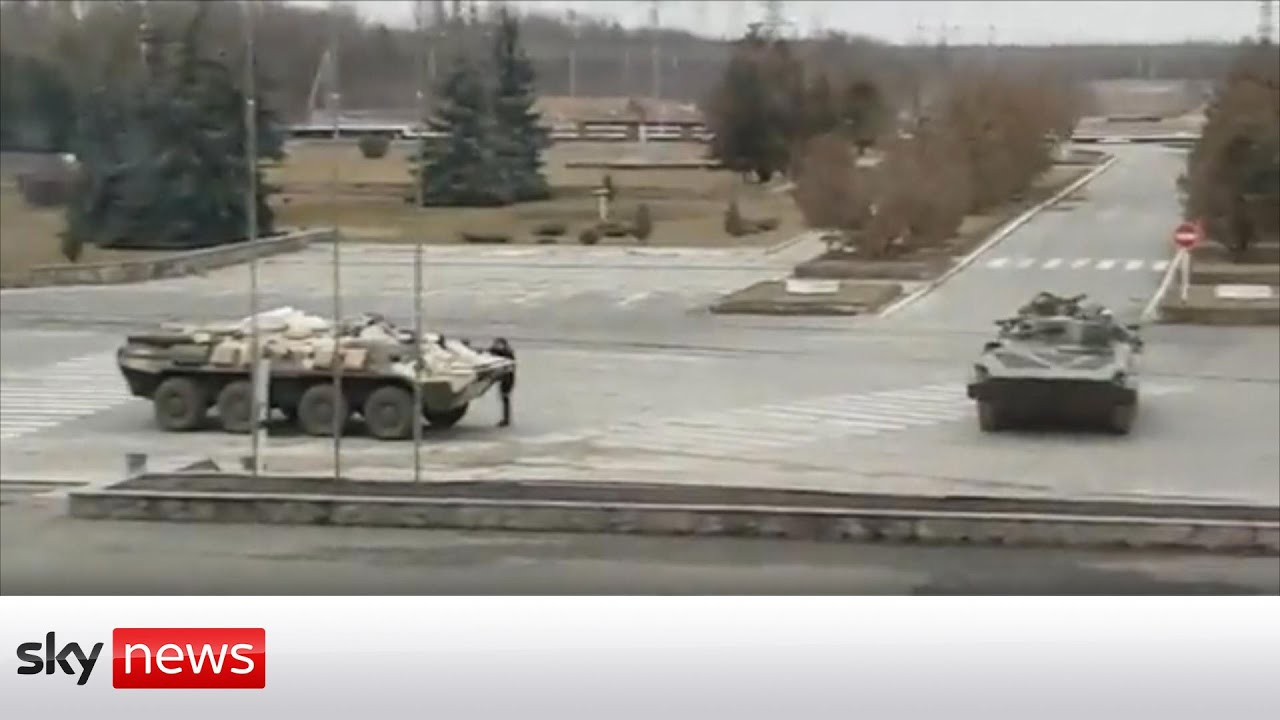
Russian forces capture Chernobyl, raising nuclear safety concerns in Ukraine's power network.
Kiev faces chaos as air raid sirens sound during Russia's invasion of Ukraine.
In Pripyat, the InterInform Hotel, humorously known as the 'Chernobyl Hilton', attracts hundreds of tourists annually, reflecting the region's recovery since the 1986 disaster.
Workers at Chernobyl Nuclear Power Plant prepare to hand over control to Ukraine next year.
Vladimir Putin ordered Russia's nuclear forces to be placed on high alert in response to what he called aggressive actions from Western countries.
Ukrainian President Vladimir Lenski reports Russian forces trying to seize Chernobyl power plant.
Zelensky demands sanctions against Russia after shelling at Zaporizhia nuclear plant.
Russians seize Chernobyl, raising alarms over nuclear safety and escalating conflict in Ukraine.
Dam explosions in Ukraine cause catastrophic flooding and environmental threats to the Black Sea.
Ukraine has five nuclear planes, and the Klitschko brothers warn that an explosion could lead to a disaster worse than the Chernobyl catastrophe.
Russian troops enter Chernobyl's exclusion Zone, risking radiation exposure and contamination.
Kyiv faces a huge explosion as fighting reaches the capital amid ongoing Russian attacks.
Nuclear energy programs, once seen as a beacon of progress in the 1950s and 60s, now face scrutiny over safety and waste management following disasters like Chernobyl and Fukushima.
Ukrainian President Volodymyr Zelenskyy calls for peace talks as Russia seizes Slavutych.