From over 100,000 films, discover the handful you'll love.
Free or premium access to the world's largest documentary library.
10 films
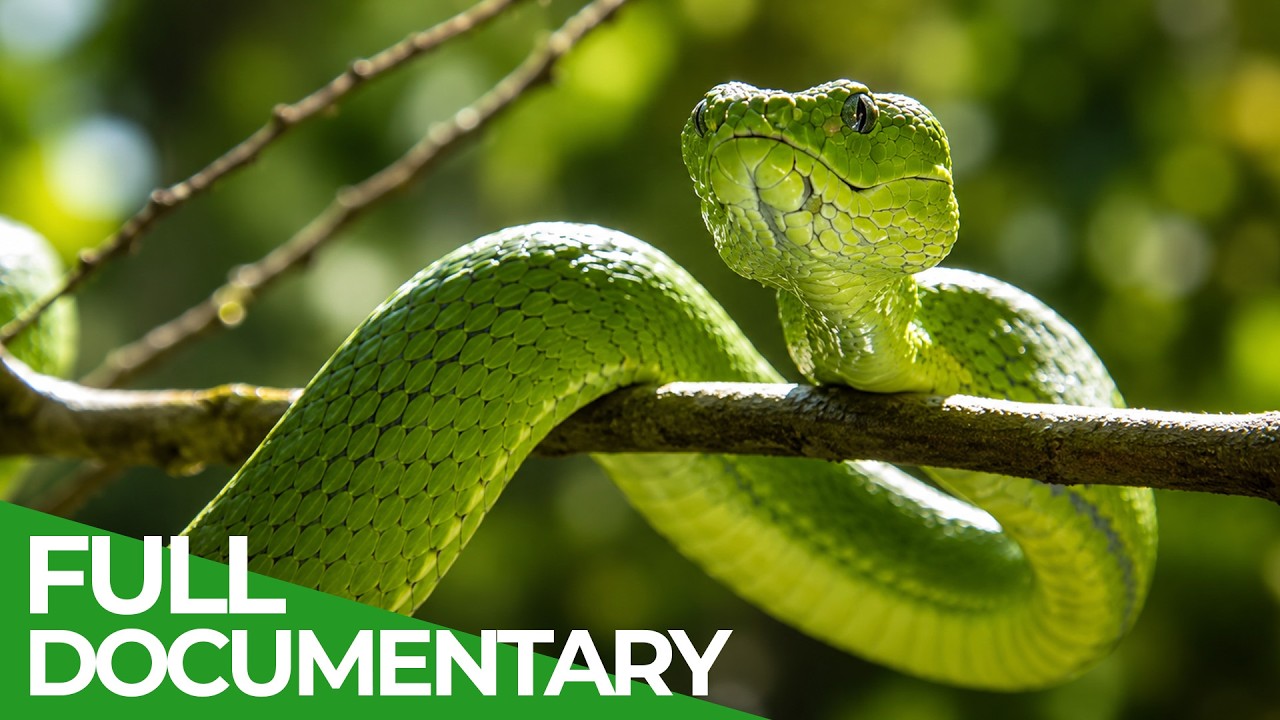
In the wild, animals like the inland taipan, blue-ringed octopus, and stonefish utilize potent toxins as lethal weapons, influencing both survival and medical advancements.
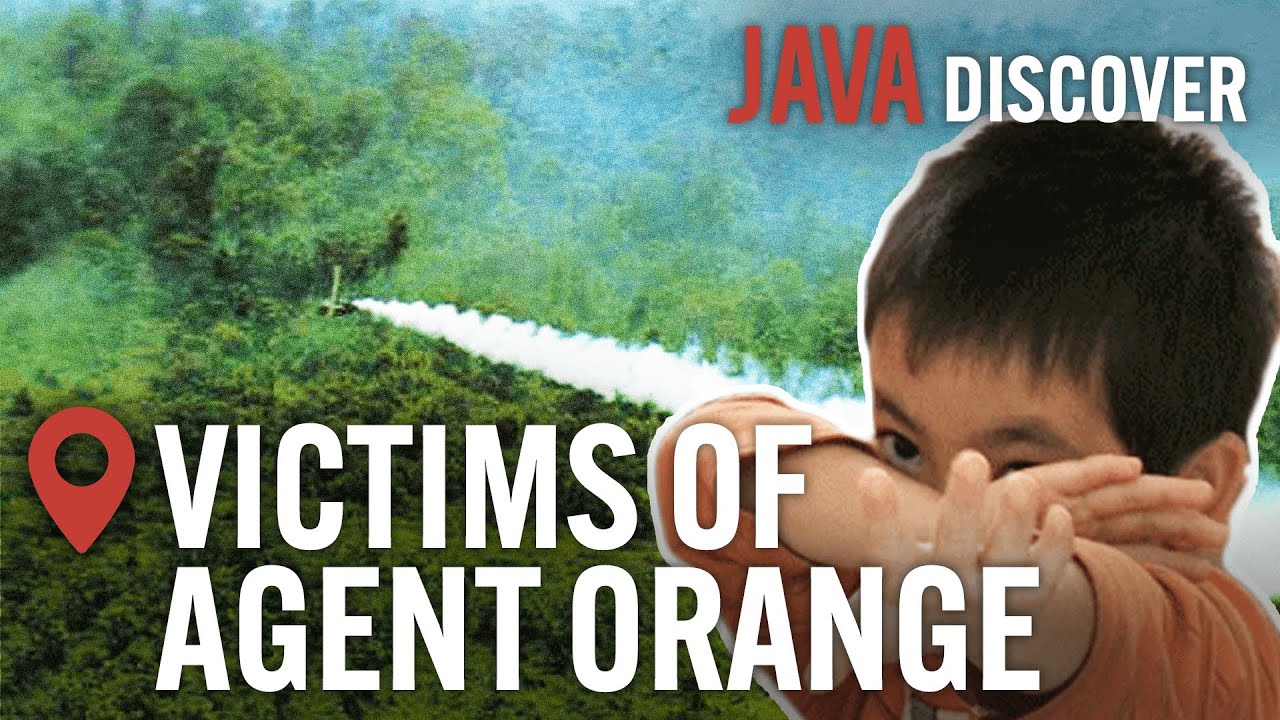
Agent Orange, a chemical herbicide used during the Vietnam War, has caused severe health issues, including birth defects and illnesses, for countless Vietnamese children.
Venom was created 600 million years ago by tiny living creatures in the oceans that combined peptides and proteins into lethal cocktails.
Venomous creatures like scorpions, Komodo dragons, and stingrays showcase nature's toxic defenses and hunting strategies in a world where toxins reign supreme.
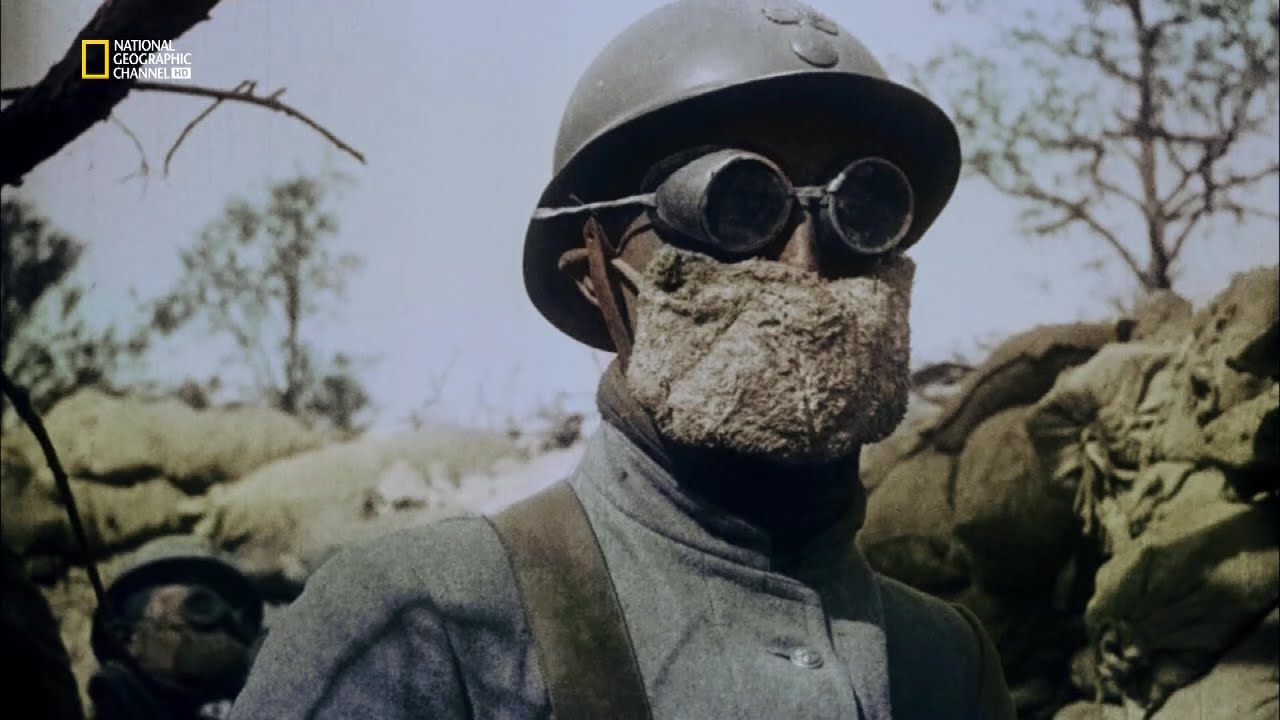
Chemical warfare is acknowledged to have started during the Peloponnesian Wars, where a log filled with pitch and sulfur was used to break a siege.
Agent Orange, used extensively by the US military in Vietnam, has left 800,000 third-generation victims suffering from severe health issues and genetic damage.
Project Coast, South Africa's chemical and biological warfare program, employed nearly 200 personnel and cost about 100 million rand during the 1980s.
Chemical warfare maneuvers are depicted at Bell, Germany, showcasing the assembly and firing of Stokes mortars loaded with smoke projectiles and explosive bombs.
24 different chemicals, including 2,4-D and 2,4,5-T, were used in Agent Orange, which has caused severe health issues and birth defects.
A bacterium called Jive may help combat the chytrid fungus threatening amphibian populations by causing the fungus to swim away from infected salamanders.