From over 100,000 films, discover the handful you'll love.
Free or premium access to the world's largest documentary library.
25 films
Three-toed sloths spend between 15 and 20 hours of each day fast asleep, while the Amazon rainforest faces threats from deforestation and environmental change.
Cuttlefish have three hearts and can change their color and shape in an instant to blend in with their surroundings.
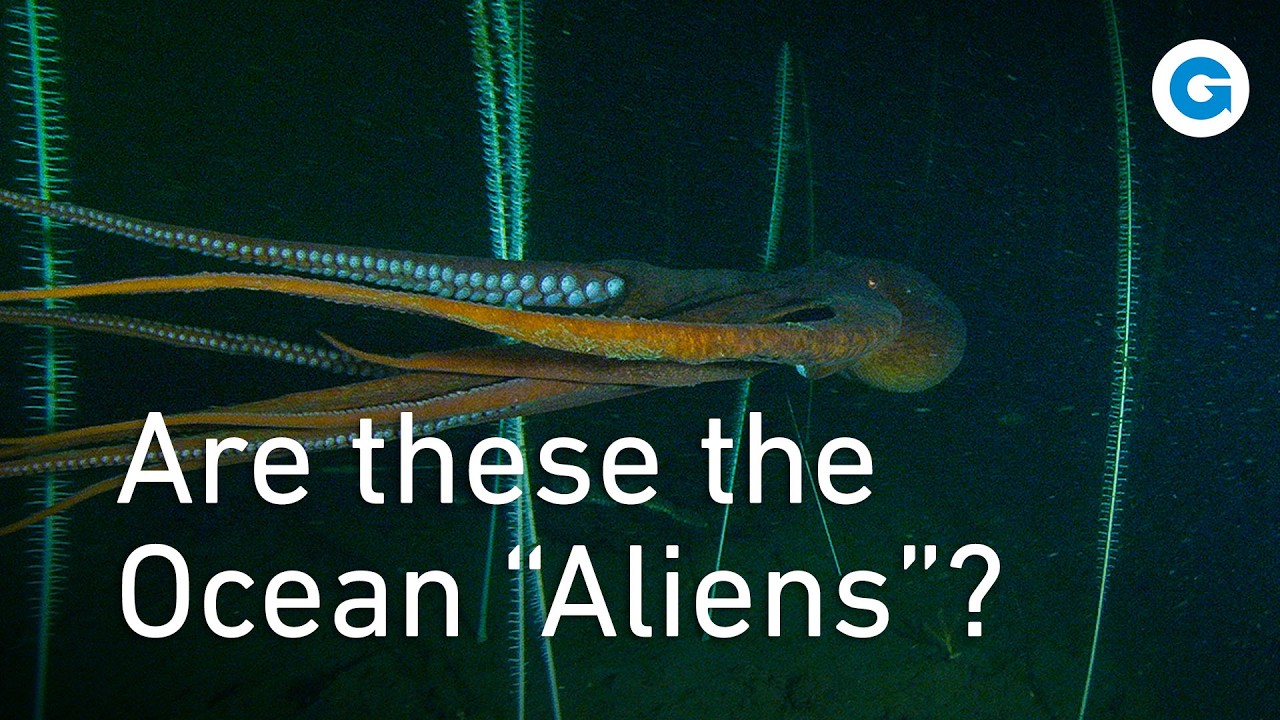
Giant Pacific octopuses can weigh up to 600 pounds and have eight arms that can span 30 feet, yet much about their lives remains unknown.
Great white sharks can grow up to 20 feet long and weigh 5,000 pounds, and new research suggests they may manipulate their skin color for camouflage.
Hyenas can crush bones with jaws that exert pressure comparable to a vice, allowing them to consume everything from skin to horns.
Cheetahs can reach speeds of up to 130 km/h, using their speed and camouflage to hunt prey on the African savannah.
A giant Pacific octopus can weigh up to 600 pounds and reach lengths of 30 feet, making it the largest octopus species in the world.
The Gleiwitz Incident marked the beginning of World War II espionage, showcasing deception tactics like false flags, disinformation, and strategic camouflage.
Zebras use their unique black and white stripes to blend into the grasslands of the African savannah, making it difficult for lions to spot them.
Husana, a leopard, lost his kill to the Inca Homa pride after a chaotic hunt involving a hyena at the Juma Game Reserve in Kruger National Park.
A sloth only defecates once a week, a fact that underscores its slow metabolism and unique adaptations for survival in the wild.
A 1000-gallon still is built using trees cut down from a property, demonstrating the skills and techniques of seasoned moonshiners.
The documentary reveals the octopus's camouflage skills and its beauty in nature.
The British Navy uses Dazzle Painting to camouflage ships during WWI in Combat Ships series.
Tiger sharks in the Essequibo River are efficient predators, using their camouflage to blend into the light and shade of the water's surface.
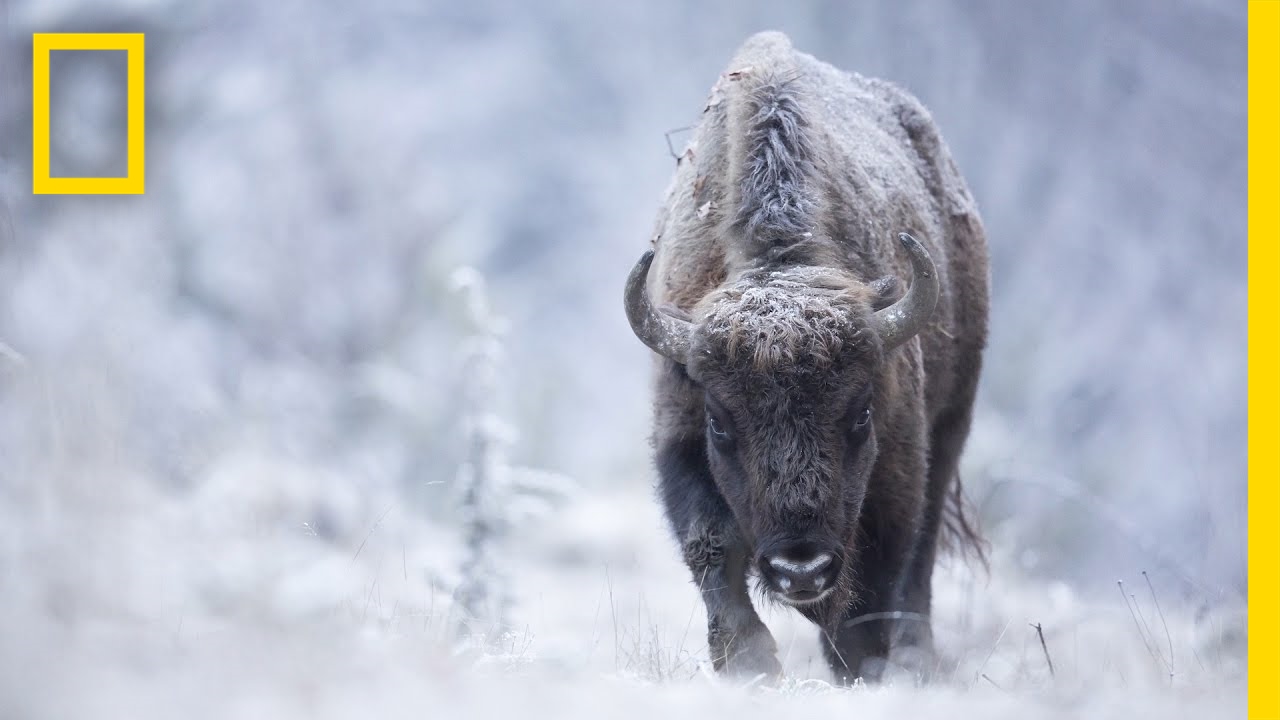
Belgian wildlife photographer Michel d'Oultremont captures the elusive wild bison of Romania, emphasizing the patience required for the perfect shot.
Half of the 135 chameleon species in the world live in Madagascar, where they use their prehensile tails to climb trees and hunt effectively.
Madagascar is home to nearly 85 species of snakes, including the agile Ithycyphus, known for its tree-climbing abilities in the island's jungles.
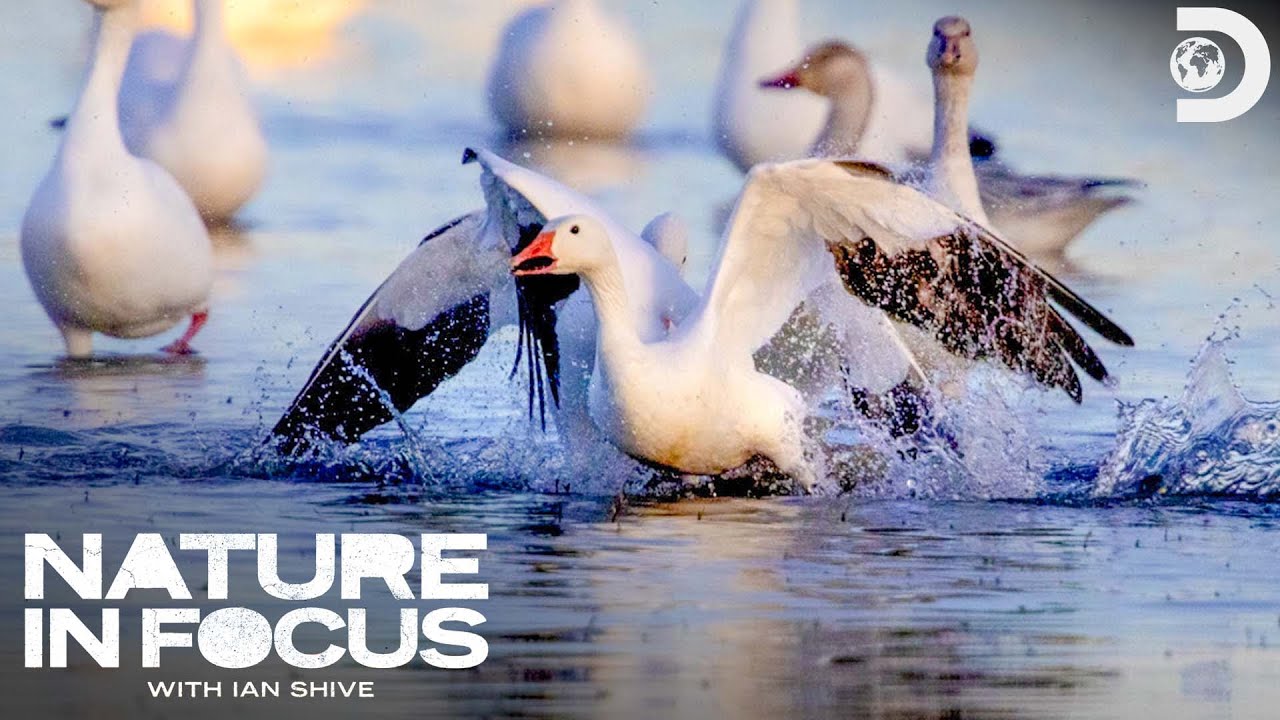
Approximately 4 billion birds migrate south for winter, with key locations like Bosque del Apache National Wildlife Refuge and Aransas National Wildlife Refuge featured.
Aerial reconnaissance photographs reveal a submarine testing basin hidden inland from the harbor during World War II.
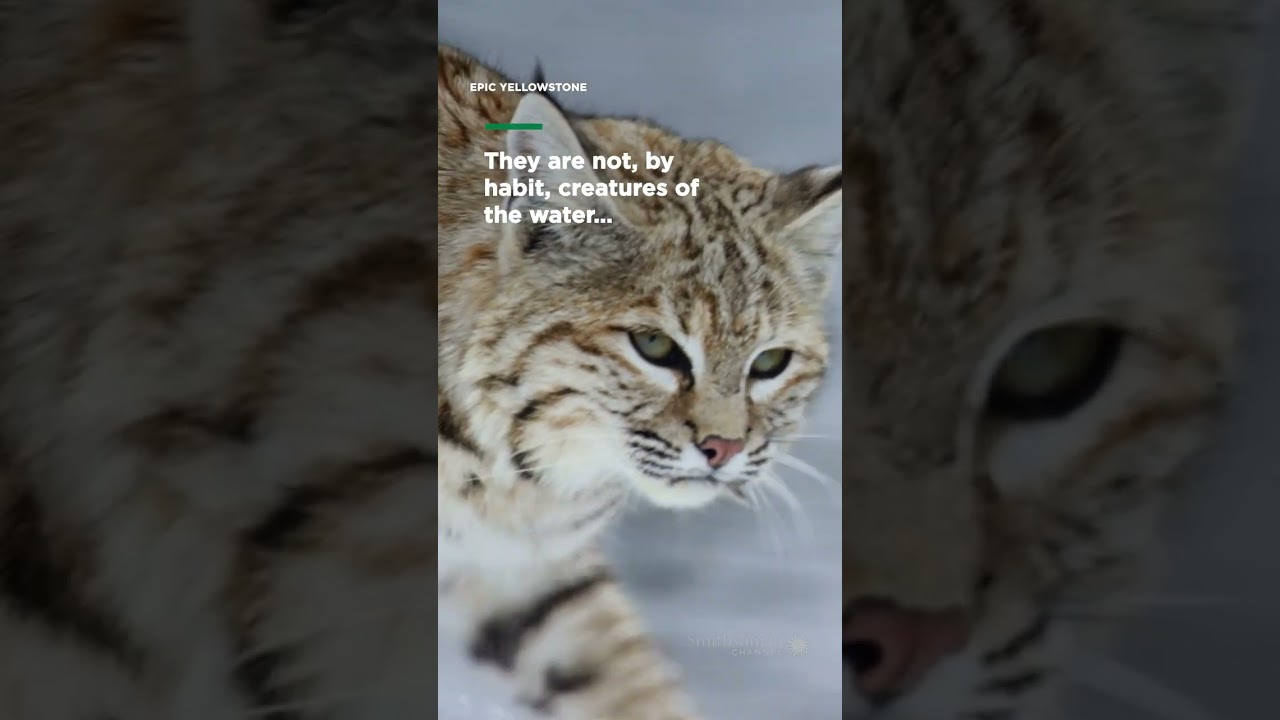
A bobcat hunts through 12 inches of snow, demonstrating its skills in a cold winter environment.
Seahorses, known for their unique reproductive role where males carry young, are examined for their biology, habitat, and conservation challenges.
Mimicry in the deep sea showcases how marine organisms like the mimic octopus and deep sea anglerfish adapt through deception to enhance survival.
Meet the Malabar Pit Viper, a snake that disappears into the forest and strikes with deadly venom.
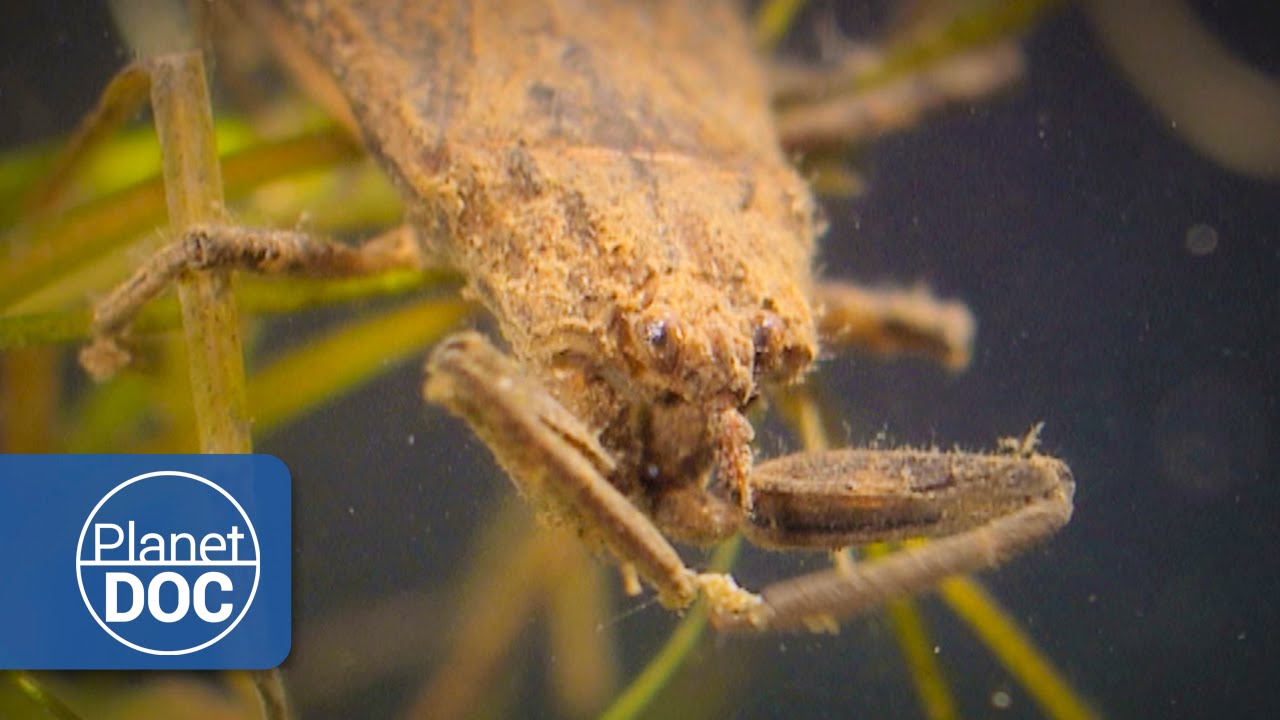
The water scorpion, or Nepa, is a predatory insect that rarely leaves the water.