From over 100,000 films, discover the handful you'll love.
Free or premium access to the world's largest documentary library.
30 films
In May 1940, Hitler gambled that a rapid invasion of France would end the war quickly, relying on Erich von Manstein's innovative tactics to bypass the Maginot Line.
Between 1940 and 1945, the German army on the Eastern Front lost 50,000 tanks and 4 million men, while the Soviets lost an estimated 80,000 tanks and 7 million soldiers.
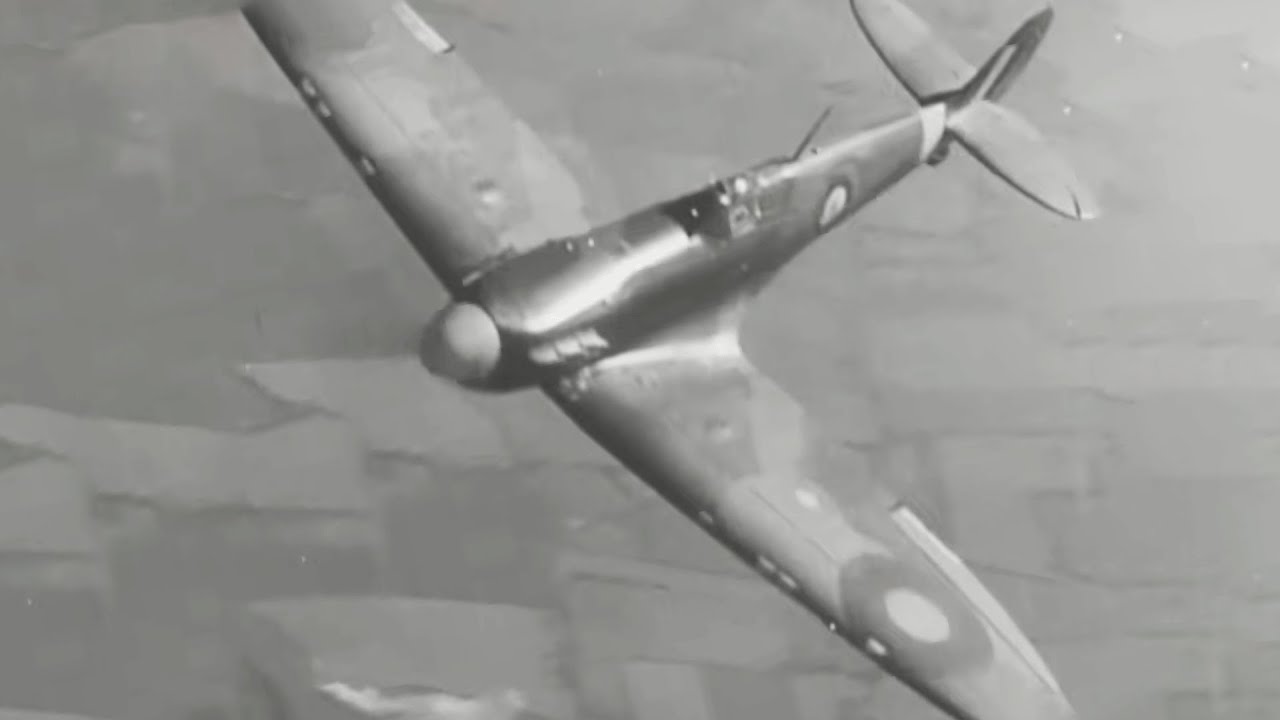
Fifteen enemy aircraft were shot down during the Battle of Britain, which was won on August 20, 1940, for the loss of one RAF fighter.
Between 1940 and 1945, the German army lost 50,000 tanks and 4 million men on the Eastern Front during World War II.
Over 65,000 mines and 26,000 tons of munitions were laid on Jersey during the German occupation from 1940 to 1945.
Patton invades Lorraine, aiming to reach Germany before Christmas despite supply shortages.
The Germans develop Blitzkrieg, enabling the Nazis to conquer Poland and France swiftly.
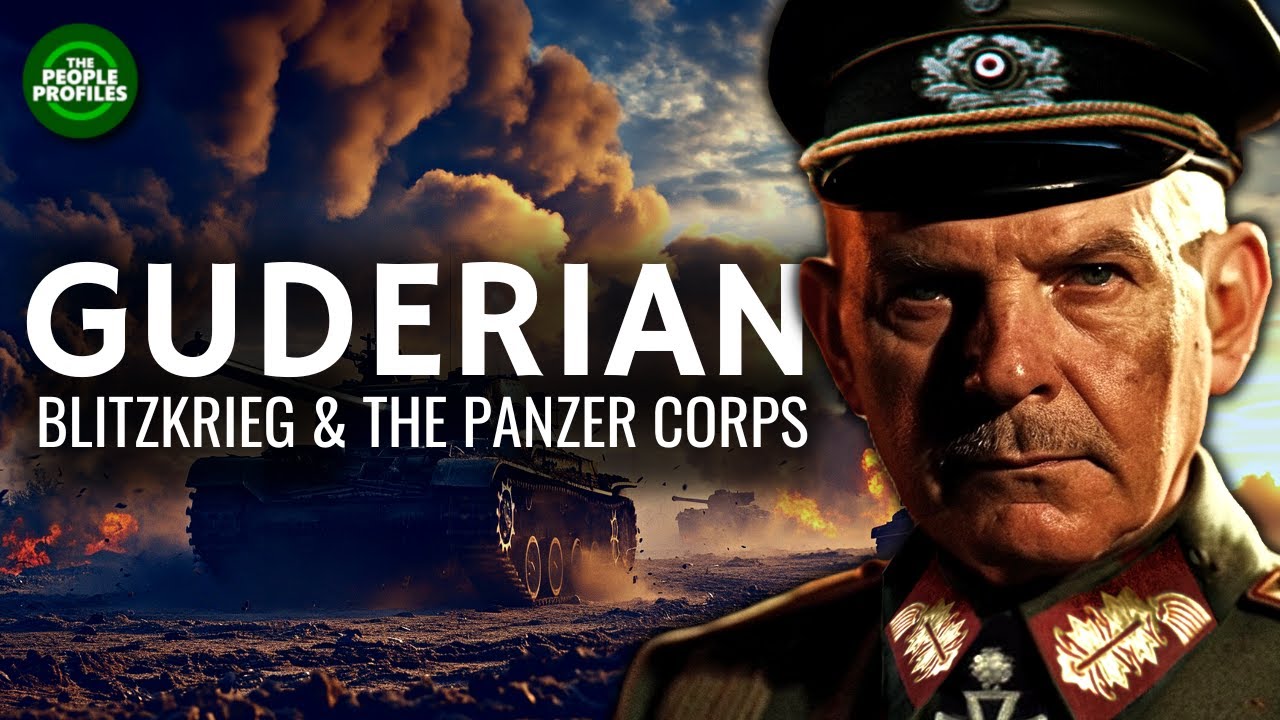
Heinz Guderian was born on June 17, 1888, in Kulm, West Prussia, and became a key figure in the development of Blitzkrieg tactics during World War II.
In May 1940, Hitler gambled that a rapid victory in the West would end the war quickly, but his plans faced unexpected challenges from Allied forces.
More than 300,000 Soviet soldiers died during the battle for Berlin, which marked the end of the Third Reich in May 1945.
Around 1,500 fires erupted in London during the Blitz, forcing firefighters to battle flames for over 15 hours amid the destruction.
Blitzkrieg, a revolutionary military strategy employed by Nazi Germany, enabled rapid invasions of Holland and Belgium, significantly altering the course of World War II.
Over 6,000 tanks participated in the Battle of Kursk in July 1943, marking the largest tank battle in history and a turning point in World War II.
The siege of Leningrad lasted 872 days, resulting in the deaths of over a million men and women as German forces attempted to conquer the city.
In April 1941, German forces advanced to Benghazi, marking a significant shift in the North African campaign during World War II.
On September 1, 1939, Germany invaded Poland, marking the beginning of World War II and prompting a global conflict that lasted six years.
Nearly 1,500 fires broke out in London during the second great fire of London, ignited by German bombers just days after Christmas 1940.
More than a million men and women died during the 872-day siege of Leningrad as Soviet forces resisted Nazi advances in World War II.
Over 320,000 Allied troops were evacuated from Dunkirk in 1940, allowing them to continue fighting against German forces in World War II.
April 3, 1941, marked a significant advance for Erwin Rommel's Africa Korps as they seized control of the second Libyan city, Benghazi.
2.4 million German soldiers advance into Western Europe in May 1940, employing new tactics that lead to rapid victories against the Allies.
Over 300,000 Allied soldiers were evacuated from the beaches of Dunkirk in May and June 1940, as German forces advanced from the north.
501 Squadron shot down 149 enemy aircraft during the Battle of Britain, while losing 19 pilots in four months of intense aerial combat.
The Act of Germany's Capitulation was signed in Berlin on May 8, 1945, marking the end of World War II in Europe.
Between 1940 and 1945, the German Army lost 50,000 tanks and four million men on the Eastern Front during World War II.
Thirty thousand rail cars of loot were sent back to Germany by the Nazis, including missing artworks by Picasso, Renoir, and Matisse worth millions today.
Over 1.1 million soldiers and civilians died during the Battle of Stalingrad, making it the most costly battle in human history.
Hitler's physician, Theodor Morell, dispenses intense uppers to German soldiers in battle.
78,000 American soldiers were lost during the German counteroffensive in the Ardennes Forests in December 1944.
Russia claims Western sanctions have failed, causing market Panic and negative Dynamics in the U.S.