From over 100,000 films, discover the handful you'll love.
Free or premium access to the world's largest documentary library.
41 films
Curonian Spit, Kamchatka, and Yamal showcase Russia's diverse ecosystems, where climate change and gas production threaten their unique wildlife and habitats.
Sergey Zimov aims to restore an ecosystem that disappeared 10,000 years ago by reintroducing ancient megafauna to combat climate change in Siberia.
A super volcanic eruption could release ash over half the United States, potentially leading to millions of deaths and widespread famine.
A super volcanic eruption could kill millions and devastate the United States, with ash potentially blanketing half the country.
A pack of 25 wolves hunts bison in northern Canada, demonstrating the fierce competition for survival in the animal kingdom.
40 below zero temperatures force bison to dig for food while wolves hunt in packs of 25, targeting the most vulnerable calves on the Great Plains.
Archaeologists have recovered a remarkable collection of mammoth and elephant bones from a channel cut through Oxford clay about 200,000 years ago.
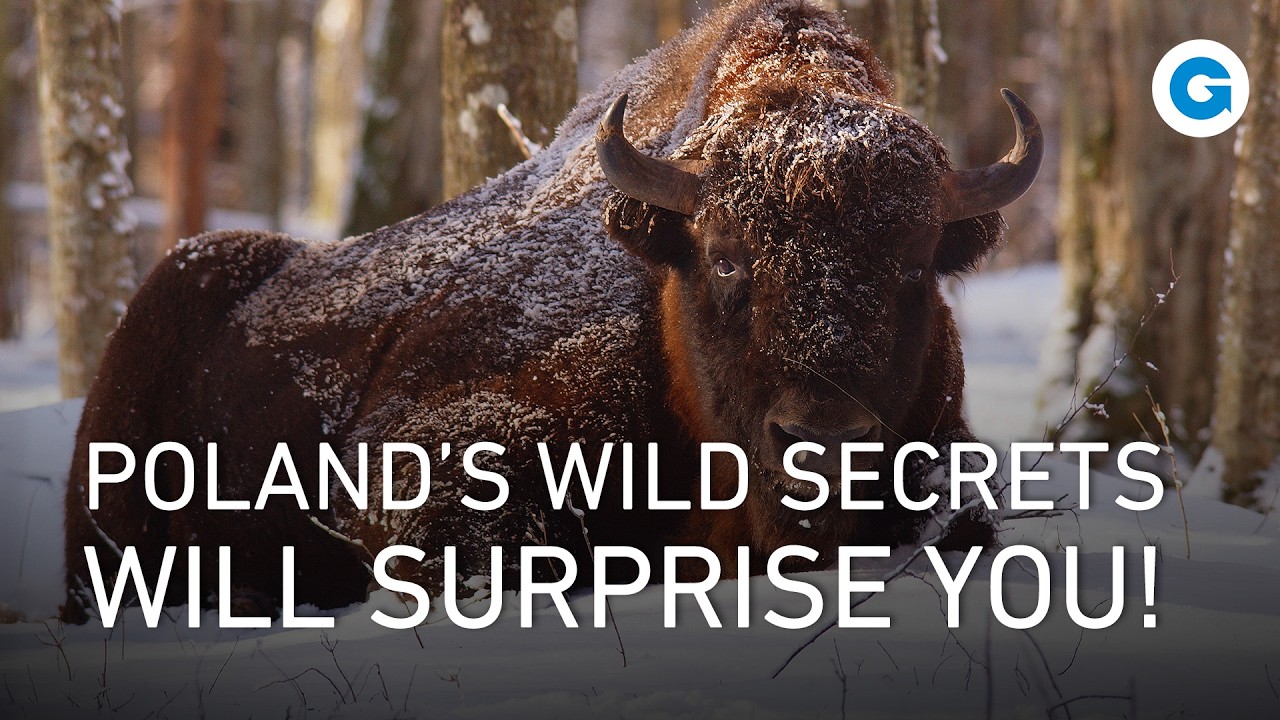
More than 500 bison now populate the east of Poland, descendants of 12 captive animals released 60 years ago after the species was nearly extinct.
A fox can steal over 800 eggs from geese in just three weeks, demonstrating its opportunistic feeding habits in challenging environments.
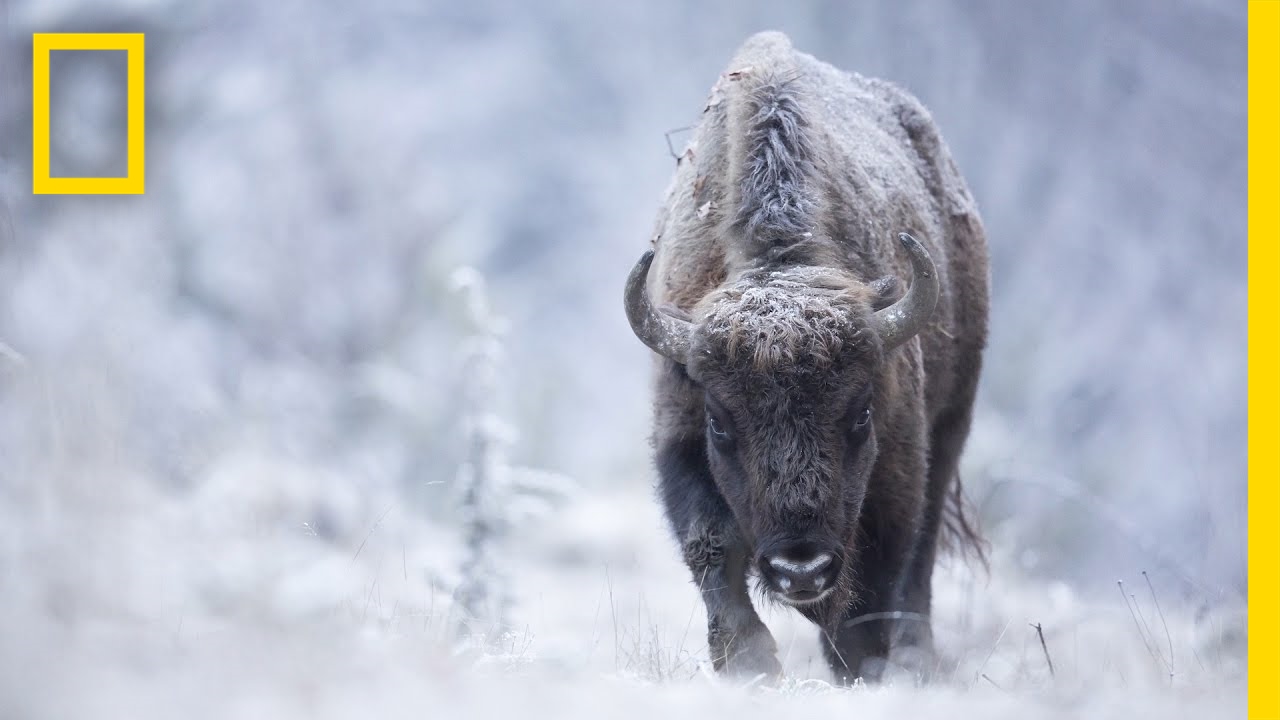
A bison can shovel 5 tons of snow a day to reach withered grass buried beneath a meter of snow during harsh winter conditions.
A bison can shovel five tons of snow a day to reach withered grass buried beneath a meter of snow during harsh winter conditions.
Dozens of human bones from at least 20 individuals, including seven newborns, were discovered in a cave in Derbyshire, dating back nearly 5,000 years.
A pack of 25 wolves in northern Canada hunts bison, the largest land animals in North America, using coordinated strategies to secure their prey.
Wolves in Yellowstone's Druid pack successfully hunt about twice a week during the harsh winter months, relying on teamwork to survive.
Bison in North America, giraffes in Africa, and koalas in Australia illustrate the essential roles wild creatures play in maintaining their ecosystems.
A 500-mile stretch of U.S. Highway 20 connects legendary fishing waters from Yellowstone National Park in Wyoming to the Oregon border.
A lone male wolf follows the Druid pack, scavenging for food while vying for the attention of a female during the harsh winter of Yellowstone.
The prairie First Nations of Canada have shaped the landscape for millennia, using controlled burns to maintain habitats for the North American bison.
With 1.4 billion cows globally, their success story is intertwined with their wild ancestors, showcasing the evolution of cattle from hunted species to mass production.
Tusks of some species can weigh up to 100 kg, serving as powerful weapons for defense and foraging in the animal kingdom.
The Great Barrier Reef, 2,300 km long and visible from space, is the largest structure on Earth built by tiny coral polyps over half a million years.
Around 1,500 bison roam the primeval forest of Białowieża, a region that has seen their near extinction just a century ago.
Bison can reach charging speeds of over 60 km an hour, making them one of the fastest animals on the Great Plains despite their massive size.
Animals have evolved remarkable combat strategies, showcasing powerful weapons like the elk's antlers, bison headbutts, and the lethal kick of an ostrich.
Canadian wildlife specialists work to preserve endangered species such as whooping cranes, bighorn sheep, and polar bears in wilderness areas across the country.
20,000 years ago, the first humans arrived in North America, coexisting with wolves and other wildlife before significant ecological disruption occurred.
Wapiti, also known as elk, inhabit Yellowstone National Park, where they thrive in a diverse ecosystem covering 9,000 square kilometers.
300 hungry crocodiles live in the mighty river, ambushing wildebeest as they attempt to drink, while wolves coordinate pack hunts for bison.
Two wolves, one gray and the other almost white, arrive in Hayden Valley after being reintroduced to Yellowstone National Park for the first time in over 80 years.
A homesteader struggles to care for animals, raising concerns about neglect and misconceptions.
European bison could return to Romania, but locals face challenges from bison herds.
Bison, once numbering 50 to 60 million, now roam Yellowstone National Park with only 4,000 to 5,000 remaining in Pelican Valley.
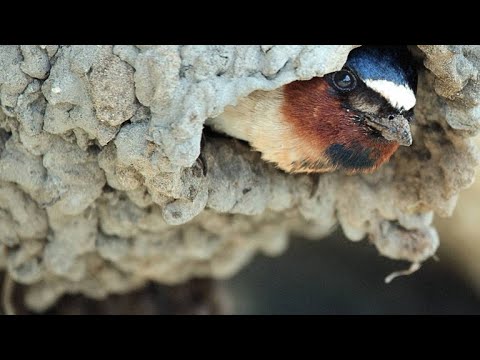
In Yellowstone National Park, bison contribute to the ecosystem by providing mud pellets essential for cliff swallows to build their nests.
Sergey Zimov proposes reintroducing large herbivores to stabilize melting permafrost.
Belgian wildlife photographer Michel d'Oultremont captures the elusive wild bison of Romania, emphasizing the patience required for the perfect shot.
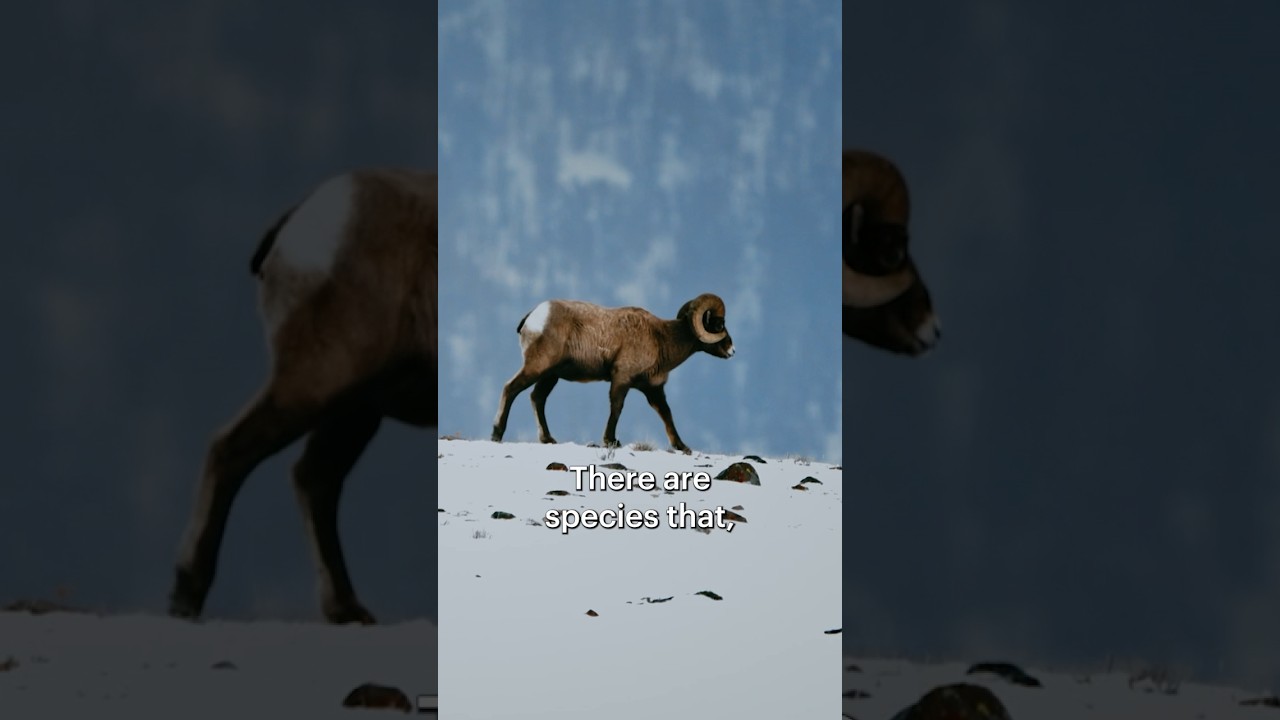
Bighorn Sheep are among the largest hoofed animals, but Bison are the largest overall.
Between 2000 and 2030, an estimated 30 million hectares of land, equivalent to the size of Poland, will be vacated by farmers.
Chef Sean Sherman avoids colonial ingredients like beef, wheat flour, and dairy, focusing instead on wild game and indigenous agricultural varieties.
About 100 wolves now roam Yellowstone National Park, a significant recovery after they were eradicated for over 70 years due to hunting and bounties.
31 wolves from Canada and 10 wolves from northern Montana were reintroduced to Yellowstone National Park in 1995 and 1996 after a 70-year absence.
A study of a prairie dog burrow in Texas revealed it covered more than 60,000 square kilometers and housed 400 million inhabitants.