From over 100,000 films, discover the handful you'll love.
Free or premium access to the world's largest documentary library.
17 films
Earth has experienced five major extinction events, and experts discuss whether human activity is driving the planet toward a sixth mass extinction.
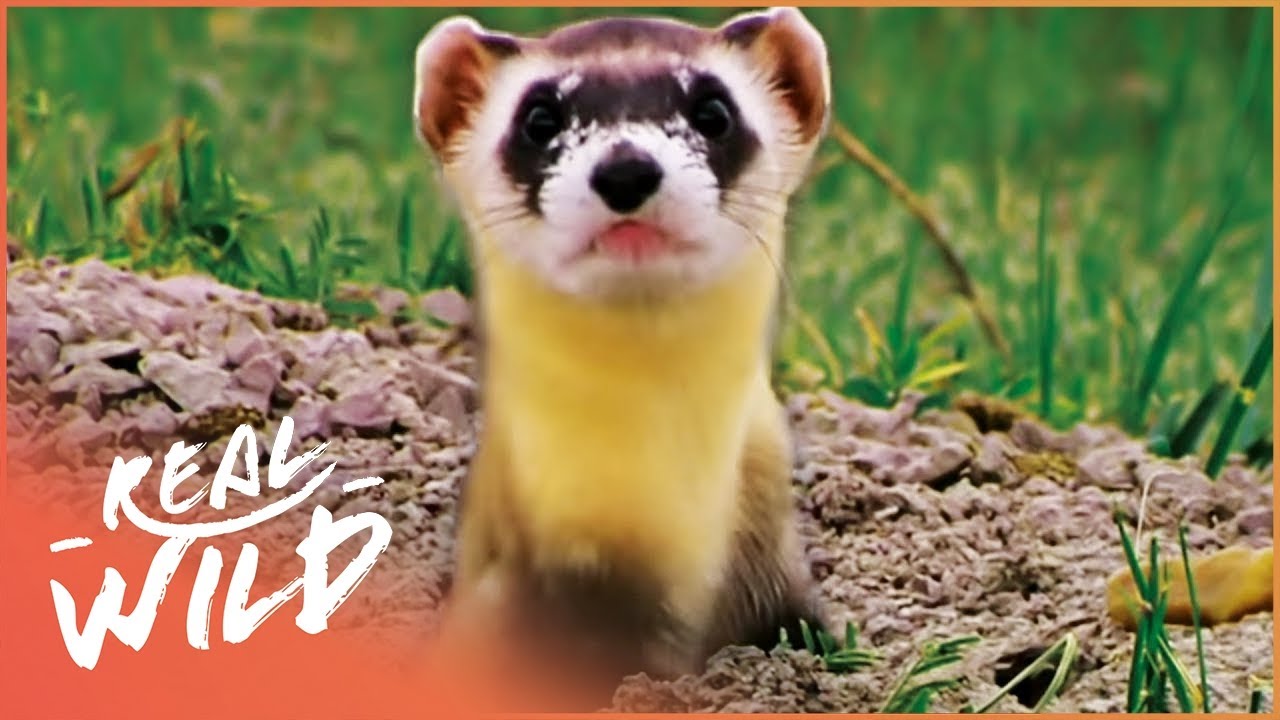
The black-footed ferret, once thriving across the North American Prairies, has become the most endangered species due to habitat loss and the decline of its prey.
Animal populations in Gorongosa National Park increased from 10,000 to 100,000 over the last decade, demonstrating successful wildlife restoration efforts.
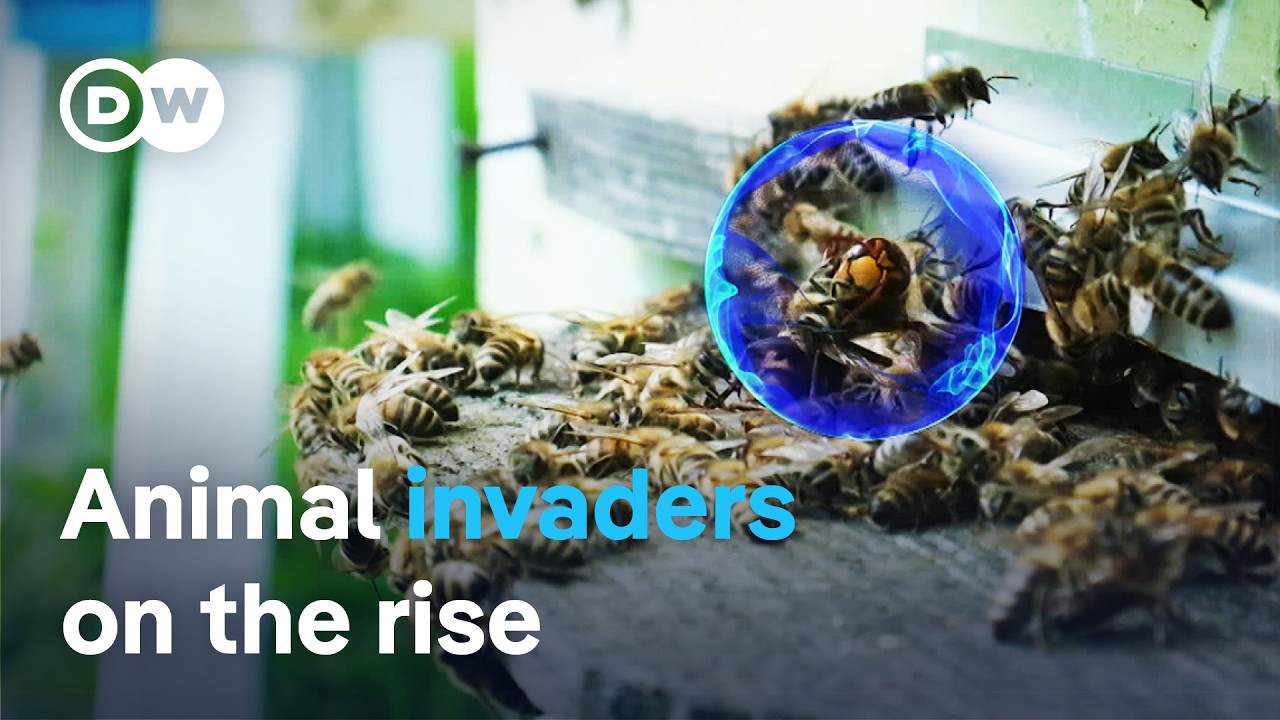
Invasive species, such as the Asian hornet and Japanese knotweed, pose significant ecological threats and incur approximately €400 billion in global damages annually.
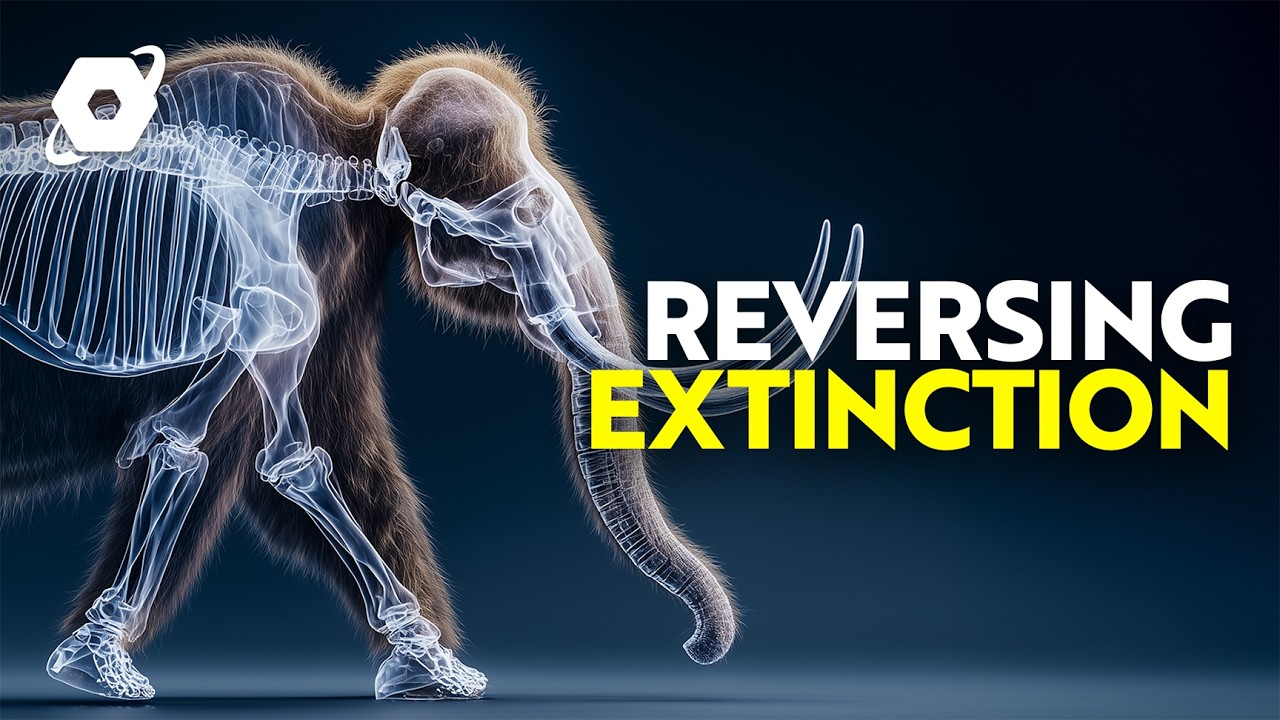
In a world facing accelerating extinction rates, scientists are utilizing advanced genetic technologies to revive species like the Przewalski's horse and address conservation challenges.
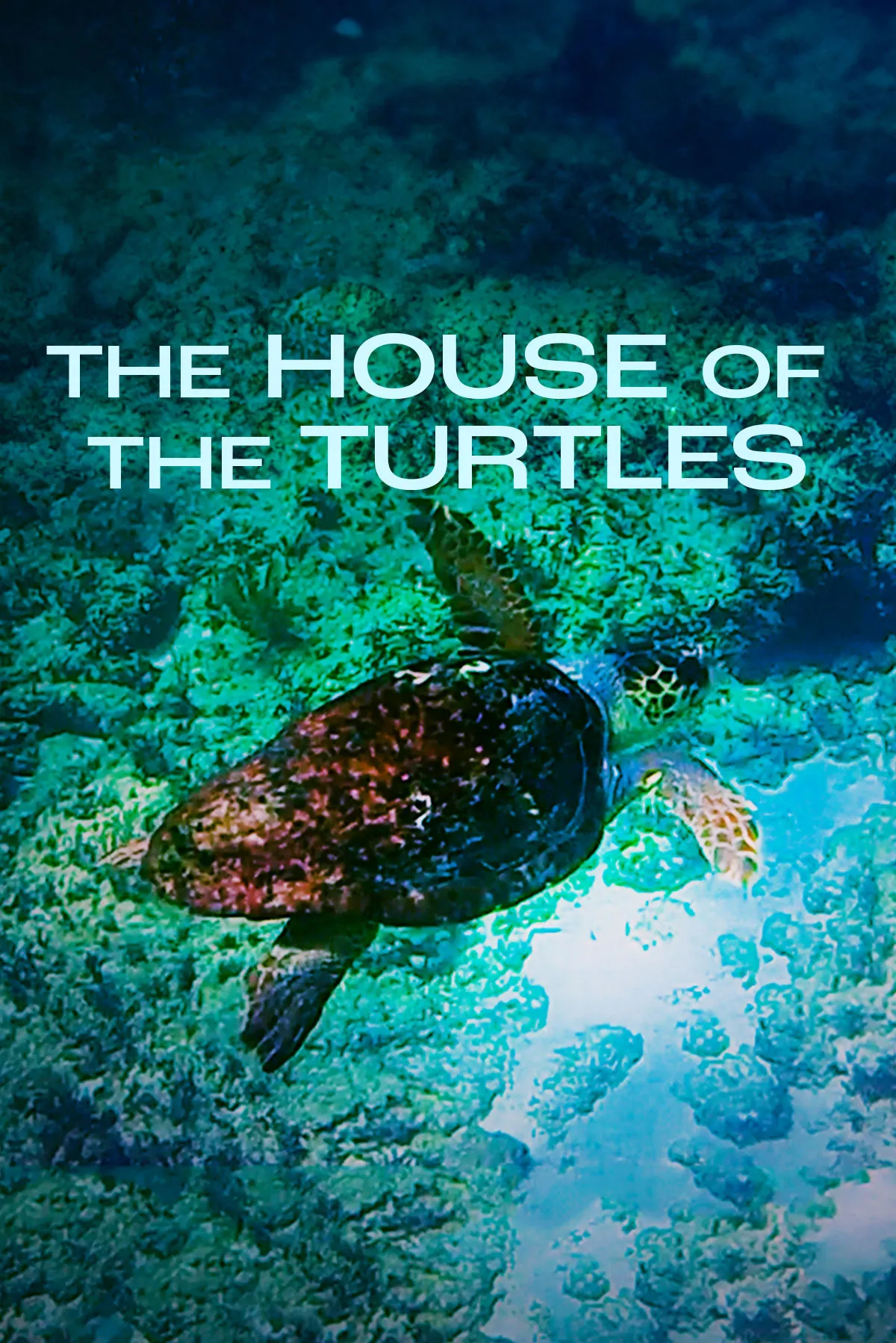
Marine turtles in the Mexican Caribbean face severe threats from the expanding tourist industry and increasing plastic pollution.
Indonesia faces an ecological crisis marked by rampant deforestation, pollution, and the threat of rising sea levels, endangering both its environment and communities.
Gran Canaria faces ecological challenges due to an invasive snake population, prompting local residents and environmentalists to implement control measures.
Human microbiomes, consisting of 30 billion microorganisms, are affected by urbanization and modern diets, impacting health and diversity in contemporary life.
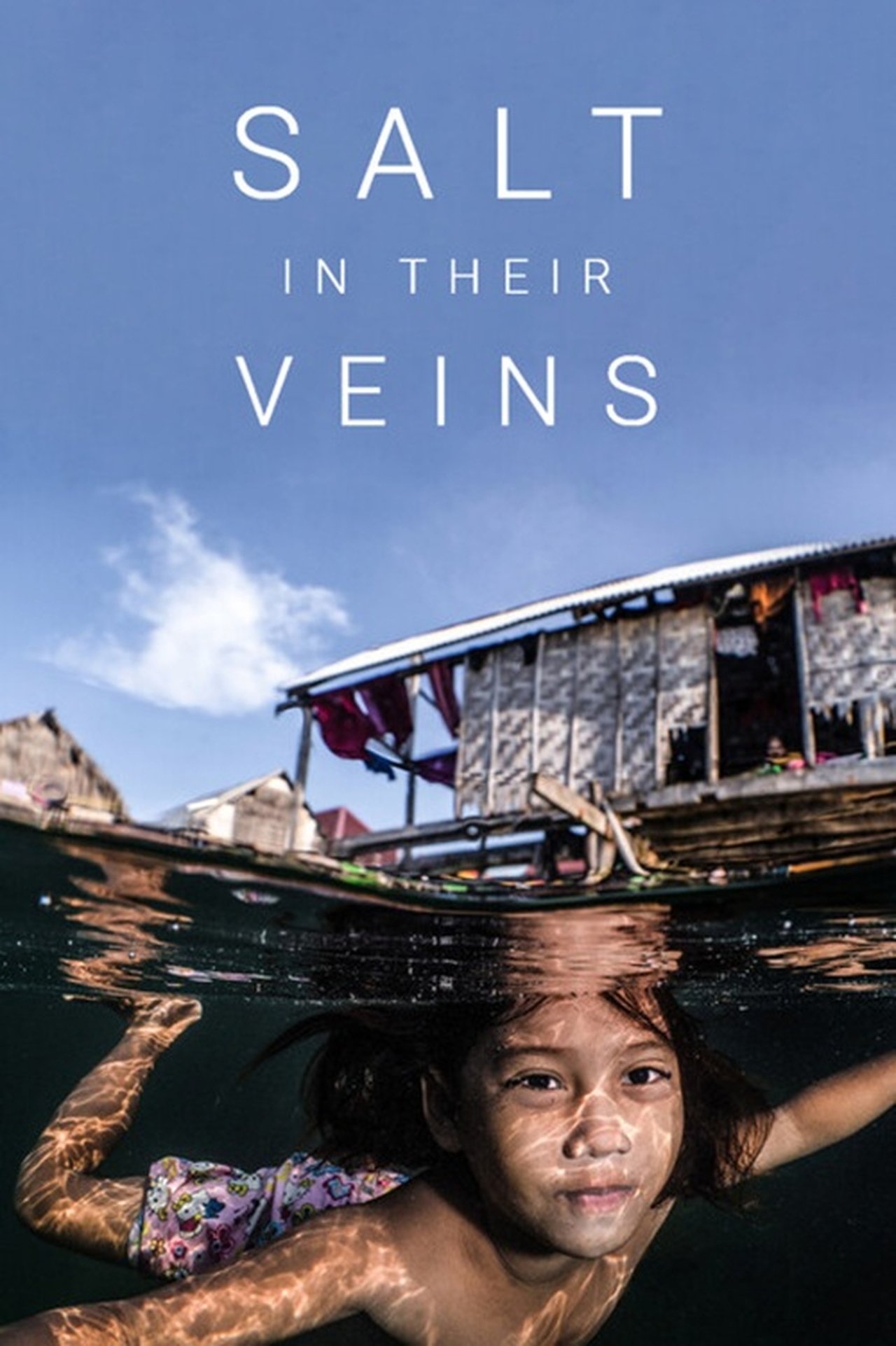
Overfishing and pollution threaten the livelihoods of the Bajo people in Southeast Sulawesi, Indonesia, as they fight to preserve their traditional fishing practices.
A marine protected area in Mexico faces illegal fishing, with poachers earning up to $100,000 for a kilo of totoaba swim bladders sold in China.
By the middle of the century, the global human population is projected to increase by 3 billion, intensifying pressures on ecosystems and wildlife.
41 new coal mining blocks covering 470 square kilometers were announced in India in June 2020, displacing local communities and damaging the environment.
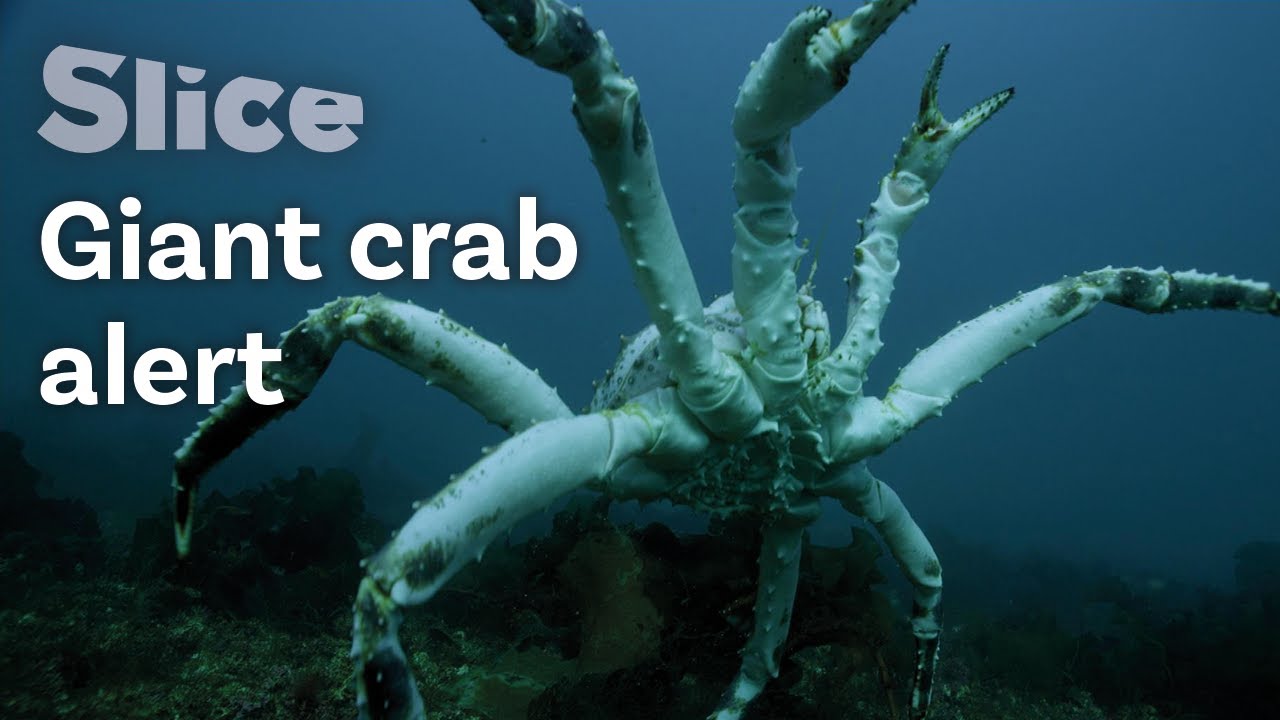
King crabs in the Porsanger Fjord consume an estimated two prey items per day, significantly disrupting the local marine ecosystem.
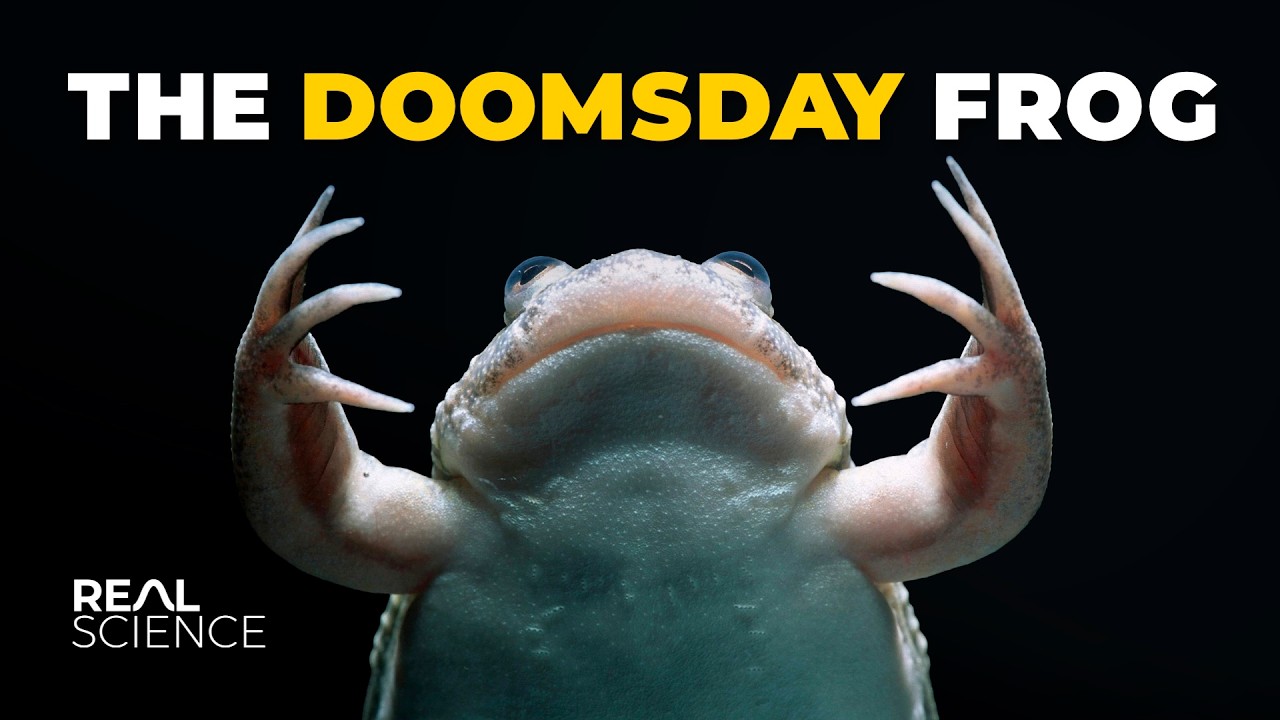
Xenopus laevis, a species of African clawed frog, has been linked to the spread of chytridiomycosis, a deadly pathogen affecting amphibian populations worldwide.
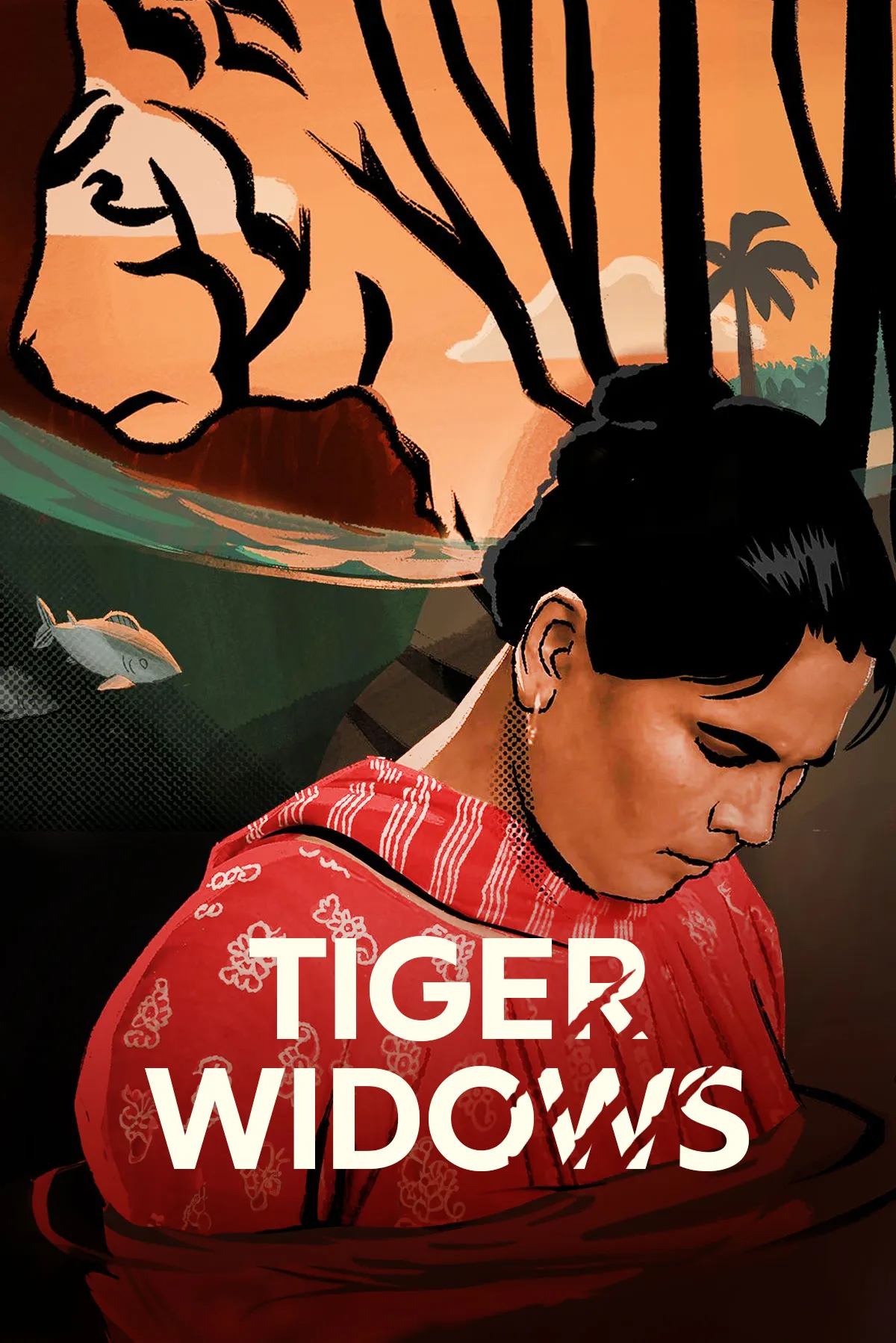
In the Indian Sundarbans, rising seas and tiger encounters leave widows battling poverty and despair.
The G20, representing about 80 percent of global emissions, must commit to carbon neutrality to address the climate crisis, according to UN Secretary-General Antonio Guterres.