From over 100,000 films, discover the handful you'll love.
Free or premium access to the world's largest documentary library.
18 films
Hundreds of thousands of ants work together to build complex structures that serve as homes and shelters in their environment.
A female orangutan constructs a nest each night, using her knowledge of branch strength to create a safe sleeping platform 20 meters above the ground.
Klaus Weißmann documents the resurgence of beavers in Germany, where their population has grown to over 35,000 due to successful conservation efforts.
Around 600 beavers now populate the Netherlands, thriving in canals and contributing to the unique ecosystem of the region.
2400 kilometers of coastline along the North and Baltic Seas host diverse wildlife, including thriving harbor seals and thousands of migrating birds each year.
Two hours of foot travel through harsh Alaskan winters separates Alex Javor's A-frame cabin from his main hunting grounds.
Around 150,000 cranes use Germany as a stopover on their migration north to breeding grounds in Scandinavia each year.
100 billion tons of water rush into the Bay of Fundy twice a day, creating the highest tides in the world and shaping a unique ecosystem.
Yellowstone National Park, established in 1872, is home to grey wolves, grizzly bears, bison, and antelope across its vast landscapes and ecosystems.
Around 1,500 bison roam the primeval forest of Białowieża, a region that has seen their near extinction just a century ago.
A mother otter struggles to raise her grown son, who cleverly manipulates her into letting him suckle as she prepares to move on.
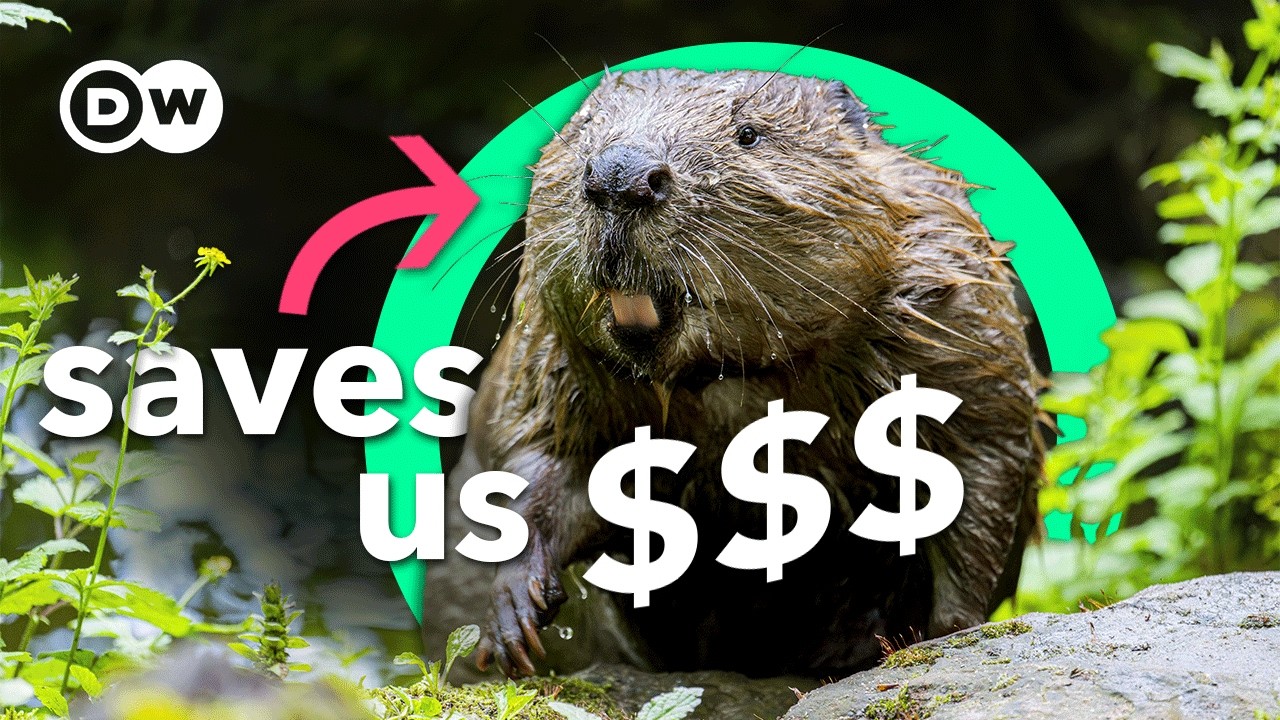
Beavers, weighing just 30kg, may hold the key to solving Las Vegas' looming water crisis as Lake Mead faces unprecedented low levels.
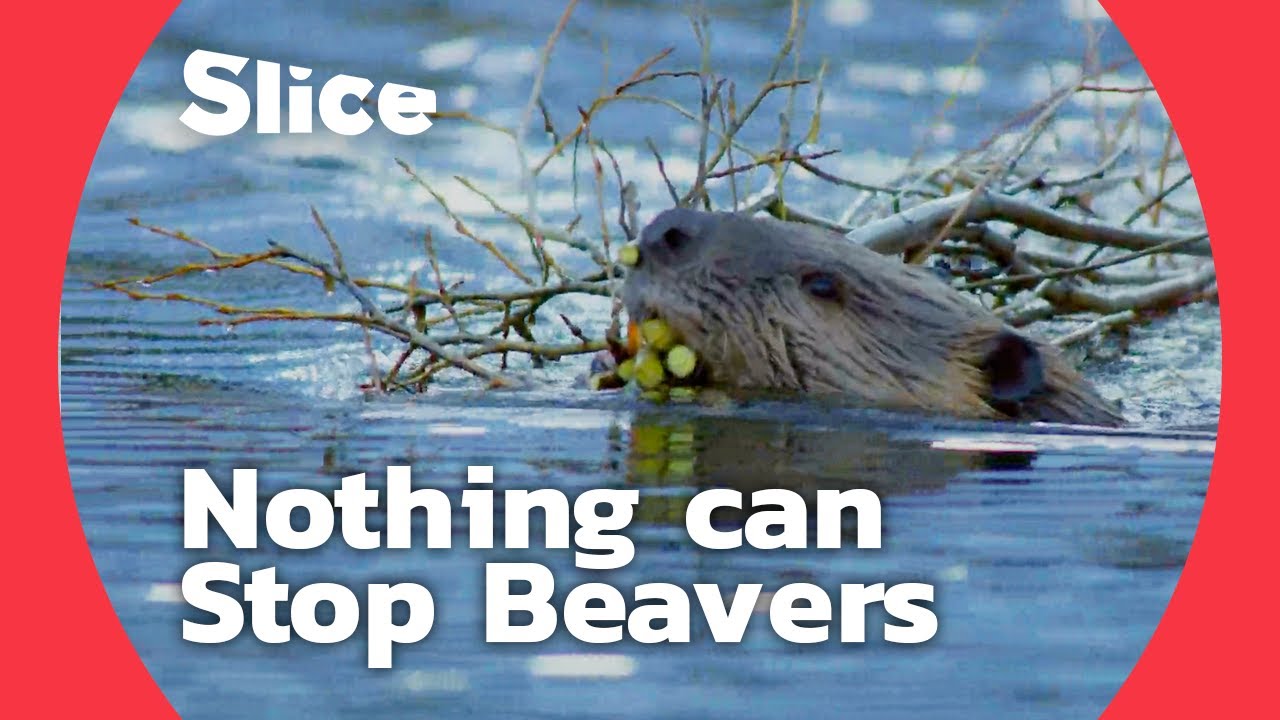
Beavers near Neuschwanstein Castle build dams and cut trees in their busy habitat.
Beavers in Wyoming build dams to create impoundments for protection against predators.
In Vienna, wildlife presenter Hannah Stitfall explores how urban animals, including beavers, adapt and thrive in the city's unique habitats.
In 1948, authorities air-dropped 76 beavers into the wilderness of Idaho using WWII parachutes as part of a wildlife relocation program.
Between 2000 and 2030, an estimated 30 million hectares of land, equivalent to the size of Poland, will be vacated by farmers.
A network of 35 beaver-built structures along the Sophienfließ river has transformed the polluted waterway into a cleaner ecosystem over the past decade.