From over 100,000 films, discover the handful you'll love.
Free or premium access to the world's largest documentary library.
26 films
In May 1940, Hitler gambled that a rapid invasion of France would end the war quickly, relying on Erich von Manstein's innovative tactics to bypass the Maginot Line.
On December 7, 1941, the Japanese attack on Pearl Harbor killed thousands of soldiers and marked the end of American neutrality in World War II.
Winston Churchill was born on November 30, 1874, at Blenheim Palace in Oxfordshire, England, to a politically prominent but financially troubled family.
More than 2,000 men were killed in the Japanese attack on Pearl Harbor on December 7, 1941, prompting the United States to enter World War II.
185,000 square miles of Russian land were freed during the winter campaign of 1942, marking a significant turning point against the Axis powers.
On September 27, 1940, Japan signed the tripartite pact with Germany and Italy, marking a significant escalation in the global conflict of World War II.
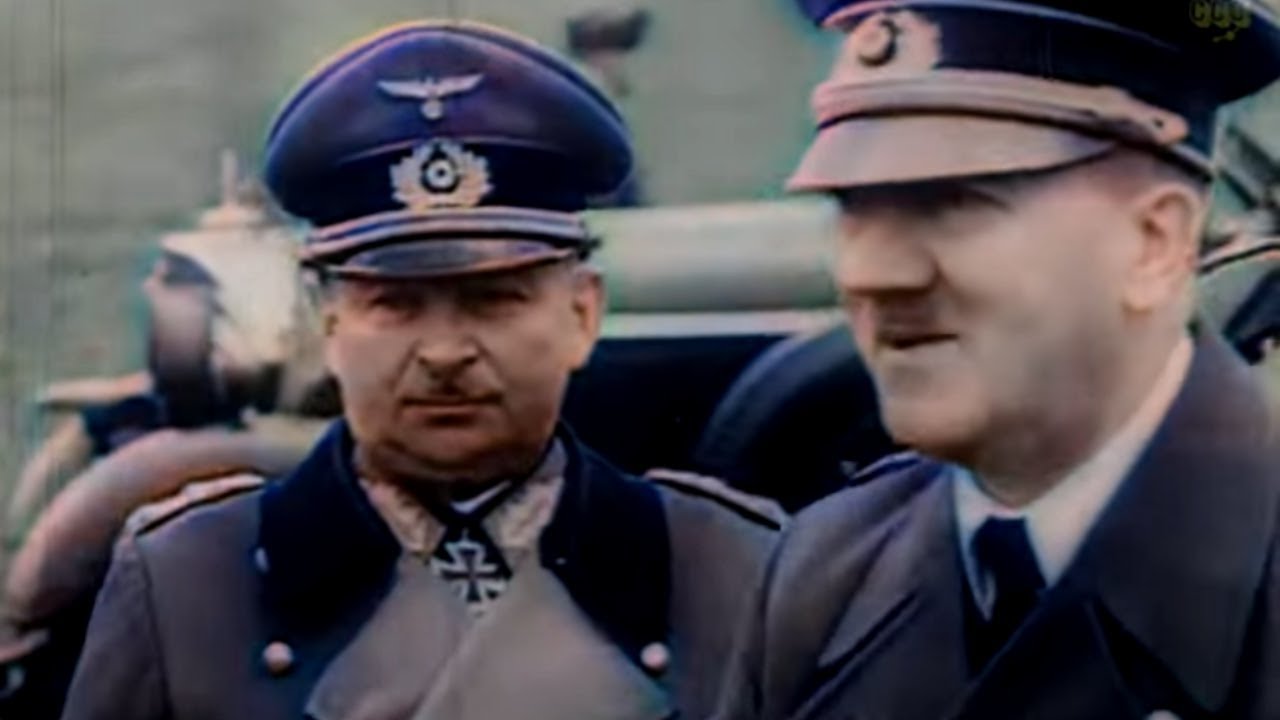
Adolf Hitler entered Paris on June 14, 1940, as Britain prepared to defend itself against the impending threat of Nazi invasion.
A combined operation involving hundreds of thousands of American and British soldiers was planned over 125 days to launch the Allied invasion of Tunisia.
Adolf Hitler, blinded in a mustard gas attack during World War I, later led Germany into a devastating conflict that resulted in millions of deaths.
By July 1942, the Battle of Stalingrad was underway as German troops faced a fierce counter-attack from the Soviet Red Army.
By July 1942, German troops were advancing into Stalingrad, while British forces prepared to counterattack at El Alamein under General Bernard Montgomery.
Nearly 1,500 fires broke out in London during the second great fire of London, ignited by German bombers just days after Christmas 1940.
80,000 Britons were taken prisoner in Singapore following its fall to Japanese forces in February 1942, marking a significant shift in World War II.
April 3, 1941, marked a significant advance for Erwin Rommel's Africa Korps as they seized control of the second Libyan city, Benghazi.
On September 2, 1945, Japan signed the instrument of surrender aboard the USS Missouri, marking the end of World War II.
Over 40,000 people died during the Blitz, with more than half of those casualties occurring in London, leaving millions homeless.
On August 6 and 9, 1945, the cities of Hiroshima and Nagasaki were destroyed by atomic bombs, marking a decisive moment in World War II.
80,000 Britons were taken prisoner in Singapore and 50,000 in Malaysia following the Japanese invasion during World War II.
The Second World War officially ended at 8:09 AM on September 2, 1945, when Japan signed the surrender document, marking a significant moment in history.
The British Eighth Army rolled back the German Africa Corps in a retreat that lasted four months and covered 1,200 miles to Tripoli.
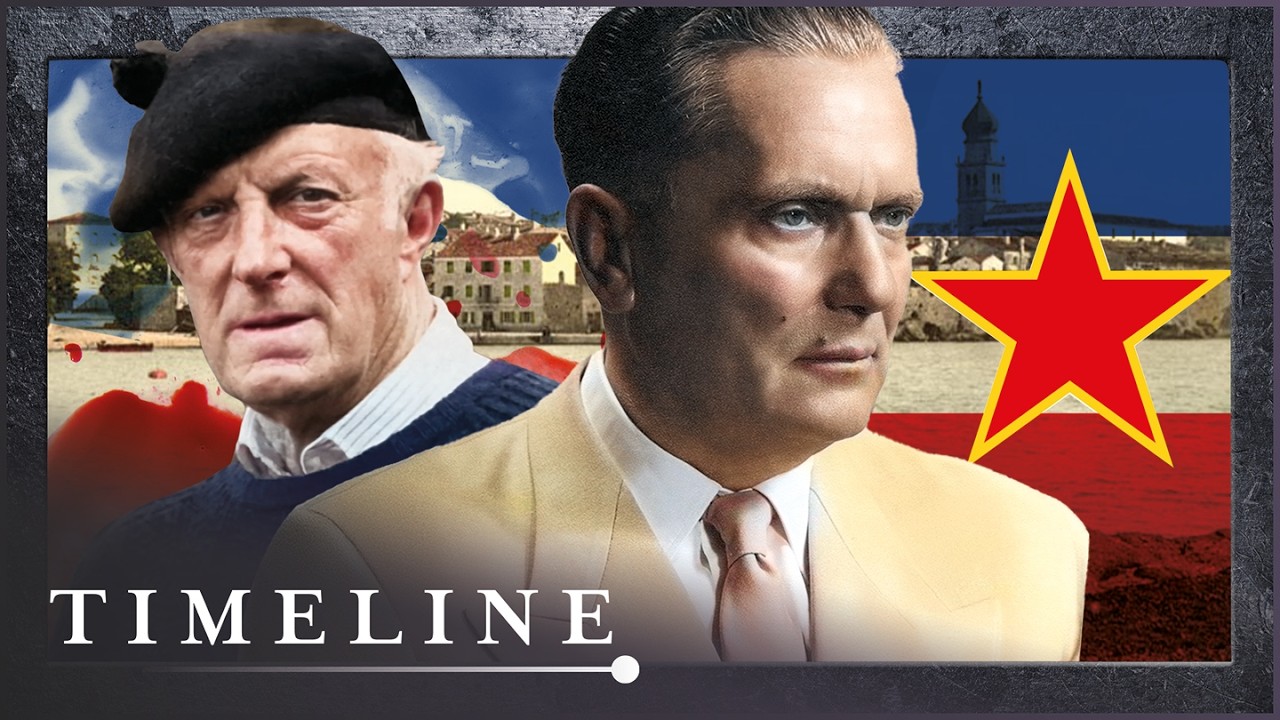
177,000 civilians died within two weeks of the Axis invasion of Yugoslavia in April 1941, setting the stage for a complex wartime alliance.
Two million New Yorkers celebrated in Times Square on August 14, 1945, marking the end of World War II following Japan's surrender.
Women over 40 worked part-time in factories alongside men and schoolboys to meet the demands of war production during World War II in Britain.
On June 4, 1944, American and Allied troops captured Rome, marking the first of the Axis capitals to fall during World War II.
More than 100,000 people of Japanese ancestry were relocated from the West Coast during World War II due to fears of espionage and sabotage.
Over 1.1 million soldiers and civilians died during the Battle of Stalingrad, making it the most costly battle in human history.