From over 100,000 films, discover the handful you'll love.
Free or premium access to the world's largest documentary library.
20 films
Venus's double-eyed vortex measures 1,800 meters wide, featuring hurricanes that whirl around each other in its turbulent atmosphere.
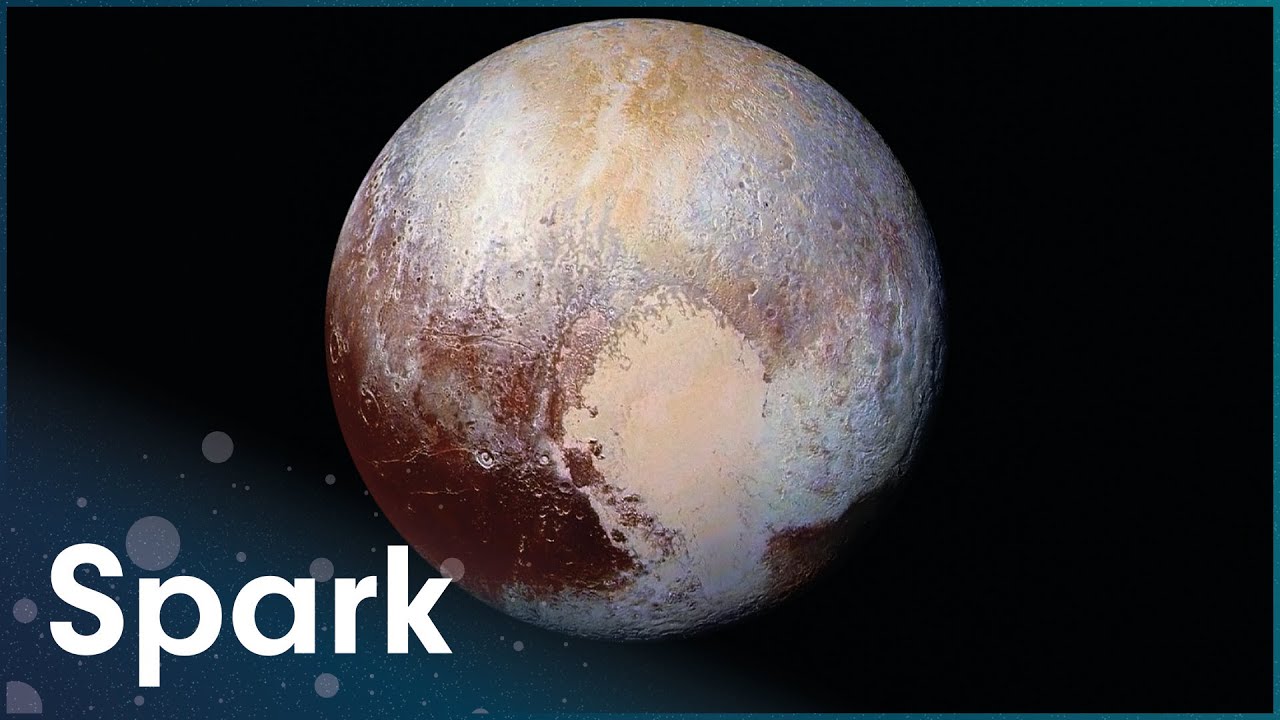
Pluto is 3.5 billion miles from Earth and has potential underground oceans and geysers.
Space exploration and scientific phenomena are explored through a series of engaging segments, providing fascinating insights to ease viewers into sleep.
Earth's formation is explored through key events from the Big Bang to the development of natural resources like the Great Lakes and super diamonds.
The video presents 10 episodes from The New Frontier series about outer space mysteries.
In 2019, Iceland declared its first glacier dead after losing 35 meters of ice cover in just 130 years, a sign of accelerating climate change.
Chemist Gabriel Walker explores the composition and significance of the atmosphere, answering the fundamental question of what air truly is.
A colossal amount of magma released from volcanic eruptions created a deadly chemical cocktail that affected the entire planet.
A flea crawling on a spinning tennis ball takes the same time to complete a lap, illustrating how Earth's atmosphere moves with the planet.
Solar Flares pose serious threats to Earth through high-energy radiation and magnetic disturbances.
A 21-ton Chinese rocket is set to re-enter Earth's atmosphere, raising safety concerns.
A discovery made on St. Patrick's Day reveals Mars' vulnerability to solar activity.
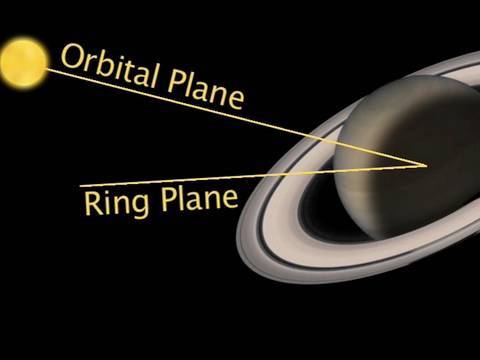
Last year, Saturn moved into a position allowing Hubble to image its dual aurorae simultaneously.
NASA's Jet Propulsion Lab team discusses lightning observations in Saturn's atmosphere.
200 billion stars exist in our galaxy, with one in five potentially hosting Earth-like planets, according to astronomer Lisa Kaltenegger.
NASA’s MAVEN spacecraft studies Mars' atmosphere and its history of water flow.
Megan Haney Greer reaches a depth of 170 feet while free diving, equivalent to the height of a 13-story building.
Dust devils form on Earth and Mars, visible due to the dust they lift from the ground.
Venus has a surface temperature hot enough to melt lead, illustrating the extreme consequences of a runaway greenhouse effect.
Scientists maintain excitement for Pluto's mysteries and unique features in our solar system.