From over 100,000 films, discover the handful you'll love.
Free or premium access to the world's largest documentary library.
24 films
In December 2019, the establishment of the United States Space Force marked a significant escalation in the global arms race in Earth orbit amid rising geopolitical tensions.
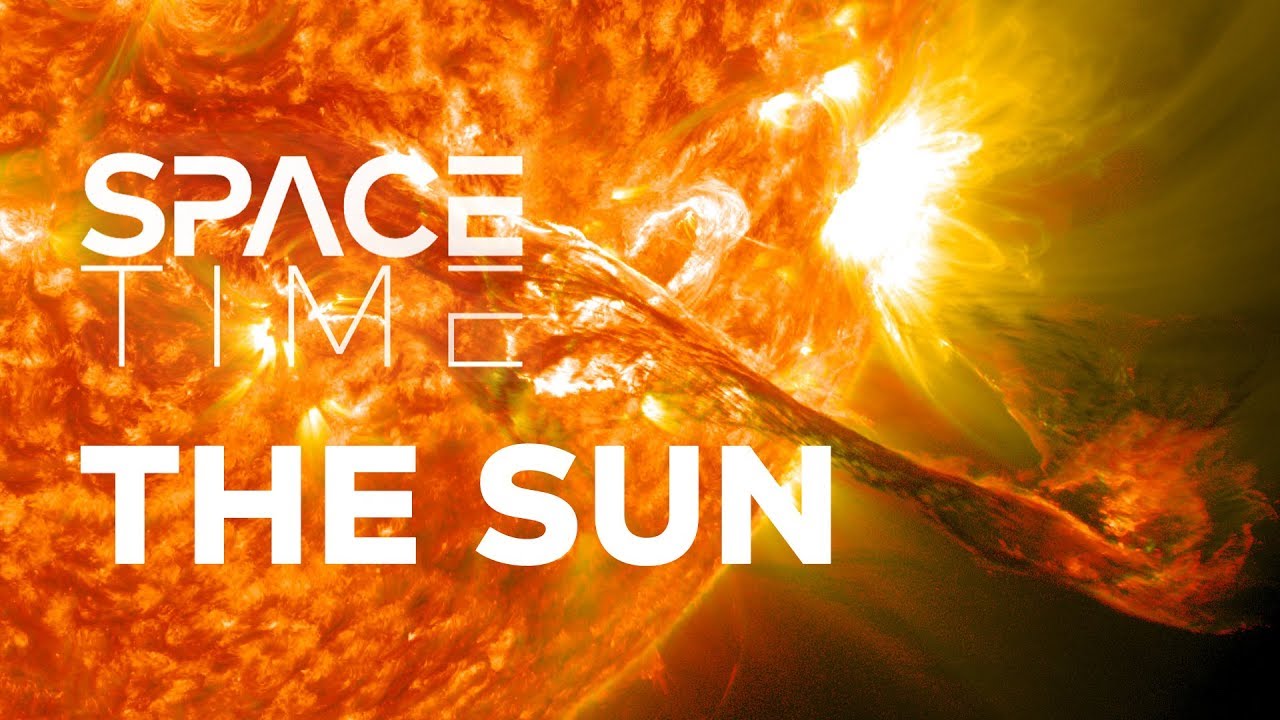
The sun, a massive nuclear reactor at the center of our solar system, will eventually expand into a red giant, leading to the end of life on Earth in approximately 900 million years.
Space debris poses a significant threat to astronauts aboard the International Space Station and satellites, with hundreds of thousands of fragments orbiting Earth.
In 2015, NASA telescopes identified a promising exoplanet with Earth-like temperatures and potential liquid water, prompting astrophysicists to explore similar solar systems.
Astronaut and scientist Ulrich Walter examines the fundamental role of gravity in shaping life on Earth and its significance in understanding the universe.
Explore the unique challenges of life, love, and sex in space as astronauts navigate daily routines and relationships beyond Earth.
Since 1995, astronomers have discovered more than 100 planets orbiting distant stars, raising hopes for finding a new home for humanity.
In 2019, space nations including China, Japan, and the United States reignite lunar exploration ambitions, exploring the feasibility of moon bases and tourism.
In 2015, Nepal experienced its strongest earthquake, with radar satellites providing precise geological mapping and insights into the disaster's impact.
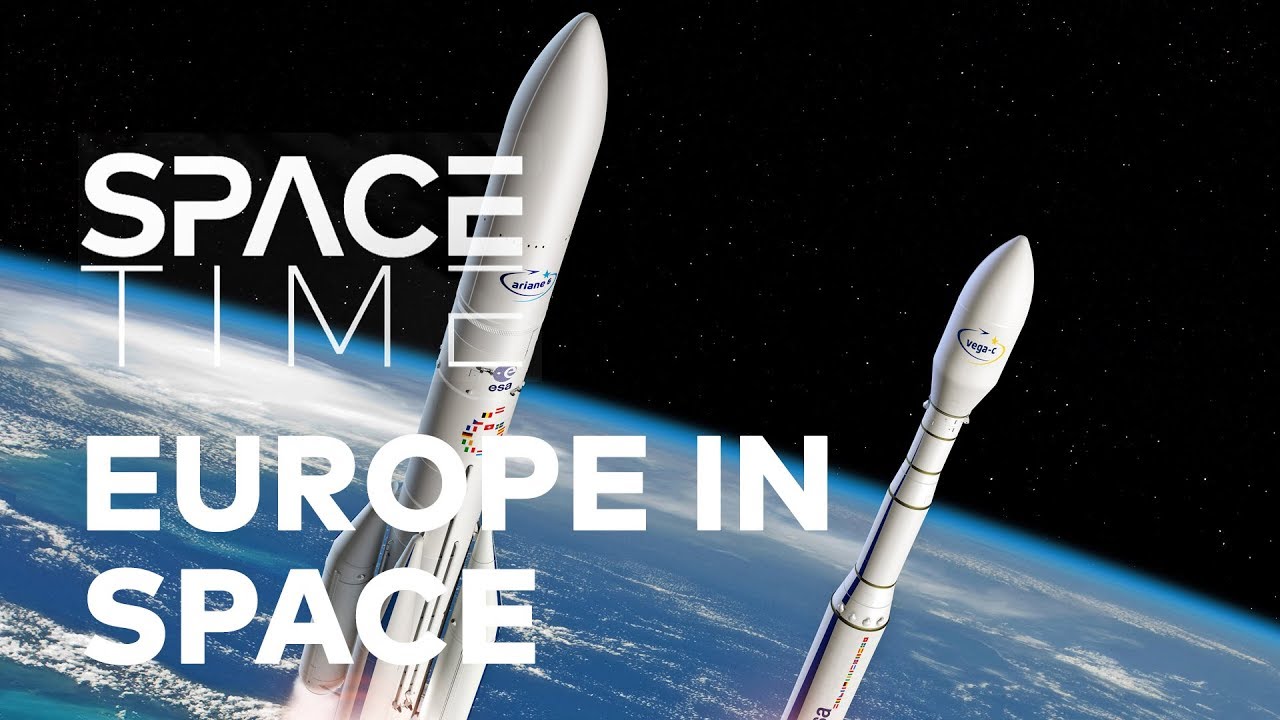
Europe's Ariane 5 rocket, boasting a 98% success rate, establishes the continent as a leader in commercial satellite launches amid increasing competition.
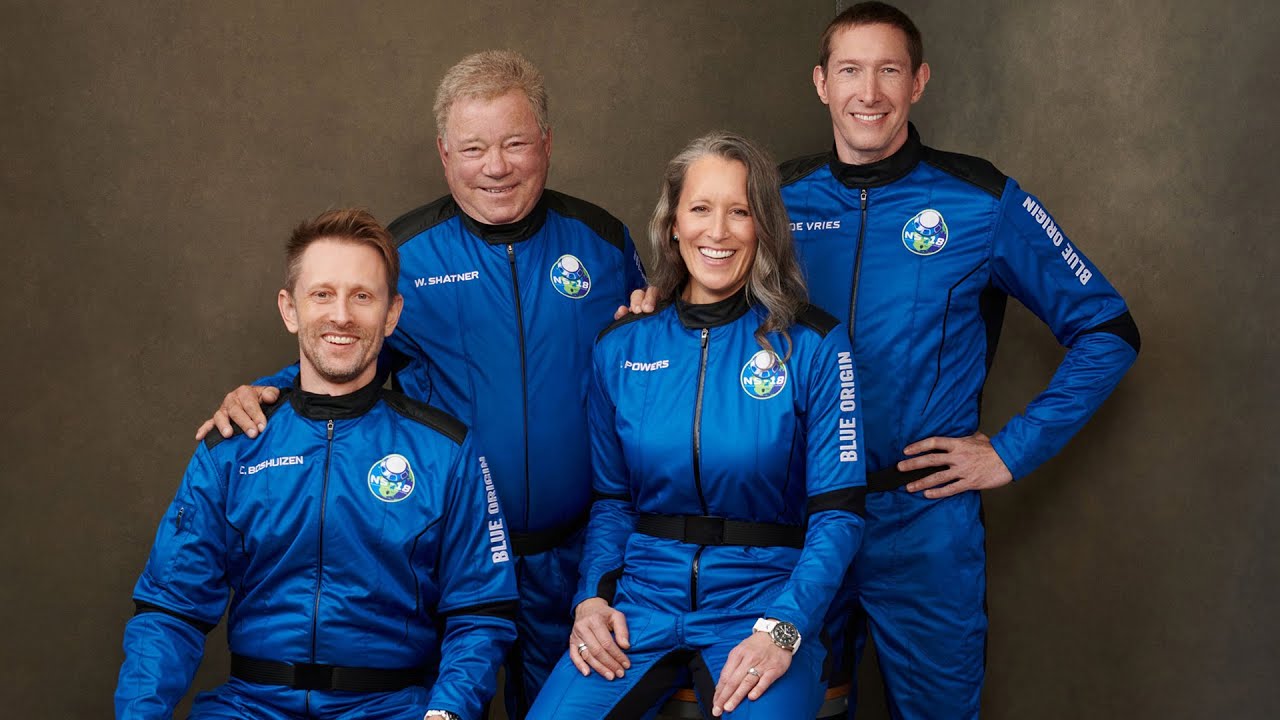
William Shatner, known for his role as Captain Kirk in Star Trek, becomes the oldest person to travel to space aboard Blue Origin's New Shepard.
Aboard the International Space Station, French astronaut Thomas Pesquet and his colleagues conduct experiments to prepare for future long-duration missions to Mars.
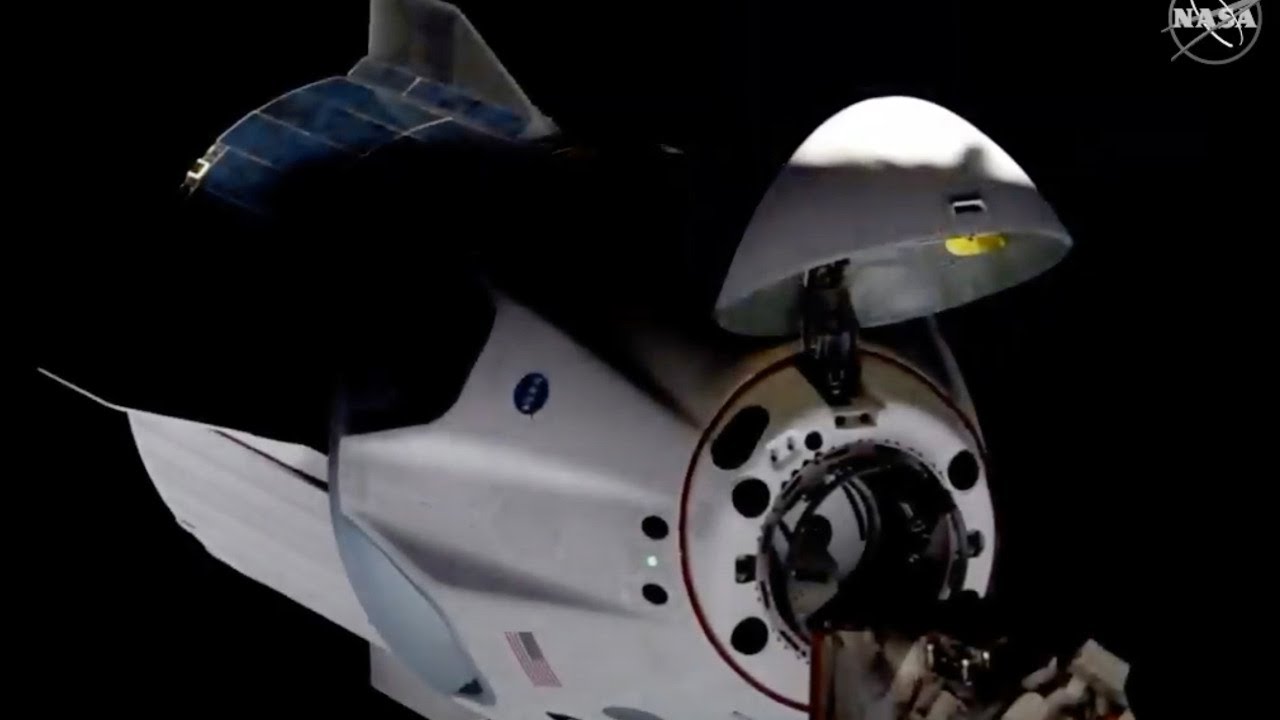
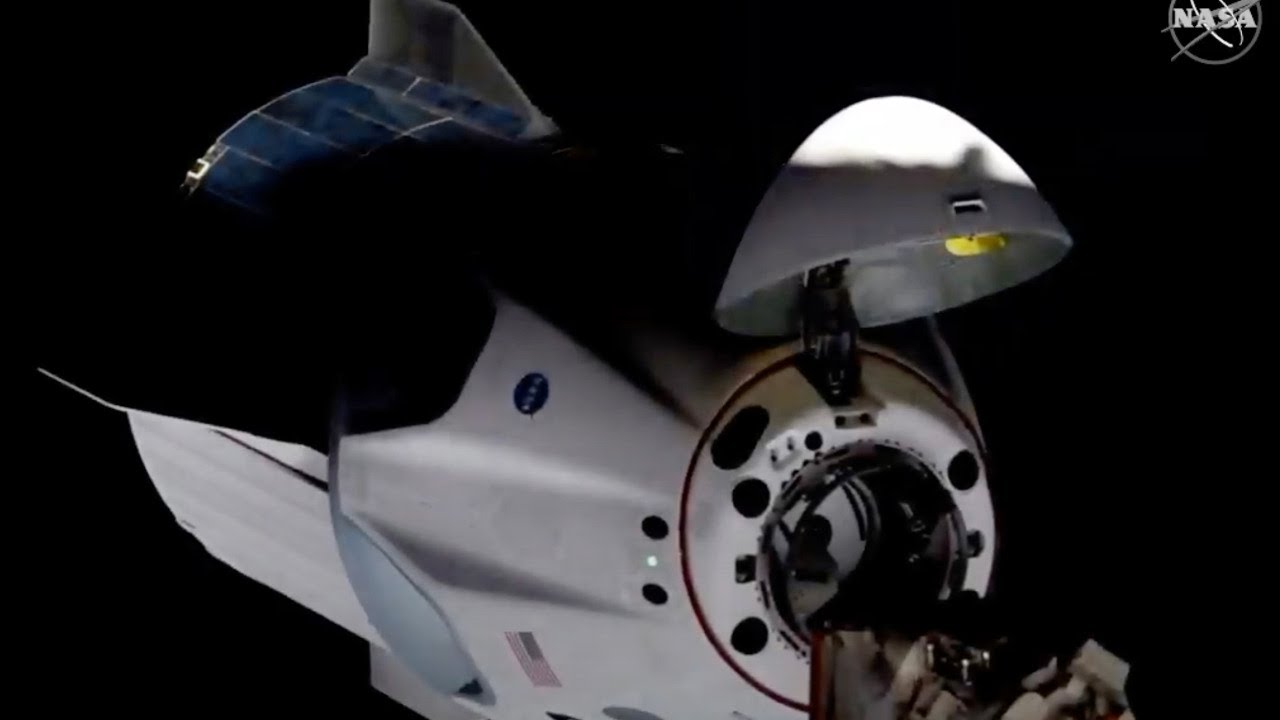
NASA astronauts Doug Hurley and Bob Behnken returned to Earth in a SpaceX Dragon capsule, completing a historic test flight with a splashdown in the Gulf of Mexico.
Project Mercury, America's first manned space program, along with advancements in camera tracking and the International Space Station, highlights key milestones in space exploration.
NASA astronauts Doug Hurley and Bob Behnken returned to Earth aboard SpaceX's Crew Dragon capsule, completing a historic test flight with a splashdown in the Gulf of Mexico.
In November 2016, astronauts Thomas Pesquet, Peggy Whitson, and Oleg Novitsky prepare for a six-month mission aboard the International Space Station.
French astronaut Thomas Pesquet's first mission to the International Space Station highlights the blend of scientific research and inspiration for future generations.
In the new lunar exploration era, nations like China, Japan, India, and the United States aim to return to the moon, exploring possibilities and challenges.
Laurens Grant highlights the contributions of African-American astronauts in the Show: Black in Space, emphasizing their role in breaking barriers during the Space Race.
Apollo 7 faces challenges as Wally Schirra battles a painful head cold in space.
90 digits of pi are recited by a 29-year-old aspiring astronaut from Iraq, who reflects on the risks and emotional challenges of a Mars mission.
John Glenn is the first American to orbit Earth and the oldest person to fly in space.
Astronauts' lunar missions are examined alongside insights from Ancient Aliens, suggesting potential extraterrestrial encounters during space exploration.
Apollo 11 crew made history by landing on the moon and faced quarantine upon coming back to Earth.