From over 100,000 films, discover the handful you'll love.
Free or premium access to the world's largest documentary library.
11 films
Ceres, the largest asteroid, measures nearly 1,000 kilometers across and is visible to the Hubble Space Telescope, revealing its rotation and surface features.
Over 200 robotic probes have been sent into space since the 1950s, providing critical data about Mars and Saturn's moon Titan.
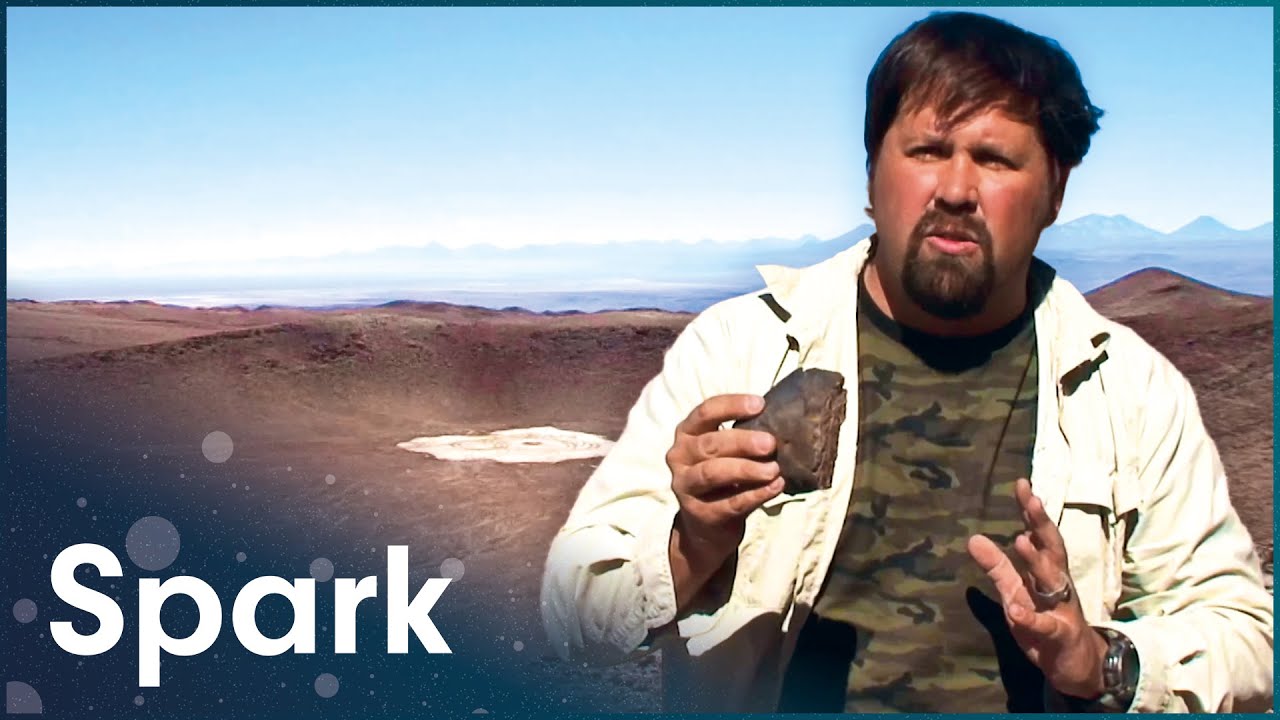
Steve Arnold and Jeff Knockin find 32 meteorites in the Atacama Desert, including a new L5 chondrite, during their expedition to the Monturaqui Crater.
Asteroids, which formed the Earth 4.5 billion years ago, are essential for understanding the origins of life and the future of human space exploration.
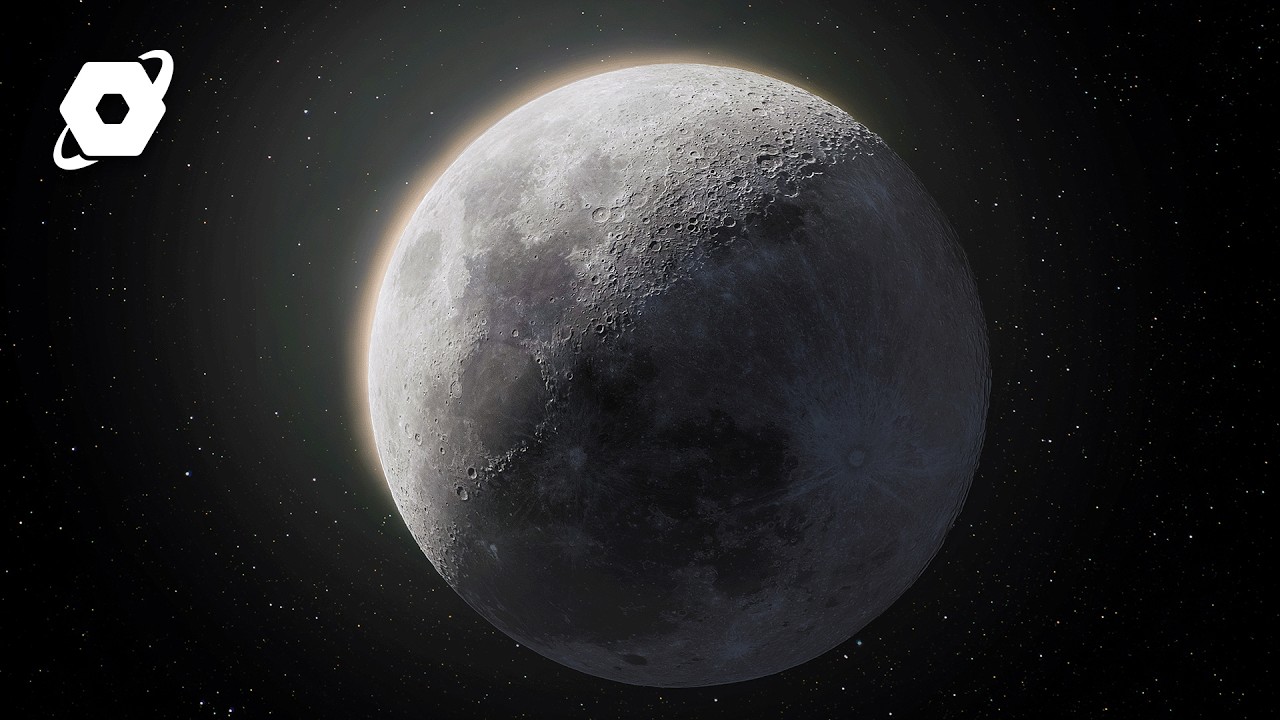
The Moon is 239,000 miles from Earth and is being considered as the first potential home for humanity beyond our planet.
A comet 5 km wide, traveling over 100,000 km an hour, is on a collision course with Earth, threatening to cause a 100 million megaton explosion.
15,000 asteroids larger than 100 meters remain to be found, prompting plans for intervention missions to protect Earth from potential impacts.
NASA's Dawn spacecraft captured images of a three-mile-tall pyramid on the dwarf planet Ceres, raising questions about extraterrestrial life.
NASA's Dawn mission began on September 17, 2007, to study the two largest asteroids, Ceres and Vesta, in the asteroid belt.
More than 700 asteroids could be worth over 100 trillion dollars, raising questions about wealth distribution and tax implications in space.
A camera on Voyager 1 captured Earth as a pale blue dot from 6 billion kilometers away, revealing the planet's life as invisible from such a distance.