From over 100,000 films, discover the handful you'll love.
Free or premium access to the world's largest documentary library.
33 films
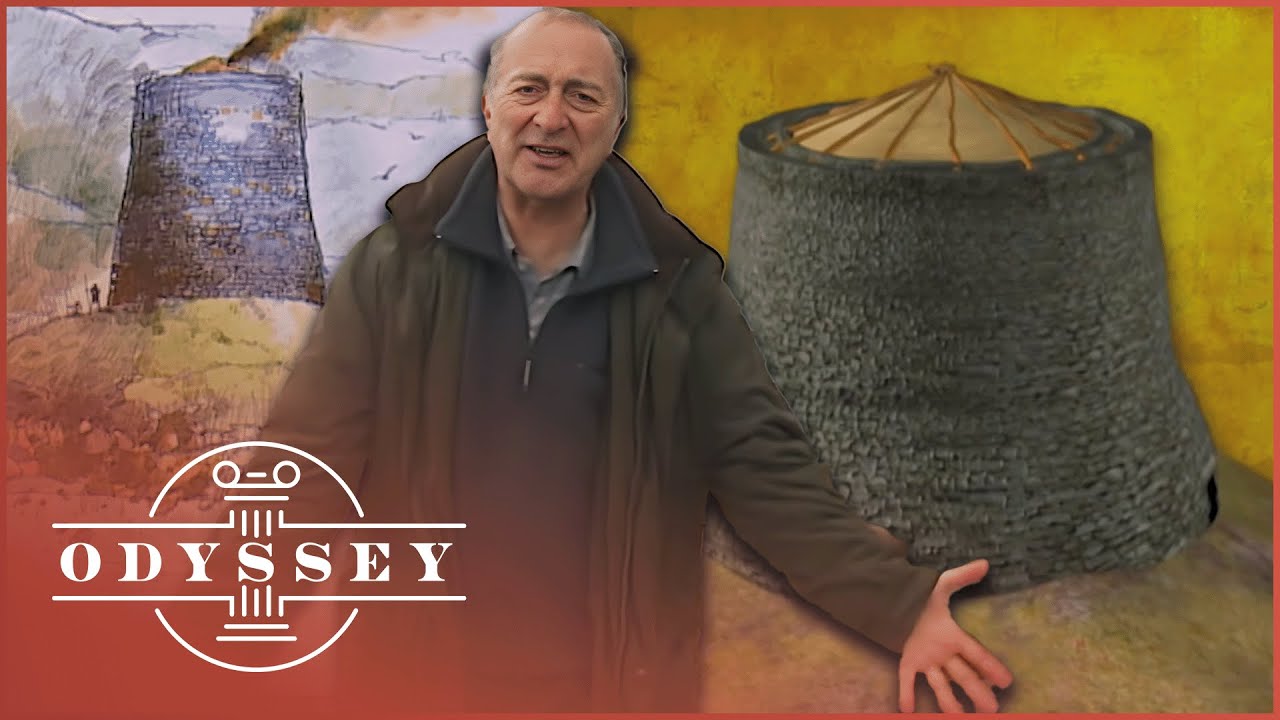
In Applecross, a team excavates a broch, one of the largest Iron Age structures in Britain, believed to be buried under a hill in Scotland.
Bettany Hughes explores the historical significance and enduring legacy of the Seven Wonders of the Ancient World, revealing their original grandeur and present-day remnants.
Caerwent in South Wales, known as Britain's best-preserved Roman town, features significant archaeological sites including a basilica, forum, and potential villa remains.
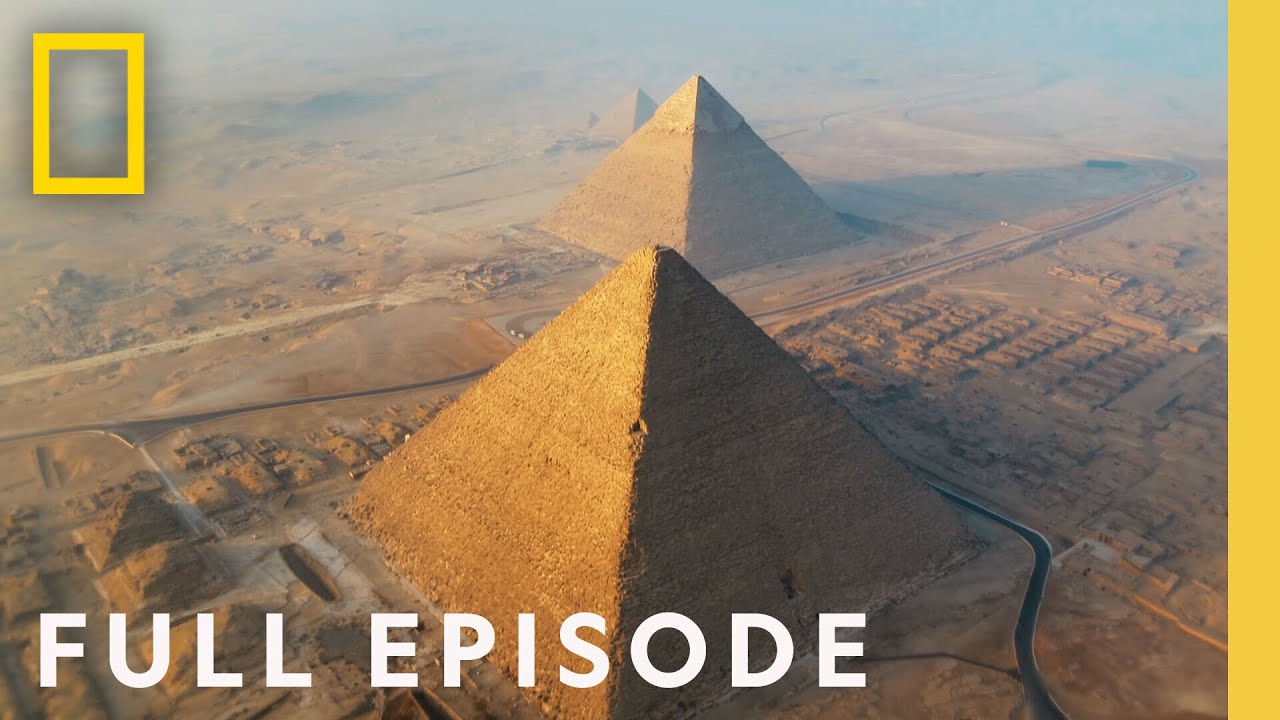
The Great Pyramid of Giza, completed over 4,500 years ago, was built from more than 2 million sandstone blocks, each weighing more than a car.
The 13 Crystal Skulls, ancient artefacts shrouded in mystery, are examined for their authenticity and potential connection to apocalyptic prophecies.
In Sudan, David Adams explores the Nile's historical significance while reflecting on the region's ancient fortresses and its violent past.
1,500-foot-long crop circles appeared overnight in England, drawing thousands of tourists and sparking debate about their origins and creation.
Ancient China, known for its remarkable achievements and powerful dynasties, is explored through its unification, cultural heritage, and iconic sites like the Terracotta Army.
Hadrian's Wall serves as the backdrop for an excavation of a previously untouched Roman cemetery, revealing insights into the decline of a once-thriving settlement in Roman Britain.
A circular crop mark near Peterborough, believed to be a 6,000-year-old causewayed enclosure, is examined by Francis Pryor and Ben Robinson for its origins.
Ancient biblical mysteries, including the tower of Babel and various relics, have intrigued scholars for centuries, prompting extensive historical analysis.
Finlaggan Island in Scotland, originally thought to be a medieval site, reveals evidence of prehistoric rituals that date back much further in time.
An ancient moat in Wales raises questions about its purpose, with theories ranging from a Roman fort to a fortified cattle enclosure or an early chapel.
In Somerset, archaeologists investigate a Roman villa from 43 A.D. that may have been built on an earlier Iron Age settlement, featuring insights from specialists John Creighton and Tom Moore.
Ancient Alexandria, the Hellenistic capital of the 1st Century BC, is explored for its historical accuracy through the lens of Assassin’s Creed Origins.
Ancient Egypt's mysteries are explored through the insights of archaeologist Miriam Cooke and Egyptologist Dominic Montserrat, focusing on Tutankhamun's tomb and the pyramids of Giza.
In the English countryside, Time Team investigates a potential Roman villa, revealing insights into the living conditions of Roman Britons before the empire's decline.
An archaeological site in Britain, located beneath a major military training facility, faces potential destruction as Time Team works to secure its protection.
In 1986, two brothers from a Kibbutz near the Sea of Galilee unearthed a fully intact First Century Galilean fishing boat, marking a significant archaeological find.
Ramses II, known as one of Ancient Egypt's most powerful pharaohs, is examined for his enduring leadership and monumental legacy that surpasses his contemporaries.
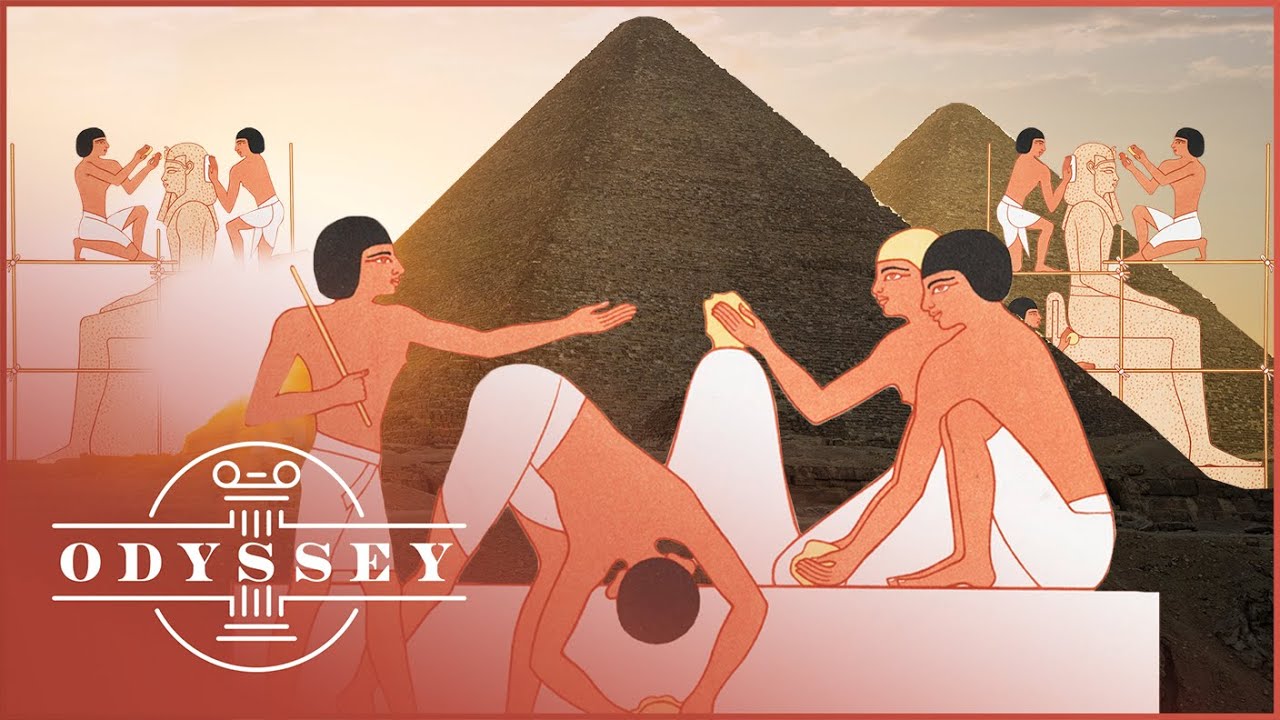
Ancient Egyptian art, renowned for its iconic imagery, was crafted by skilled scribes whose techniques and contributions are explored in detail.
Ancient civilizations, from Mesopotamia to Rome, present a range of enigmas that continue to intrigue historians and archaeologists alike.
The Hilazon, a rare crustacean, holds significant religious importance for Orthodox Jews due to its color intensity and the lost recipe for Royal Blue.
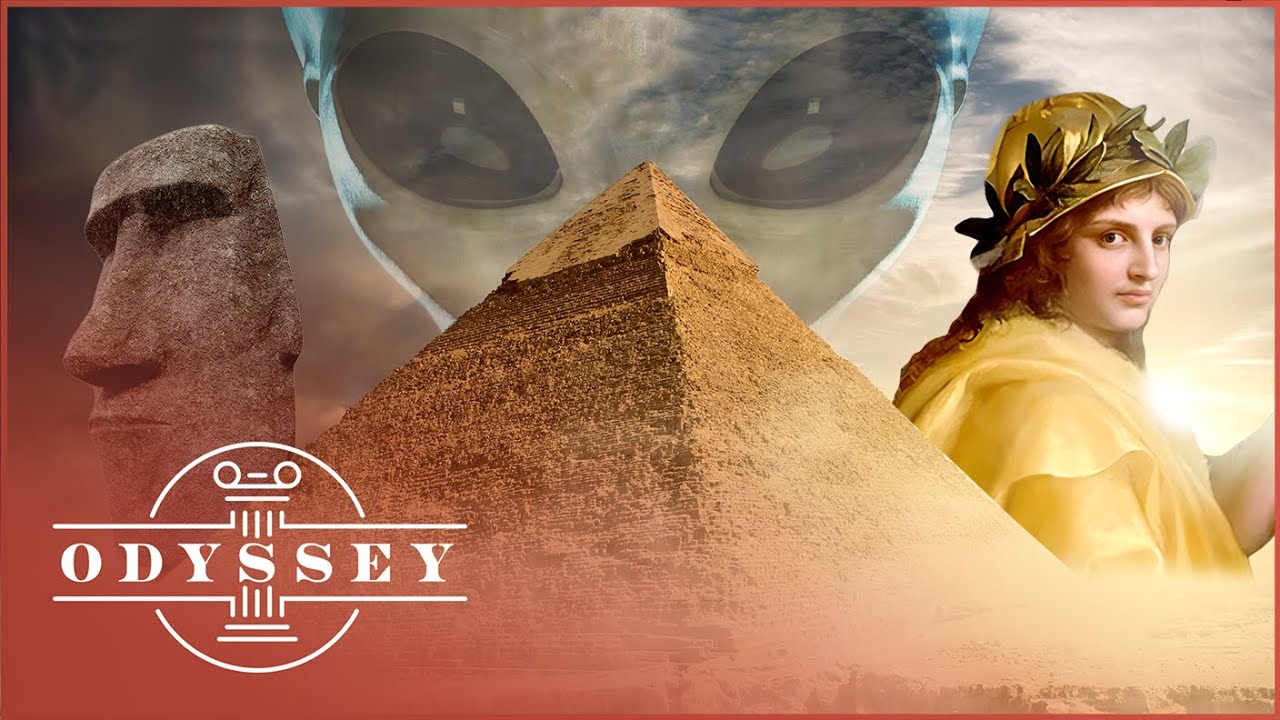
Ancient Egypt's pyramids, monumental achievements of engineering, are examined for their true origins and the labor force behind their construction.
Ancient Egypt's rich culture and economy, shaped by the Nile's fertile sediment, led to the unification of two kingdoms under Pharaoh Narmer, emphasizing religion and the afterlife.
The Colosseum, a symbol of ancient Rome, faces significant threats as restorationists and historians work to preserve its rich history and structural integrity.
Chartres Cathedral, a medieval architectural marvel located 80 kilometers from Paris, showcases innovative construction techniques and resilience, attracting over 1.5 million visitors annually.
Archaeologists investigate the potential true final resting place of Jesus Christ, challenging traditional narratives surrounding his death and resurrection.
Ancient Rome, a dominant force in the Mediterranean, is explored through its history and the daily lives of its inhabitants.
Ancient civilizations, from Mesopotamia to Rome, significantly influenced modern architecture, food, religion, and governance systems.
The Great Pyramid of Giza, built with 1,300,000 blocks, was the tallest structure in the world for over 4,000 years until the Eiffel Tower was completed.
On July 7, 2007, the Colosseum was named one of the new seven wonders of the world during a ceremony featuring pop stars and fireworks in Lisbon, Portugal.
150,000 ships and 470 million tons of cargo are handled annually at the Port of Rotterdam, contrasting with the ancient trade hub of Alexandria.