From over 100,000 films, discover the handful you'll love.
Free or premium access to the world's largest documentary library.
19 films
Sixty thousand emails from John Podesta's account were hacked as part of a Russian campaign to disrupt the 2016 U.S. presidential election.
The first televised debate between John F. Kennedy and Richard Nixon reached 70 million viewers, marking a turning point in American election campaigns.
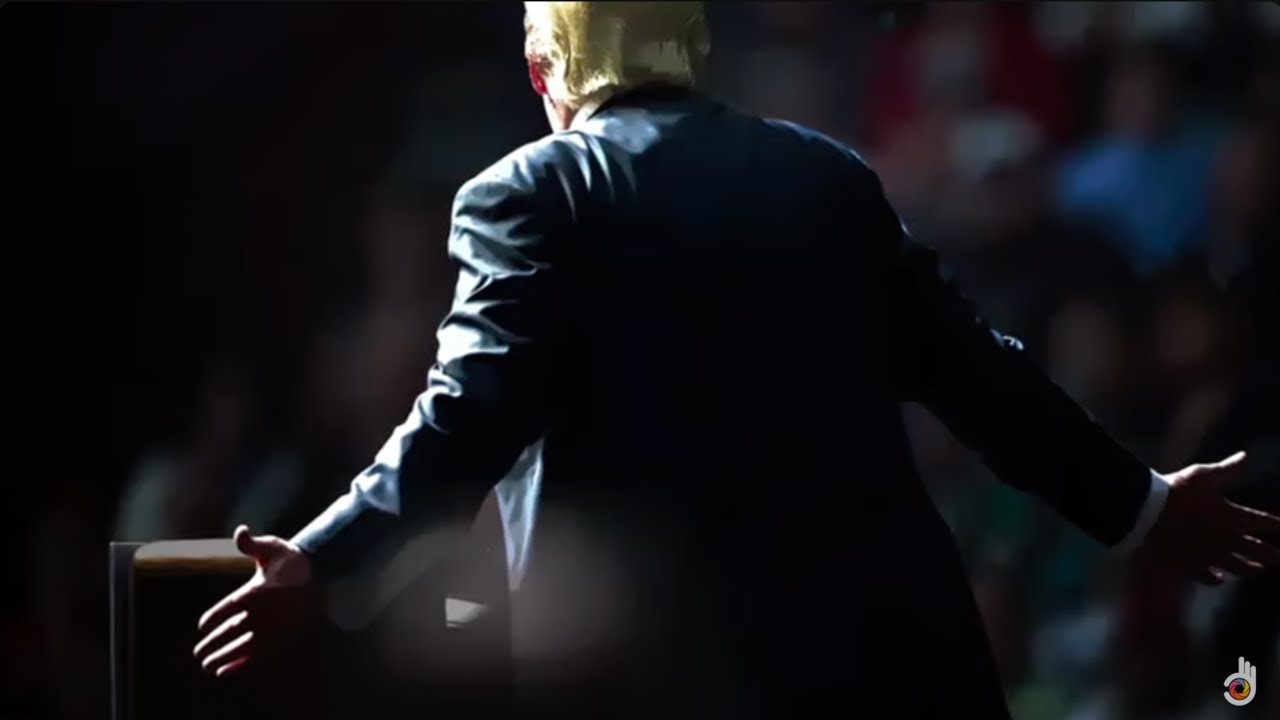
Donald Trump's campaign relied heavily on lies and misinformation, with a network of supporters like Steve Bannon and Kellyanne Conway shaping his rise to power.
George Takei recalls being incarcerated in Japanese-American internment camps at the age of five, following the forced removal of his family from Los Angeles.
A panel of constitutional scholars discusses the separation of powers and its role in sustaining American democracy during a program at Crystal Bridges Museum.
In June 1940, President Franklin D. Roosevelt appointed Henry Stimson and Frank Knox to key cabinet positions, marking a rare bipartisan effort during World War II.
Thirty years ago, 50 companies dominated American media, but now just six corporations control most of the mainstream outlets in the country.
Indiana's new total abortion ban affects over one million women, reversing decades of federally protected rights and shaping the upcoming midterm elections.
A photographer carries garlic and onions in her pockets for months to combat tear gas effects while documenting pro-democracy protests in the Middle East.
Two out of five Americans believe a civil war is at least somewhat likely in the next decade amid rising tensions over political ideologies.
Adam Kinzinger identifies the Charlottesville incident as a significant warning sign about Donald Trump's approach to white nationalism and its implications for democracy.
During the Republican primary debates in 2016, candidates were asked if they would accept the election results, with Donald Trump indicating he might not.
In 2015, Mark Sanford noted that Donald Trump referred to 'alternative facts,' raising concerns about the implications for political discourse and truth.
Putin spent 17 years studying deception and subversion before entering the political arena, shaping his approach to statecraft and cyber warfare.
A letter to New York Times readers acknowledged the media's failure to predict Donald Trump's election and reaffirmed the commitment to hard reporting.
In November 2022, China will hold its 20th Communist Party Congress, where President Xi Jinping is expected to seek another term as leader.
Washington, D.C. has a population larger than Vermont and Wyoming, yet its residents lack full voting representation in Congress.
27-year-old Caroline Levit expresses excitement about covering the new administration during a press briefing in Washington, D.C.
Two foreign correspondents express concern that the U.S. is facing issues it often lectures other countries about, reflecting a sense of global unease.