From over 100,000 films, discover the handful you'll love.
Free or premium access to the world's largest documentary library.
29 films
Dan Snow reviews six iconic battle scenes, including the D-Day landing in Saving Private Ryan, which depicts one of the most famous military events in history.
In 480 BC, an estimated 100,000 to 200,000 soldiers from various nations formed the Grand Army of the Achaemenid Empire to invade Greece.
Napoleon Bonaparte was born on August 15, 1769, on the island of Corsica, which had just become part of France the previous year.
Over 20 feet below the surface in Alexandria, archaeologist Pepi Papakosta discovers a marble statue believed to be of Alexander the Great.
10,000 soldiers and officials could be housed in the massive forts built by Egyptian Pharaohs to protect their civilization and control trade.
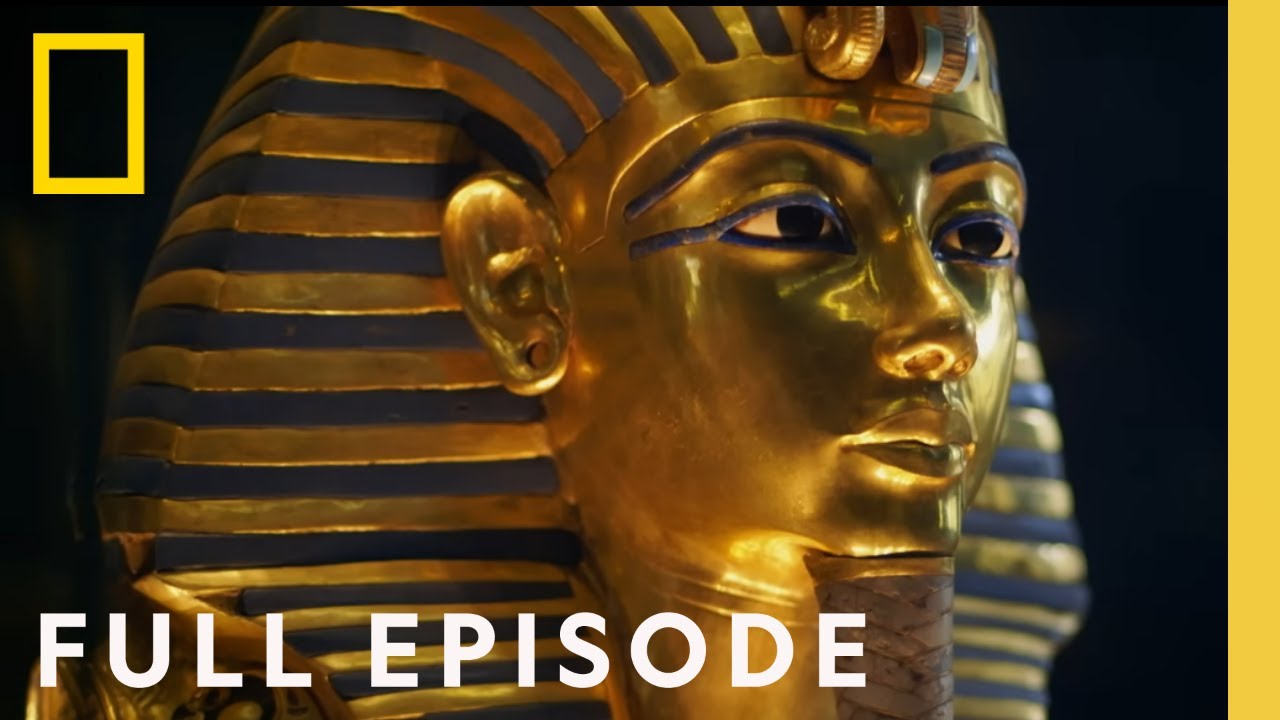
A fleet of boats, buried six miles from the Nile, reveals insights into Egypt's original Valley of the Kings.
A funerary temple spanning over 86 acres is excavated at the Colossi of Memnon, revealing the grandeur of Amenhotep III's reign in ancient Egypt.
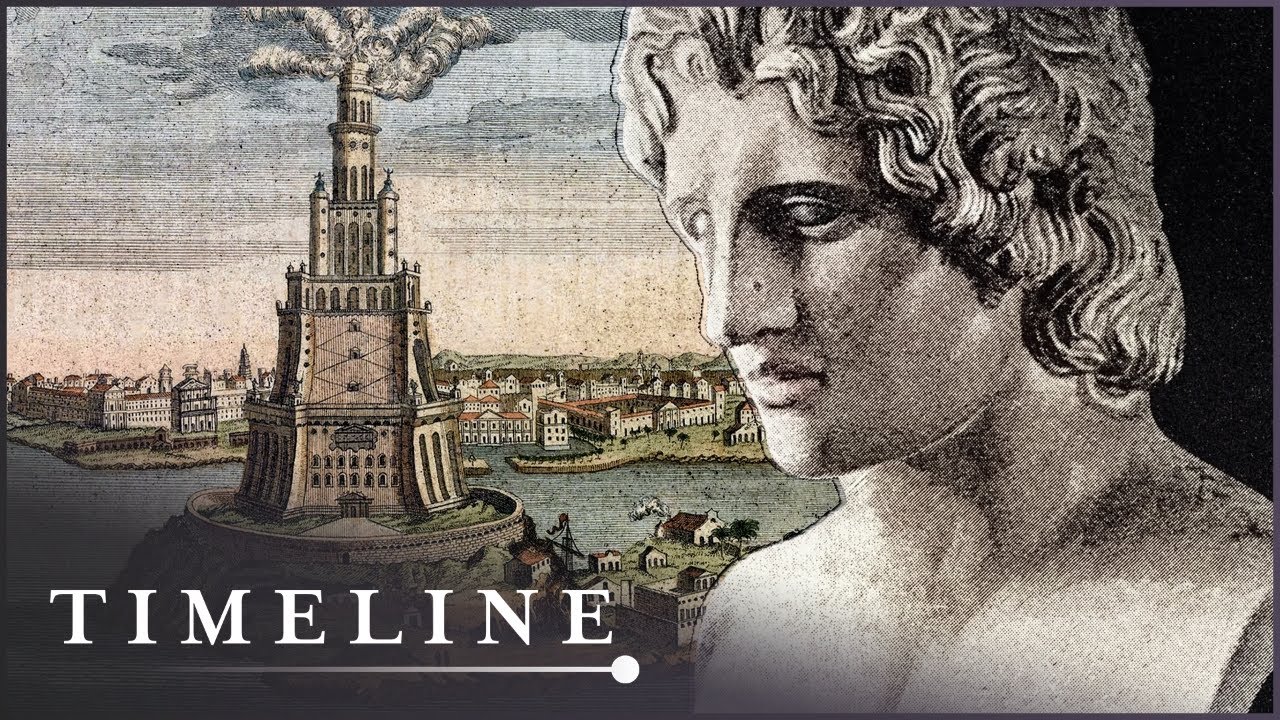
The lighthouse of Alexandria rose 140 meters into the sky, serving as a landmark and symbol of the city's power in the ancient world.
Alexander the Great's body may have been in Venice since the 9th century, disguised as St. Mark the Evangelist in a church crypt.
Alexander the Great died in 323 BC, leading to a power struggle among his commanders, including Ptolemy I, who became the first pharaoh of Egypt.
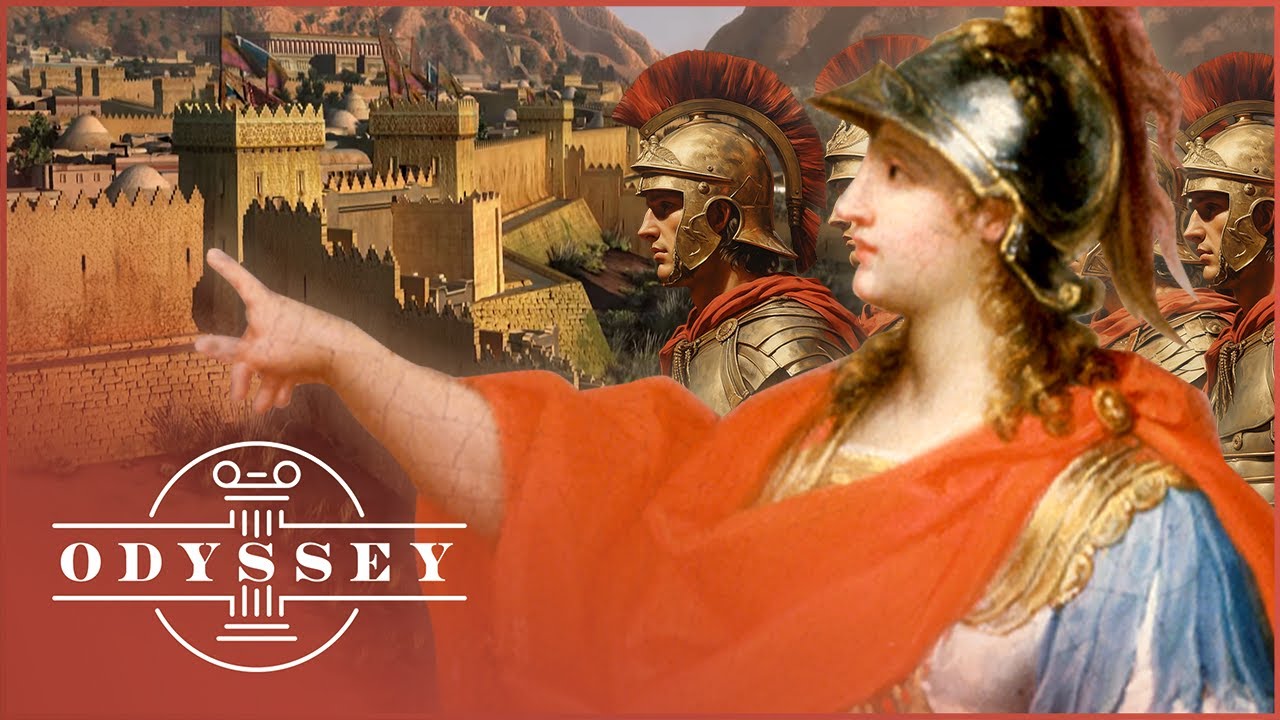
A massive palace and urban dwellings in ancient Bactra, home to tens of thousands, lay undetected for over 2,000 years in Afghanistan's sacred River Valley.
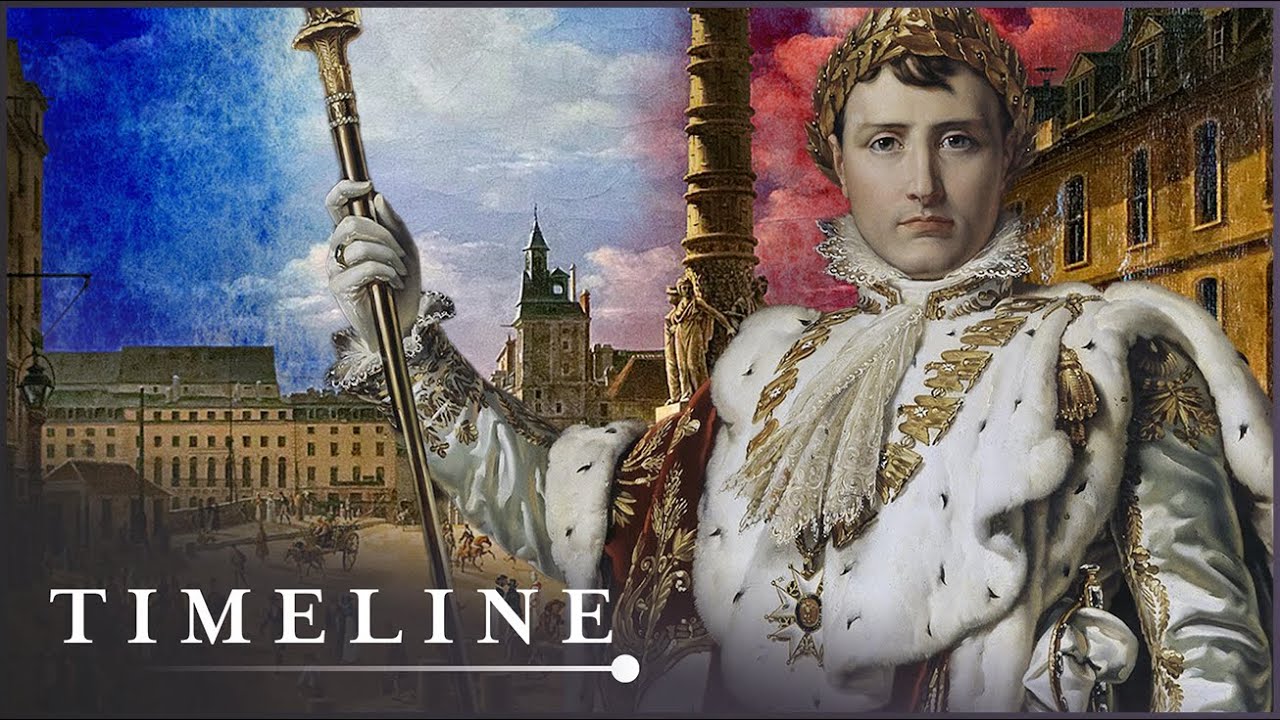
By 1808, Napoleon Bonaparte had ascended to the throne of France, wielding unprecedented influence across Europe following a series of military victories.
Alexander the Great traveled almost 7,000 kilometers from Greece to the eastern borders of Afghanistan, revealing traces of a lost civilization along the River Oxus.
The Greco-Persian Wars began in 499 BCE when a small band of Greek warriors prepared to battle a much larger Persian army in Asia Minor.
Ancient Alexandria's geometric design attracted over 1 million residents and significantly influenced urban planning and Greek scholarship.
A 6-meter-long wooden spear, known as the Sissa, played a crucial role in the Battle of Issus in 333 BCE, helping Alexander the Great defeat Darius III.
150,000 ships and 470 million tons of cargo are handled annually at the Port of Rotterdam, contrasting with the ancient trade hub of Alexandria.
Over 14,000 years ago, early human settlements in Guatemala produced artifacts, including a figure resembling a turtle with aerodynamic features.
Fewer than 4,000 Kalash people live in three remote valleys along the northern border of Pakistan, facing threats to their cultural identity.
In January 331 B.C., Alexander the Great became Pharaoh of Egypt, fulfilling his perceived destiny as a divine ruler.
In 326 B.C., Alexander the Great marched his army 11,000 miles, nearly half the circumference of Earth, before facing mutiny from his troops in India.
Numbering fewer than 4,000, the Kalash people in northern Pakistan face cultural extinction as they struggle to maintain their traditions against external pressures.
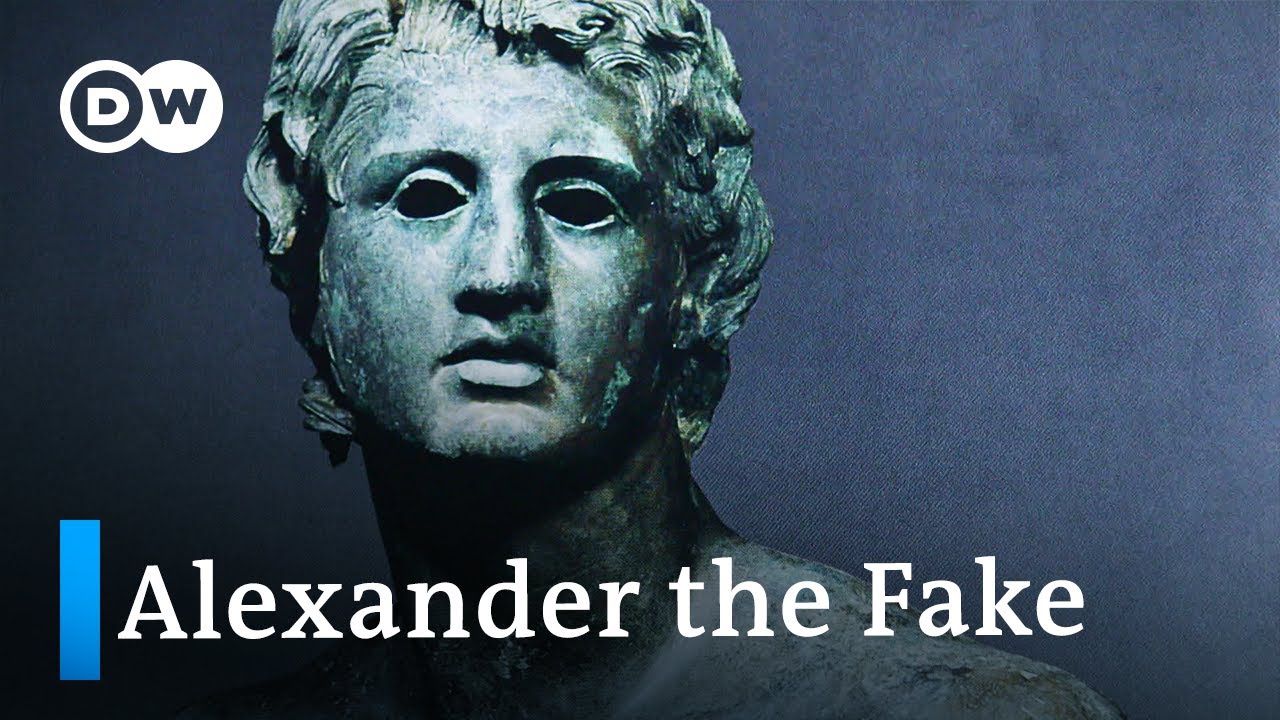
A total of 351 looted art objects, including a bronze sculpture of Alexander the Great, were returned to Greece amid concerns about the sculpture's authenticity.
The Syamantaka gem can produce about 170 pounds of gold every day, equivalent to roughly $5 million, according to Hindu texts.
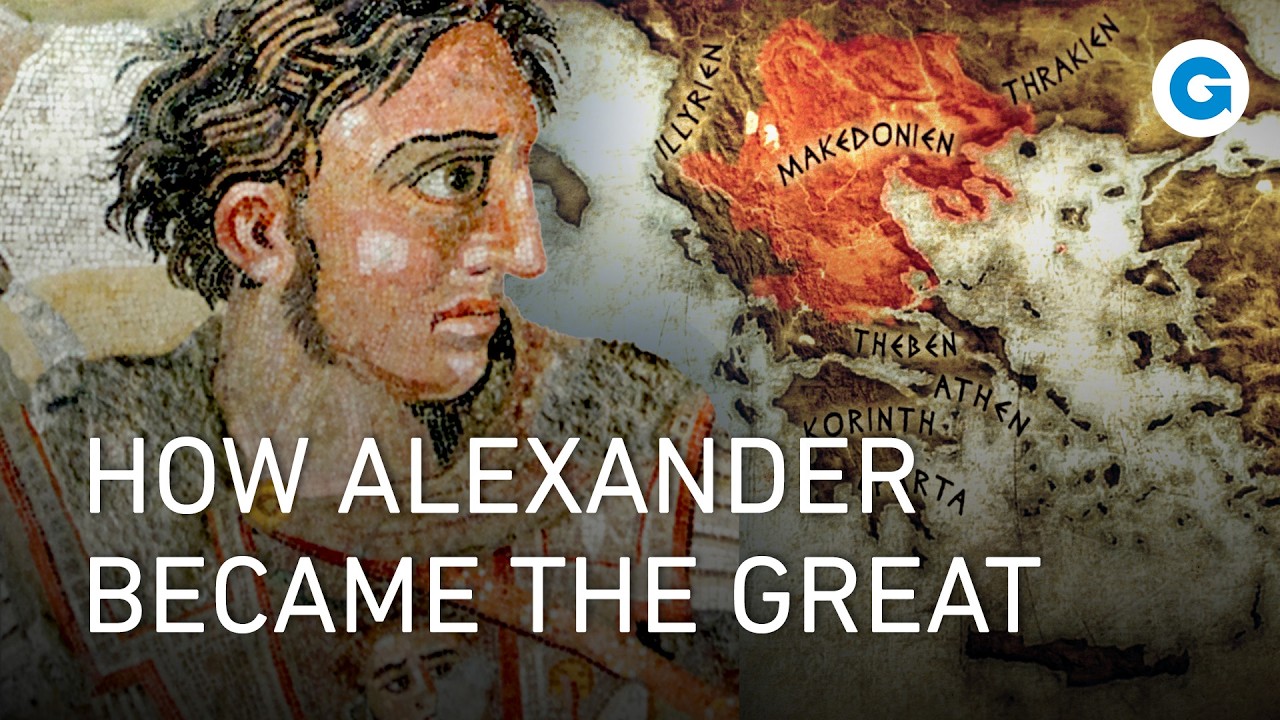
In the spring of 334 BC, Alexander the Great launched one of the biggest invasions in history, risking everything to confront the Persian Empire.
A fleet of mules pulls Alexander the Great's golden sarcophagus through Babylon in a grand funeral procession two years after his death in 323 BCE.
Mosquitoes are responsible for more than 700,000 deaths each year, primarily due to diseases like malaria, which affects children under five in Africa.
Alexander the Great married Roxana, a Bactrian princess, to establish a Persian Greek dynasty, marking a significant political statement in 4th century BCE.
Alexander the Great founded at least 10 cities named after him, with Alexandria established in 331 BCE as the most significant among them.