From over 100,000 films, discover the handful you'll love.
Free or premium access to the world's largest documentary library.
19 films
In the deep sea, unique creatures have evolved remarkable anatomical, physiological, and behavioral adaptations to survive in extreme conditions, including high pressure and darkness.
Therapsids, ancient ancestors of mammals, adapted and survived multiple extinction events, leading to the diverse mammalian lineage present today.
Marine mammals, including sperm whales and elephant seals, exhibit remarkable adaptations and survival strategies to thrive in the extreme depths of the ocean.
Sherlock Holmes, a character shaped by Sir Arthur Conan Doyle's complex life, reflects societal fears and fascinations of the Victorian era and beyond.
Wildlife behaviors are showcased in ten chapters, highlighting survival tactics, communication, and unique skills of various species across land and sea.
A snake can go without food for weeks or even months, relying on its ability to detect prey through its sense of smell.
Life couldn't survive without water, and creatures here are born to swim and thrive underwater.
Australopithecus afarensis and Homo habilis illustrate key stages in human evolution, highlighting adaptations like bipedalism and tool use shaped by environmental changes.
Turtles exhibit a range of behaviors from impressive hunting techniques, such as the alligator turtle's lure method, to remarkable longevity and unique mating rituals.
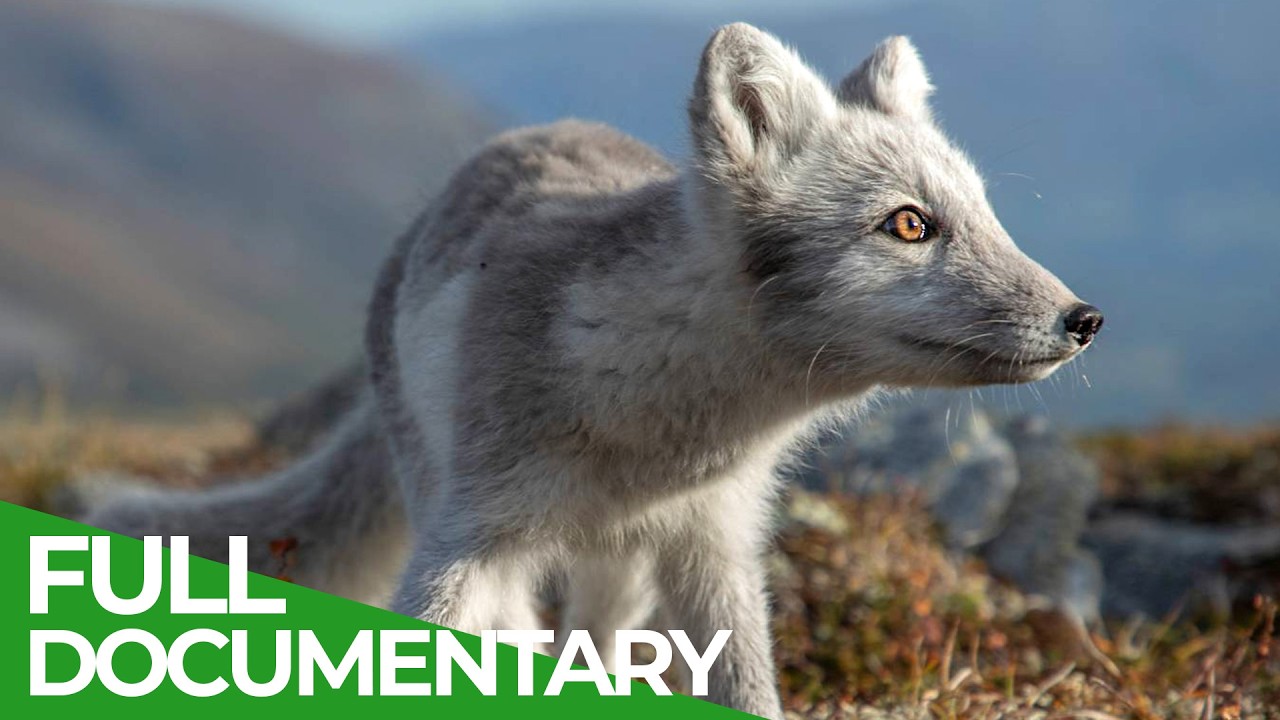
In the polar region above the Arctic Circle, unique animal and plant life has adapted to survive the extreme contrasts of perpetual light and darkness.
Cousteau reported frogs over two feet long in Lake Titicaca, but current sightings suggest they may now weigh only about a pound.
Only about 1,100 species of birds live in and around waterways, each with unique adaptations for survival in various aquatic environments.
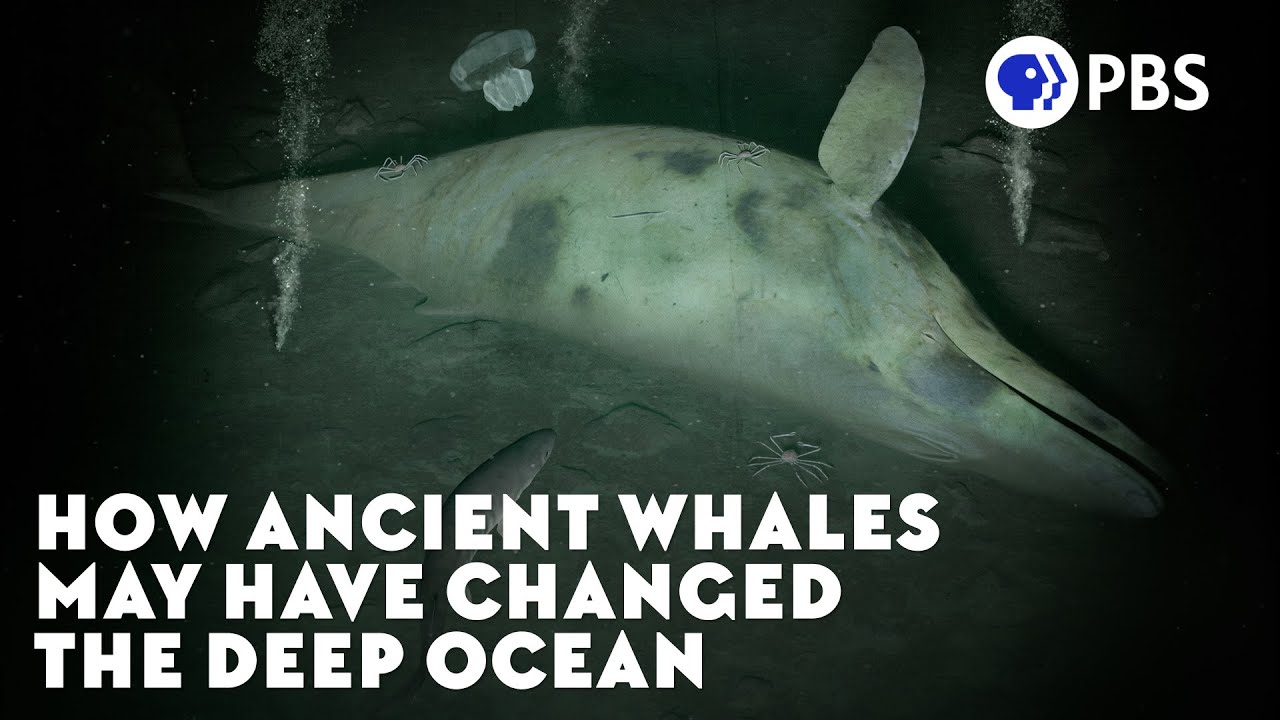
The evolution of ocean-going whales like Borealodon has significantly influenced deep ocean communities, particularly around geothermal vents, following their death.
Giant anacondas in the Amazon rainforest exhibit remarkable adaptations that enable their survival during periods of drought and changing environmental conditions.
Geladas have unique adaptations for grazing, making them the only true grazing primates.
Yunnan snub-nosed monkeys adapt to extreme cold with unique physical features.
Insects such as butterflies, bees, and spiders play vital roles in ecosystems through pollination and decomposition, highlighting the need for their conservation.
The Snake Detection Hypothesis suggests that primates, including humans, have evolved the ability to quickly identify and avoid snakes due to the long-standing threat they pose.
Seals and sea lions are really well adapted for living underwater with exceptional vision.