From over 100,000 films, discover the handful you'll love.
Free or premium access to the world's largest documentary library.
671 G-rated films available
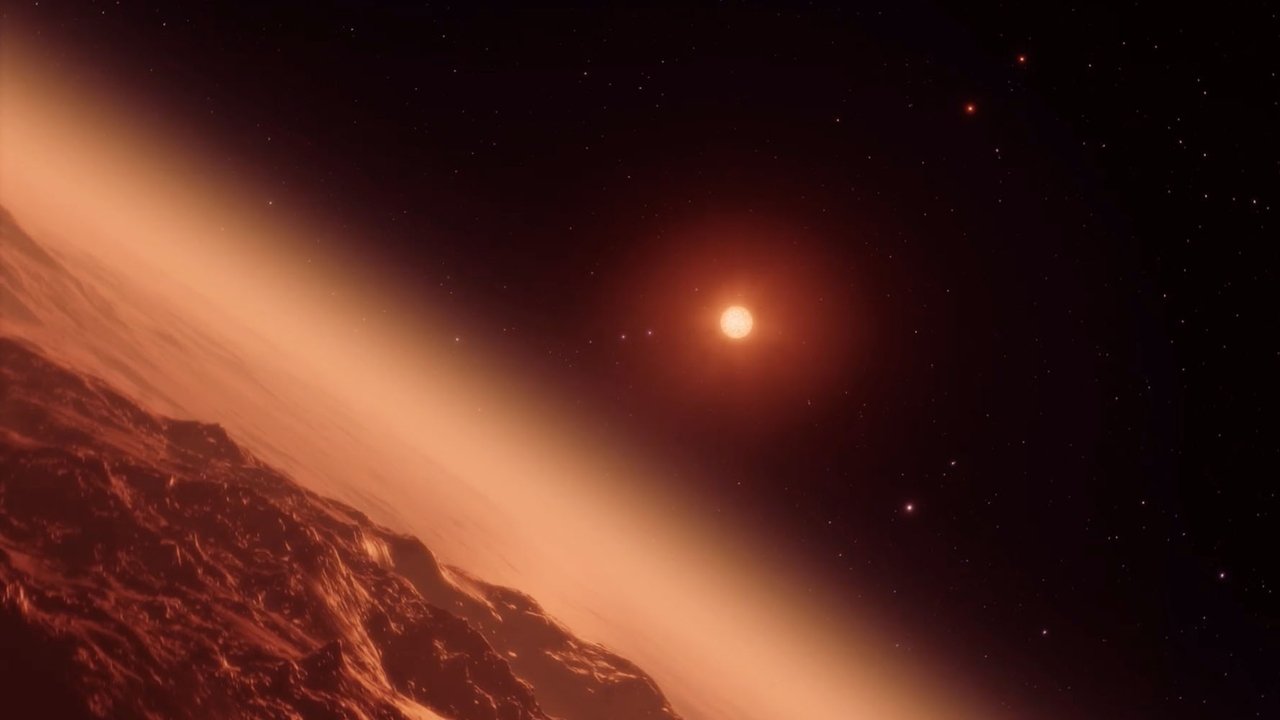
Over 40 trillion kilometers from the Sun, Proxima Centauri b is considered a potential candidate for extraterrestrial life due to its size and location.
In 1960, Roman Kroitor and Colin Low created a film that visually represents the universe as it might appear to a voyager traveling through space.
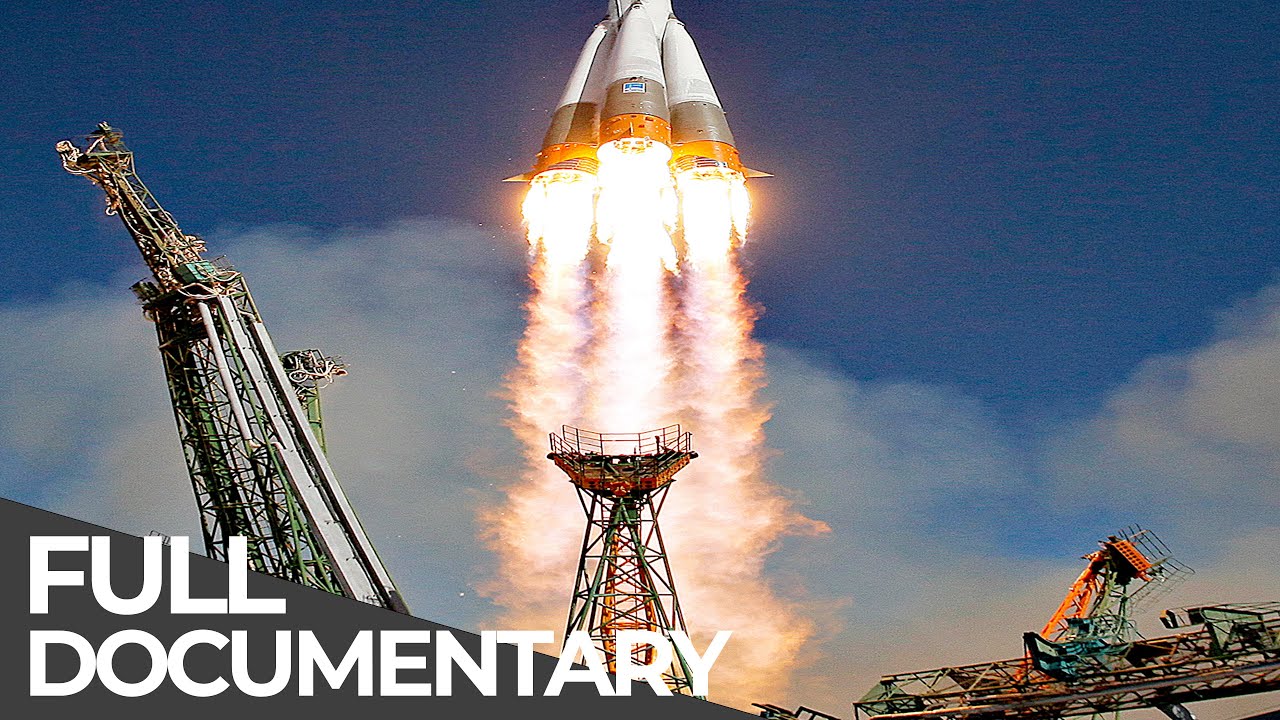
The launch of the James Webb Space Telescope from the Guiana Space Center in Kourou, French Guiana, aims to explore the universe's earliest galaxies and planetary systems.
A total solar eclipse cast a shadow about 40 miles wide across the continental United States on August 21, 2017.
A typical supercluster can hold over 10 million billion Suns worth of material, illustrating the immense scale of cosmic structures.
Since the Apollo 8 mission in 1968, Earth's population has more than doubled, raising concerns about the planet's delicate balance and environmental threats.
In 2019, space nations including China, Japan, and the United States reignite lunar exploration ambitions, exploring the feasibility of moon bases and tourism.
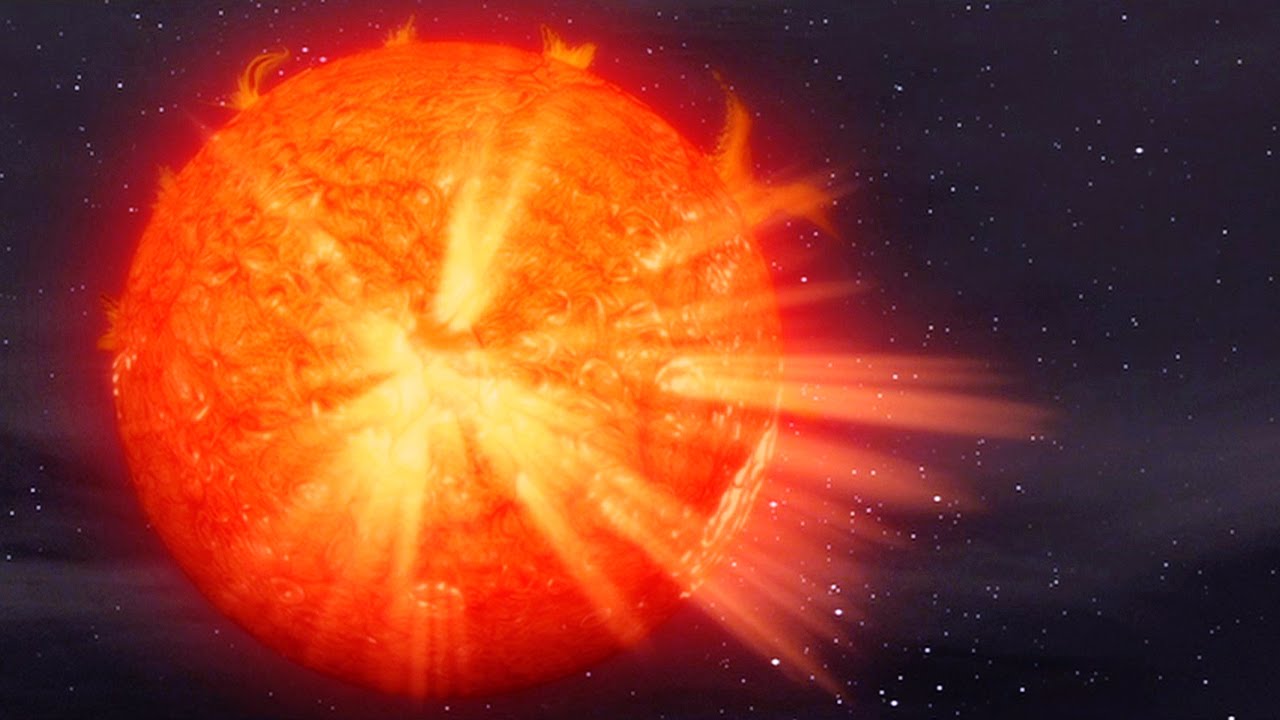
Watch this to understand how solar flares impact Earth and technology.
NASA's Perseverance rover launched on July 30, 2020, marking a significant step towards human exploration of Mars and the return to the Moon.
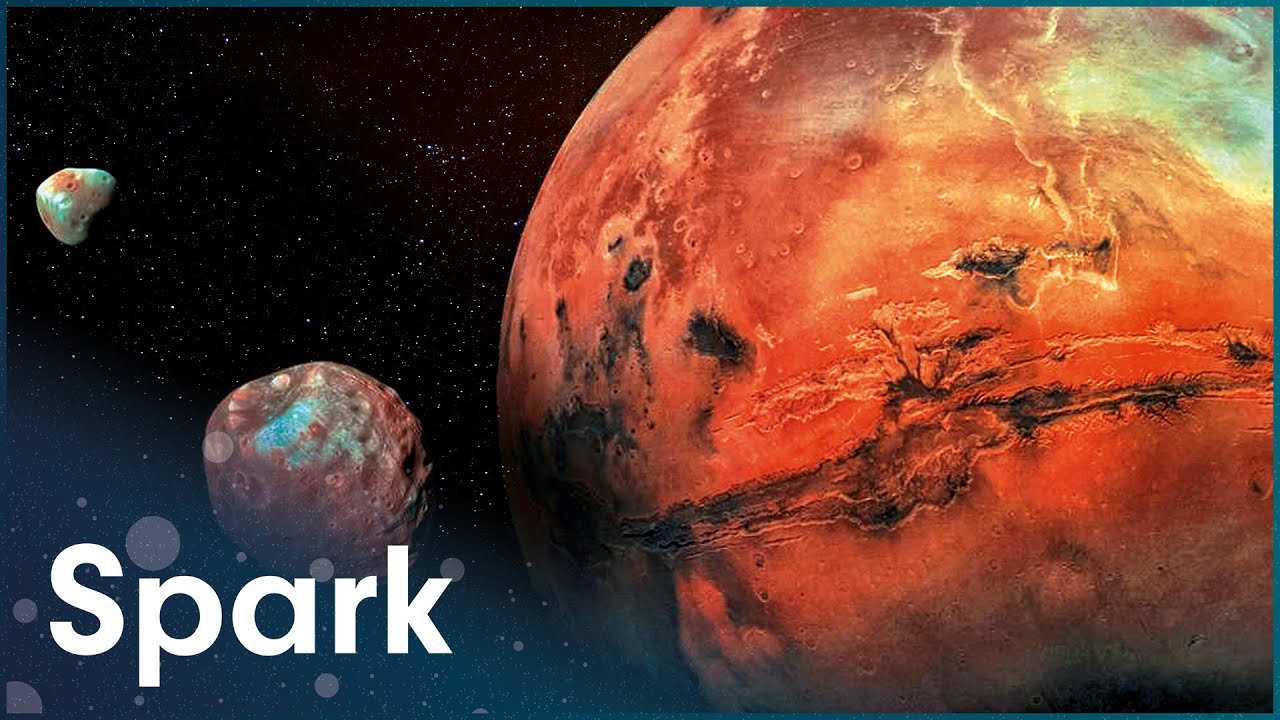
Olympus Mons on Mars rises to a height of 24 kilometers from its base, making it the tallest peak in the solar system.
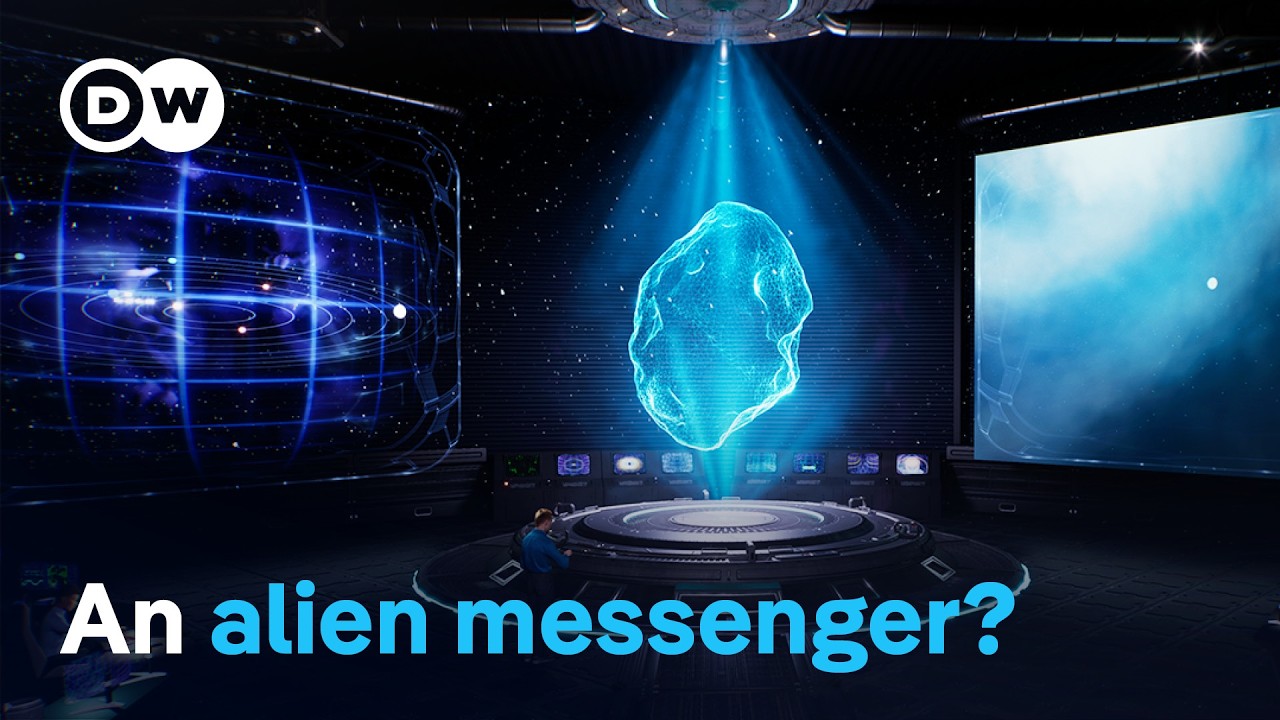
Oumuamua, the interstellar object identified by astronomer Robert Weryk using the Pan-STARRS telescope in Hawaii, raises questions about its true nature as a comet, asteroid, or possibly an artificial probe.
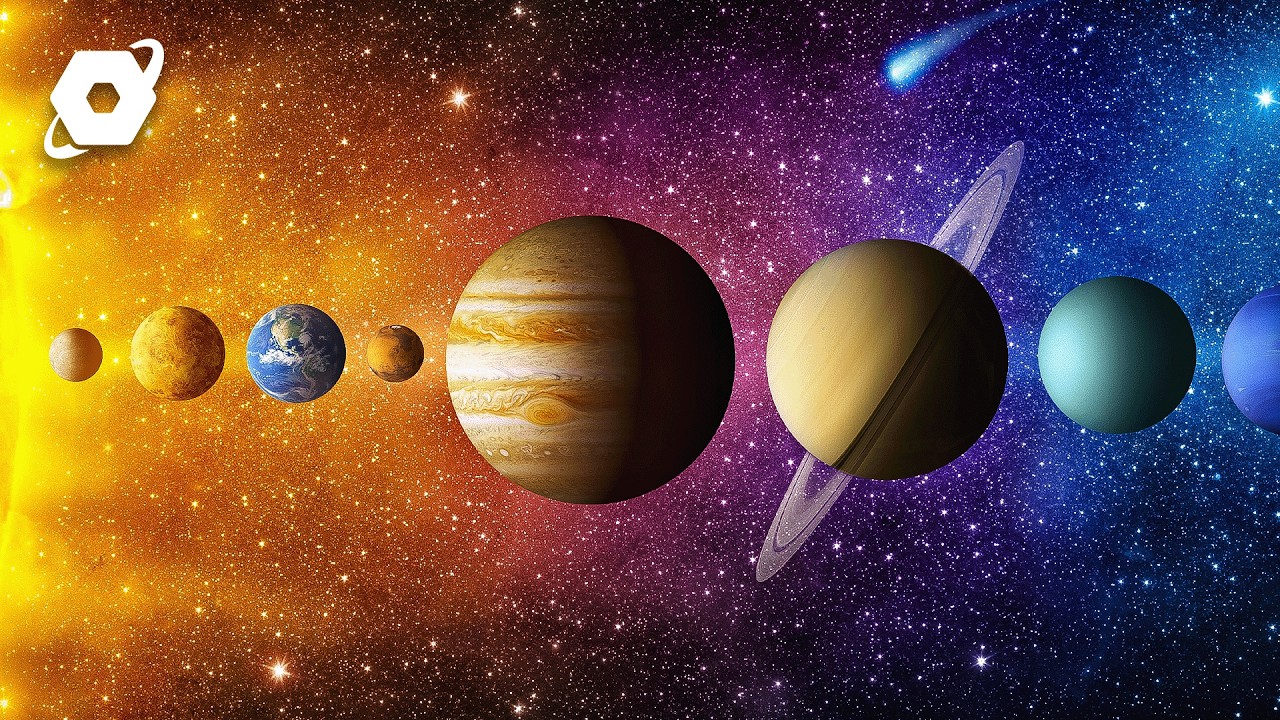
More than a million Earths could fit inside the Sun, which will eventually become too hot for life, melting the planet's surface and evaporating its oceans.
In 10 million years, a cloud will collapse onto a black hole in the Milky Way galaxy.
At the edge of the solar system, astronomers investigate unusual orbits of celestial bodies that may indicate the existence of a ninth planet.
Voyager 1, launched in 1977, is now 22 billion kilometers from Earth and continues to transmit data from outside the solar system.
Venus has a surface temperature of 900°F, making it inhospitable and drastically different from Earth despite their similar beginnings.
Venus's surface reaches temperatures of 900 degrees Fahrenheit, making it inhospitable and resembling a furnace rather than a potential home for life.
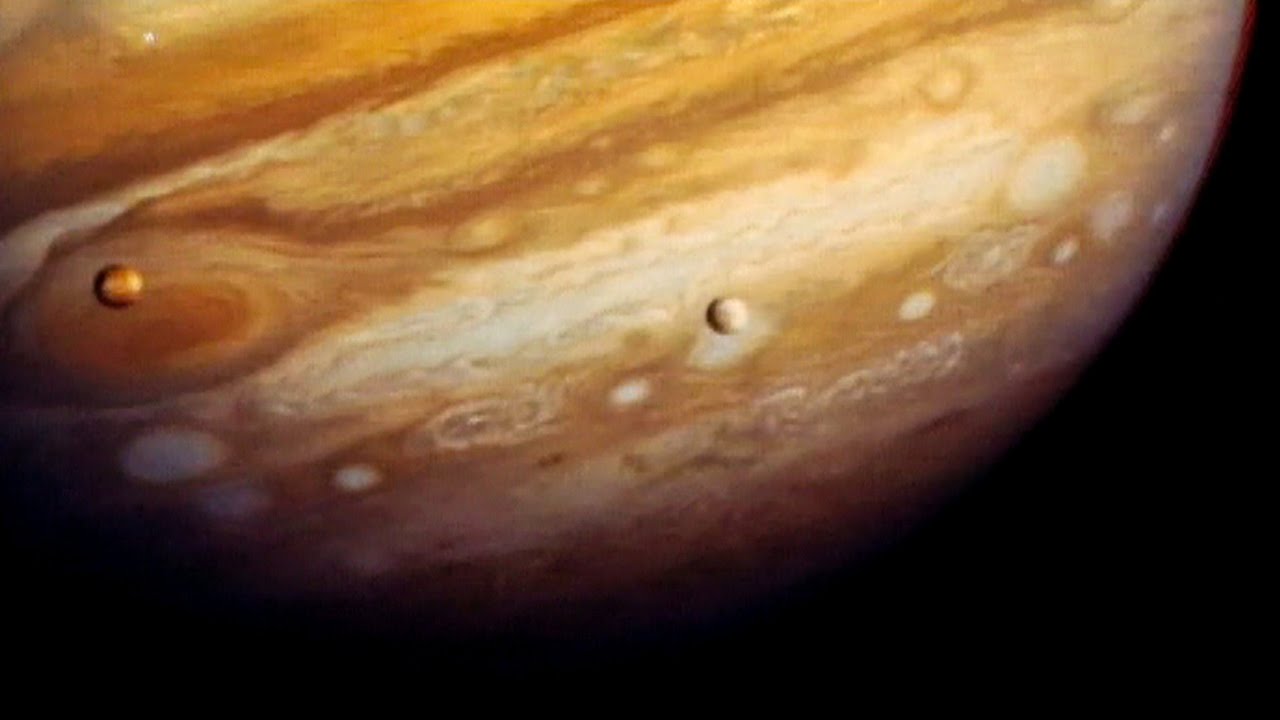
Jupiter's massive gravitational power acts as a vacuum cleaner for the solar system, preventing comets from striking Earth every few hundred years.
The sun, containing 99.
Astronauts collected 382 kilograms of lunar rocks during the Apollo missions, which scientists now study to understand the moon's history and its link to Earth.
A collision between the Milky Way and the Andromeda galaxy is expected to occur in a few billion years, reshaping both galaxies.
The Antonov AN-225 has a maximum take-off weight of 800 tons, making it the largest aircraft in the world capable of transporting the heaviest air freight.
A gamma ray burst recorded by the Swift satellite in March 2011 lasted four and a half hours and originated from a galaxy 3.8 billion light years away.
The Boötes void spans 330 million light years and contains only 60 observed galaxies, challenging existing theories about cosmic structure.