From over 100,000 films, discover the handful you'll love.
Free or premium access to the world's largest documentary library.
93 G-rated films available
Frans Lanting captures the majestic albatross through stunning photography, highlighting its significance in nature and culture.
Historic panoramic photographs from the Alaska Territory, taken by U.S. Geological Survey topographers between 1910 and 1932, are displayed at the National Archives.
Cape Spear, the easternmost point of the Americas, marks the end of a 15-day road trip across Prince Edward Island and Newfoundland and Labrador.
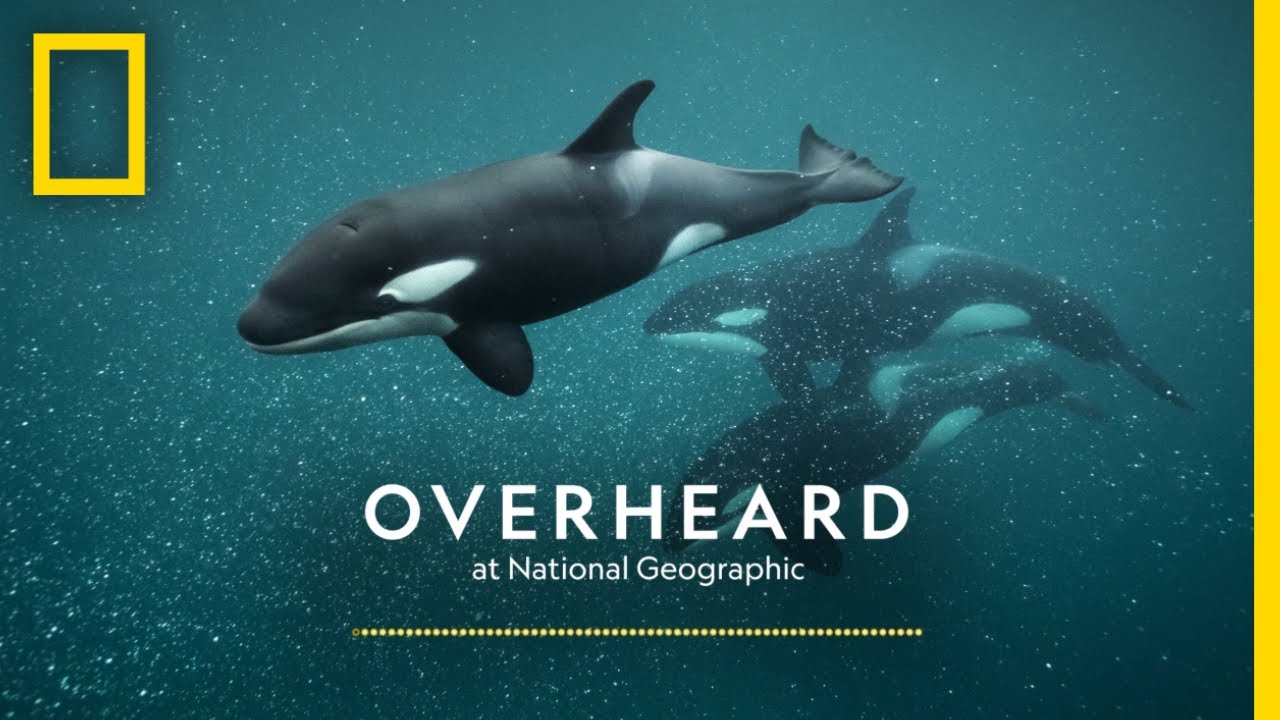
Orcas exhibit unique family structures and behaviors that are passed down through generations, as documented by photographer Brian Skerry.
In China's ancient stone forest, rock-climbers Matt Segal and Cedar Wright explore giant natural arches alongside photographer Carsten Peter.
After five days of attempts, engineers faced a white shark that bit their boat while trying to attach cameras off Guadalupe Island.
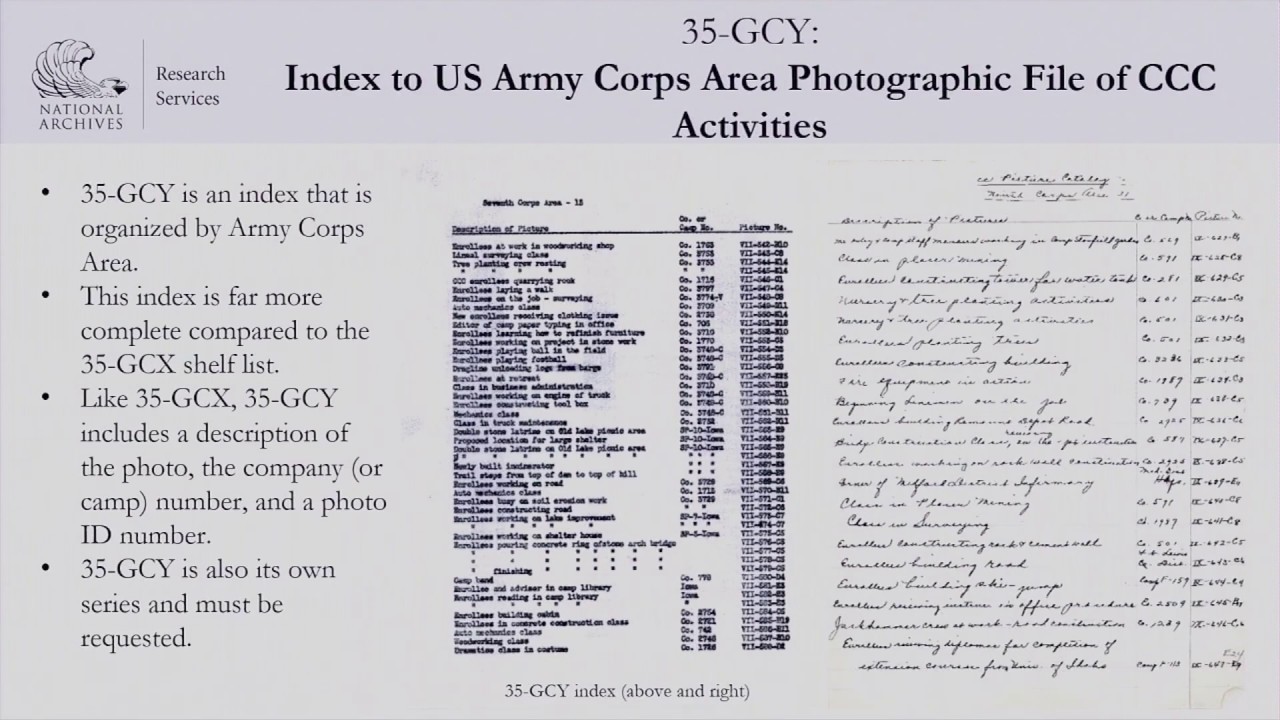
Approximately 50 different series document Civilian Conservation Corps activities and camps in the National Archives' Still Picture unit.
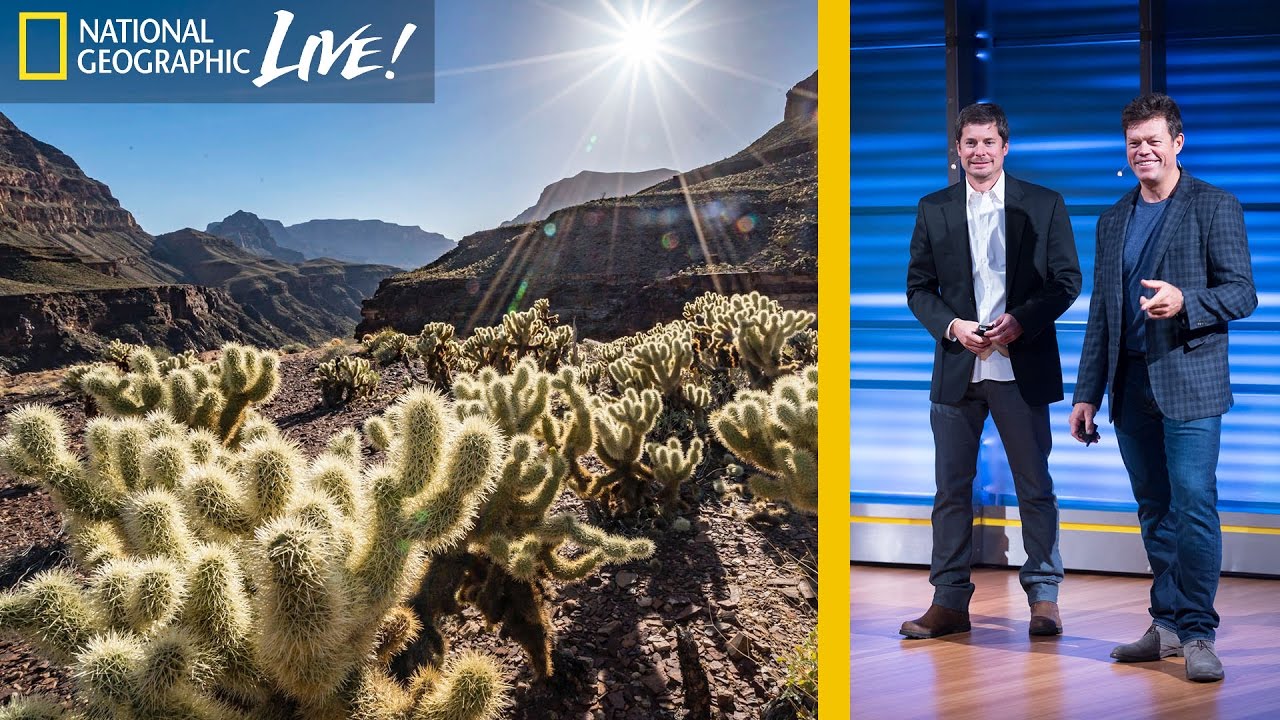
A 750-mile hike through the Grand Canyon tested the limits of explorers Kevin Fedarko and Pete McBride, pushing them to the brink of exhaustion.
In 2018, Lougè Delcy first visited Kenya, which shifted his perspective on Africa and inspired him to document the Maasai community for his solo exhibition.
Only 3,200 tigers remain in the wild today, down from 100,000 a century ago, primarily due to habitat loss and poaching.
Tom O'Brien designs custom camera gear in the National Geographic basement, including a wolf-proof camera trap for photographing arctic wolves.
Evgenia Arbugaeva reflects on her childhood in Tiksi, a Siberian village that became a ghost town after the Soviet collapse, exploring the Arctic's hidden beauty.
Veteran photographer Sam Abell shares insights into his creative process and the philosophy behind his iconic images for National Geographic.
A horizontal mile in the Sơn Đoòng cave system can take an entire day to traverse due to sharp rocks and rugged terrain.
17,500 feet is the altitude where Sadie Quarrier faced challenges while selecting impactful photographs for National Geographic's annual issue.
Photographer Ben Horton offers practical tips for capturing outdoor images, focusing on composition and lighting in Napa Valley during National Get Outdoors Day.
One climb up a rock formation in Smith Rock State Park challenges chef Melissa King to confront her fears and create a dish inspired by the Oregon high desert.
More than 10,000 animals have been photographed for Joel Sartore's Photo Ark project, but during the pandemic, he turns his lens to insects in his backyard.
In the Ansel Adams Wilderness of the Sierra Nevada, photographer Peter Essick captures the region's stark beauty, honoring the legacy of the iconic American artist.
Sara Holmes and Noah Durham provide techniques for preserving and digitizing personal photo albums and scrapbooks, focusing on materials and storage methods.
Marine biologist Thomas Peschak photographs sharks and sardines off South Africa's coast to promote understanding and conservation of these often-misunderstood species.
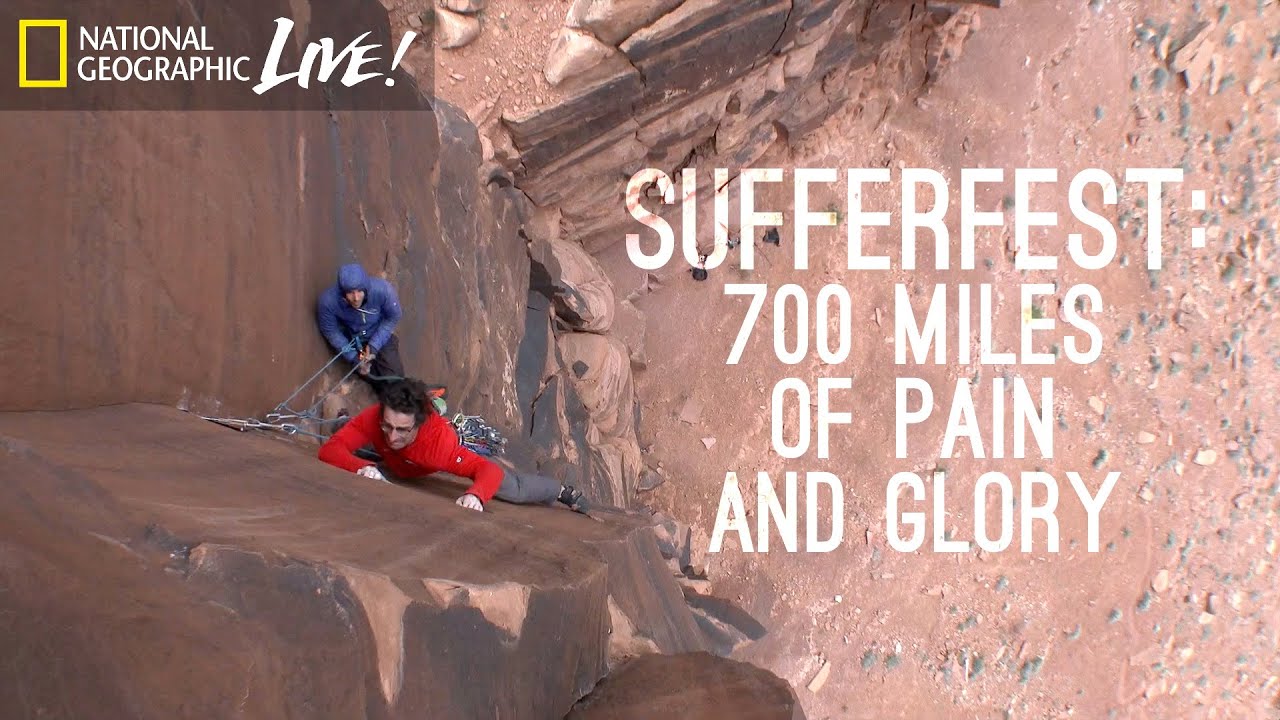
In the harsh desert of the American Southwest, climbers Alex Honnold and Cedar Wright summited 45 rock towers and biked 700 miles as part of their extreme adventure.
A terabyte of digital storage now costs about $100, making it easier to preserve personal records and family memories.
In Utah, Australia, and Spain, modern-day cave dwellers illustrate the deep human connection to subterranean environments and their role in coping with heat.
More than 10,000 hours spent underwater allowed photographer Brian Skerry to capture the beauty and complexity of marine life across three decades.
8.8 million tons of salt are produced annually at Guerrero Negro, the largest salt mine in the world, located on Mexico's Baja California Peninsula.
Aerial photography training for the U.S. Army Air Corps in 1940 focused on processing, printing, and developing aerial negatives into usable mosaics.
Kris Graves and NBA All-Star Kevin Love explore photography in Portland, Oregon, sharing techniques and reflecting on creativity during their outdoor sessions.
Photographer Cory Richards chronicles the challenges and dangers of exploring the remote caves of Nepal in the conclusion of a three-part series.
300 million people celebrate Nowruz, the Persian New Year, which coincides with the vernal equinox and symbolizes renewal and the cycle of life.
Apollo 8, a 363-foot tall rocket weighing just under 6.25 million pounds, was the first mission to orbit the Moon in December 1968.
Hassan Baï’ake, 62, trains a four-year-old golden eagle for hunting in the Tian Shan mountains, continuing a tradition that spans over 3,000 years.
Four individuals recognized as Travelers of the Year share their stories of cultural exchange and community impact, including a librarian who raised funds for a Maasai safari business.
In Antarctica, climbers Mike Libecki and Cory Richards face extreme cold and katabatic winds during a ten-day ascent of Bertha's Tower.
The evolution of the quick point-and-shoot digital camera over two decades highlights its decline in favor of increasingly advanced smartphones.
William Notman, a pioneering Canadian photographer in the late 1850s, transformed portraiture into a historical documentation art form in Montreal.
Manta ray expert Andrea Marshall, conservation biologist Krithi Karanth, and photographer Joel Sartore share insights on nature exploration in a Hangout.
Diane Cook and Len Jenshel showcase the vibrant and unexpected beauty of gardens at night through their landscape photography.
Paul McCartney discusses his "Meat Free Monday" campaign, its environmental impact, and the inspiration behind "Lady Madonna" in an interview with 's Susan Goldberg.
At 14, Charlie Hamilton James became the BBC's go-to photographer for kingfishers, skipping school to capture images of the vibrant birds near his home.














![Documentary backdrop image for History Of The Digital Camera [Remember Ep. 2] (2014)](https://i.ytimg.com/vi/PwHQnCoDbvI/maxresdefault.jpg)