From over 100,000 films, discover the handful you'll love.
Free or premium access to the world's largest documentary library.
228 G-rated films available
3.5 million airsoft BBs create a slippery surface that allows for indoor surfing and transforms movement into a gliding experience.
70 to 80 pregnant lemon sharks gather each spring in the Grand Bahama Bank, a phenomenon first documented by researcher Professor Sam Gruber.
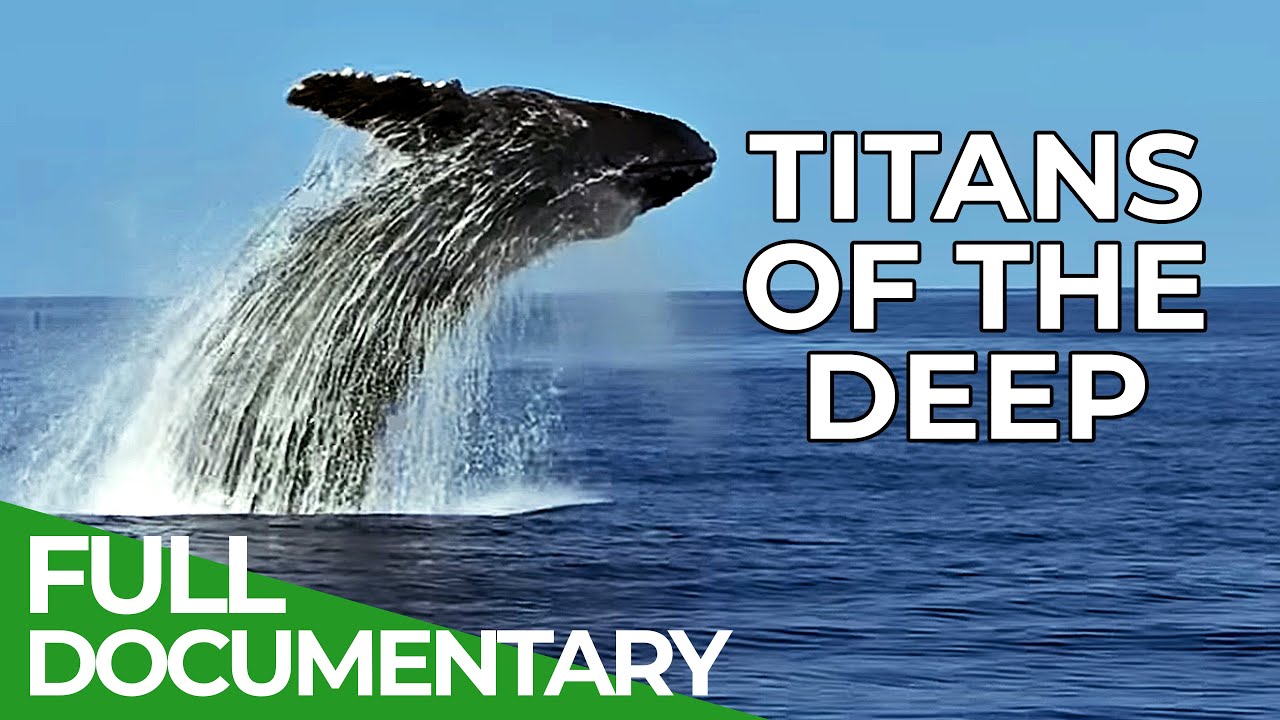
Whales, having evolved from land mammals over 50 million years ago, exhibit complex communication and hunting techniques, as explored by oceanographer François Sarano.
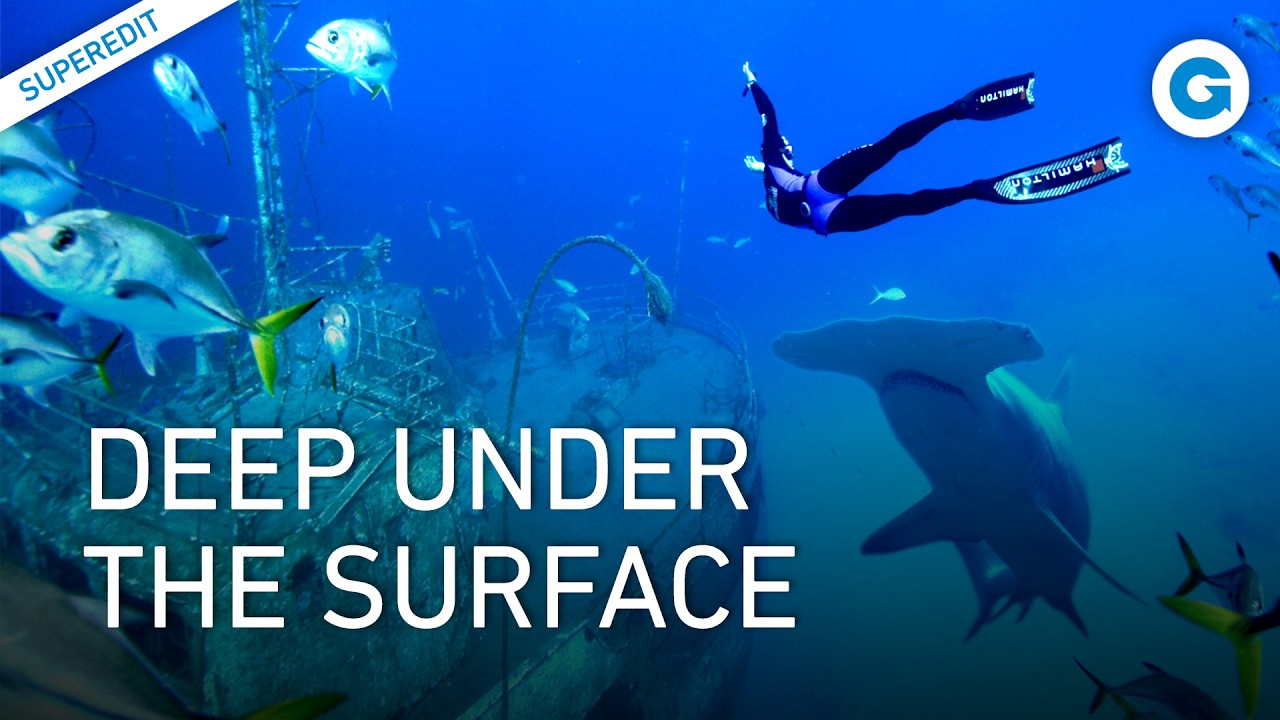
Freediver Frederic Buyle and cameraman Christian Petron explore marine life in Polynesia, Mexico, and the Mediterranean while collaborating with scientists and locals.
Brian Skerry swam outside a shark cage for the first time in 1982, encountering a six-foot female blue shark off the coast of Rhode Island.
Fishing in Alaska presents extreme dangers, as local fishermen navigate treacherous waters while remaining committed to their perilous profession.
Underwater photographer Brian Skerry has spent over 10 years with National Geographic, capturing images that reveal the threats facing the world's oceans.
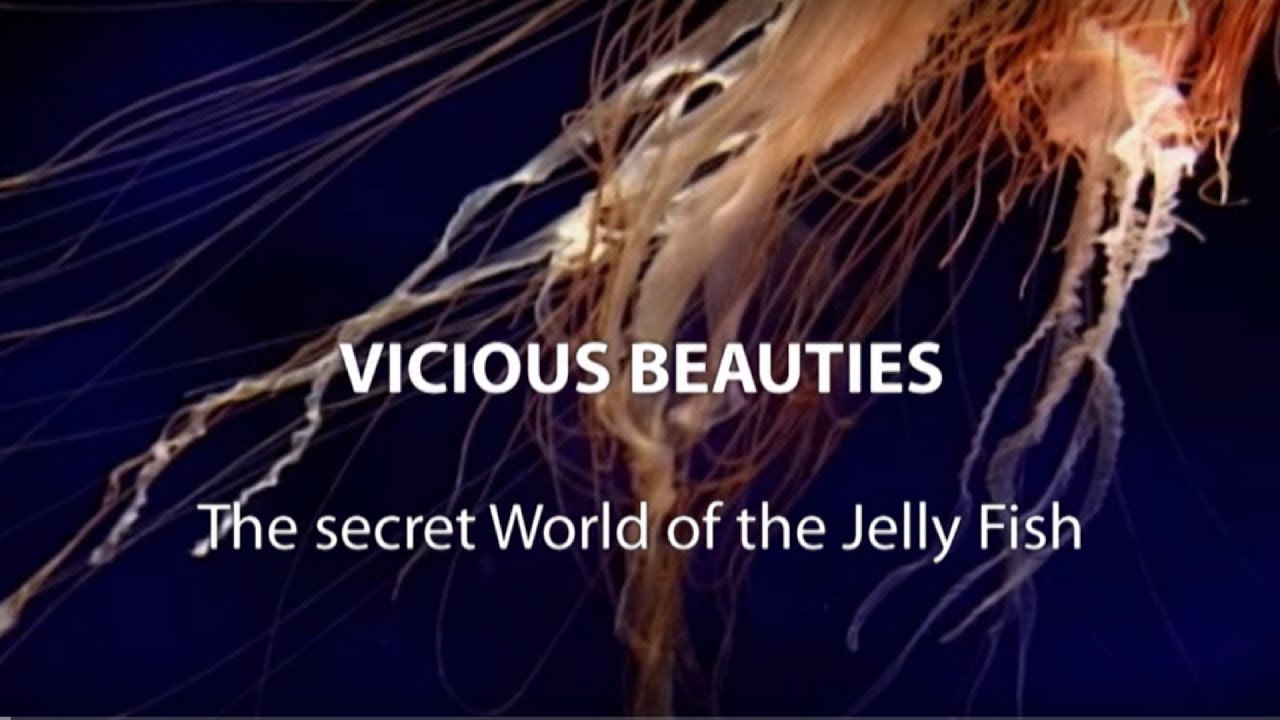
Jellyfish, some of the most venomous ocean inhabitants, play a crucial role in marine ecosystems, as explored by scientist Gerhard Jarms in various global locations.
Laurent Ballesta swam with a school of basking sharks, each about 18 feet long, during a life-changing experience in the Mediterranean Sea.
Tim Samaris predicts tornadoes and deploys recording probes into their paths while racing through Tornado Alley each May and June.
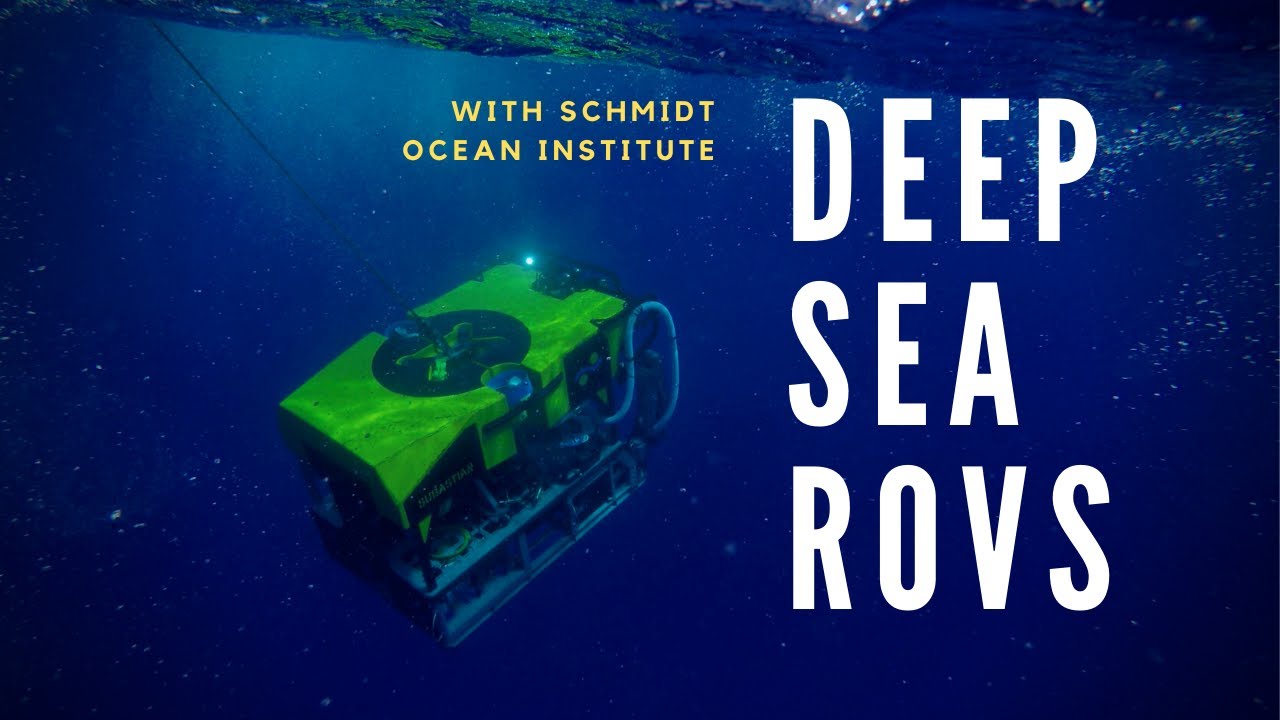
Innovations in remote-operated vehicles and sampling systems by the Schmidt Ocean Institute enhance the study of midwater biodiversity in the deep ocean.
After five days of attempts, engineers faced a white shark that bit their boat while trying to attach cameras off Guadalupe Island.
Explorer Dr.
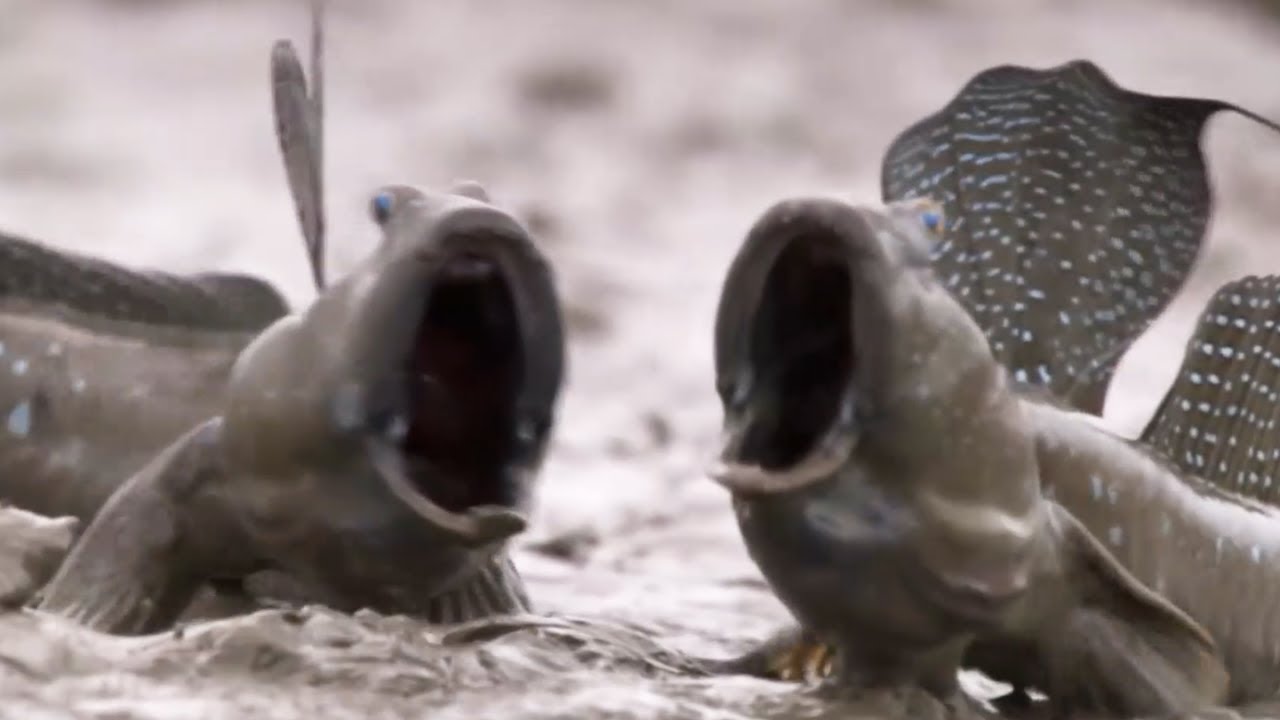
Frogs and crabs adapt to land environments, developing unique traits for hunting, mating, and survival as they transition from aquatic habitats.
In Dry Tortugas National Park, scientists conduct a comprehensive fish census while exploring the health of bottlenose dolphins and the importance of seagrasses and mangroves.
Hydrothermal vents, first discovered in 1977 near the Galapagos Islands, are unique ecosystems where chemosynthesis supports diverse marine life at extreme ocean depths.
In the deep ocean surrounding Antarctica, polar gigantism leads to the existence of enormous invertebrates thriving beneath the ice sheets.
In the northern Atlantic and the Pacific, renowned scientist Gerhard Jarms explores the vital role of jellyfish in marine ecosystems, including encounters with the deadly sea wasp.
Ocean habitats host a diverse array of underwater creatures that adapt to their environments, highlighting the fragile interdependence between wildlife and ecosystems.
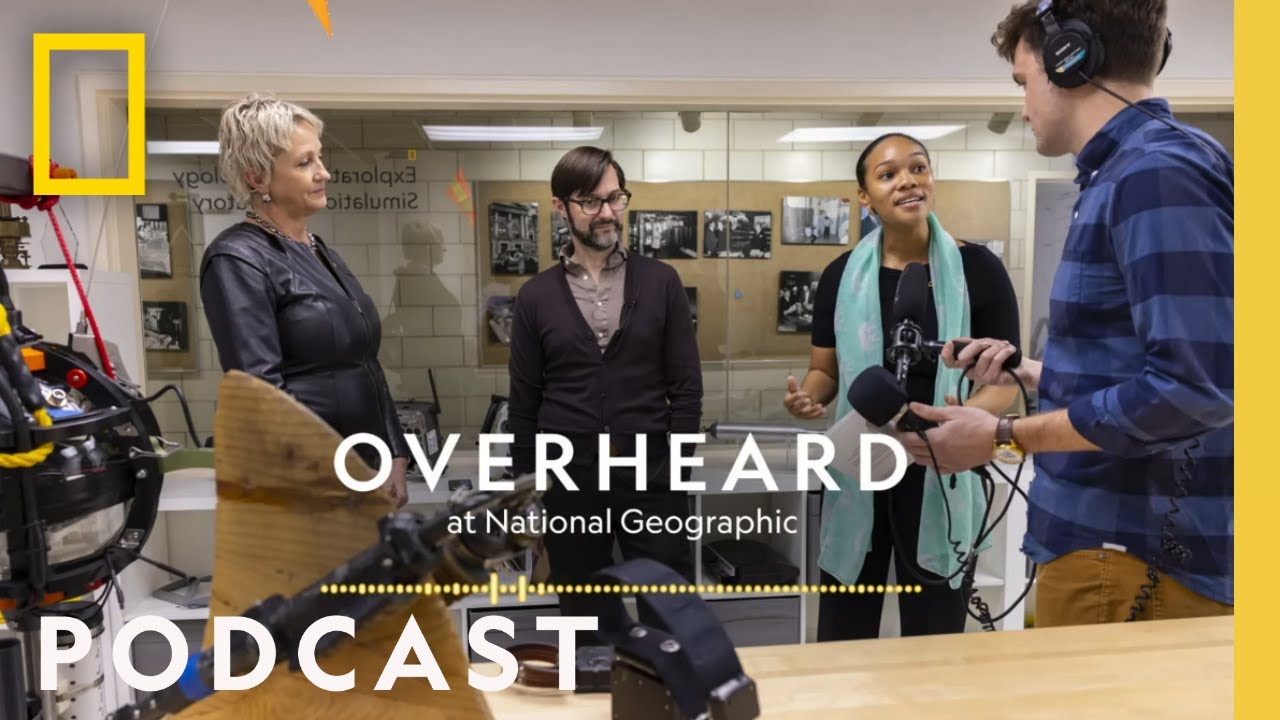
National Geographic celebrates its 135th anniversary with a behind-the-scenes look at the technology and people that drive its ocean research and artistic projects.
Mark Synnott, a Explorer, attempts to retrace the ill-fated 1845 expedition of Sir John Franklin through the perilous Northwest Passage.
Captain Angus Walters sailed the original Bluenose schooner to victory in 1921, making it a lasting symbol of Canadian maritime history.
In Guadalupe Island, world-class freedivers Frederic Buyle, William Winram, and Pierre Frolla collaborate with marine biologist Dr. Mauricio Hoyos to tag great white sharks without protection.
The "Sentinel 6 Michael Freilich" satellite, launched by SpaceX from California, aims to enhance ocean observation and measure sea level rise.
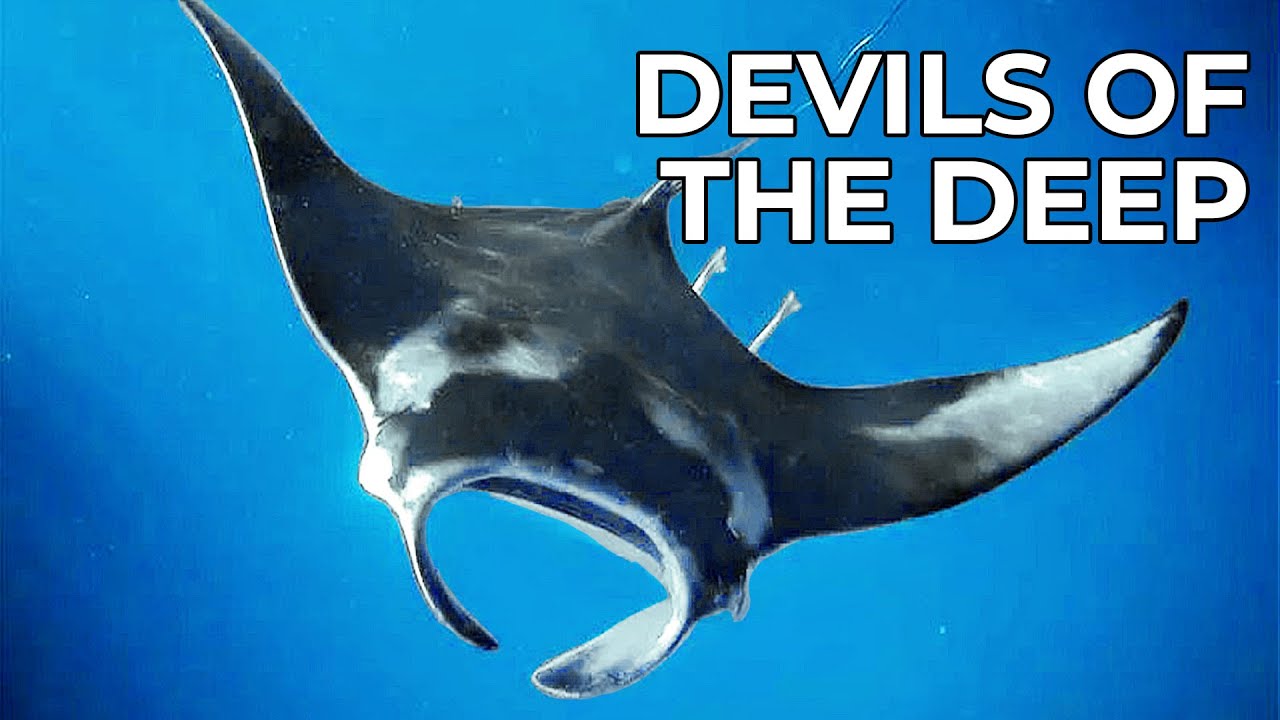
Manta rays, known for their intelligence and complex behaviors, are studied by Dr. Kathy Townsend and her PROJECT MANTA team across locations like Mexico and Australia’s Great Barrier Reef.
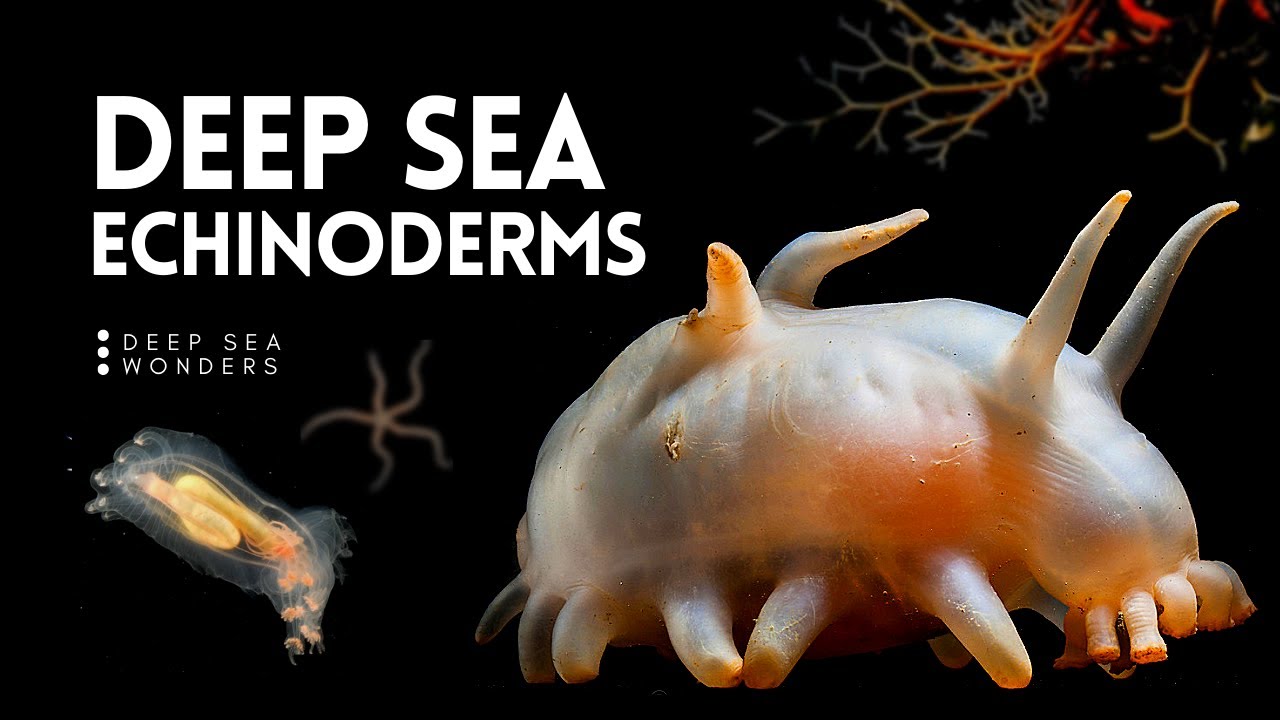
Echinoderms, including starfish, sea cucumbers, and brittle stars, exhibit unique features such as radial symmetry and calcium carbonate skeletons, highlighting their ecological significance.