From over 100,000 films, discover the handful you'll love.
Free or premium access to the world's largest documentary library.
1805 G-rated films available
2,000 rivers and streams flow into the Wupper, creating a diverse ecosystem that supports wildlife such as wolves, wild boars, and red deer.
Glaciers shaped the rugged land of Pukaskwa National Park about 10,000 years ago, leaving behind unique features like cobblestone beaches and rounded hills.
A female squaretail grouper witnesses the disappearance of her home reef and the loss of her companions due to fishing pressures and environmental changes.
Thirty years of mountain touring have shaped Atsushi Gomyo's view of the mountains as symbols of life and death in winter sports.
Over 15 species of wild birds thrive in Vancouver's urban environment, adapting to city life among concrete and steel.
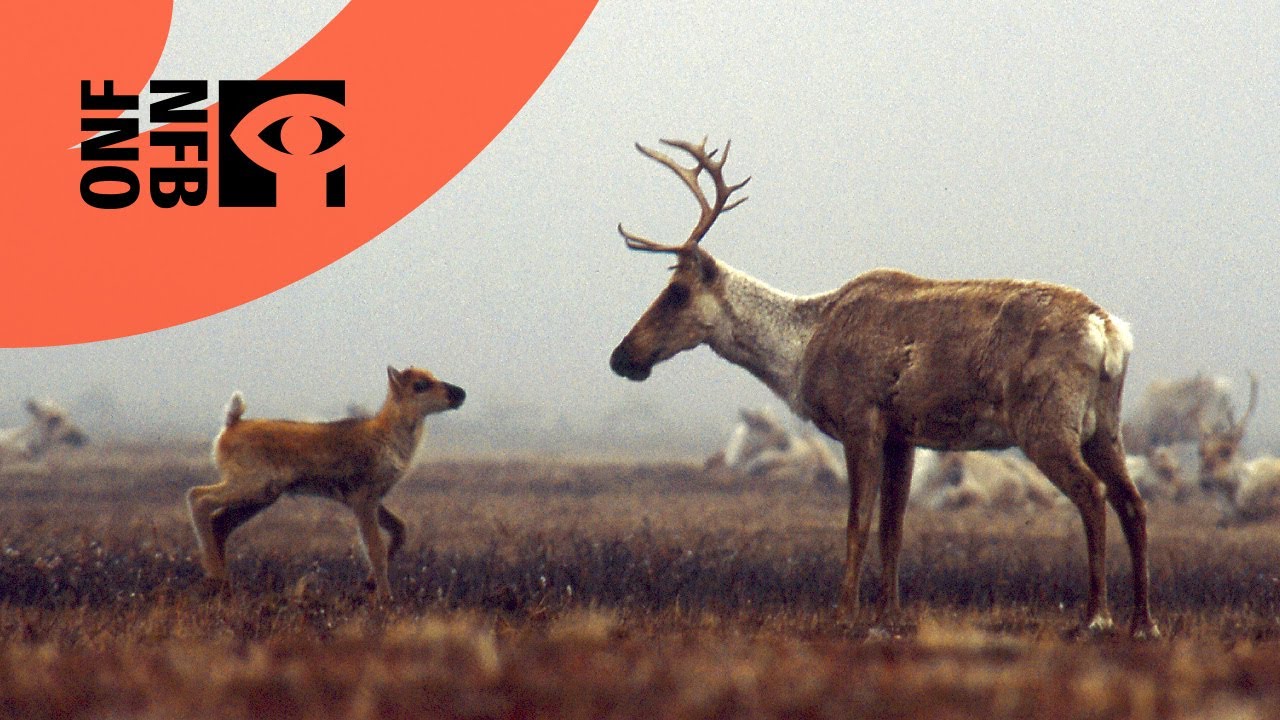
In the Arctic tundra, wildlife biologist Karsten Heuer and environmentalist Leanne Allison track a herd of 120,000 caribou, documenting the environmental threats they face.
Thirty wood bison are rounded up in Elk Island National Park, Alberta, for transfer to an Indian band in Northern Alberta as part of a conservation effort.
The Hohe Tauern mountain range features the highest peaks in Austria and some of the largest glacial surfaces in the eastern Alps.
In Botswana's Okavango Delta, three mokoro polers navigate cultural heritage and environmental challenges while participating in the Nkashi Classic race.
Animals across various species, including ants, meerkats, and birds, exhibit remarkable building skills to create homes that serve multiple purposes.
Life on Earth originated from single-celled organisms in deep-sea vents around 3.5 billion years ago, evolving into complex ecosystems through adaptation.
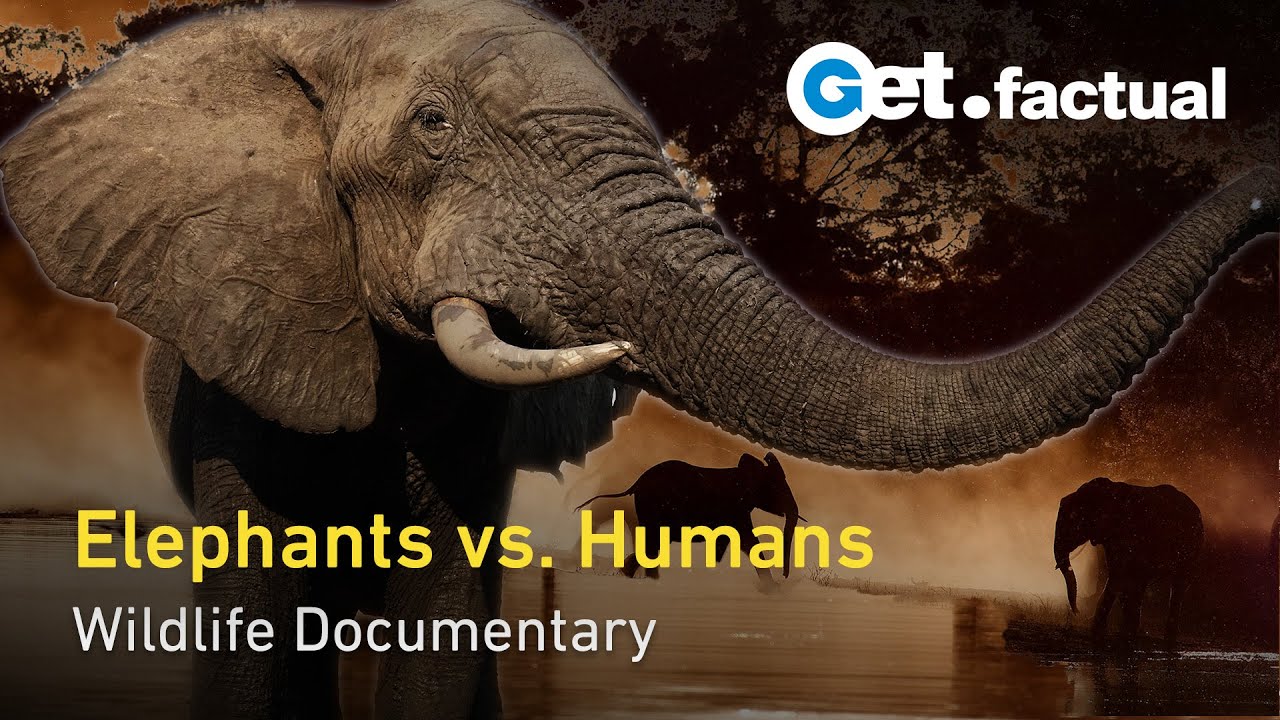
Botswana is home to 130,000 elephants, primarily in the northern regions along the Okavango, Kwando, Linyanti, and Chobe river systems.
The Boreal forest spans almost 5.5 million square miles across the northern hemisphere and stores approximately 703 gigatons of carbon in its biomass.
Each year, heavy rains transform the Okavango Delta, filling its veins and rejuvenating the land, which supports diverse wildlife and local communities.
Birds of prey in North America exhibit a remarkable variety of species, each with unique adaptations for hunting and survival.
A man chants in a local language, calling for the carving of a Nkashi pole to navigate the flood plains of Botswana's Okavango Delta.
A river fed by a volcanic hot spring remains 50 degrees warmer than the surrounding air, attracting various hungry animals during winter.
Mountain gorillas in the Virunga Volcanoes have surpassed 1,000 individuals, prompting new challenges for conservationists and local communities in Rwanda.
In Indonesia, Nathanaël Maury attempts to capture the legendary Komodo dragon, exploring the unique wildlife and dangers of encountering these reptiles.
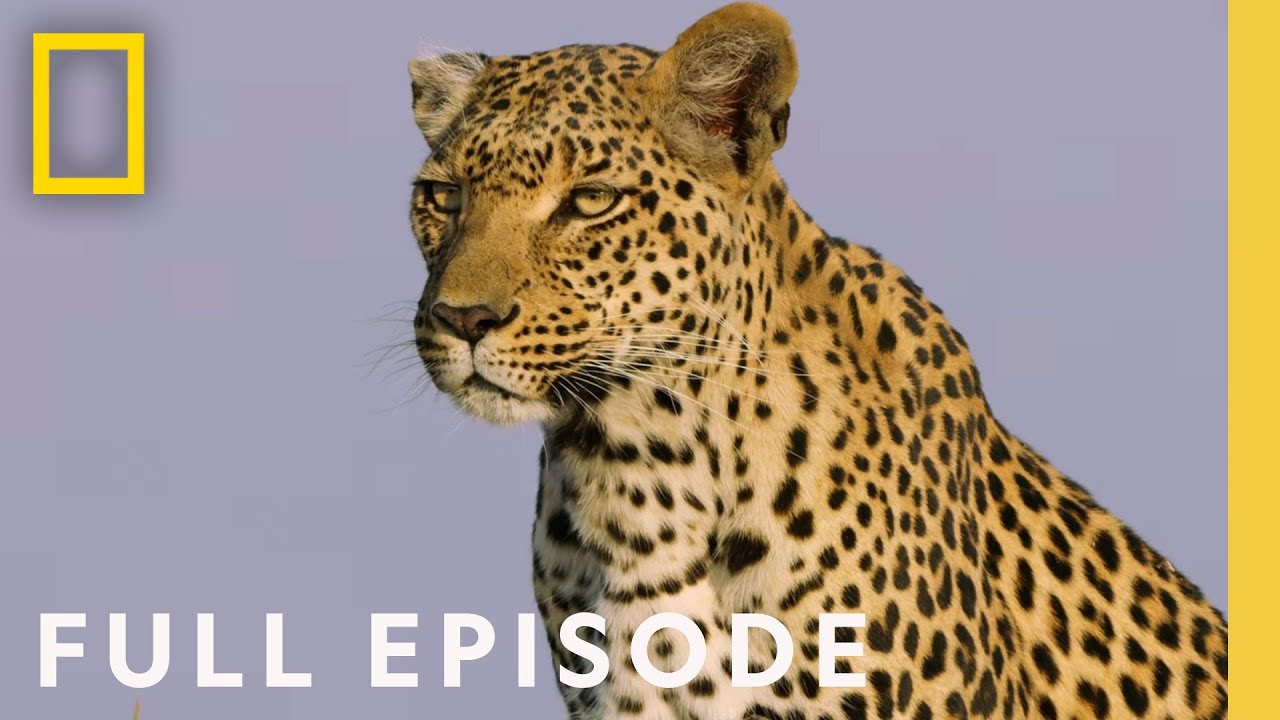
29 degrees Celsius marks a blustery afternoon in the Sabi Sands private game reserve, where viewers watch live coverage of an African safari.
Tropical islands host a diverse array of wildlife, showcasing the survival strategies of species like chameleons and Bornean sun bears.
A pride of lions and a scops owl are among the wildlife featured during a live safari broadcast from Juma Game Reserve in South Africa.
In the Maasai Mara, experts guide a live safari experience, showcasing wildlife such as lions, elephants, and buffalo while engaging with audiences on social media.
In the Jurassic period, insect pollination evolved twice, highlighting the changing relationships between plants and insects, as explored by experts like Dr. Conrad C. Labandeira.
Jacques Cousteau's transformation from a destructive oceanographer to a pioneering environmentalist is explored through wildlife footage and archival material from his global expeditions.