From over 100,000 films, discover the handful you'll love.
Free or premium access to the world's largest documentary library.
573 G-rated films available
Over the course of eight months, a team of over 60 workers excavates a one square mile area south of the Great Pyramids of Giza.
Six million tons of stone were shaped and transported over 30 years to build the Great Pyramid, a monumental achievement of ancient engineering.
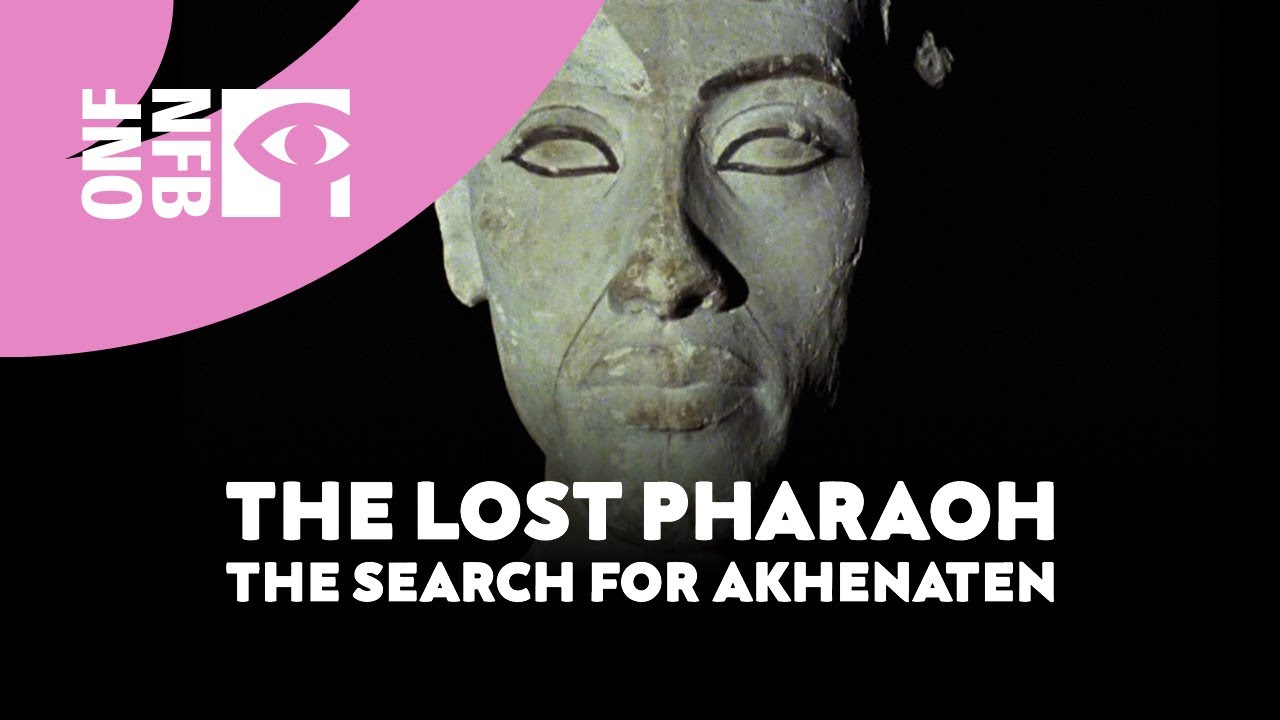
Ancient pharaoh Akhenaten's legacy is explored through the archaeological work of Dr.
Two mysterious sarcophagi found beneath Notre Dame after the 2019 fire prompt archaeologists and historians to investigate their origins and significance.
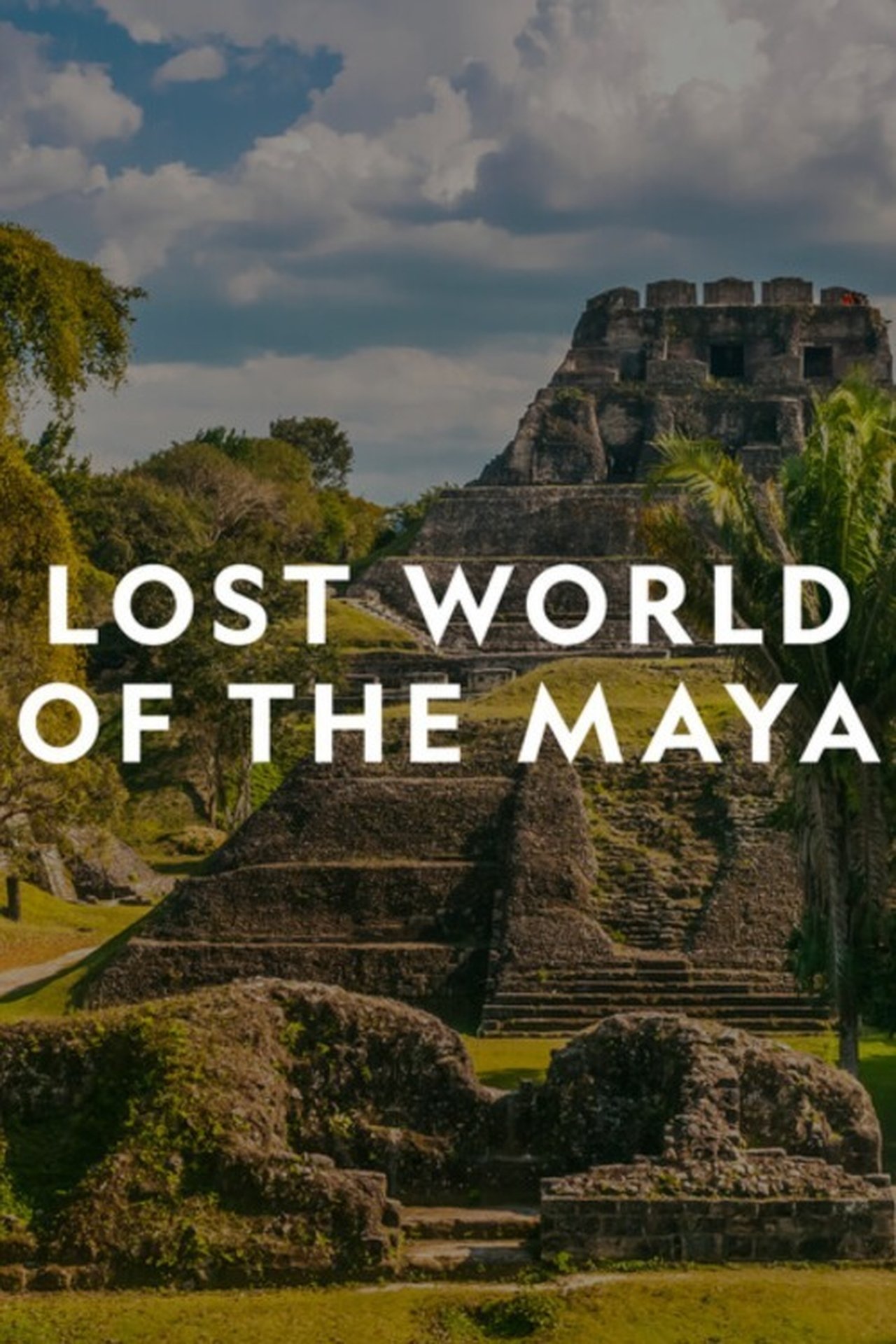
Researchers uncovered over 60,000 previously undetected structures in northern Guatemala, revealing a hidden city of the Maya civilization.
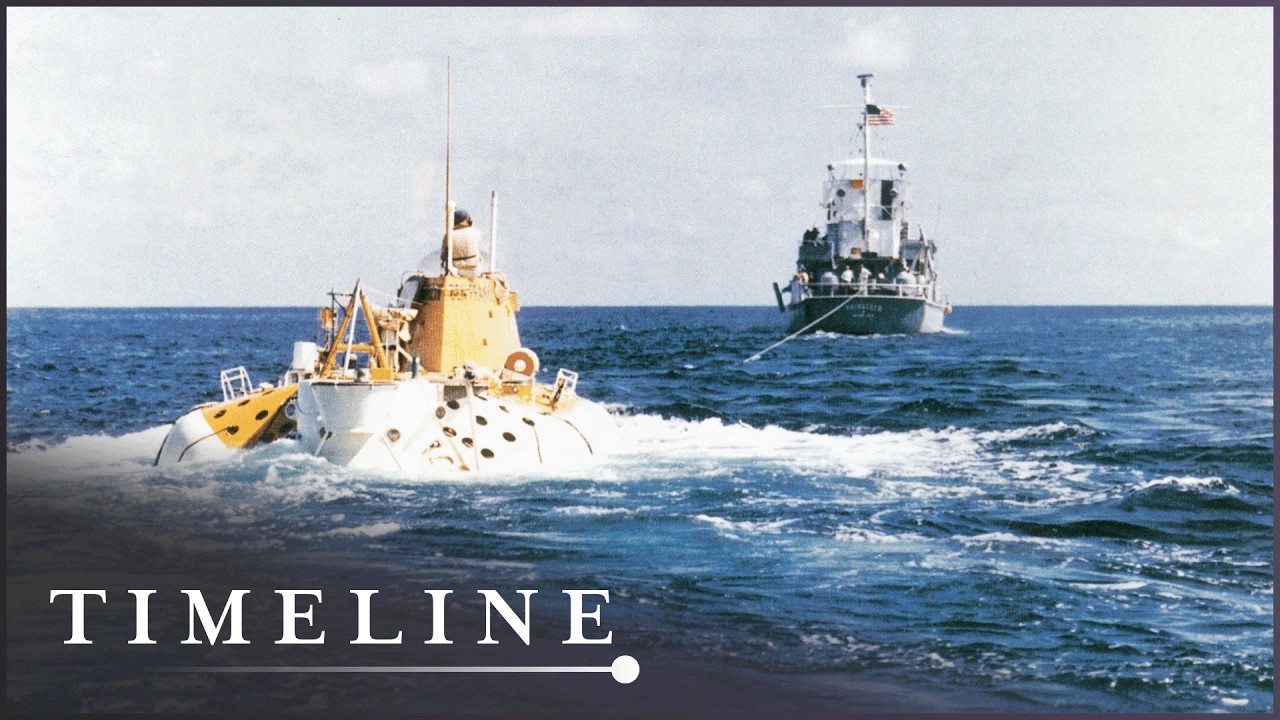
In July 1969, NASA conducted a secret experiment involving six men in the PX-15 submarine, exploring the depths of the Gulf Stream for 30 days.
Livyatan melvillei, a massive prehistoric predator, raises questions about its origins, lifestyle, and potential self-extinction due to its enormous appetite.
Research on mammalian fossils and dinosaur biology challenges the long-held belief that dinosaurs were diurnal while mammals were exclusively nocturnal.
Hadrian's Wall, built in 122 AD, spans over 80 Roman miles across northern England and serves as a significant historical site reflecting Roman military strategy and culture.
The Celts, an ancient civilization known for their mastery of iron and semi-nomadic lifestyle, left a lasting linguistic legacy in Scotland, Ireland, Wales, and Brittany.
In Britain, the Time Team investigates Roman archaeological sites, revealing priceless artefacts that have remained undisturbed for centuries.
An archaeological investigation at a site in England, partially beneath the Great Western Railway, seeks to determine the existence of a Roman villa and its mosaics.
Pharaoh Ramesses II, known as Ramesses the Great, is examined alongside the Karnak and Luxor temples and the transformative reign of Akhenaten in ancient Egypt.
Prehistoric fossils may have influenced the creation of mythical monsters, as explored through various legends and the work of paleoartists like Julio Lacerda and Ceri Thomas.
In Cumbria, Time Team investigates the remarkable Samian pottery found in a fan's garden, exploring the reasons for Roman presence in the area.
Surviving sections of Nero's Golden House are buried up to 13 feet deep, posing a risk of collapse as archaeologists work to preserve its remains.
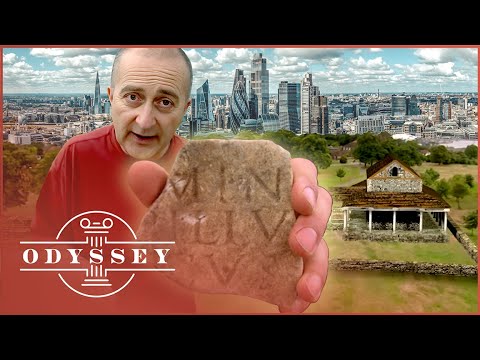
In Greenwich Park, Time Team excavates a rare Roman site that reshapes understanding of Roman Britain's structure and operations.
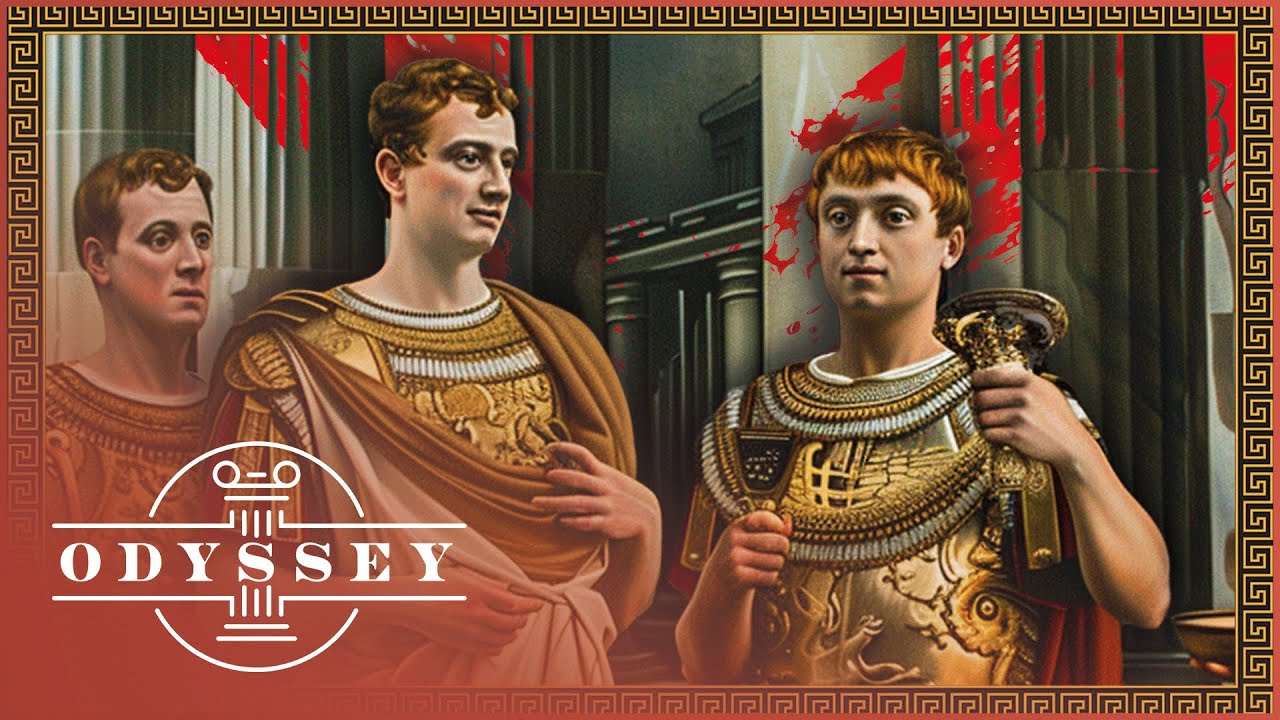
Gaius Julius Caesar Augustus, Ramesses II, and King Leonidas are examined for their significant contributions to leadership and military strategy in ancient history.
Ancient footprints in New Mexico's White Sands National Park provide evidence that Ice Age humans coexisted with giant ground sloths and mammoths much earlier than previously believed.
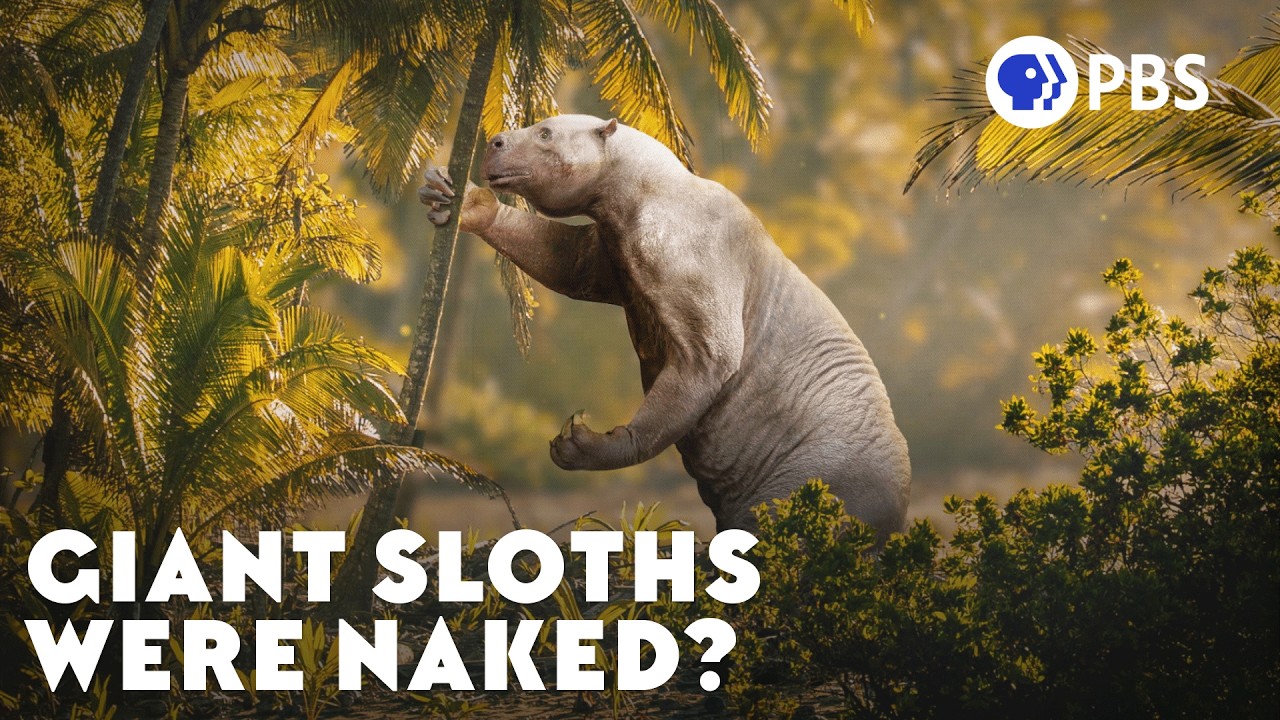
Giant sloths, once familiar to ancient peoples, have left a gap in human knowledge regarding their biology and behavior that remains largely unexplored today.
Brochs, the Iron Age towers of Scotland, reveal insights into their construction, purpose, and the sophisticated societies that built them across locations like Glenelg and Orkney.
Ancient rock art in Australia reveals depictions of megafauna, prompting researchers like Professor Bruno David from Monash University to explore their historical existence.
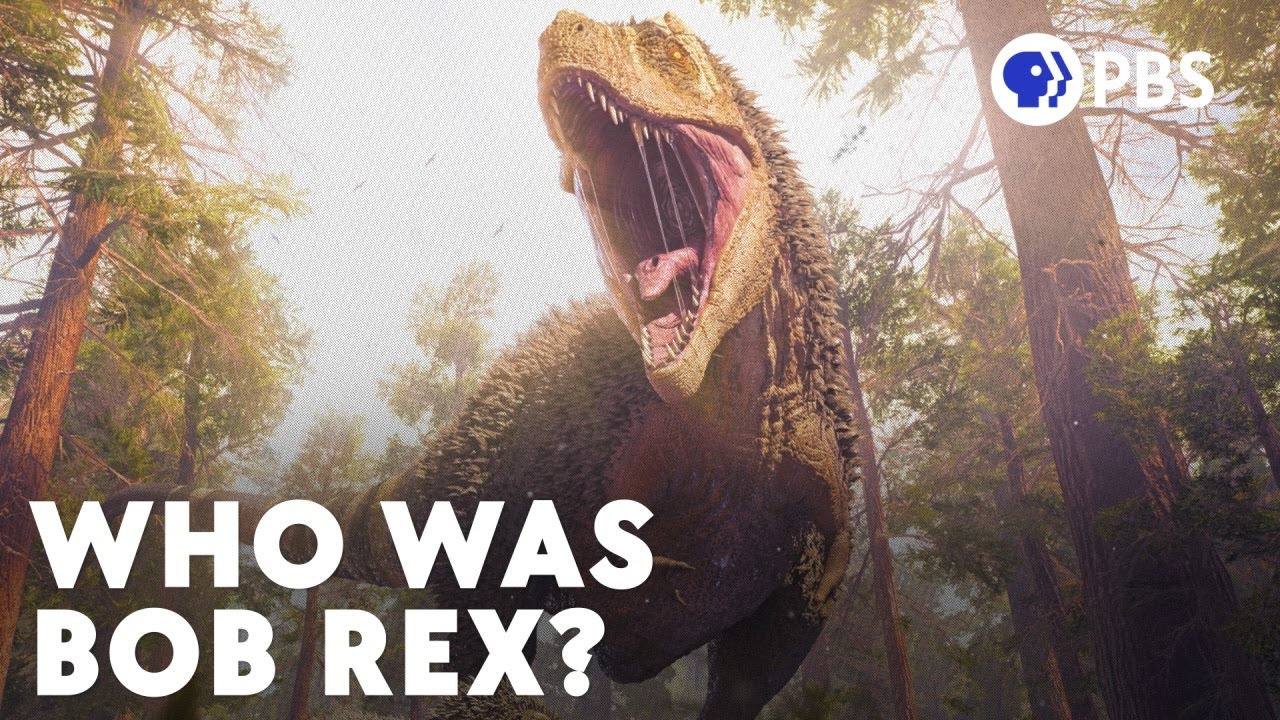
Identifying the sex of dinosaurs has remained a significant challenge for paleontologists, despite advancements in understanding their biology and behavior.
Mark Aldenderfer, a grantee, explores the sky caves of Nepal, revealing ancient murals, manuscripts, and artifacts.
Avebury Stone Circle, a site of ancient habitation and work, is examined alongside evidence of Viking invasions and the discovery of Iron Age gold in Staffordshire.
A fleet of boats, buried six miles from the Nile, reveals insights into Egypt's original Valley of the Kings.
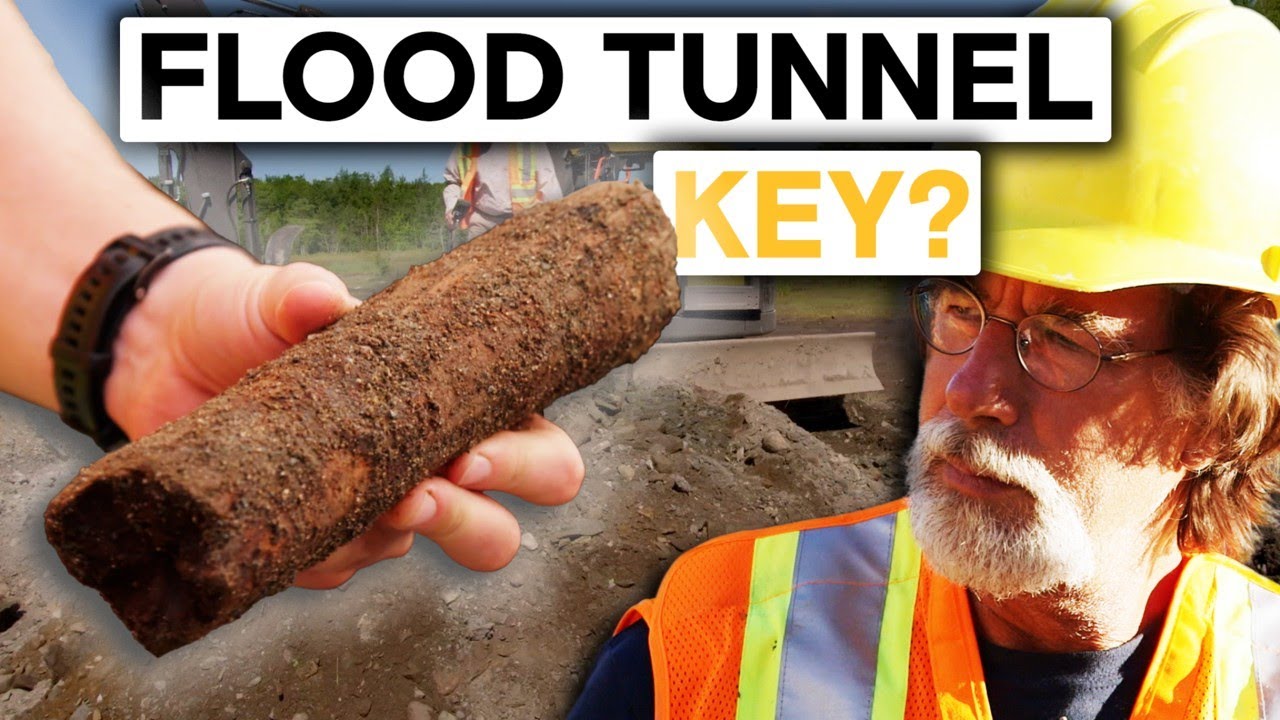
Oak Island's wooden structures and artifacts are analyzed by brothers Marty and Rick Lagina, potentially revealing clues to hidden tunnels and buried treasure.
During the Miocene epoch, apes thrived across Europe, but today, they are confined to small regions in Africa and Asia due to evolutionary changes.
Easter Island archaeologists Terry Hunt and Carl Lipo present a new theory regarding the transportation and construction of the island's iconic moai statues.
More than 100 tombs have been uncovered in the necropolis at Taposiris Magna, revealing clues about life in ancient Alexandria.
A crannog built in the late 9th century was destroyed around 916 AD, serving as a base for a Welsh king in Llangorse Lake, Wales.
In the ancient city of Petra, Tristan Hughes explores the engineering marvels and cultural influences of the Nabataean civilization, highlighting their mastery of desert trade and water management.
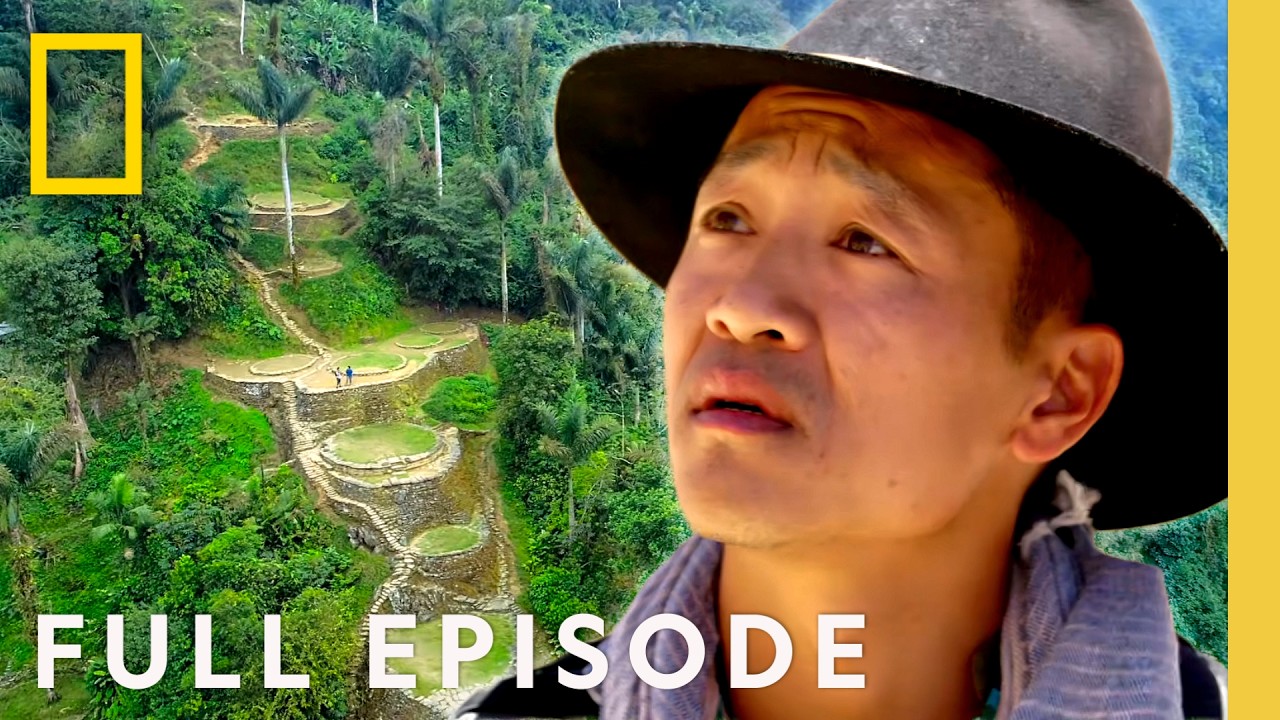
In Colombia, Jordan, and Peru, explorer Albert Lin investigates ancient civilizations and archaeological sites like Ciudad Perdida and Petra, highlighting their cultural significance.
In Cirencester, a significant site of Roman Britain, Time Team reveals their first-ever ancient mosaic alongside other remarkable archaeological finds.
100 meters below the Black Sea lies evidence of a long-lost civilization that thrived before rising sea levels submerged its coastal settlements.
An 80-meter-long tunnel, part of an ancient hydraulic system, diverted water around Petra to manage floods and supply the city.
The creation of early stone tools by hominins marks a significant milestone in human technological evolution and the development of our species.
A Spinosaurus vertebra recovered in 2008 showed signs of having been bitten in half, suggesting fierce competition among large predators.
Jerash, an ancient city in Jordan founded by Alexander the Great's veterans, evolved from a Hellenistic settlement into a prominent Roman metropolis.