From over 100,000 films, discover the handful you'll love.
Free or premium access to the world's largest documentary library.
2639 G-rated films available
At the Solnhofen formation in Germany, over 500 fossils of 15 pterosaur species reveal complexities that challenge existing interpretations of their ecosystem.
Cheetahs, sailfish, and peregrine falcons exemplify the pinnacle of speed in the animal kingdom, showcasing unique adaptations for survival across land, sea, and air.
In the 1990s, measurements of distant supernovas revealed that the universe is not slowing down but accelerating, challenging existing astrophysical theories.
Teeth evolved from the armored skin of ancient fish, serving as an oversensitive alarm system for dental pain throughout human history.
Artificial light is erasing stars, disrupting wildlife, and impacting human health, highlighting the urgent need to address light pollution in urban areas.
In Antarctica, Caitlin and Arlo visit a Weddell seal colony during pupping season, collaborating with biologist Jay Rotella to study newborn seals.
For 3 million years, microbes dominated Earth, raising questions about their role in the planet's greatest environmental disaster.
At McMurdo Station in Antarctica, Caitlin and Arlo explore the scientific methods used to manage waste, including human sewage, under the Antarctic Treaty System.
Antarctica's underwater ecosystem features unique species like ancient sponges, gigantic jellyfish, and notothenioid fishes that thrive in sub-zero waters.
Tyrannosaurus rex, one of the most famous dinosaurs, may have been misnamed, prompting a reevaluation of its classification and historical significance.
San Diego's wildlife preservation efforts highlight the management of apex predators like Komodo dragons and endangered species such as Fiji iguanas.
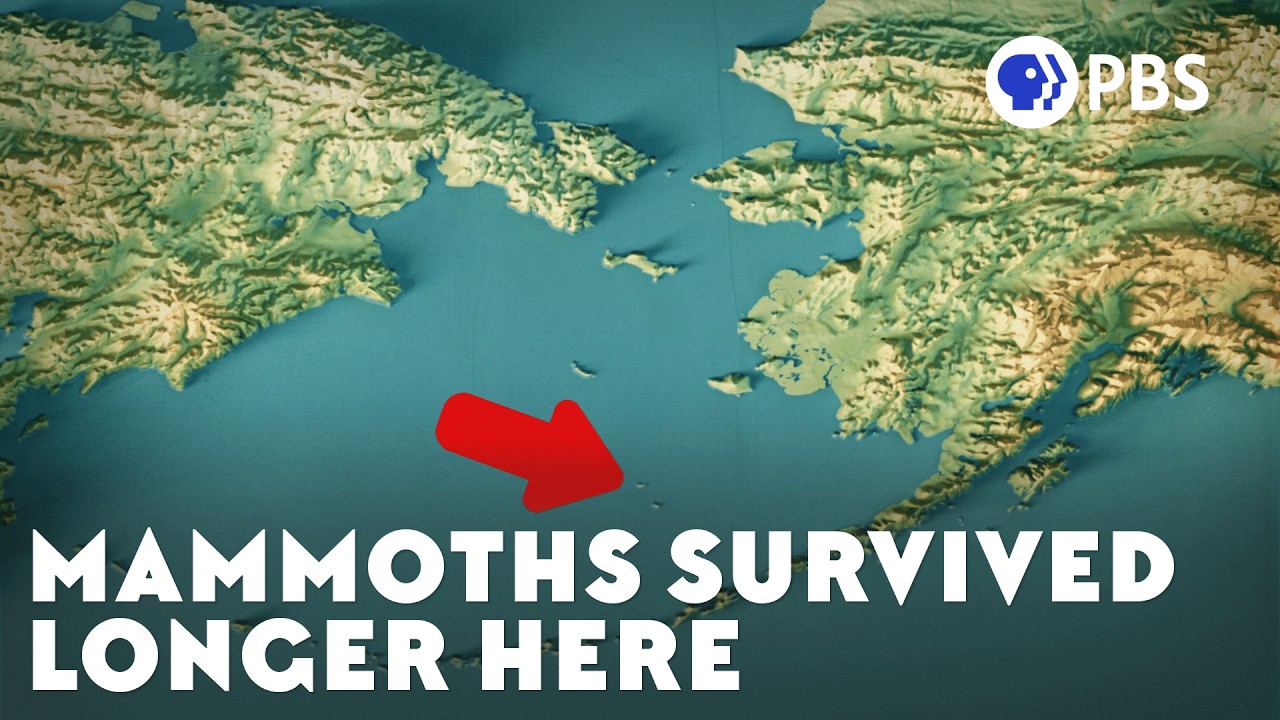
About 5,700 years ago, a herd of woolly mammoths roamed a treeless tundra on St. Paul Island, Alaska, marking one of the last chapters of their existence.
CERN's Large Hadron Collider accelerates particles to near light speed, aiming to reveal insights into dark matter, extra dimensions, and the Higgs boson.
The evolution of feathers in flightless dinosaurs is examined through a unique paleontological experiment involving a robot dinosaur.
Fossil records indicate that vertebrates adapted to land and air before exploring the deep sea, raising questions about their delayed aquatic evolution.
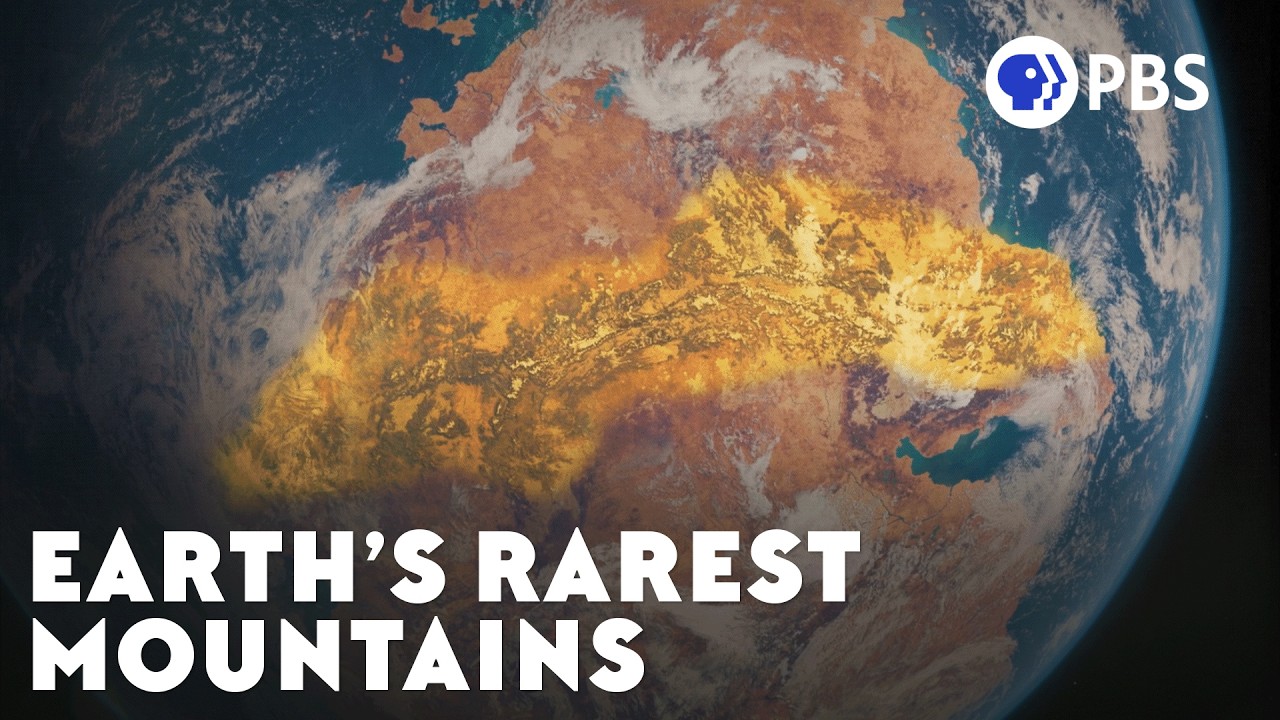
Supermountains, which formed only twice in Earth's history, coincide with significant evolutionary shifts, highlighting their impact on the planet's geological and biological development.
NASA scientists and global experts examine solar phenomena, ancient civilizations' astronomical knowledge, and a groundbreaking spacecraft's mission to study the sun.
130 million years ago, the rise of flowering plants was linked to a series of catastrophic fires that reshaped Earth's ecosystems.
Atomic clocks reveal the complexities of time and reality, showcasing how modern life is influenced by the principles of quantum physics and relativity.
The relationship between physical strength and cognitive ability has been intertwined throughout history, challenging the notion that they are mutually exclusive.
Giant sloths, once familiar to ancient peoples, have left a gap in human knowledge regarding their biology and behavior that remains largely unexplored today.
In a two-part exploration, professor Jim Al-Khalili examines the concepts of everything and nothing, revealing how the universe and mathematics are interconnected.
In a special compilation by , three episodes explore the social structures of Savanna elephants, the intelligence of octopuses, and the risk-taking behaviors of penguins.
Wildlife biologist Dan O'Neill presents new insights into tiger behaviors filmed in Nepal for the series Tiger Island.
In recent years, American beaches, particularly Cape Cod, have experienced a significant increase in shark sightings and attacks, raising concerns among local residents.
At Homestead 2 in Utah's Uinta Basin, a team employs a laser grid and smoke to reveal phenomena potentially invisible to the naked eye.
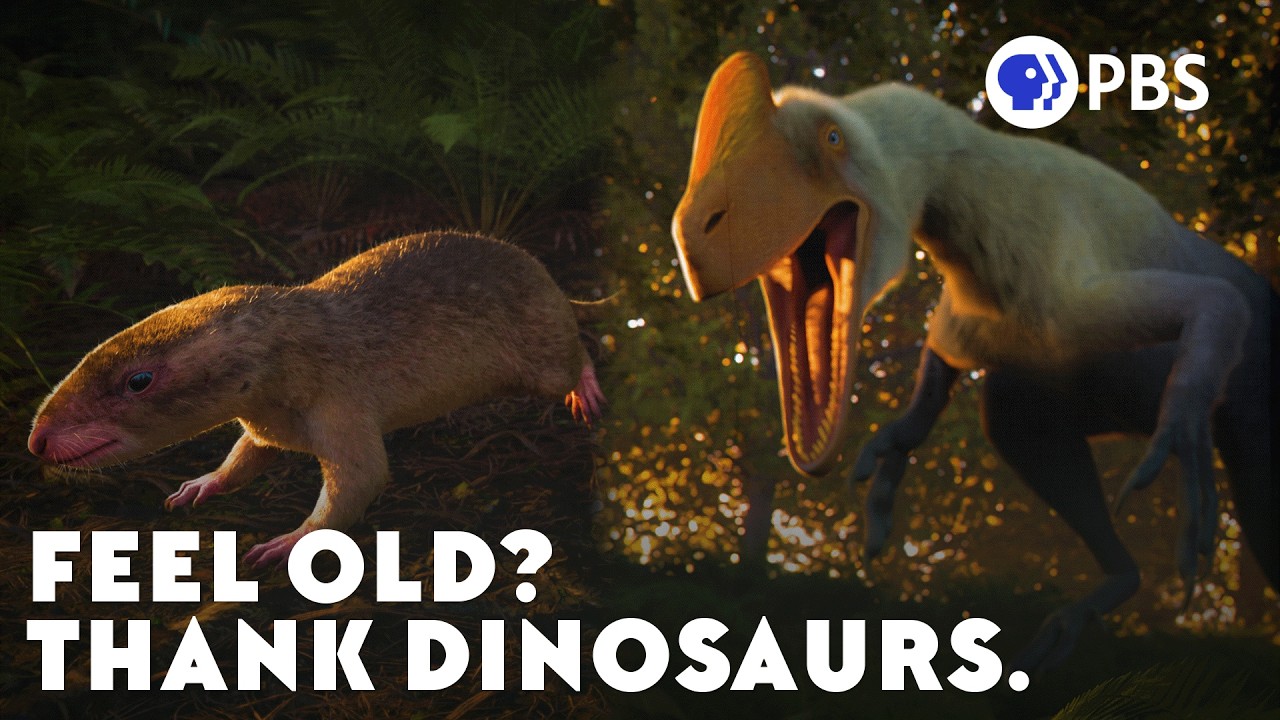
Dinosaurs may have influenced the aging process in modern vertebrates, suggesting a link between their extinction and the accelerated aging of species today.
Artemis II astronauts share their experiences of living 250,000 miles from Earth and the profound impact of seeing the planet from space.
Oumuamua, the interstellar object identified by astronomer Robert Weryk using the Pan-STARRS telescope in Hawaii, raises questions about its true nature as a comet, asteroid, or possibly an artificial probe.
The rise of the Tibetan plateau played a crucial role in the evolution of Homotherium, a unique and successful prehistoric cat species.
Titanic's wreck site is revealed in unprecedented detail through a groundbreaking scan, providing insights into the ship's final hours and its historical significance.
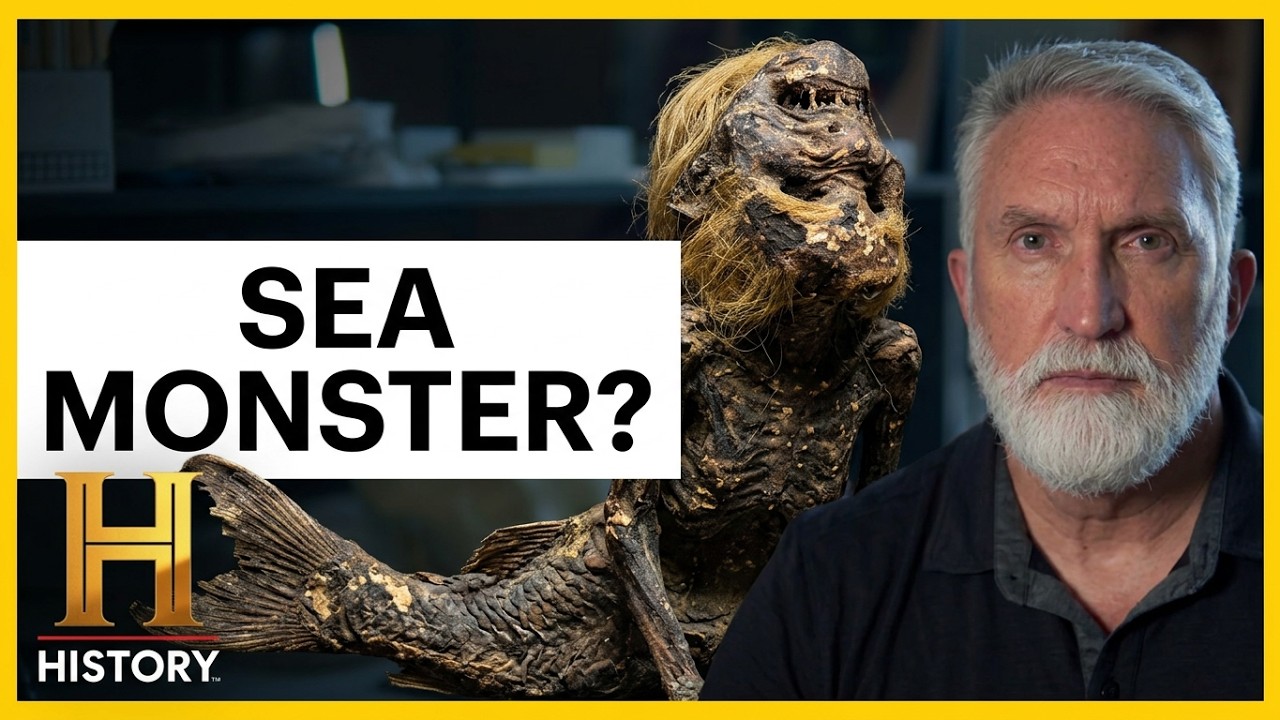
Bizarre sea creatures, including giant beasts and alleged mutants, are examined through expert analysis and technology in a series of investigations.
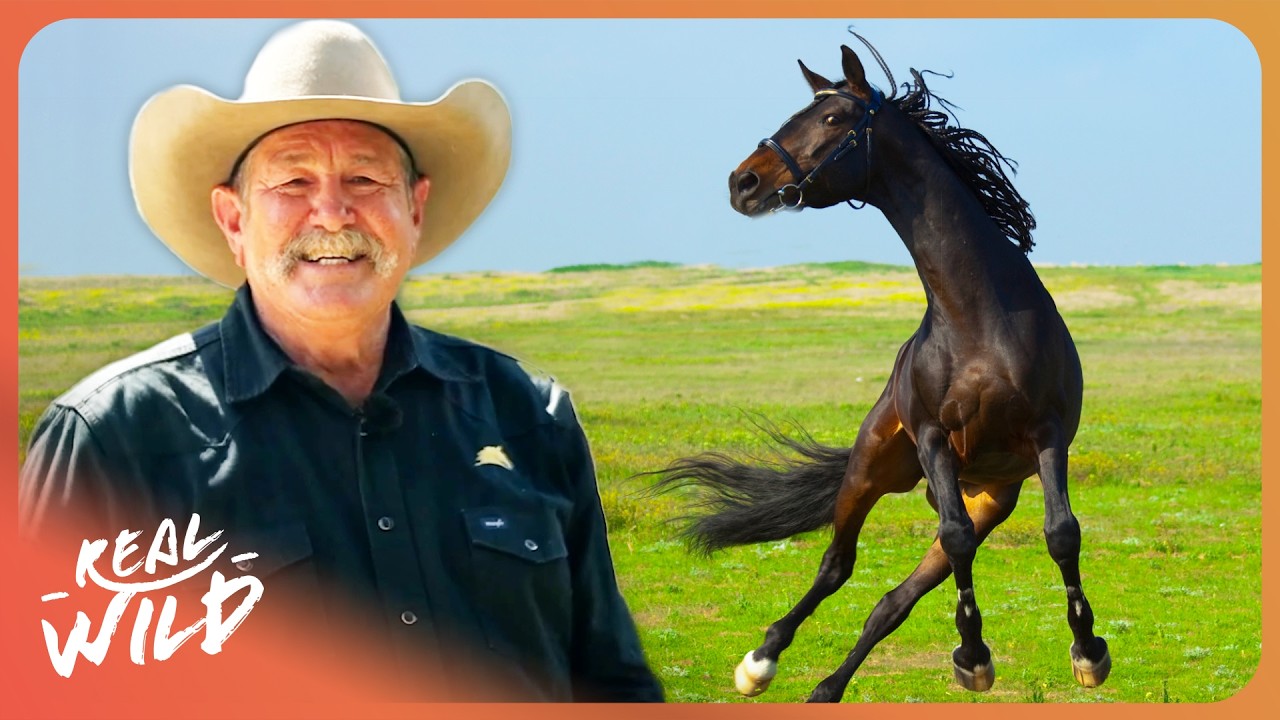
Pat Parelli works to rebuild trust with Bella, a three-year-old quarter horse, addressing her fear of the saddle after a traumatic incident.
Indigenous hunter-gatherer communities in central Africa, including the Baka and Aka, face cultural and environmental challenges as their ancestral rainforest home is threatened.
Ancient civilizations, including those that built Angkor Wat and Sree Padmanabhaswamy Temple, demonstrated advanced astronomical knowledge aligned with the spring equinox.
At McMurdo Station in Antarctica, scientists and support personnel rely on a diet of expired food to meet their high caloric needs in extreme cold.
At least 30 banded sea crates join a hunting caravan with yellow goatfish, a behavior recently observed on remote reefs in Indonesia.