From over 100,000 films, discover the handful you'll love.
Free or premium access to the world's largest documentary library.
2335 G-rated films available
Narrated by Sir David Attenborough, this three-hour program showcases unique wildlife behaviors, including zebra confrontations and sex-shifting fish.
Yellowstone National Park showcases dramatic wildlife interactions, featuring otters, bald eagles, and the master builders of the wild in their natural habitat.
David Attenborough narrates a compilation of remarkable wildlife scenes, featuring the octopus from The Hunt and the Portuguese man-of-war from Blue Planet II.
Traditional mixed orchards in central Europe are rapidly disappearing due to industrial farming, threatening diverse ecosystems and species like nuthatches and migratory birds.
Whales exhibit complex hunting strategies, unique behaviors, and extraordinary social connections, highlighting their remarkable adaptability in ocean ecosystems.
Tropical islands host a diverse array of wildlife, showcasing the survival strategies of species like chameleons and Bornean sun bears.
In breathtaking wildlife moments narrated by Sir David Attenborough, a chameleon gives birth to live young while an ant faces survival challenges.
Umiak I, the world's most powerful ice-breaking bulk carrier, navigates treacherous Arctic waters to supply the Voisey's Bay Nickel Mine in Labrador.
A longline fishing vessel casts over a thousand hooks each night, posing a threat to seabirds like the wandering albatross in the South Pacific.
A bison can shovel five tons of snow a day to reach withered grass buried beneath a meter of snow during harsh winter conditions.
A bison can shovel 5 tons of snow a day to reach withered grass buried beneath a meter of snow during harsh winter conditions.
Zion National Park in Utah showcases its dramatic geological features, including towering spires and narrow canyons, revealing the Earth's complex history.
At McMurdo Station in Antarctica, Caitlin and Arlo explore the scientific methods used to manage waste, including human sewage, under the Antarctic Treaty System.
130 million years ago, the rise of flowering plants was linked to a series of catastrophic fires that reshaped Earth's ecosystems.
Artificial light is erasing stars, disrupting wildlife, and impacting human health, highlighting the urgent need to address light pollution in urban areas.
In the East African savannah, nearly two million large herbivores coexist with predators like cheetahs and lions, highlighting the interdependence of species and their adaptations.
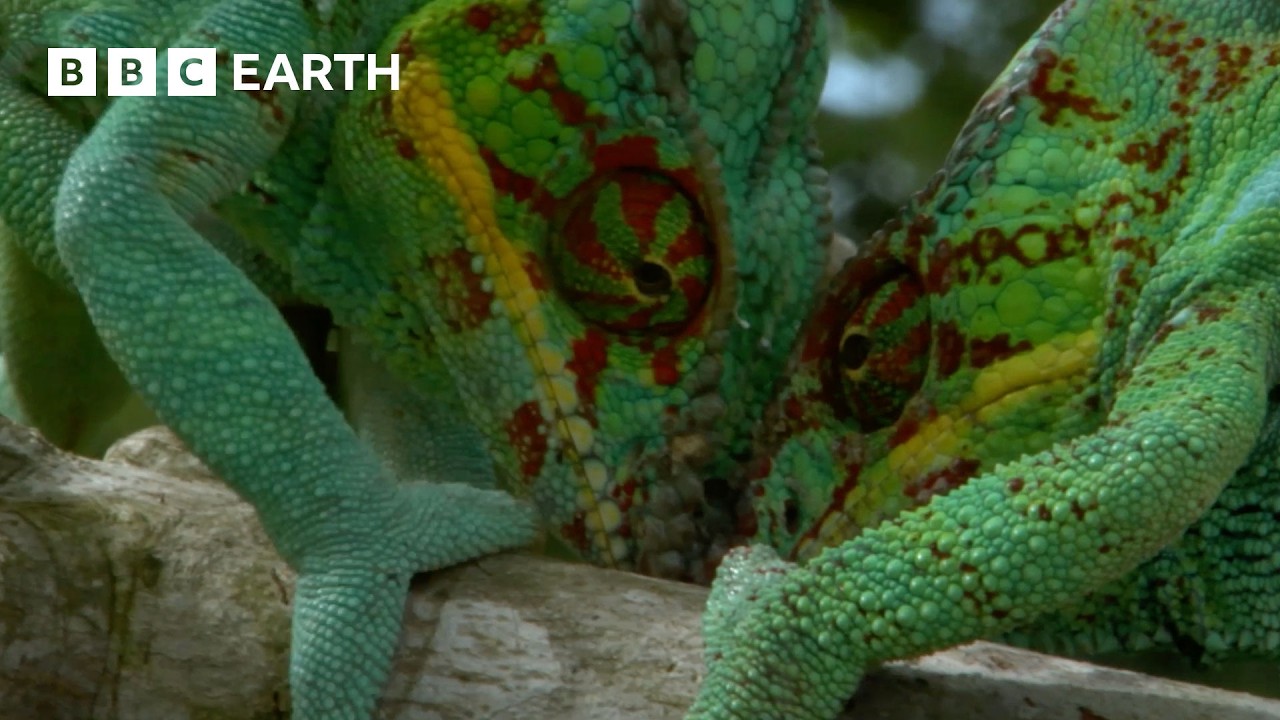
Madagascar's unique wildlife showcases intense chameleon battles and lemurs seeking refuge from predators in their natural habitat.
Sir David Attenborough narrates a two-hour compilation of wildlife moments, featuring crabs evading predators and stallions competing for dominance.
Kilauea's lava erupts at nearly 2,000 degrees Fahrenheit, consuming roads, forests, and neighborhoods in Hawaii.
Across diverse habitats, bear species are showcased in their natural behaviors of hunting, mating, and survival throughout forests and the Arctic.
In the Caribbean, powerful natural forces such as volcanoes, storms, and ocean currents shape the islands' wildlife, culture, and ecosystems.
In tropical rainforests, poison dart frogs face challenges in raising their tadpoles while spiders exhibit remarkable agility to hunt prey much larger than themselves.
The existence of a deep-sea reptile challenges current scientific understanding of marine life evolution and adaptation.
A polar bear, having lost half her body weight, struggles to hunt walruses while her cubs await their first meal in a harsh Arctic spring.
A mother bear with three cubs, just 8 months old, forages for food in autumn to build fat reserves before winter hibernation.
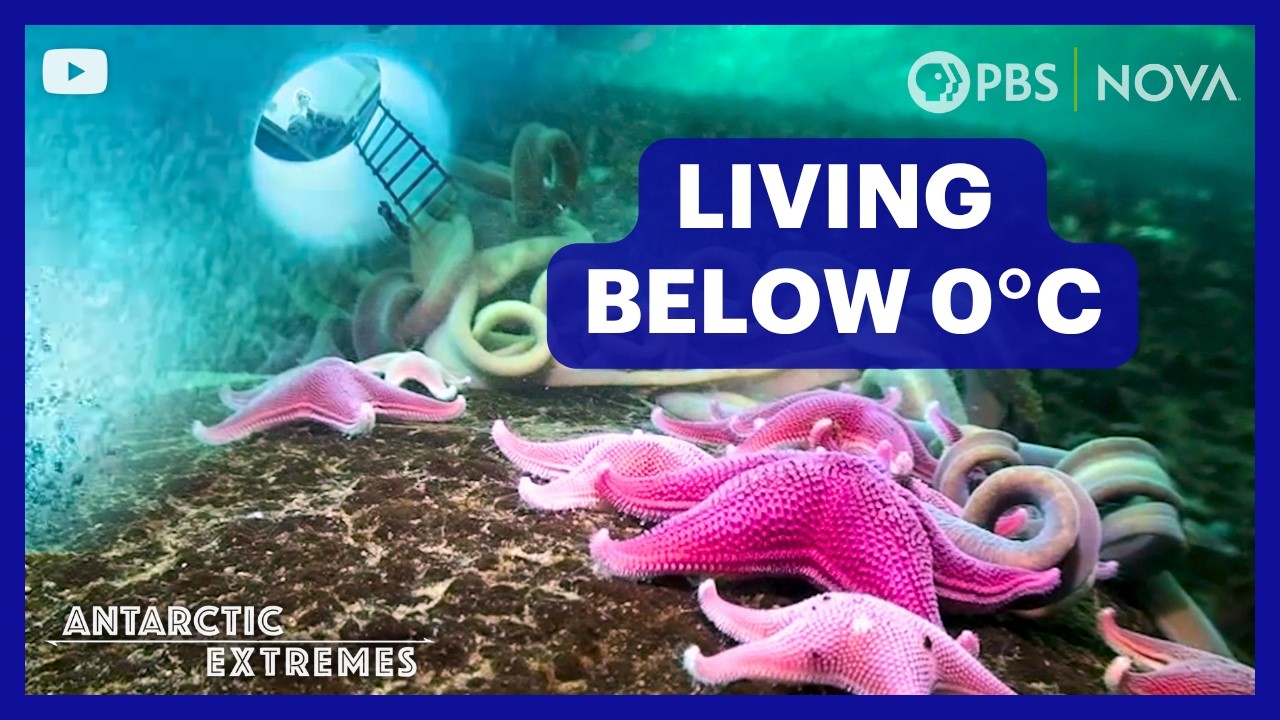
Antarctica's underwater ecosystem features unique species like ancient sponges, gigantic jellyfish, and notothenioid fishes that thrive in sub-zero waters.
In the harsh landscapes of the Himalayas, rams engage in fierce competition for mates while snow leopards hunt for survival.
In Zimbabwe's Savé Valley Conservancy, a team of conservationists undertakes a complex operation to relocate over 100 elephants to restore ecological balance.
Over 200,000 turtles lay their eggs on a beach in India, with only one in a thousand hatchlings expected to survive to adulthood.
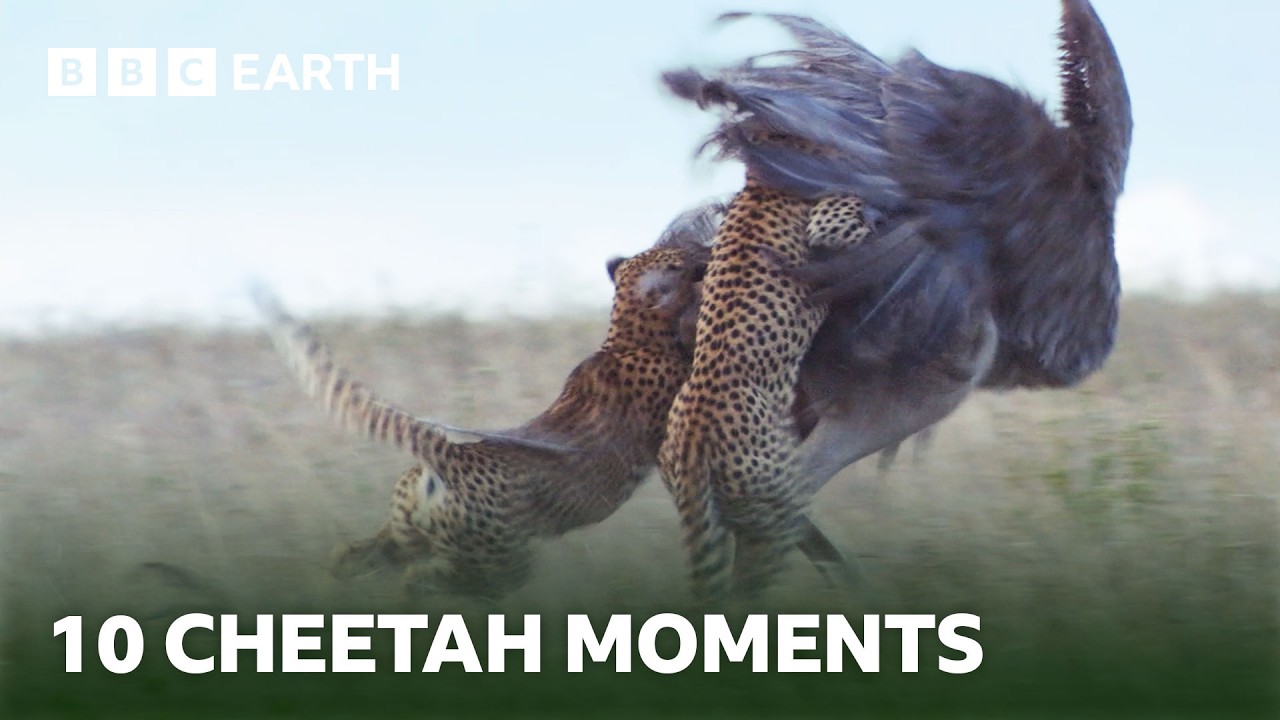
In the African savannah, a mother cheetah and her cubs navigate a perilous acacia thicket while other cheetahs hunt for prey like ostriches and impalas.
In the wilds of Africa, BBC Earth captures remarkable moments of lions hunting and interacting with hyenas, showcasing the raw dynamics of nature.
Mountain gorillas in the Virunga Volcanoes have surpassed 1,000 individuals, prompting new challenges for conservationists and local communities in Rwanda.
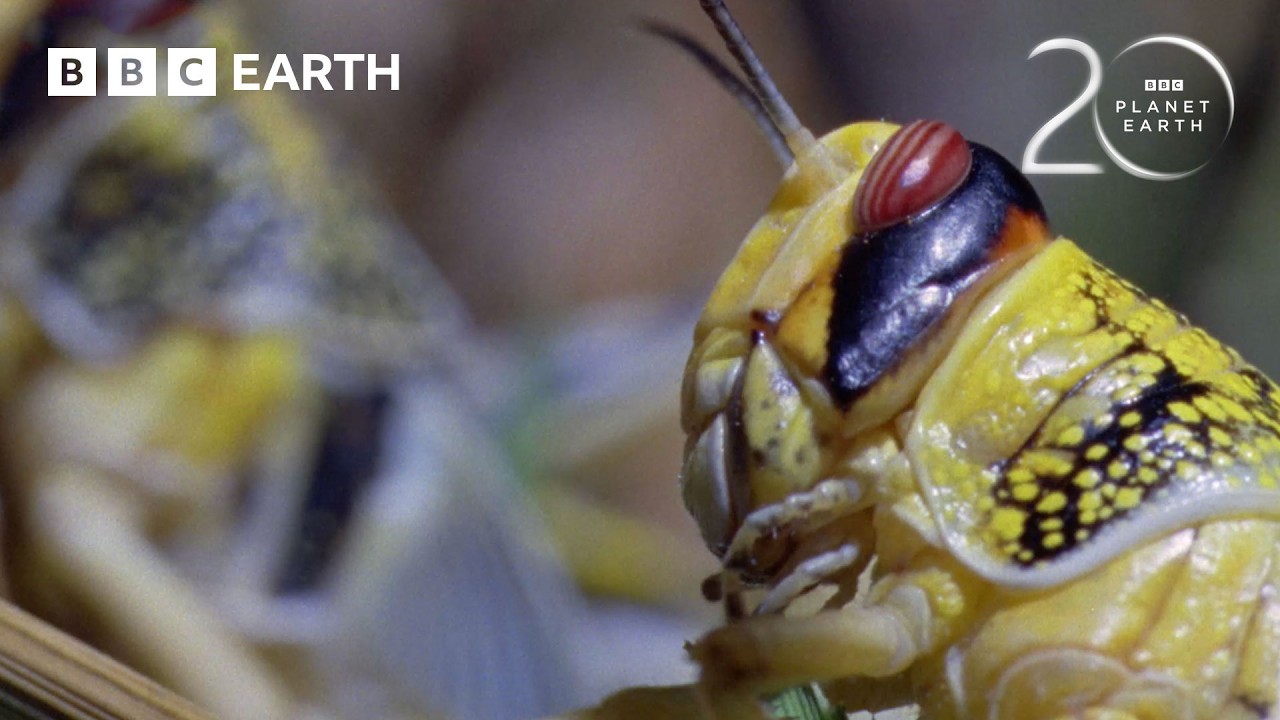
Celebrating 20 years of the acclaimed series, this compilation highlights iconic moments from the BBC's Planet Earth, narrated by David Attenborough.
For 3 million years, microbes dominated Earth, raising questions about their role in the planet's greatest environmental disaster.
In extreme environments like deserts and polar regions, animals such as the Nubian ibex, polar bears, and emperor penguins exhibit remarkable adaptations for survival.