Arts Storytelling
Why do we punish?
Why Do We Punish?
A look at what we actually want when we lock people up.
Why this matters
Every society punishes, but almost nobody stops to ask why. Once you know the difference between retribution, deterrence, and rehabilitation, you start hearing those arguments everywhere: in the news, in courtrooms, even in how you treat your own kids or friends. Punishment is not only a legal thing, it shows up in families and relationships too 1. Spending ten hours on this will not make you a lawyer, but it will make you a sharper thinker about justice, and a lot harder to fool with easy slogans about being 'tough on crime'.
You will be the person who, instead of just wanting someone punished, can explain exactly what punishment is supposed to achieve and whether it actually works.
Punishment is one of the oldest things humans do. It means putting an unpleasant outcome on someone because they broke a rule 1. That sounds simple, but the reasons behind it are not. Scholars who study this call the field penology, and they argue about what punishment is really for 5. There are a few main answers. Some people want retribution, meaning the offender gets a punishment that fits the wrong they did, without personal revenge and with fair rules 2. Others want deterrence, the idea that the threat of punishment stops people from committing crimes in the first place 3. And some focus on rehabilitation, which tries to fix the reasons a person offended so they do not do it again after release 4. This journey uses true crime stories to test those ideas against real cases. You will meet killers, escapees, and prisoners, and each time you can ask the same question: what do we actually hope to get out of the punishment?
Chapter I
What Punishment Is For
Start with the basics. What are we even trying to do when we punish someone? These stories put the big goals in front of you.
FoundationsWatch

A 250-year sentence
Interview With A Serial Killer (True Crime Documentary)
Arthur Shawcross killed 11 women and two children and got a 250-year sentence. Ask what that number is really for: payback, keeping him away from people, or something else 2.
Watch this documentaryFoundationsWatch

When the criminals are children
Unforgiven: The Tragedy of James Bulger and His Killer Boys
Two ten-year-old boys killed a toddler in 1993. The public reaction tests every idea about punishment at once, especially whether kids can be treated like adult offenders 1.
Watch this documentaryFoundationsRead
Who gets locked up
James Forman Jr.
A Pulitzer-winning look at how a community made its own choices about crime and punishment, and lived with them.
Foundations · Do this
Do this
Pick a crime story from the news this week and write down, in one line each, what retribution, deterrence, and rehabilitation would each want done to the offender.
Chapter II
Does Punishment Actually Work?
The goals sound good on paper. Now look at whether prisons, sentences, and the threat of punishment do what they claim.
Going deeperWatch

Inside a women's prison
Inside Indiana's Most Dangerous Women's Prison (Sir Trevor McDonald Documentary)
Over 1,800 women serve long sentences here for violent crimes. Watch for whether the place is trying to rehabilitate anyone or just hold them 4.
Watch this documentaryGoing deeperWatch

The escape that made a legend
Drain Alcatraz: The World's Most Notorious Prison
Three men escaped Alcatraz in 1962 and vanished. It's a good test of incapacitation, the idea that punishment works by keeping people locked away 1.
Watch this documentaryGoing deeperWatch

Punishment at massive scale
World's Most Feared Cartel
More than 230,000 people have died in Mexico's drug war since 2006. If harsh crackdowns deter crime, why does the violence keep growing 3?
Watch this documentaryGoing deeperRead
How grief and justice mix
Patrick Radden Keefe
A gripping account of a killing and the long, tangled search for what counts as justice.
Chapter III
The Hardest Cases
Now the cases where every theory struggles: mass murderers, death row, and crimes so big that no punishment feels equal to them.
Going furtherWatch
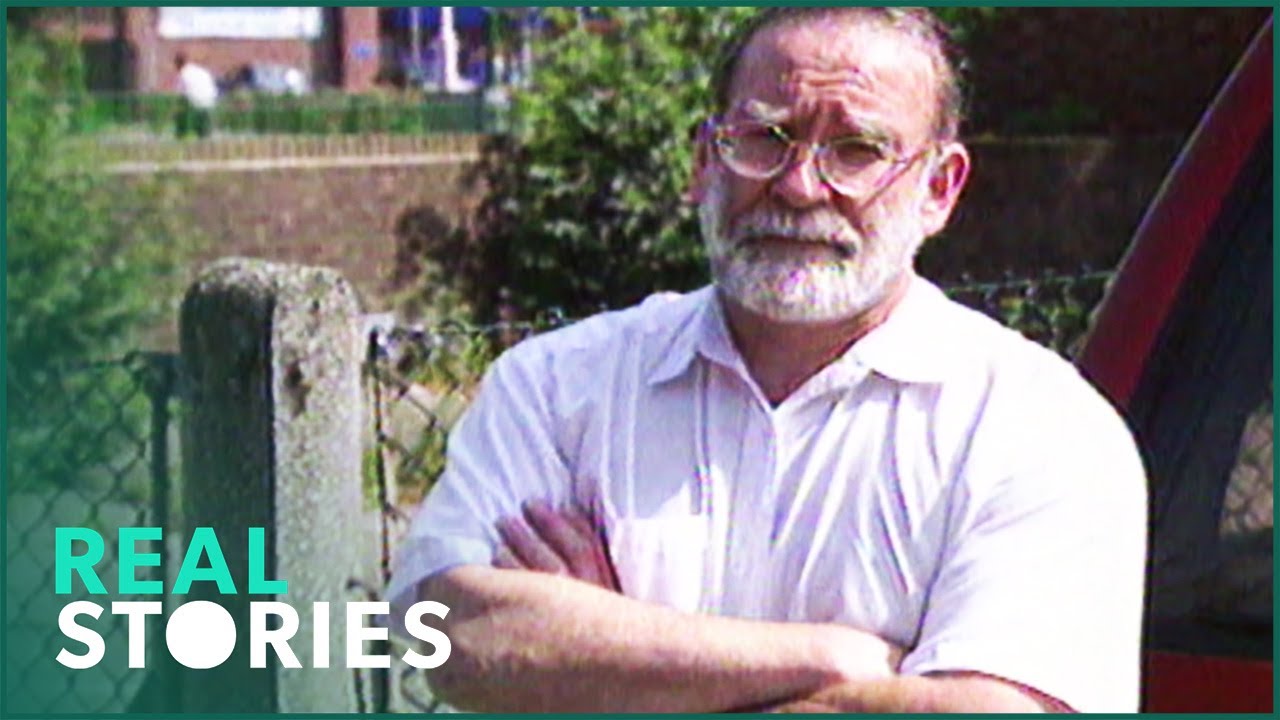
A doctor who killed hundreds
Doctor Death: Britain's Worst Serial Killer (True Crime Documentary)
Harold Shipman murdered at least 350 patients. When the crime is this large, ask whether retribution can ever really be proportional 2.
Watch this documentaryGoing furtherWatch

Escaping death row
Escaping Death Row... Almost
Six death row inmates escaped a Virginia prison in 1983. It forces the sharpest question of all: what is the death penalty actually for 3?
Watch this documentaryGoing furtherWatch

Hunting a war criminal decades later
Gestapo Caught: Hunting Nazis In Rural Argentina
A former Gestapo officer linked to the execution of 335 civilians was found hiding years later. Why do we still punish crimes long after they happen 2?
Watch this documentary
Going furtherRead
Judgment far from home
David Grann
A shipwreck, survival, and a trial that shows how a society decides who to blame and punish when the rules break down.
What you'll take away
- Name the main goals of punishment and tell them apart
- Judge real criminal cases by what the punishment was trying to do
- Explain the difference between retribution and revenge
- Question whether harsh punishment actually stops crime
Check your understanding
What best describes retributive justice?
What is the main idea behind deterrence?
What is the goal of rehabilitation?
Does punishment only happen in criminal law?
Key concepts
- Punishment
- Putting an unpleasant outcome on a person or group because they broke a rule or norm, inside or outside of the law [1].
- Retribution
- A punishment that fits the crime, aimed only at the wrongdoing, with limits and fair rules, and no pleasure in the offender's suffering [2].
- Deterrence
- The idea that the threat of punishment stops people from committing crimes [3].
- Rehabilitation
- Re-educating offenders and preparing them to rejoin society so they do not offend again [4].
- Penology
- The study of how societies try to stop crime and treat convicted offenders [5].
Timeline
- 1962 · Alcatraz escape
- 1993 · The James Bulger case
- 2006 · Mexico's drug war
Historical context
People have argued about punishment for as long as they have had rules. Penology, the study of it, treats punishment as something a society designs on purpose, not just an angry reaction 5. Over time thinkers separated out several different goals: paying back the wrong through retribution 2, scaring off future crime through deterrence 3, and repairing the offender through rehabilitation 4. The interesting part is that these goals often pull against each other. A punishment harsh enough to satisfy retribution may do nothing to rehabilitate, and one built for rehabilitation may feel too soft to those wanting payback 1.
Family mode
Dinner questions
- •If someone breaks a rule at home, what is the punishment supposed to do?
- •Is it fair to punish a child the same way as a grown-up?
- •What's the difference between wanting justice and wanting revenge?
Experiments
- •Make up a small house rule and three different punishments for breaking it, then argue which one actually stops it happening again.
Crafts
- •Draw a scale with 'payback' on one side and 'fixing the problem' on the other, and place different punishments along it.
Games
- •One person names a crime from a story, and everyone else guesses whether the punishment given was about payback, scaring others off, or helping the person change.
Travel
- •Visit a local courthouse and sit in on a public hearing to see how punishment gets decided in real life.
For younger children
- •Why do we punish people who do bad things?
- •Can a punishment be too big for what someone did?
- •Should we help someone become better, or just make them suffer?
Discuss & reflect
Discussion
- Which goal of punishment do you find most convincing, and why?
- Can retribution ever be truly separate from revenge?
- If a punishment does not stop crime, is there still a reason to keep it?
- Should the age of an offender change how we punish them?
- Is it possible to rehabilitate someone who committed a terrible crime?
Reflection
- •Think of a time you were punished. What was it actually trying to teach you?
- •Write about a case in this journey where you changed your mind about the right punishment.
- •Where in your own life do you punish people without thinking about why?
Go further
Further learning
Expert learning
Sources & further reading
- 01Punishment · en.wikipedia.org
- 02Retributive justice · en.wikipedia.org
- 03Deterrence (penology) · en.wikipedia.org
- 04Rehabilitation (penology) · en.wikipedia.org
- 05Penology · en.wikipedia.org
- 06Punishment · en.wikipedia.org