Health Body
Why do our minds break, and how do they heal?
Why Do Our Minds Break, and How Do They Heal?
A grounded look at what goes wrong in the mind and the real ways people get better.
Why this matters
Almost everyone will either struggle with their own mental health or love someone who does. Spending these hours here means you stop treating mental illness as something shameful or strange and start seeing it as human, common, and treatable. You will understand what stress actually does to the body, why the brain can change and repair, and what real recovery looks like. That changes how you talk to a struggling friend, how you judge yourself on a bad week, and how you read the headlines about mental health crises.
You become someone who can talk about mental illness calmly and kindly, who knows healing is real and how it happens, and who spots the difference between distress and doom.
We all have a mind that can wobble. A mental disorder is a pattern of thinking, feeling, or behaving that causes real distress or gets in the way of everyday life 1. These problems can show up once, stick around, or come and go over time 1. They are not a moral failing or a mystery; they are one part of a person's overall mental health 1. The good news is that the brain is not fixed. Neuroplasticity is the brain's ability to rewire its own connections in response to learning, injury, and even stress 2. That same flexibility is what makes healing possible. Talking treatments, known as psychotherapy, use regular personal contact to help people change behaviour, feel better, and work through troubling thoughts and emotions 3. Some of these treatments are backed by neuroscience and can last longer than medication alone 3. Stress plays a big role in all of this. When something threatens or upsets us, the body responds through systems like the HPA axis, releasing hormones such as adrenaline and cortisol 4. Some people bounce back from a crisis quickly, and that ability, called psychological resilience, is shaped by things like self-esteem and support from family and friends 5. Recovery itself is now often seen as a personal journey built on hope, relationships, and meaning, rather than a single fixed outcome 6.
Chapter I
What Breaking Actually Means
Start with the basics. What is a mental disorder, what does it feel like from the inside, and how does the brain even work behind the scenes?
FoundationsWatch

Your brain behind the curtain
Your Brain: Who's in Control?
The brain has almost 90 billion neurons and most of its work happens outside your awareness 2. A gentle way to see how much of the mind runs on its own.
Watch this documentaryFoundationsWhere to watch
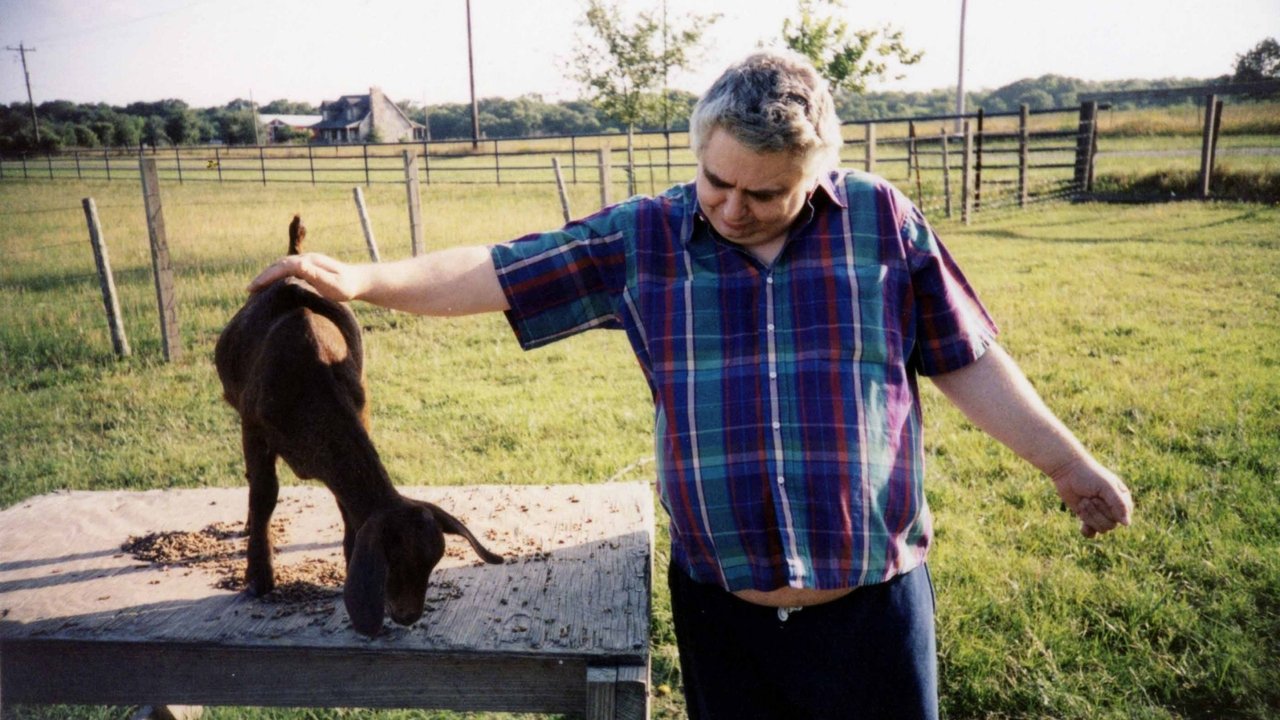
Living with bipolar disorder
The Devil and Daniel Johnston
Daniel Johnston made influential art while struggling with bipolar disorder, showing what a mental disorder looks like in a real life 1.
Find where to watchOn Filmstriben — one of your services

FoundationsRead
How the body holds pain
Bessel van der Kolk, M.D.
Our pick for understanding how trauma and stress live in the body, not just the mind.
Foundations · Do this
Do this
Write down what you'd say to a friend who told you they were struggling. Then read it back and ask if you'd say the same kind thing to yourself.
Chapter II
Stress, Memory, and the Mind Under Strain
Now go deeper into what pushes minds toward breaking: stress, memory damage, and crisis.
Going deeperWatch
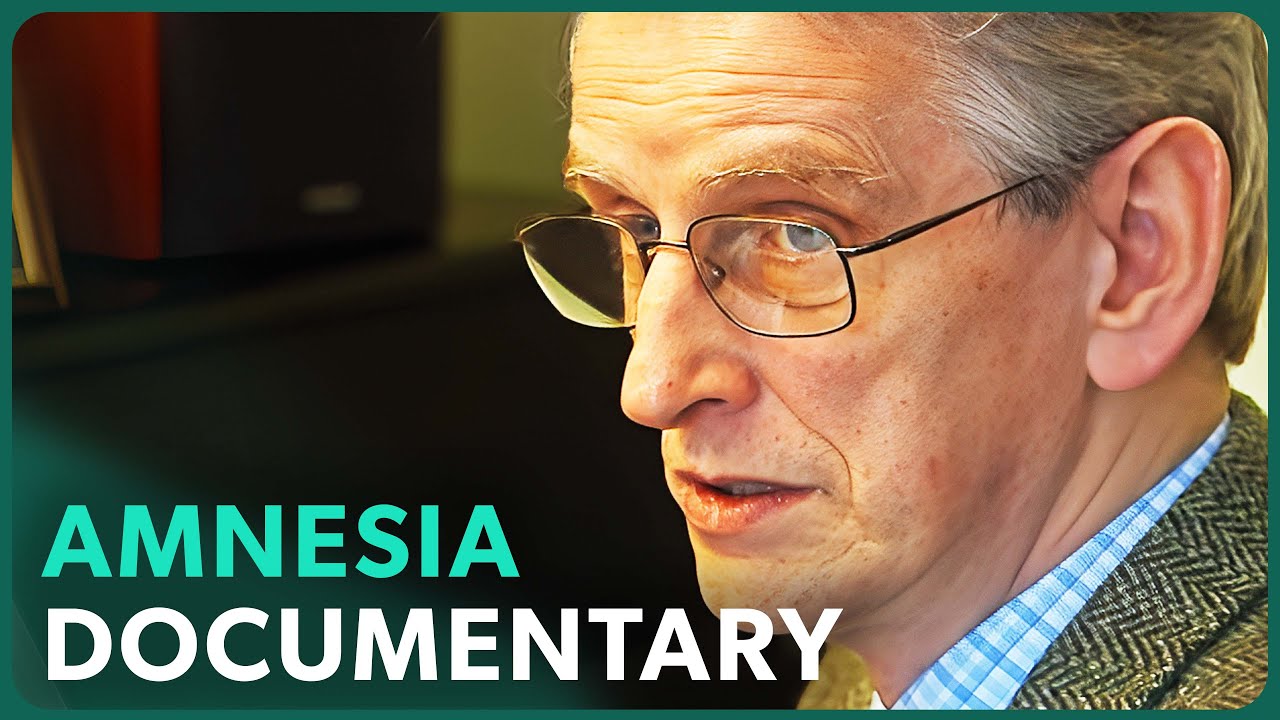
A memory only seven seconds long
The Man With The Seven Second Memory
Clive Wearing's memory span is just seven seconds after a virus damaged his brain, a stark look at what happens when the brain is injured 2.
Watch this documentaryGoing deeperWatch
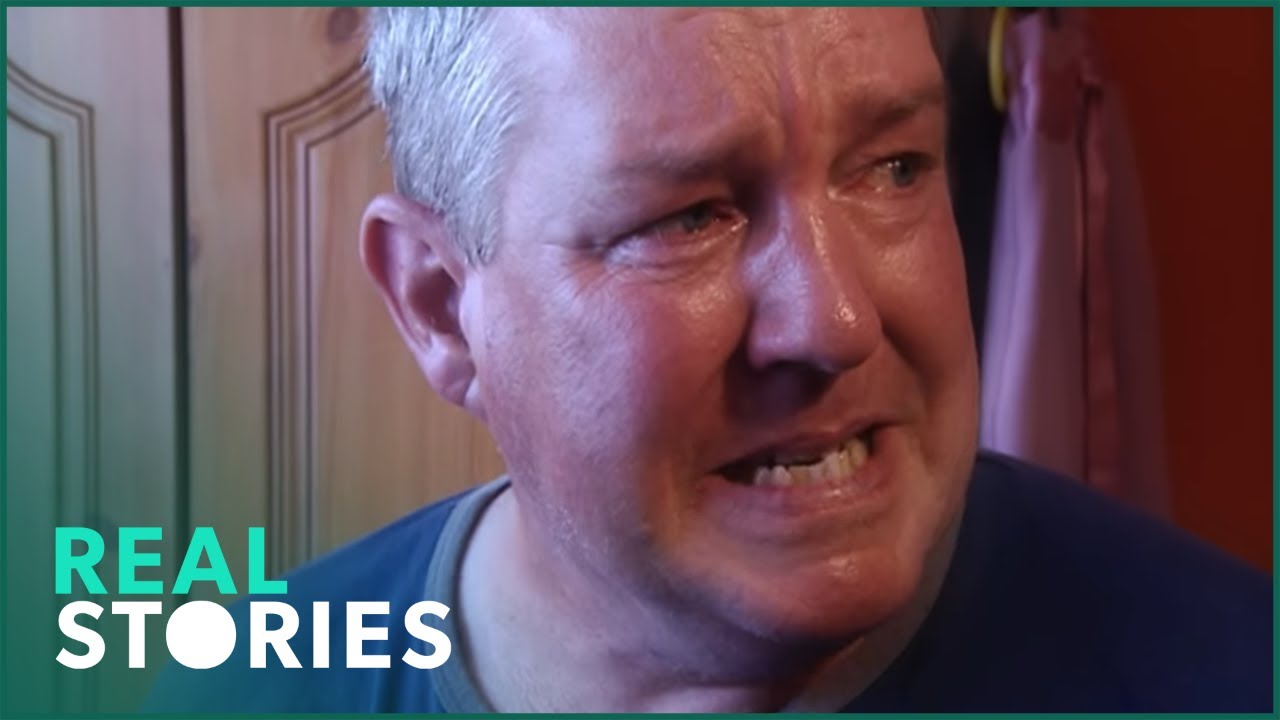
When rituals take over
The Man Who Is Obsessed With The Number 12
Hugh Turner spends up to 18 hours a day on compulsive rituals driven by OCD, showing how a disorder can hijack a whole day 1.
Watch this documentaryGoing deeperWatch

Why touch matters
How does touch affect our mental and physical health?
Babies rely on touch for security from birth, a reminder of how much social connection shapes our mental and physical health 5.
Watch this documentaryGoing deeper · Do this
Do this
Notice your own stress signals for one day: a racing heart, tight shoulders, short temper. Just naming them is the first step to managing them.
Chapter III
How People Actually Heal
The hardest and most hopeful part: recovery, treatment, and the systems that either help or fail people.
Going furtherWatch
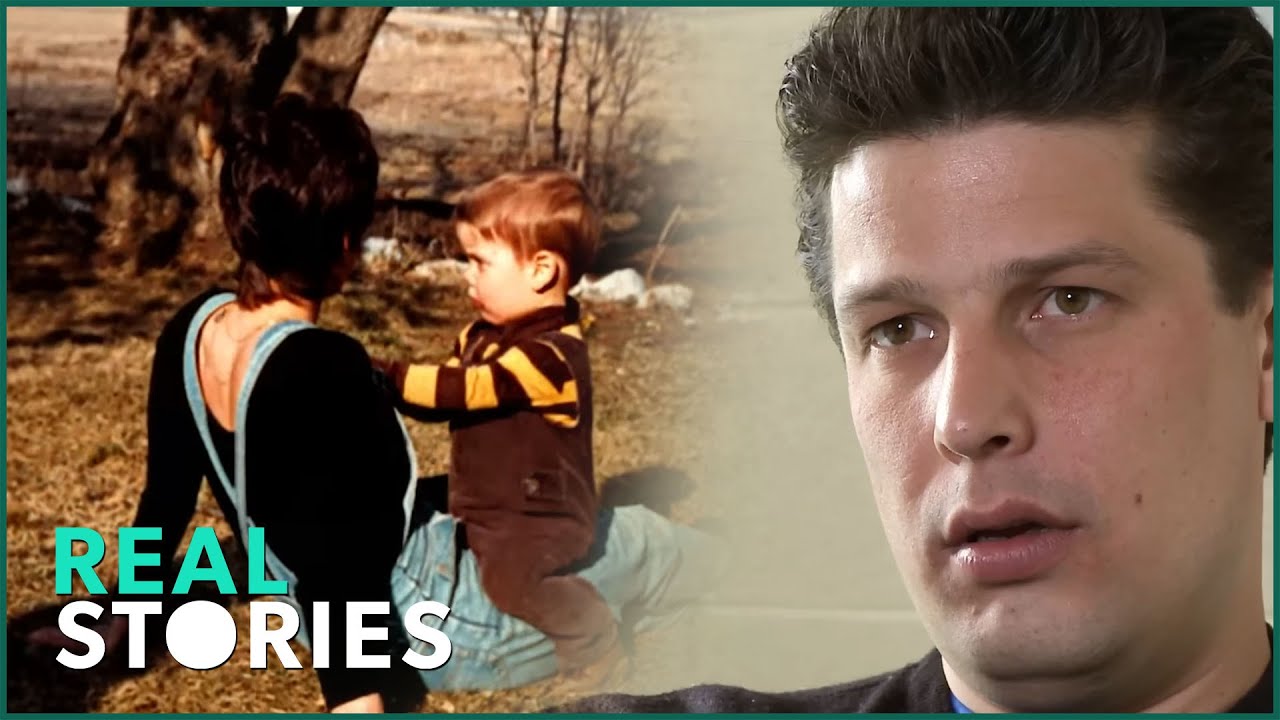
Recovery inside a mental health centre
My Schizophrenia Killed My Mother
Four residents at a mental health centre navigate recovery and society's judgement, showing recovery as a personal journey 6.
Watch this documentaryGoing furtherWatch

Care for the most severe cases
The Most Dangerous Patients
Inside a high-security facility, patients with severe mental disorders receive intense care, raising hard questions about treatment and safety 1.
Watch this documentaryGoing furtherWatch

A crisis among kids
There's a Mental Health Crisis Among Florida's Kids
Florida's rising numbers of committed minors show why early support and resilience matter so much 5.
Watch this documentaryGoing furtherRead
One person's road back
Jennette McCurdy
Our pick for a raw, honest memoir about damage, grief, and slowly getting better.
What you'll take away
- Explain what a mental disorder is in plain terms [1]
- Describe how the brain changes itself through neuroplasticity [2]
- Understand what stress does to the body [4]
- Recognise why psychotherapy and social support help people recover [3][5][6]
Check your understanding
What defines a mental disorder?
What is neuroplasticity?
Which hormones does the body produce during stress?
How does the recovery model view recovery?
Key concepts
- Mental disorder
- A pattern of thinking, feeling, or behaving that causes real distress or gets in the way of everyday life.
- Neuroplasticity
- The brain's ability to grow and rewire its connections in response to learning, injury, and experience.
- Psychotherapy
- Using regular personal conversation and psychological methods to help someone change behaviour and feel better.
- Stress response
- The body's reaction to a threat, driven by systems like the HPA axis and hormones such as adrenaline and cortisol.
- Psychological resilience
- The ability to cope with a crisis and return to normal quickly, shaped by self-esteem and social support.
- Recovery model
- An approach that sees recovery as a personal journey built on hope, relationships, and meaning.
Timeline
- Ongoing · Mental illness as part of mental health
- Ongoing · The plastic brain
- Ongoing · Talking cures
- Ongoing · Rise of the recovery model
Historical context
For a long time mental illness was treated as something separate from ordinary health, but today it is understood as one aspect of mental health that varies widely from person to person 1. Two big ideas reshaped how we think about healing. First, neuroplasticity showed that the brain is not locked in place; it keeps changing through learning, injury, and experience 2. Second, the recovery model moved care away from a simple sane-versus-insane split and toward the idea that symptoms sit on a continuum and recovery is a personal journey involving hope, support, and meaning 6. Alongside these ideas, psychotherapy became a mainstream, evidence-backed treatment 3, and researchers began mapping how stress hormones and social support shape who copes well and who struggles 45.
Family mode
Dinner questions
- •What helps you feel better after a really bad day?
- •Is it easier to talk about a broken arm than a broken mood? Why?
- •Who is someone you'd go to if you felt sad for a long time?
Experiments
- •Take three slow breaths together and notice how your body feels before and after.
- •Try a 'worry jar': write a worry on paper, drop it in, and talk about it later when you're calmer.
Crafts
- •Draw a picture of your feelings today using only colours, no words.
- •Make a small 'calm kit' box with things that help you settle down.
Games
- •Name that feeling: act out an emotion and let others guess it.
- •Take turns naming one thing that made each of you feel proud this week.
Travel
- •Visit a local park and notice how being outside changes your mood.
- •Walk somewhere quiet together and count five things you can hear.
For younger children
- •Does everyone feel worried sometimes?
- •Can a brain get better like a scraped knee heals?
- •What can you say to a friend who feels sad?
Discuss & reflect
Discussion
- If the brain can rewire itself, what does that mean for someone who thinks they'll never change?
- Why might recovery be better seen as a journey than a finish line?
- How does stress in daily life connect to more serious mental health problems?
- What role do friends and family play in whether someone bounces back?
- Where should we draw the line between normal distress and a mental disorder?
Reflection
- •Think of a time you bounced back from something hard. What helped you?
- •What do you tell yourself on a bad day, and would you say it to someone you love?
- •Who in your life makes you feel safe enough to be honest about how you feel?
Sources & further reading
- 01Mental disorder · en.wikipedia.org
- 02Neuroplasticity · en.wikipedia.org
- 03Psychotherapy · en.wikipedia.org
- 04Stress (biology) · en.wikipedia.org
- 05Psychological resilience · en.wikipedia.org
- 06Recovery model · en.wikipedia.org