Film Lens
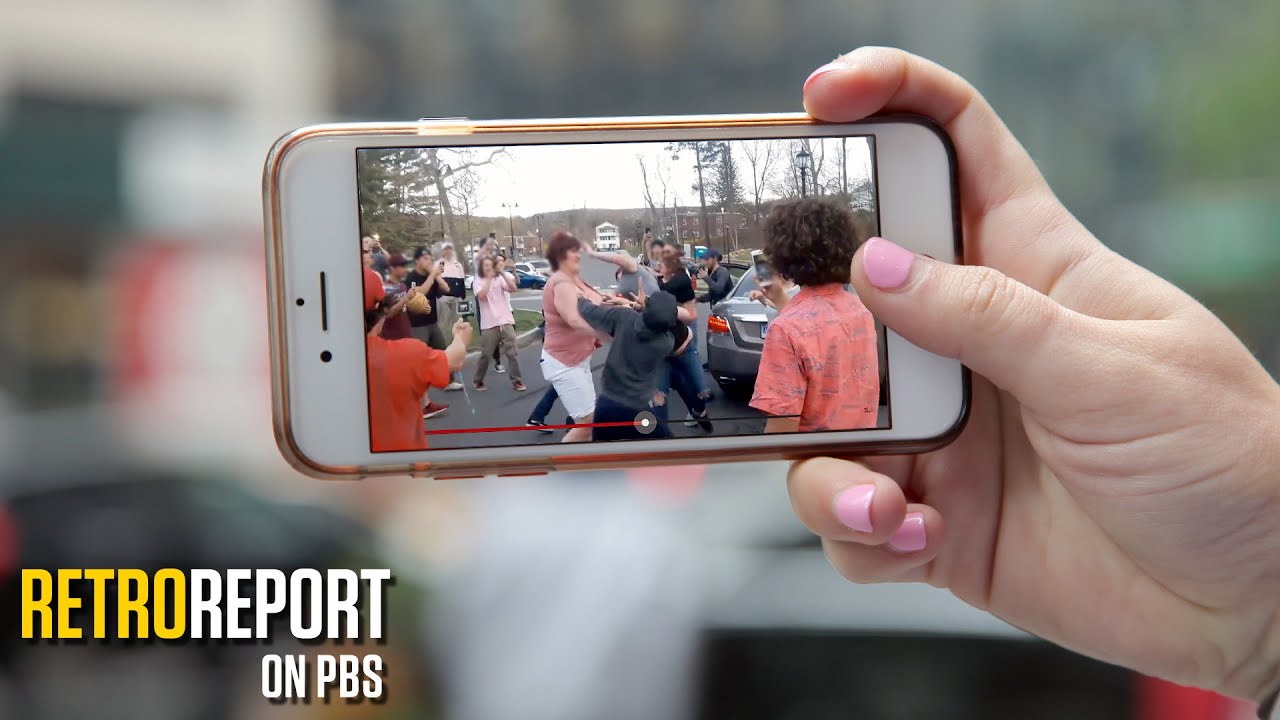
The documentary examines the impact of social media on bystander behavior, particularly focusing on incidents streamed live on platforms like Facebook. It discusses events such as a fatal police shooting and a sexual assault case involving a 15-year-old girl, where the lack of intervention from viewers raises questions about societal responsibility. Professor Desmond Patton provides insights into how social media captures moments of violence and trauma in communities, highlighting the role of digital bystanders who witness these events without taking action.
The film also draws parallels to historical cases, such as the 1964 murder of Kitty Genovese, to illustrate that the bystander effect is not a new phenomenon. It emphasizes that while technology has changed the way we witness events, the underlying human behavior of inaction remains consistent. The documentary calls for a collective response from society, including police, schools, and technology companies, to address the issue of bystander apathy in the digital age.
Why Watch
- •See how social media influences bystander behavior.
- •Find out why no one called police during a live assault.
- •Meet Professor Desmond Patton and his insights on youth violence.
- •Discover the historical roots of the bystander effect.
Did You Know
•More than 800,000 people watched an exploding watermelon on Facebook Live in 2016.
•At least 40 people viewed a Facebook Live video of a sexual assault, but no one called police.
•Catherine Genovese was murdered in 1964, and her case is often cited in discussions about the bystander effect.
•Professor Desmond Patton studies the relationship between youth violence and social media.
Perfect For
Social media usersTrue crime enthusiastsPsychology studentsCommunity activists