Film Lens
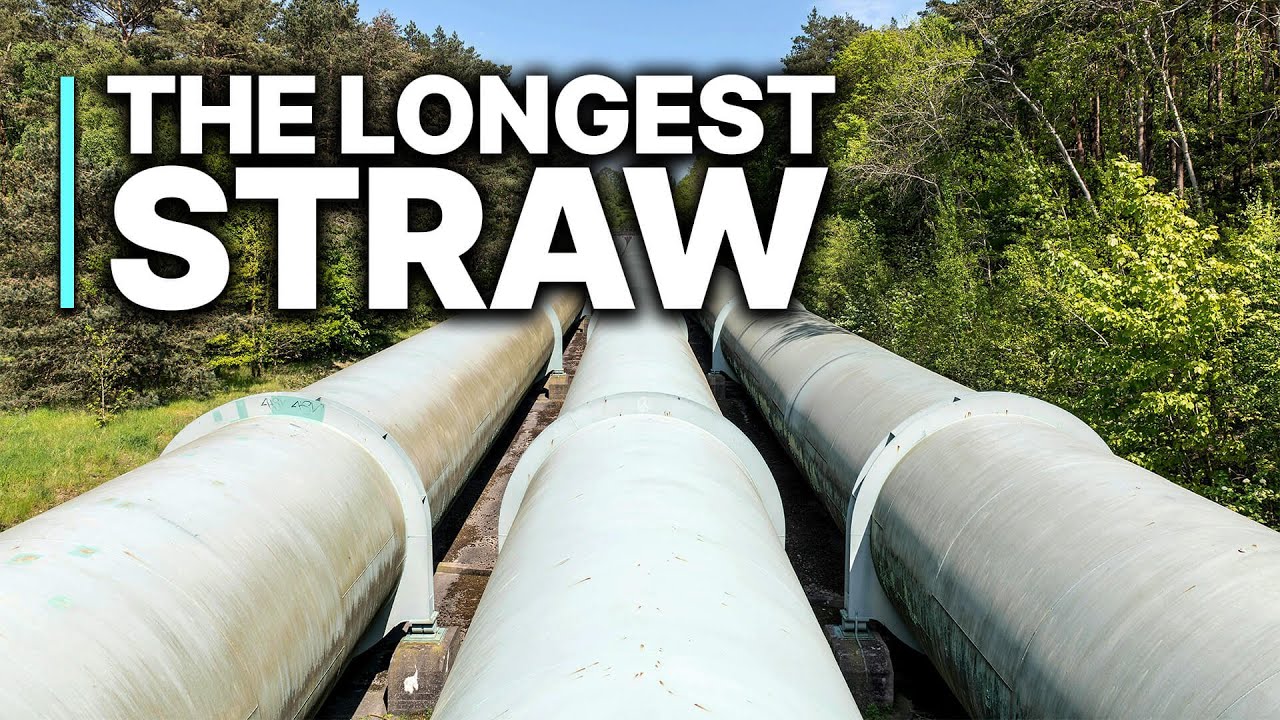
The Longest Straw follows director Samantha Bod as she backpacks the entire length of the Los Angeles Aqueduct, which spans 338 miles from Los Angeles to the Mono Basin. The film examines the significance of water for human survival and the environment, emphasizing that only 1% of Earth's water is accessible for human use. Bod reflects on her upbringing in Pennsylvania, where water was abundant, and contrasts it with the water scarcity issues faced in Los Angeles, where most residents are unaware of the origins of their water supply.
Through her journey, Bod reveals the history of the Los Angeles Aqueduct, built in 1913 by Frederick Eaton and William Mahand, and its impact on the city's population growth. The documentary shows the disconnect between urban residents and the source of their water, as many are unaware of the struggles surrounding water access in the Owens Valley and Mono Basin. Bod calls for collaboration between communities to address water issues and emphasizes the importance of protecting this vital resource for future generations.
Why Watch
- •Follow Samantha Bod's 338-mile trek along the aqueduct.
- •Discover the history of the Los Angeles Aqueduct.
- •See how water scarcity affects urban life in Los Angeles.
Did You Know
•97% of all water on Earth is salt water and not usable.
•Only 1% of Earth's water is accessible for human use.
•The Los Angeles Aqueduct was built in 1913 to bring water from the Owens River.
•The aqueduct was expanded in 1941 and again in 1970 to meet growing demand.
Perfect For
Environmental activistsWater conservationistsUrban planners