Film Lens
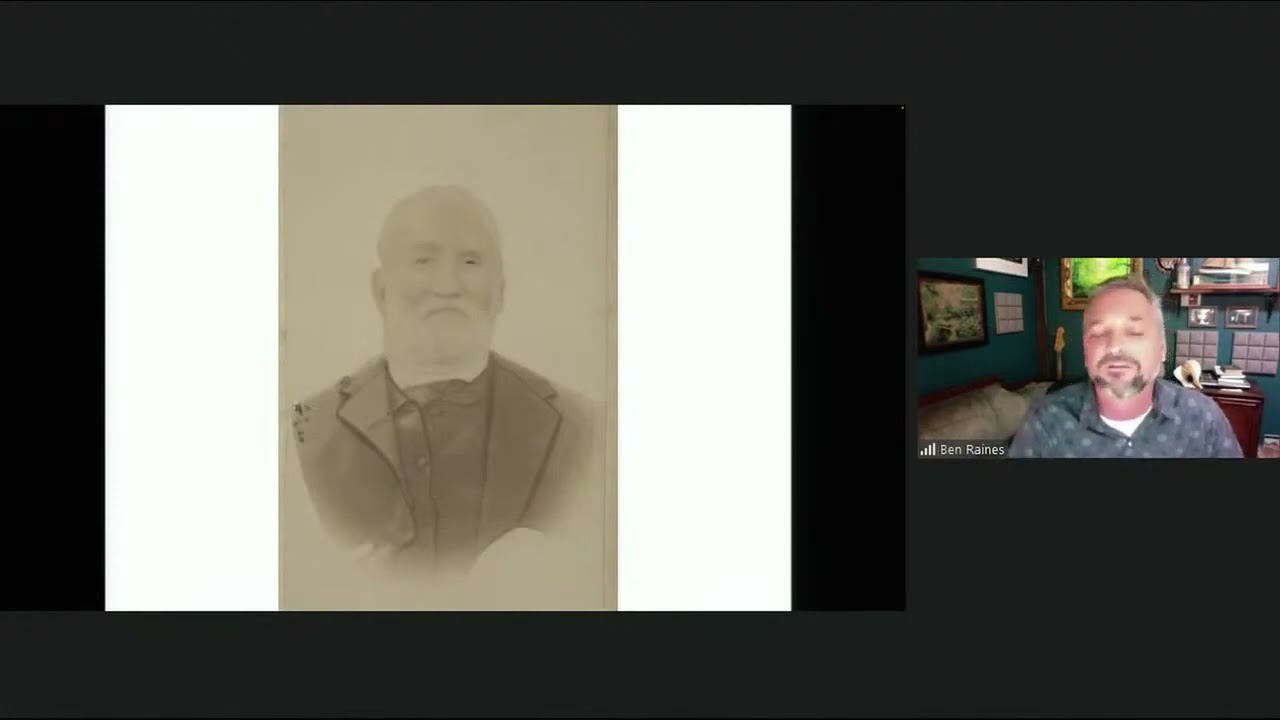
The documentary focuses on the story of the Clotilda, the last ship to bring enslaved Africans to the United States. It shows the significance of this event as the origin story for the African diaspora, encompassing not just African Americans but also those in South America and the Caribbean. The film presents a detailed account of the circumstances surrounding the Clotilda's voyage in 1860, when illegal slaving continued despite the Atlantic slave trade being outlawed in 1808. The documentary emphasizes the economic motivations behind this illegal trade, particularly the rising demand for labor in the cotton industry.
Additionally, the film discusses the lives of the 110 individuals who were brought aboard the Clotilda, most of whom were young, aged between 12 and 30. It recounts their experiences after the Civil War and their long lives, with some, like Cujo Lewis, living into the 1930s and sharing their stories through interviews. The documentary also touches on the destruction of Africatown, the community established by the Clotilda's survivors, and the efforts to create a museum to honor their legacy.
Why Watch
- •Meet Cujo Lewis, a key figure from the Clotilda.
- •See how the Clotilda's story shapes the African diaspora.
- •Find out why illegal slaving persisted after 1808.
Did You Know
•The Clotilda was the last ship to bring enslaved Africans to the U.S.
•The price of enslaved people in Mobile, Alabama, was $2,000 in 1860.
•Cujo Lewis, a passenger on the Clotilda, lived into the 1930s.
•The Atlantic slave trade was outlawed in the U.S. in 1808.
Perfect For
African American historyCivil War studiesCultural heritage preservation