Film Lens
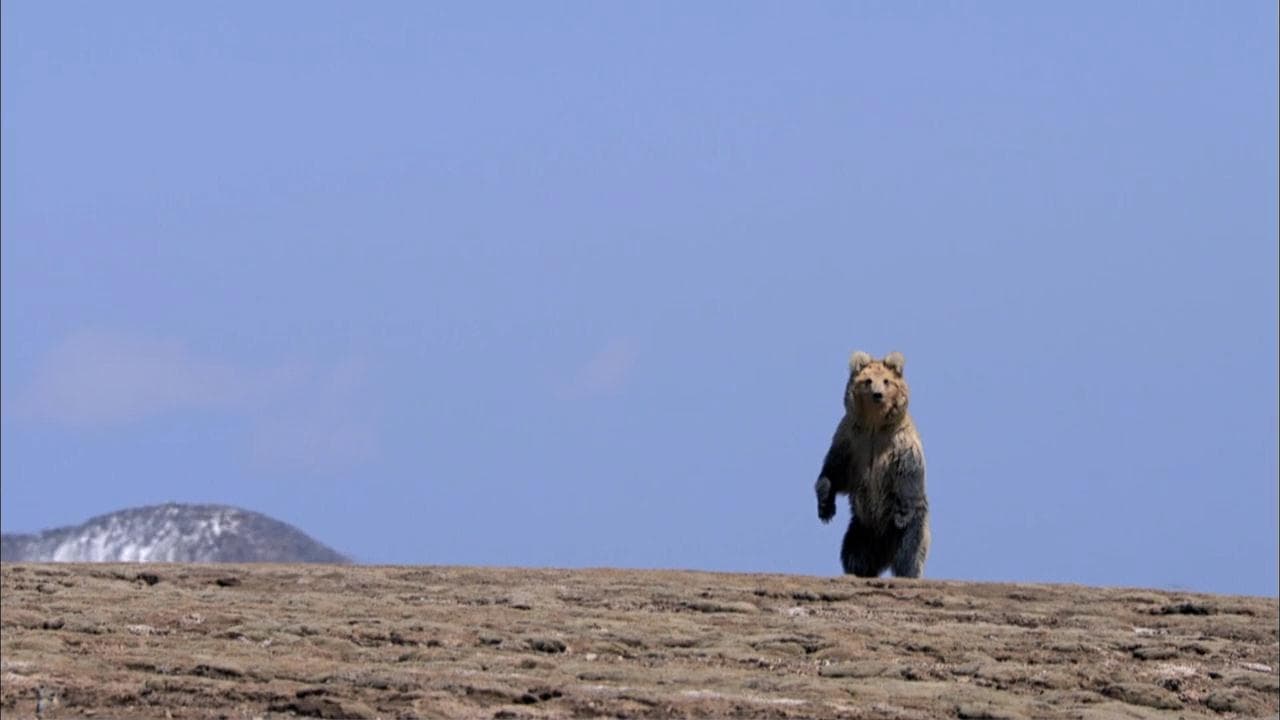
The Himalayas is a documentary that presents the highest mountain range in the world, spanning thousands of miles and featuring a diverse ecology. It covers various ecosystems, including coniferous and subtropical forests, wetlands, and montane grasslands, which exist alongside the frozen mountaintops. The film emphasizes the significance of the term 'Himalaya,' meaning 'abode of snow,' and discusses the region's vast glacial networks.
The documentary explains how these glaciers are crucial for feeding major rivers such as the Ganges, Indus, and Brahmaputra. Over one billion people rely on these glacier-fed water sources for drinking and agriculture, highlighting the Himalayas' essential role in human survival and environmental health. The film presents both the natural beauty of the Himalayas and their importance to ecosystems and human life.
Why Watch
- •Meet the diverse ecosystems of the Himalayas.
- •Find out how glaciers feed major rivers.
- •See the impact of the Himalayas on over a billion people.
Did You Know
•The Himalayas contain the largest non-polar ice masses on Earth.
•Over a billion people depend on glacier-fed rivers like the Ganges.
•The documentary runs for 53 minutes and was released in 2011.
Perfect For
Mountain ecology enthusiastsGlacial studiesWater resource management