Deep Dive: Moana (1926)
Film Lens
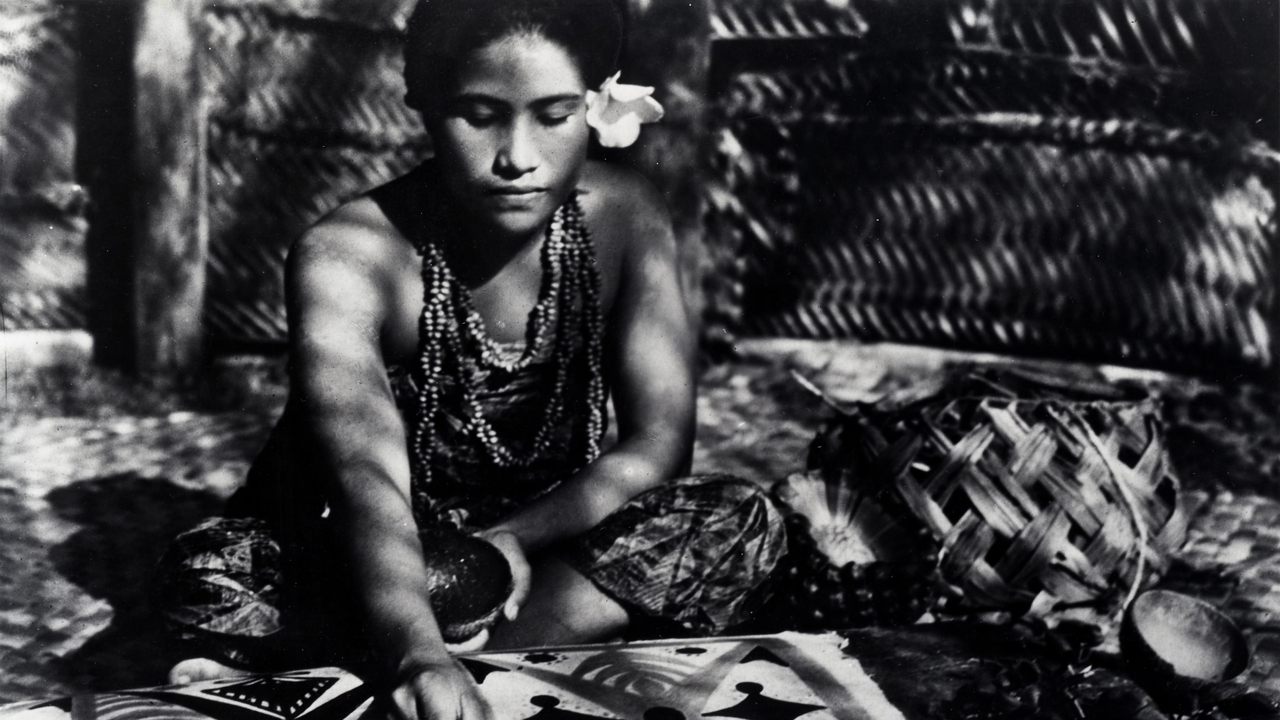
Moana, directed by Robert J. Flaherty, presents a portrayal of Samoan village life, shifting the focus from the Arctic landscapes of his previous work, Nanook of the North. The film captures daily rituals and communal traditions, emphasizing the cultural practices that define the community. Flaherty's approach combines ethnographic detail with a romanticized view of the South Seas, often likened to a 'Gauguin idyll.' This artistic lens reflects the beauty and strength of the Samoan people, celebrating their passage into adulthood and the pride associated with their cultural identity.
The film runs for 98 minutes and is produced in the United States of America. It is notable for its lack of spoken language, relying instead on visual storytelling to convey the essence of Samoan life. Flaherty's work in Moana serves not only as a documentation of a specific culture but also as an artistic interpretation that invites viewers to appreciate the aesthetic and emotional dimensions of the subjects portrayed.
Why Watch
- •See the daily rituals of Samoan village life.
- •Find out about communal traditions in the South Seas.
- •Meet the Samoan community's passage into adulthood.
Did You Know
•Moana was released in 1926, following Flaherty's Nanook of the North.
•The film has a runtime of 98 minutes.
•Moana was produced in the United States of America.
•The film features no spoken language, relying solely on visuals.
Perfect For
Samoan culture enthusiastsFilm history buffsEthnographic documentary fans