Film Lens
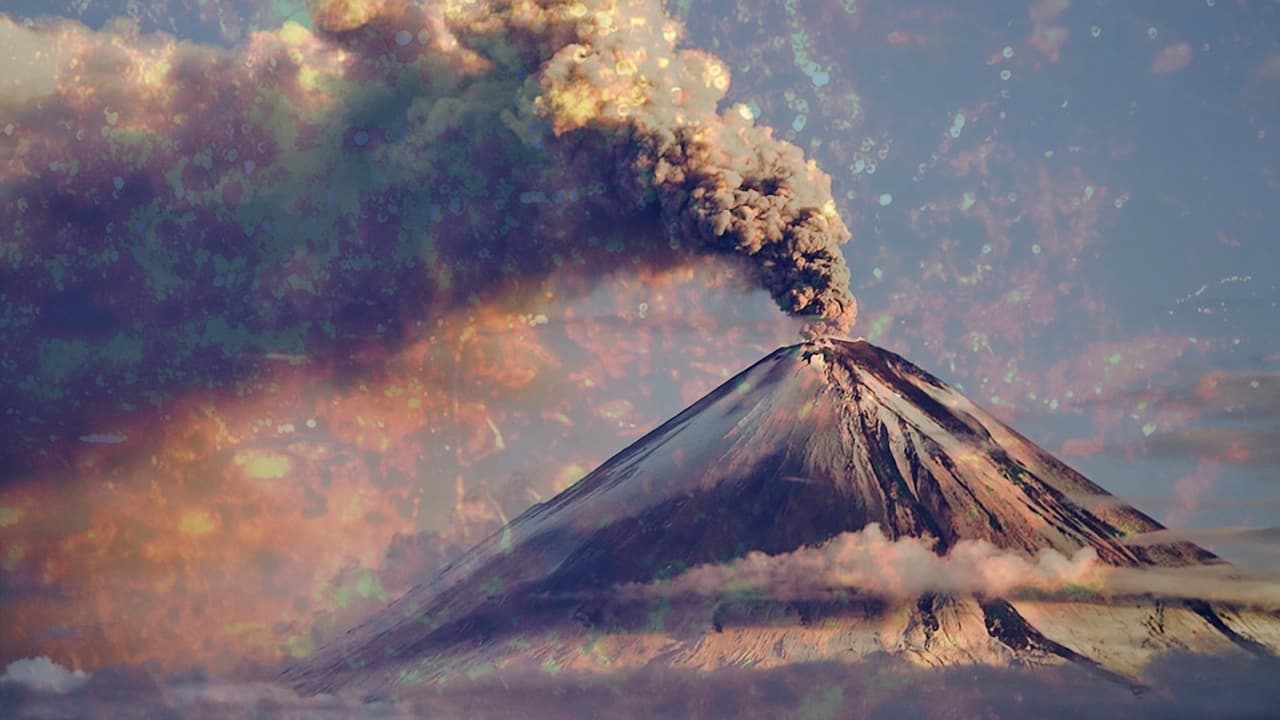
The film discusses the Earth's stored energy and how volcanic hotspots release this energy. It explains that hotspots are formed when the mantle generates plumes of hot material that rise to the crust, leading to volcanic activity that can last millions of years. The documentary focuses on a specific hotspot in northwest India that created the Marble Squaw mountains, which are 65 million years old and formed from a series of eruptions.
It also examines the impact of volcanic activity on life on Earth, including the extinction of species due to gases, ash, and lava. The film connects past volcanic events to the evolution of life, detailing how dinosaurs dominated ecosystems until a meteorite impact and volcanic activity contributed to their extinction. The documentary emphasizes the importance of monitoring hotspots to predict future eruptions and their potential effects on humanity.
Why Watch
- •See how volcanic hotspots shape the Earth's landscape.
- •Find out about the extinction events that affected dinosaurs.
- •Meet scientists using technology to monitor volcanic activity.
Did You Know
•The Marble Squaw mountains in India are 65 million years old.
•Volcanic hotspots can create mountains, islands, and entire countries.
•Magma plumes are ejected from the Earth's mantle every 30 million years.
Perfect For
Geology enthusiastsDinosaur fansScience documentary viewers