From over 100,000 films, discover the handful you'll love.
Free or premium access to the world's largest documentary library.
Africa
34 films
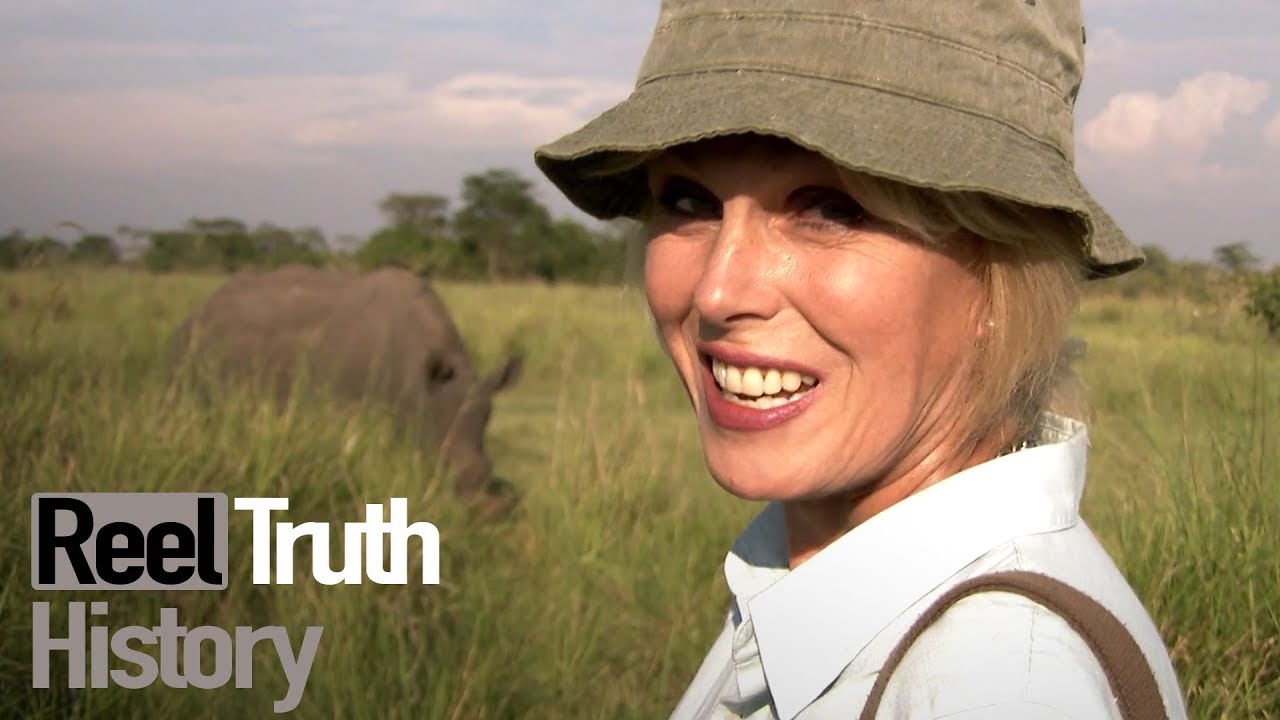
Joanna Lumley visits Juba, Sudan, and meets beauty queens preparing for a pageant.
800,000 people were killed in just three months during the Rwandan genocide, while many suspected perpetrators now live freely in France.
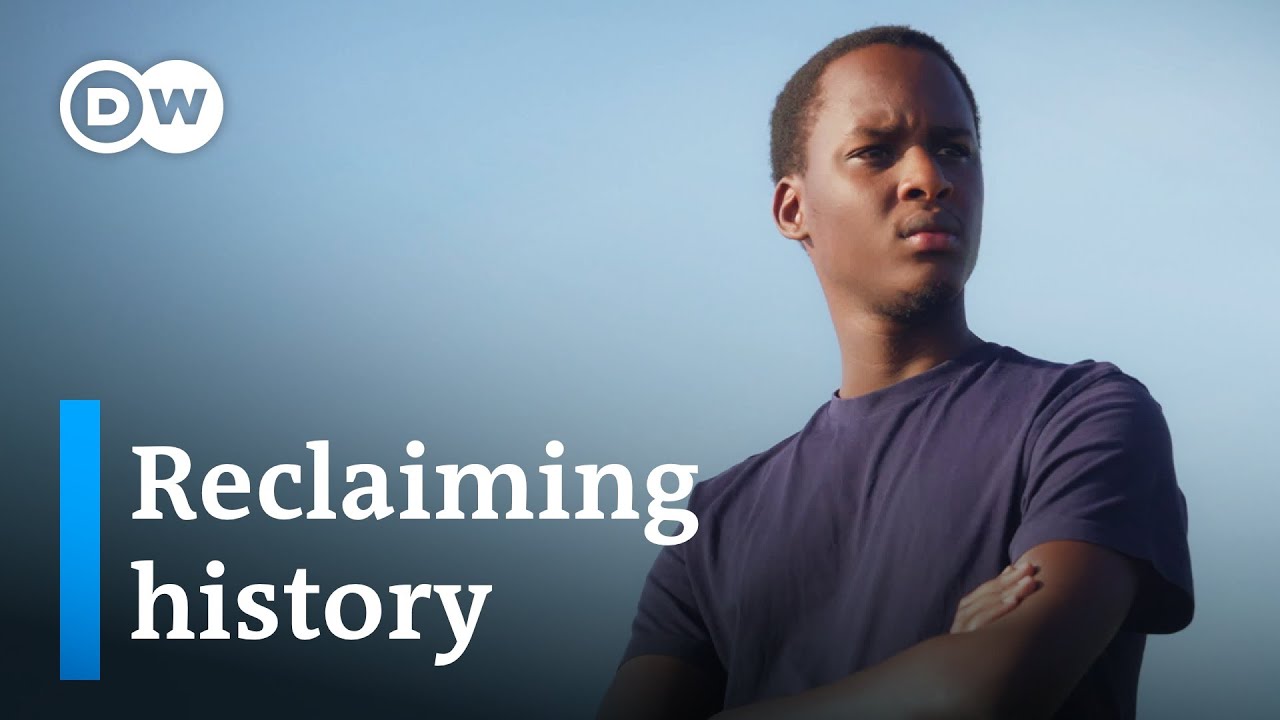
One million people were murdered in just 100 days during the Rwandan genocide, which Samuel Ishimwe investigates through the lens of colonial history.
Three survivors of the 1994 Rwandan genocide recount experiences of sexual violence in refugee camps, including assaults by French soldiers.
David Guttenfelder paddled through the Apostle Islands in Lake Superior, facing eight-foot waves and lightning storms during his 18-day kayaking trip.
Six million people died in the Holocaust, yet personal stories of survivors reveal the lasting impact of these events on individuals and society.
Andreas Kieling has five weeks to film giant grizzlies in the Bering Sea before the storm season begins.
Andreas Kieling encounters gorillas in the Congo, Rwanda, Uganda, and searches for crocodiles in Australia.
The United Nations spends $600 million a year on peacekeeping efforts in the Democratic Republic of Congo, where three million people died in a civil war.
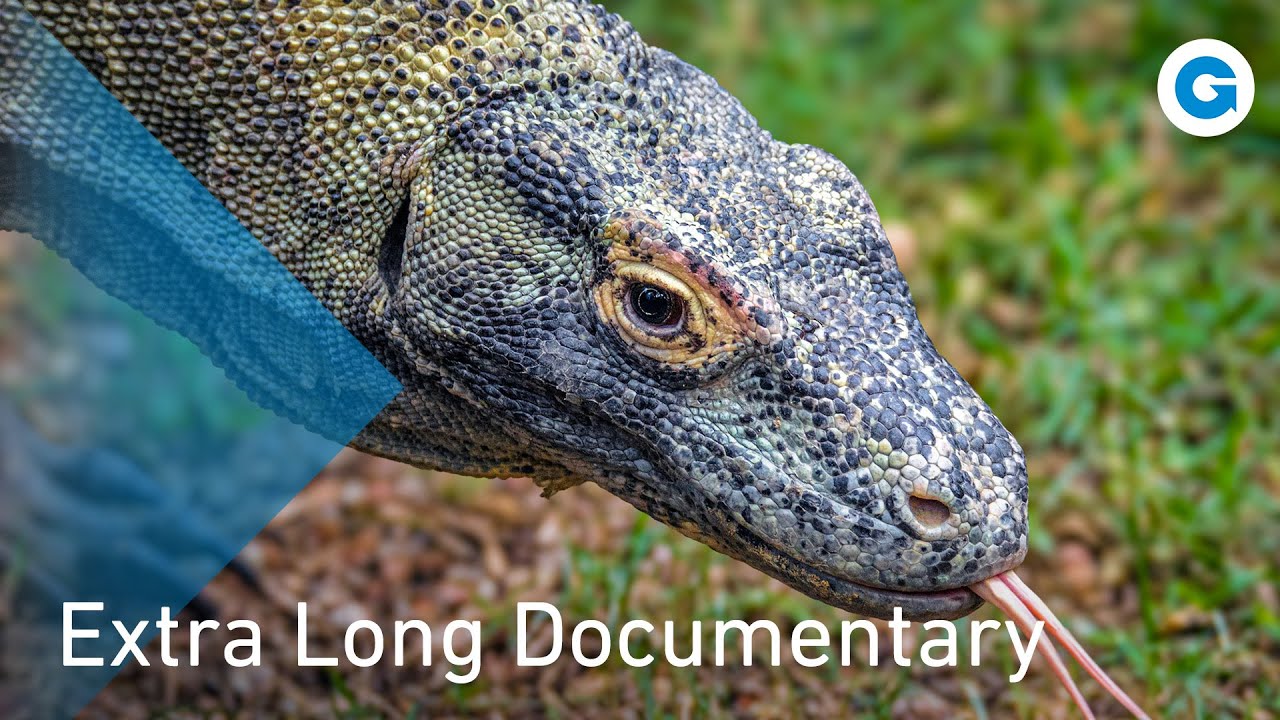
Andreas Kieling travels to Indonesia, Canada, and Rwanda to film endangered species like the Komodo Dragon, emphasizing the critical need for conservation.
Mo Ibrahim discusses Rwanda, DRC, and African governance, highlighting gender issues and Sudan.
A million people were killed during the 1994 Rwandan genocide, yet many perpetrators, including a UN employee, remain untried for their alleged roles.
Félix Tshisekedi discusses investment, Rwanda tensions, and his election at the FT Africa summit.
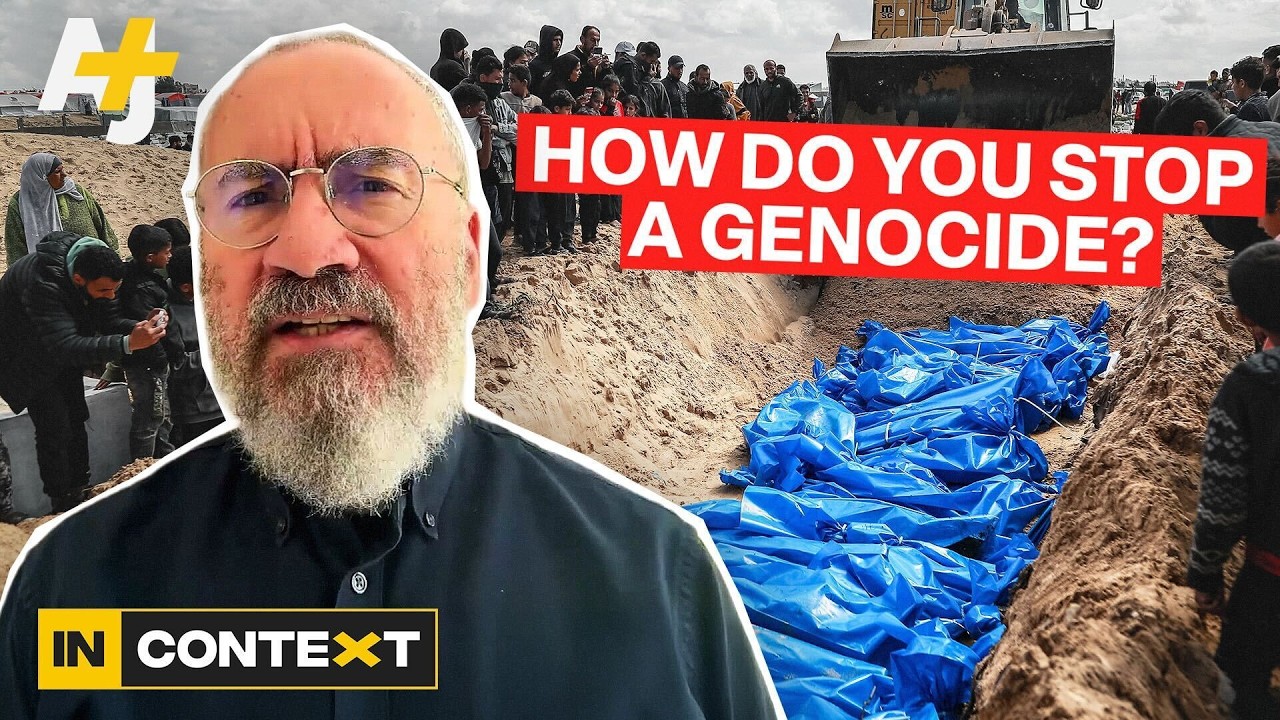
Genocides often end through military intervention, but Gaza faces no serious pressure to stop.
Paul Rusesabagina, known for sheltering refugees during the Rwandan genocide, is convicted of terrorism after being forcibly taken from the U.S. to Rwanda.
Louise Mushikiwabo discusses Rwanda's growth and ongoing human rights concerns in Berlin.
Two million people have died as a result of the war in the Democratic Republic of the Congo, with multiple rebel groups fighting for control.
Eight days of racing during the Tour of Rwanda draw huge crowds from villages and fields, reflecting the bicycle's importance in rural life.
Exiled Rwandan critics, including journalists and political opponents, face alarming unexplained deaths, raising concerns about dissent under President Paul Kagame's regime.
The Eastern Democratic Republic of Congo faces a new Rebellion as citizens mobilize against M23.
1,800 policemen gather in Rinconada to destroy illegal gold mining platforms at Pampa Blanca, 15,000 feet above sea level, amid environmental concerns.
Women in Rwanda lead community rebuilding efforts after the genocide ended in 2007.
Campaigners protest the first flight to Rwanda, fearing for asylum seekers' lives.
Jean Kabisa recalls the painful memories of the Rwandan genocide during the rainy season in April.
Burundians flee to the Mohammed camp as political instability escalates ahead of elections.
The Mai-Mai guerrillas fight for Kabila's regime against Rwandan occupying troops.
Yankee Booga, a financier of the Rwandan genocide, is arrested in France after 23 years.
Prince Charles criticizes UK’s Rwandan policy ahead of his visit to Rwanda for the Commonwealth.
Lilian Mugabe Kazi faces jail in Rwanda for wearing a transparent dress deemed indecent by authorities.
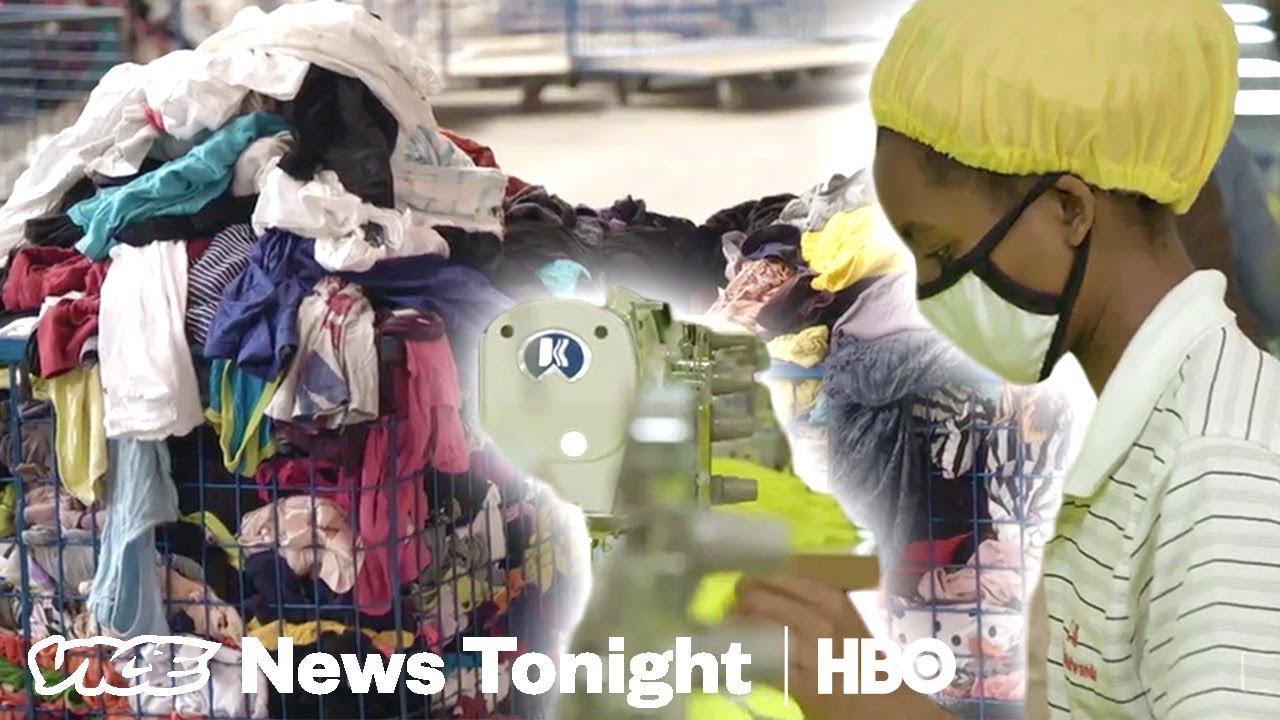
Rwanda's used clothes trade faces a crisis due to U.S. tariffs and local industry support efforts.
Authorities warn that Mount Nyiragongo may erupt again, prompting mass evacuations from Goma.
Congo says Goma is spared from a volcanic eruption, but residents remain uncertain and fearful.
The UK announces a controversial immigration policy to send asylum seekers to Rwanda for processing.
The Army overthrows Ali Bongo in Gabon, raising concerns in Cameroon and Rwanda about military coups.